
Whether you still have a chance to grow taller depends almost entirely on one thing: whether your growth plates are still open. If you're a teenager who hasn't finished puberty, the answer is almost certainly yes, and the right habits can help you reach your genetic ceiling. If you're a young adult in your late teens or early twenties, you may be at or near the end of true bone growth. And if you're a full adult with fused growth plates, no supplement, stretch, or routine will add real bone length, but you can absolutely add measurable standing height through posture. Here's how to figure out exactly where you stand and what to do about it.
Do I Have a Chance to Grow Taller? What to Check Now

Marcus Reeves
28 Jun 2026

How height growth actually works
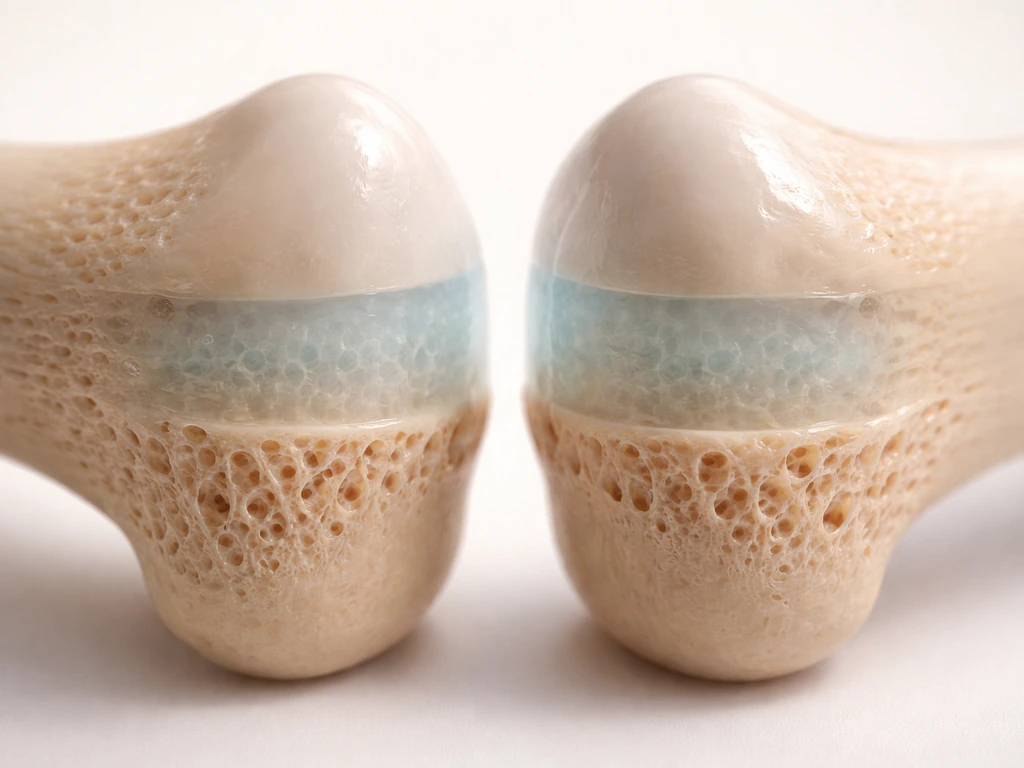
Your height increases because of growth plates, which are thin strips of cartilage near the ends of your long bones (think femur, tibia, humerus). These plates are where new bone tissue is manufactured. Specialized cells called chondrocytes multiply and enlarge inside the plate, and that process is what physically pushes your bones longer over time. Growth hormone drives much of this by stimulating IGF-1, which in turn fuels chondrocyte activity and the surrounding bone matrix processes.
Puberty changes the equation significantly. During the pubertal growth spurt, sex hormones, especially estrogen (in both boys and girls), first accelerate growth plate activity and then, as levels rise higher, cause the plates to gradually farden and fuse into solid bone. Once a growth plate fuses, that bone cannot get longer, full stop. This is why the timing of puberty matters so much: an earlier puberty generally means an earlier end to growth, while a later puberty (sometimes called constitutional delay) can mean you're still growing when peers have finished.
During the peak of puberty, most teens gain roughly 2 to 2.5 inches in height per year. That rate then tapers off as the growth plates near closure. By the time most people reach their late teens, bone growth has slowed to almost nothing, and by the early twenties growth plate fusion is typically complete in both sexes.
Are you likely still growing? A quick reality check
Your age and puberty stage are the fastest indicators. Run through these checkpoints honestly.
| Life Stage | Growth Plate Status | Realistic Outlook |
|---|---|---|
| Under 12 (boys) or under 10 (girls) | Wide open | Years of growth remaining; habits matter a lot |
| Mid-puberty (Tanner stages 2-3) | Active and open | Still in the main growth window; maximize nutrition and sleep |
| Late puberty (Tanner stages 4-5) | Narrowing, approaching fusion | Likely slowing; some gains still possible |
| 16-18 (girls) / 17-20 (boys), post-puberty | Near-closed or closed | Minimal to no new height; focus shifts to posture |
| 21+ adults | Fully fused in most people | True height gain is not possible; posture gains are real |
The most accurate way to know your actual growth plate status is a bone age X-ray: a single image of your left hand and wrist compared against a reference atlas (the Greulich and Pyle atlas is the standard used in most U.S. clinics). This tells a doctor not just your current skeletal maturity but also roughly how much growth time is left. It's far more reliable than going by calendar age alone, because two people who are both 15 can have bone ages that differ by two or three years.
A simpler at-home check: if you're still seeing noticeable growth from one year to the next and haven't fully progressed through puberty, you're almost certainly still growing. If you've been the same height for two or more years and puberty is complete, you've most likely reached your natural adult height.
What your family's height actually tells you

Genetics is the single biggest driver of how tall you'll eventually be. The standard clinical tool for estimating your genetic height ceiling is called mid-parental height. Here's how it works: add your biological mother's and father's heights together, divide by two, then add 2.5 inches if you're male or subtract 2.5 inches if you're female. That number is your estimated target height. According to the American Academy of Pediatrics, 95% of children without underlying health conditions end up within about 4 inches of that estimate in either direction.
So if your target is 5 feet 10 inches, you'd expect a final height somewhere between 5 feet 6 and 6 feet 2 under normal circumstances. That's a wide range, which is why genetics gives you a ballpark but not a precise answer. Factors like nutrition, chronic illness, and the timing of puberty all determine where within that range you land.
One thing family height doesn't tell you: whether you'll hit the upper end of your range. That's where lifestyle and health factors come in. If you smoke, quitting can improve overall health, which supports your growth and development lifestyle and health factors. It's also worth noting that constitutional delay (running late through puberty) can sometimes look like short stature when you're comparing yourself to peers at 14 or 15, but it often corrects itself as growth continues longer into the late teens.
Lifestyle factors you can actually control
Nutrition
If you're still growing, what you eat genuinely matters. Research supports that nutritional interventions, particularly adequate protein, zinc, vitamin A, and multiple micronutrients, can improve linear growth in children and adolescents who aren't getting enough. The key word there is 'enough.' Malnutrition or chronic under-eating can absolutely limit height. But if you're already well-nourished, loading up on extra protein or taking stacks of supplements won't push you past your genetic ceiling. The goal is to make sure you're not inadvertently capping your growth by undereating, especially during the rapid growth phases of puberty.
- Hit your calorie needs, especially during puberty when energy demands are high
- Prioritize protein from whole food sources: meat, fish, eggs, legumes, dairy
- Get enough calcium and vitamin D for bone mineralization
- Zinc and vitamin A are consistently flagged in research as relevant to linear growth; get them through food before supplements
- Avoid chronic dieting or extreme caloric restriction during your growth years
Sleep

Growth hormone is released in pulses during slow-wave (deep) sleep, not during waking hours. This is well-established mechanistic biology, which means consistently getting quality, sufficient sleep isn't just good advice in general, it's directly tied to the hormonal environment your body needs for growth. Teenagers should aim for 8 to 10 hours per night. Chronically short or fragmented sleep doesn't just make you tired, it reduces the growth hormone pulses that support bone lengthening during your active growth years.
Exercise and physical activity
Here's where a lot of people get misled. Regular physical activity does not directly increase linear growth rate or your final height, according to the research. Any height differences you notice between athletes and non-athletes in certain sports are more likely explained by selection (taller kids self-select into basketball, for example) and differences in maturity timing, not by the training itself. That said, weight-bearing physical activity does support bone mineral density and bone health during growth, which matters for long-term skeletal strength. Exercise is worth doing, just don't expect it to make you taller.
Red flags and when to get medical help

Most height variation is completely normal, but some patterns warrant a medical evaluation. These are the signs to take seriously:
- You're growing noticeably slower than peers and haven't started puberty by age 14 (boys) or 13 (girls)
- Your height has been flat for 12 or more months during an age when growth should still be happening
- You've dropped significantly across height percentiles on a growth chart over time
- You have symptoms of thyroid issues: fatigue, weight changes, cold intolerance, slowed development
- Puberty signs are absent or significantly delayed compared with your peers
- You have a chronic illness, history of celiac disease, kidney issues, or inflammatory conditions that could be affecting nutrient absorption or growth hormones
A pediatrician or pediatric endocrinologist can run a focused workup that typically includes: a bone age X-ray (left hand/wrist), thyroid function tests (TSH and T4), an IGF-1 level (a proxy for growth hormone activity), celiac disease antibody screening, and basic labs checking for anemia and kidney function. The goal is to distinguish treatable medical causes, like hypothyroidism or growth hormone deficiency, from normal variations like constitutional delay or familial short stature.
Growth hormone therapy is a real, FDA-approved treatment for specific pediatric diagnoses, including growth hormone deficiency and some other conditions. It's not a general height booster, and it's not appropriate unless there's a clinical indication. If GH deficiency is confirmed, treatment can meaningfully improve adult height outcomes, though results vary. Be very skeptical of anything sold over the counter claiming to boost growth hormone or height. The FDA has flagged products like iKids Growth Day Formula for containing hidden, unapproved pharmaceutical ingredients, which is a serious safety concern.
If you've stopped growing: what's actually still possible
Once your growth plates have fused, no habit, supplement, or exercise will add true bone length. If your growth plates are still open, that is one of the signs you will grow taller sign you will grow taller. That's not pessimism, it's just the biology. What is genuinely on the table, though, is posture, and the gains there can be surprisingly real. A clinical study measuring the immediate effect of postural correction exercises in older adults found an average increase of about 3.5 centimeters in standing stature after acute posture work. That's over an inch. Thoracic kyphosis (rounded upper back) is extremely common and routinely reduces measured standing height in both teens and adults. Correcting it through targeted exercise doesn't lengthen your bones, but it can absolutely change the number on a stadiometer.
For adults, the practical toolkit looks like this: strengthen the upper back and core, work on thoracic mobility, address hip flexor tightness that causes anterior pelvic tilt, and be intentional about how you hold yourself when standing and sitting. These are not tricks or illusions. If you have genuine kyphosis and you correct it, you're standing at your actual structural height, not a compressed version of it.
Limb-lengthening surgery exists, but it's a serious orthopedic procedure with significant risks and a very long recovery, and it's not something to consider outside of specific medical indications like a significant leg length discrepancy. It is not a cosmetic shortcut, and complications including delayed bone healing are well-documented.
Shoe insoles and footwear can add 1 to 3 inches of apparent height with no downside. That's a legitimate option if height matters to you in daily life. It won't change your biology, but it's honest about what it is.
Your next steps right now
The most useful thing you can do today depends on where you are in the process. If you’re wondering, will my daughter grow any taller, the next step is to figure out her growth plate status and where puberty timing currently falls where you are in the process. Here's a clear path forward based on your situation.
If you're a teen or parent of a teen

- Calculate your mid-parental height target: add both parents' heights, divide by 2, then add 2.5 inches (males) or subtract 2.5 inches (females). This is your genetic range center.
- Start tracking height every 6 months using a wall-mounted stadiometer or accurate measuring tape, ideally at the same time of day (morning is tallest due to spinal decompression).
- Optimize the basics now: sleep 8 to 10 hours, eat enough calories and protein, and don't skip meals during growth spurts.
- If height has been flat for over a year and puberty seems delayed, schedule a visit with your pediatrician. Ask specifically about bone age and growth velocity.
- Avoid any over-the-counter product marketed as a 'height booster' or 'growth pill'. These are not regulated the same way as medications and some contain hidden pharmaceutical compounds.
If you're a young adult (18 to 25)
- If you haven't seen any height change in the past year or two and puberty is complete, your growth plates are very likely fused. A bone age X-ray can confirm this.
- Shift focus to posture: get an assessment from a physical therapist or sports medicine doctor if you suspect significant kyphosis or forward head posture.
- Begin a consistent upper-back strengthening and thoracic mobility routine. Even modest improvements in spinal alignment can affect measured height.
- If you have genuine concerns about delayed development or hormone issues, see an endocrinologist. Adult GH deficiency is a real condition but it's diagnosed through specific testing, not assumed.
If you're a full adult
- Accept that your bone height is set. The focus now is expressing that height fully through alignment and posture.
- Work with a physical therapist on thoracic kyphosis if present. The evidence shows real, measurable stature changes are possible.
- Maintain bone density through weight-bearing exercise and adequate calcium and vitamin D intake. This won't make you taller but preserves what you have as you age.
- Be skeptical of anything promising height gain for adults. The biology simply does not support it.
One last thing worth keeping in mind: questions like whether eating more can push growth further, what physical signs predict upcoming height gains, and how lifestyle habits like smoking interact with development are all connected to this same underlying question of growth potential. If you’re asking whether will i grow taller if i eat more, the key is that enough nutrition supports growth, but it cannot override closed growth plates or your genetic ceiling whether eating more can push growth further. They all come back to the same core answer: your growth plates are the gating factor, your genetics set the target, and your habits determine whether you get there.
FAQ
If I already stopped growing, is there any situation where I could still get taller later?
Sometimes, growth does resume for months if puberty was delayed, but the window is still governed by whether growth plates are still open. That’s why bone age testing is more useful than waiting on scale changes or comparing with peers.
How long should I track my height to tell whether I’m still growing?
Track measured standing height every 3 to 6 months for at least a year, ideally at the same time of day with the same technique (barefoot, heels together, back against a wall). A single year with no change is more suggestive than day to day fluctuation from posture or hydration.
Do growth spurts happen at random, or can I estimate when mine will start and peak?
They’re tied to puberty timing, not just age. Two people the same age can have different skeletal maturity, so the best practical estimate uses pubertal stage plus bone age results, especially if you are concerned about being unusually early or late.
Can I tell if my growth plates are open by family height, body proportions, or facial changes?
Not reliably. Genetics predicts a target range, but skeletal maturity is individual. Family height can’t confirm growth plate status, and body proportion changes during puberty can be misleading without a bone age X-ray.
What’s the difference between being “short” and having a growth disorder?
A growth disorder is about growth pattern and medical signals, not just final height. Clinicians look for deviations like falling percentiles over time, symptoms of endocrine or systemic illness, or lab abnormalities, then confirm with bone age and targeted testing.
If my bone age shows I still have growth left, what’s the next step to avoid wasting money?
Ask what growth potential remains and whether any labs are warranted before trying supplements. If bone age suggests low remaining time, prioritize habits that protect posture and overall health, and skip products marketed as height boosters.
Are posture exercises enough to make a noticeable difference, or will it fade quickly?
Posture work can change measured standing height immediately, and it can last if you strengthen the same muscles that control kyphosis and pelvic tilt. Results may drop if you stop training, and slouching at work or school can quickly reintroduce the posture issue.
Do I need to worry about supplements like vitamin D, calcium, or protein if I’m already eating well?
If your diet is adequate, extra supplements usually won’t push you beyond your genetic ceiling, and some can be unnecessary. A safer approach is to correct any known deficiencies with your clinician’s guidance rather than stacking multiple products.
Can sleep problems affect height if I’m close to finishing puberty?
Yes. Even if the window is shorter, reduced or fragmented deep sleep can blunt growth hormone pulse signaling. If you’re still growing or not fully through puberty, addressing consistent bedtime and sleep quality is a high-yield step.
Is it safe for adults to do “stretching” routines marketed for height gain?
In most cases stretching is safe, but it won’t lengthen bones once plates are fused. If a routine causes pain, numbness, or worsening back symptoms, stop and get evaluated, since mobility work should not replace a posture or spine assessment.
What should I do if I suspect delayed puberty or constitutional delay?
Discuss it with a pediatrician or pediatric endocrinologist, especially if growth has slowed earlier than expected or puberty is significantly late. The goal is to confirm that growth plates are still open and rule out treatable endocrine issues.
When should I seek medical evaluation instead of self-tracking?
Seek evaluation if you have stopped growing for a prolonged period during your teens, if growth percentiles drop, if there are red-flag symptoms (fatigue, GI symptoms suggesting malabsorption, headaches or vision changes), or if puberty seems unusually early or late for your age.
Are insoles and shoe lifts really “no downside,” or do they have tradeoffs?
They typically do not change bone biology, but they can affect gait and balance, especially for people with back pain or tight hip flexors. If you use them, choose gradual height changes and consider an assessment for posture and core or hip mobility.
Will growth hormone therapy ever be considered if I’m just “not tall enough”?
Usually not. It’s reserved for specific diagnoses, and the decision depends on labs and growth pattern. If your growth plates are closed, therapy would not increase bone length, so a clinician would focus on treatable causes if any.
What are the most common mistakes people make when trying to grow taller?
The biggest mistakes are relying on unproven height boosters, comparing yourself to friends without accounting for maturity timing, and assuming that exercise or extra food automatically overrides closed growth plates. The practical correction is to use bone age when appropriate and match your effort to your remaining growth window.
Next Article
Will I Grow Taller If I Eat More? Nutrition, Sleep, Myths
Learn if eating more makes you taller, how growth plates, nutrients, and sleep affect height, and what to do now.