Quitting smoking can help you grow taller only if your growth plates are still open, and even then the benefit is real but modest. If you are a teenager who smokes, stopping now removes a genuine biological brake on your growth. If your growth plates have already fused (usually by the late teens to early twenties), no amount of quitting will add skeletal height. What quitting can do at any age is improve posture, lung capacity, and circulation in ways that make you look and feel taller, but that is not the same as your skeleton getting longer.
If I Quit Smoking, Will I Grow Taller? What to Expect

Marcus Reeves
7 Jun 2026

The quick answer depends entirely on your age
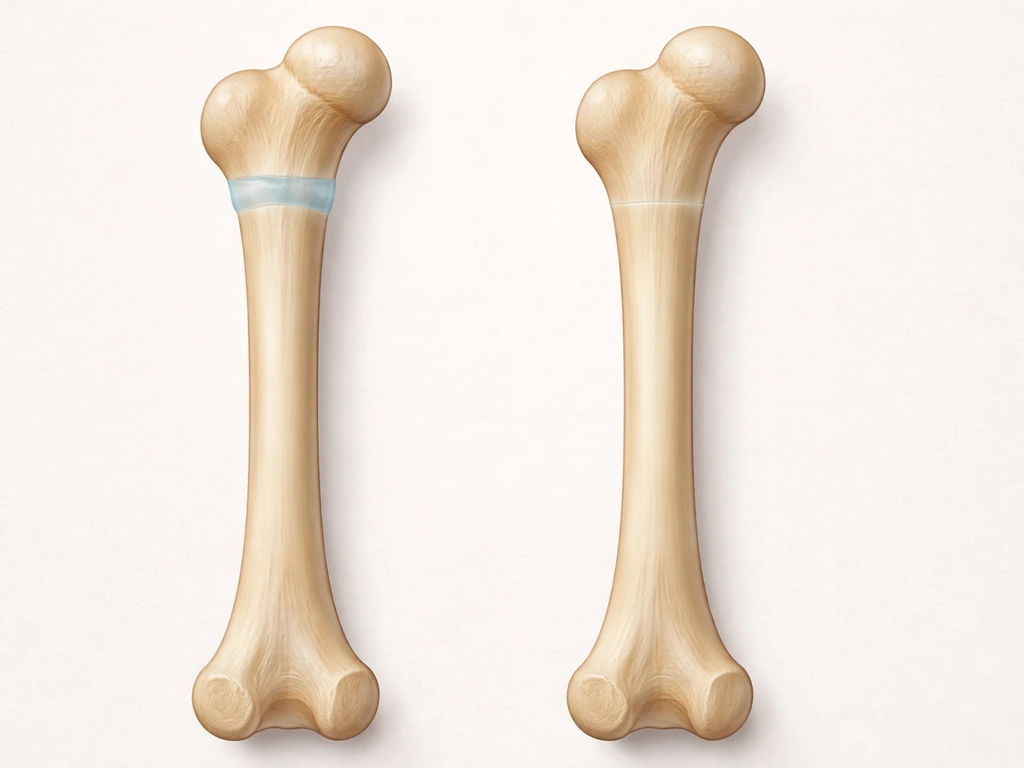
The single biggest factor is whether your growth plates are still open. Growth plates (also called epiphyseal plates) are soft cartilage zones near the ends of your long bones where new bone tissue is laid down during childhood and adolescence. Once they farden and fuse, your bones are done growing, full stop. No lifestyle change, including quitting smoking, can reopen them.
| Life stage | Growth plates | Can quitting smoking increase height? |
|---|---|---|
| Child (under ~12) | Open | Yes, removing nicotine exposure can support normal growth trajectory |
| Teenager (12–17) | Open, actively growing | Most likely yes, with the strongest potential benefit |
| Late teen / young adult (18–21) | Closing or recently closed | Possibly a small amount if plates are not yet fully fused |
| Adult (22+) | Closed | No skeletal height gain; benefits are posture and health only |
If you are not sure whether your growth plates are still open, a bone age X-ray of the left hand and wrist can give a definitive answer. A doctor reads the image to assess skeletal maturity and estimate how much growing time (if any) is left. That single test is the most useful piece of information you can get if you are serious about understanding your actual height potential right now.
How smoking actually slows growth
There are several overlapping mechanisms, and they all point in the same direction: smoking is bad for height development in young people.
Nicotine hits growth plates directly
Research published on PubMed found that nicotine acts directly on growth-plate chondrocytes (the cells that build new cartilage) through a receptor called the alpha7 neuronal nicotinic acetylcholine receptor. The effect is a decrease in matrix synthesis and suppressed hypertrophic differentiation, which is the biological process that drives bones to lengthen. In plain terms, nicotine essentially tells the cells responsible for making you taller to slow down. This is not a downstream or indirect effect; it is a direct molecular hit on the machinery of skeletal growth.
Reduced oxygen and blood supply

Smoking constricts blood vessels and reduces the oxygen-carrying capacity of red blood cells. Growth plates are metabolically hungry tissue. Less blood flow means fewer nutrients and less oxygen reaching those cells at the exact time they need to be working hardest. Norwegian research from the Tromsø Fit Futures cohort specifically identified reduced blood supply to the skeleton as one of the proposed mechanisms through which tobacco use affects bone accretion during adolescence.
Nutritional and hormonal interference
Smoking is associated with reduced appetite, poorer absorption of key nutrients (including calcium and vitamin C), and disruption of hormone levels including insulin-like growth factor 1 (IGF-1), which is closely tied to growth hormone signaling. Teenagers already need enormous caloric and micronutrient intakes to fuel a growth spurt. Smoking chips away at both the supply and the delivery.
Prenatal and early childhood exposure
If this question applies to a child rather than a teenager, it is worth knowing that the most damaging window of smoking exposure for height may be before birth. Children whose mothers smoked during pregnancy were found to be about 7 mm shorter at age 6 compared to children of non-smokers, with that deficit largely driven by differences in birth length rather than slower post-natal growth. Passive smoke exposure from ages 6 to 11 showed less of an ongoing effect on growth rate, meaning the damage from early-life exposure tends to be locked in rather than continuing to accumulate. Quitting (or preventing exposure) earlier in life always matters more.
What actually happens after you quit
This is where realistic expectations matter. The honest answer is that the evidence for significant catch-up height growth after quitting is weak, even in teenagers. One longitudinal study of female adolescents found that girls who quit smoking gained more weight and BMI compared to those who kept smoking, but did not show a statistically significant increase in height gains. That is a sobering finding: even when you remove the brake, the lost growth does not necessarily come back.
That said, the picture is not entirely discouraging. The studies available often track short windows of time after cessation, and growth is a long, slow process. If a 13-year-old quits smoking and still has four or five years of active growth ahead, removing nicotine's direct suppression of growth-plate cells should, in theory, allow those cells to work closer to their genetic potential for the remainder of the growth period. The earlier you quit, the more potential growing time you preserve. Waiting until 17 or 18 gives you far less runway. If you keep working with that remaining runway and protect your growth plates, you may wonder about the sign you will grow taller.
For adults with closed growth plates, there is no catch-up growth. Period. The bone cannot lengthen again. What changes after quitting in adulthood is health, not height.
A realistic timeline

- Within days to weeks: circulation and heart rate begin improving; oxygen delivery to tissues improves
- Within weeks to months: lung function starts recovering, making physical activity easier and more sustainable
- Within months: inflammatory markers in the body start to come down, which matters for tissue health including bone
- Over years (in still-growing teens): growth plates that are no longer suppressed by nicotine may contribute to a better overall height outcome compared to continued smoking, though it is not a guaranteed height boost
Can quitting make you look or feel taller without changing your bones?
Yes, and this is underrated. Smoking contributes to poor posture indirectly through several routes. Chronic coughing from smoking strains the muscles around the spine and ribcage. Reduced lung capacity means you breathe more shallowly, which tends to collapse the chest and round the shoulders. Better circulation after quitting makes exercise feel less brutal, and regular exercise (especially strength training and stretching) directly improves posture and spinal decompression.
Your spine accounts for about 25 percent of your total height, and the intervertebral discs compress throughout the day and rehydrate overnight. People with better core strength and posture stand measurably taller than they would with a hunched stance. Improved respiratory function after quitting lets you work out harder and more consistently, which supports the kind of upright posture that maximizes your functional standing height. This is not a myth or a trick: it is real, measurable, and accessible to anyone who quits.
What else to do after quitting to support height and growth
Quitting smoking removes one obstacle. To actually get the most out of your remaining growth potential (or to maintain your adult height and posture), you need to stack the other evidence-backed factors on top of it.
Sleep
Growth hormone is secreted in pulses during deep sleep, particularly in the first few hours of the night. Teenagers need 8 to 10 hours per night. Nicotine withdrawal can disrupt sleep initially, but within a few weeks most people sleep more deeply after quitting than they did while smoking. Protecting sleep is one of the highest-leverage things a still-growing person can do.
Nutrition

Smoking suppresses appetite and impairs nutrient absorption. After quitting, appetite typically rebounds strongly. Use that to your advantage. Prioritize protein (at least 0.7 to 1 gram per pound of body weight for active teenagers), calcium (1300 mg per day for teens aged 9 to 18, per USDA guidelines), vitamin D (which is essential for calcium absorption and bone mineralization), and zinc. If you have been a heavy smoker for years, it is worth checking vitamin D and calcium status with a blood test, since deficiencies can impair bone quality even after growth plates close.
Exercise
Weight-bearing exercise like running, jumping, and resistance training stimulates bone density and supports healthy endocrine function. For posture specifically, exercises that strengthen the posterior chain (back, glutes, hamstrings) and stretch the hip flexors and chest help you stand taller and reduce spinal compression. Swimming and hanging exercises decompress the spine and are often recommended for people trying to maximize their standing height. None of these will make your bones grow longer once plates are fused, but they directly affect how tall you actually stand day to day.
Posture habits
After quitting, your breathing mechanics will improve. Actively work on chest-open posture: shoulders back and down, chin level, core lightly engaged. Many people find that once the chronic cough resolves and they can breathe fully again, standing tall becomes noticeably easier and more natural.
When to talk to a doctor and what to ask
If you are a teenager or the parent of a child with a smoking history and there are genuine concerns about growth, a visit to a pediatric endocrinologist or your primary care physician is worth it. Growth concerns are very manageable when caught early, and there are clear clinical tools to assess what is actually going on.
Ask specifically about a bone age X-ray. It is a simple image of the left hand and wrist that shows how mature the growth plates are, and it gives a concrete estimate of how much growth time remains. This is far more useful than guessing based on age alone, since skeletal age and chronological age can differ by a year or two in either direction.
Doctors can also run lab work to rule out other contributors to slower-than-expected growth. These can include thyroid function, kidney function, celiac antibodies (since undiagnosed celiac disease is a surprisingly common cause of impaired growth), vitamin D levels, and, when appropriate, IGF-1 and puberty hormone markers. The Endocrine Society notes that a thorough workup distinguishes between familial short stature, constitutional growth delay, and pathological causes before any conclusions are drawn about growth hormone deficiency or other treatable conditions.
- Ask for a bone age X-ray if growth seems delayed or you want to know how much growing time is left
- Request a growth velocity assessment (plotting height over at least 6 months) to see whether growth rate is normal for age
- Ask about labs: thyroid panel, IGF-1, vitamin D, calcium, celiac antibody screen
- Mention the smoking history explicitly, including duration, frequency, and when you quit
- If puberty seems delayed, ask whether that is affecting growth timeline (constitutional delay is common and manageable)
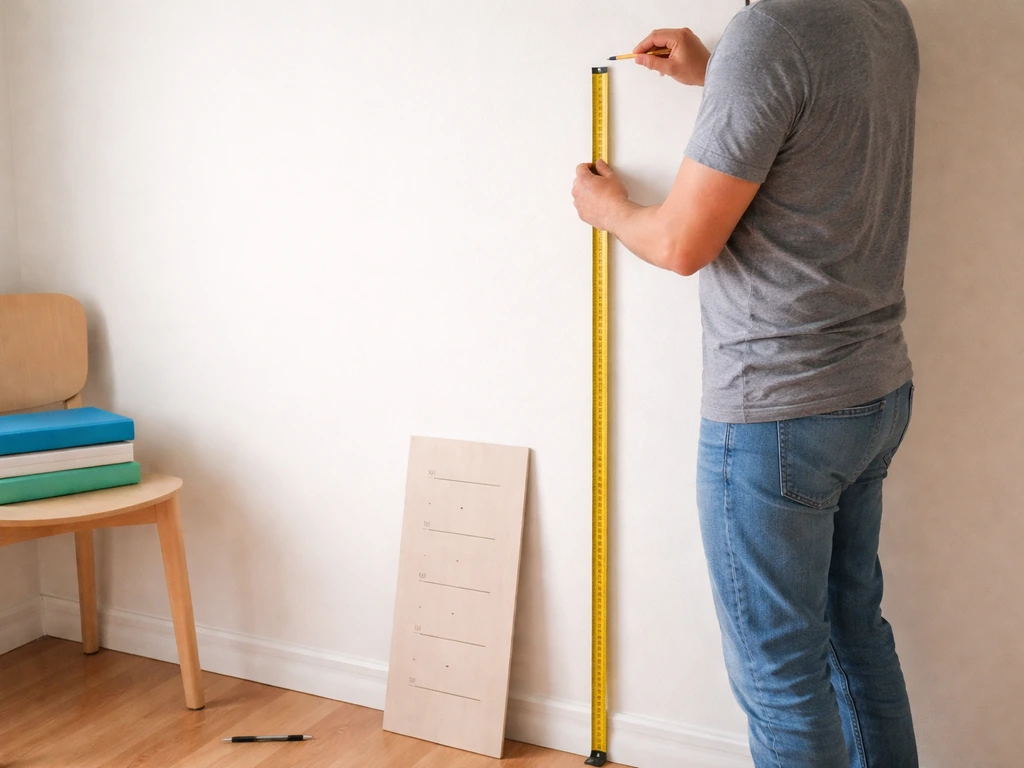
One practical tracking tip: measure your height first thing in the morning (when the spine is most decompressed) and at the end of the day, and note the difference. Most people are 1 to 2 centimeters taller in the morning. Tracking morning height consistently every 3 to 6 months gives you the most reliable signal of whether any growth is actually happening, which is also useful data to bring to a doctor.
The bottom line on quitting and growing taller
Quitting smoking is one of the best things a young person can do for their health, and for still-growing teenagers it genuinely removes a biologically real drag on height development. If you are wondering, do I have a chance to grow taller, the key is whether your growth plates are still open and how much active growth time you have left. But it is not a magic growth switch. If you are wondering about height and diet in general, the answer depends mostly on age and whether your growth plates are still open will i grow taller if i eat more. The science shows that smoking slows growth through direct effects on growth-plate cells, reduced blood flow, and hormonal interference. Quitting stops those mechanisms from continuing. Whether that translates into measurably more height depends on how much growing time you have left and how long you were smoking. The earlier you quit, the better. For adults, the height ship has sailed, but posture, lung function, and long-term bone density all improve after quitting in ways that matter more than most people realize. If you are wondering whether you have any growth potential left at all, that is a question worth exploring alongside this one, because the answer depends on where you are in your own development.
FAQ
If I quit smoking, how soon would I notice any increase in height?
In many cases you can see change in how tall you look within weeks (better posture, less shallow breathing, less “collapsed” chest), but skeletal height changes only if growth plates are still open. If your growth plates are closed, quitting will not add bone length, though your measured morning height may improve as spinal compression decreases.
If I already fell behind on my growth curve, does quitting still help me catch up?
If you are still growing, quitting helps you stop ongoing suppression, but it does not guarantee catch-up. A useful way to gauge your real odds is to ask for a bone age X-ray, then combine that with your growth history (how much you grew in the last 12 to 24 months). If growth velocity has already slowed, quitting may still help, but the ceiling is set by biology.
How reliable is a bone age X-ray for predicting whether I will grow taller after quitting?
A bone age X-ray estimates how much growth potential remains, but it does not predict your exact future height. Conditions like delayed puberty or constitutional growth delay can make someone appear “younger” on bone age, so doctors often interpret the result alongside puberty stage, growth velocity, and family height patterns.
If I switch to vaping or nicotine gum, will I still grow taller?
Yes, e-cigarettes and nicotine replacement can still matter because nicotine itself can affect growth-plate cells. If quitting is urgent, talk with a clinician about a plan that protects growth, especially for teens, and don’t assume “nicotine-only” products are automatically risk-free for height development.
Does it make a difference how long I smoked and how much?
The amount and timing of smoking exposure matter. Quitting earlier preserves more time while growth plates are active, and it prevents additional molecular suppression and reduced oxygen delivery. Heavy, long-term smoking may also cause broader health issues (sleep disruption, nutrient deficiencies) that can affect growth even after stopping.
What’s the best way to measure progress if I quit and want to know whether I’m really growing?
If you are worried about growth, don’t rely only on height at one point in time. Track morning and evening measurements for 3 to 6 months, and bring the log to your doctor. Large day-to-day changes are often posture and disc compression, while consistent upward or downward trends can reflect real growth.
What if withdrawal affects my sleep or appetite, could that block height gains even after quitting?
Quit plans sometimes fail because of withdrawal effects like irritability and sleep disruption. In still-growing teens, protect sleep as soon as you can, reduce nicotine exposure abruptly only if you can do it safely (clinician guidance), and use structured routines for meals and light exercise to stabilize appetite and nutrient intake.
If my growth plates are already closed, what can change after quitting for height-related goals?
For adults, the “no catch-up” rule applies to bone length once plates are fused. The upside of quitting is functional height improvements you can measure in posture and breathing, plus benefits for bone density over time. If you are an adult and want to track change, monitor standing posture (photographs or posture app) and how your morning-to-evening height difference changes.
What tests should I ask for besides a bone age X-ray?
If you are under 18 and smoking history is significant, a primary care clinician can order labs and check for common growth limiters. Ask about thyroid function, vitamin D status, celiac screening, and relevant puberty and growth markers, because treating a second cause can improve growth outcomes even if smoking is fully stopped.
Next Article
Sign You Will Grow Taller: Science-Based Clues and Tracking
Science-based signs you will grow taller, how to track height safely, and when to see a doctor for growth concerns