
No, you cannot change your genes to grow taller, at least not in any way that is currently safe, approved, or even remotely practical for a healthy person. Gene-editing tools like CRISPR exist, and therapies using them have been approved by the FDA, but only for serious diseases like sickle cell disease, not for increasing height in otherwise healthy people. That said, your genes do not fully determine how tall you end up.
Can You Change Your Genes to Grow Taller? What Works

Marcus Reeves
24 May 2026

They set a ceiling, but nutrition, sleep, and activity during your growing years heavily influence how close you get to that ceiling. If you are still growing, there is real, evidence-backed work you can do. If your growth plates have closed, your options are different but not zero.
Why gene editing for height is not a real option right now
The idea of editing your DNA to get taller sounds appealing, but it runs into several hard walls. First, height is not controlled by one or two genes you could simply switch on. A massive genome-wide study using UK Biobank data identified over 12,000 independent genetic variants associated with height, and even all of those together explain only about 40% of the variation in height among people. That means height is one of the most genetically complex traits we know of. You cannot just flip a switch.
Second, approved gene therapies are for specific diseases, not cosmetic or enhancement purposes. The FDA approved Casgevy, the first CRISPR-based therapy, for sickle cell disease. The FDA also approved Voxzogo (vosoritide) to increase linear growth in children with achondroplasia, a specific genetic bone disorder that causes dwarfism, but that is treating a disease, not enhancing height in a typical person. Recombinant human growth hormone (somatropin) is approved for conditions like growth hormone deficiency, Turner syndrome, and idiopathic short stature in specific clinical contexts, again not as a general height booster. None of this is available at a clinic for someone who just wants to be a few inches taller.
Third, even if you could theoretically edit height-related genes, you would need to alter thousands of variants across your entire genome, in every relevant cell, without causing off-target effects. The science is simply not there, and it is unlikely to be there for this purpose in your lifetime. Anyone selling you a gene therapy for height enhancement is either misleading you or operating outside any legitimate medical framework.
What your genes actually control in height growth
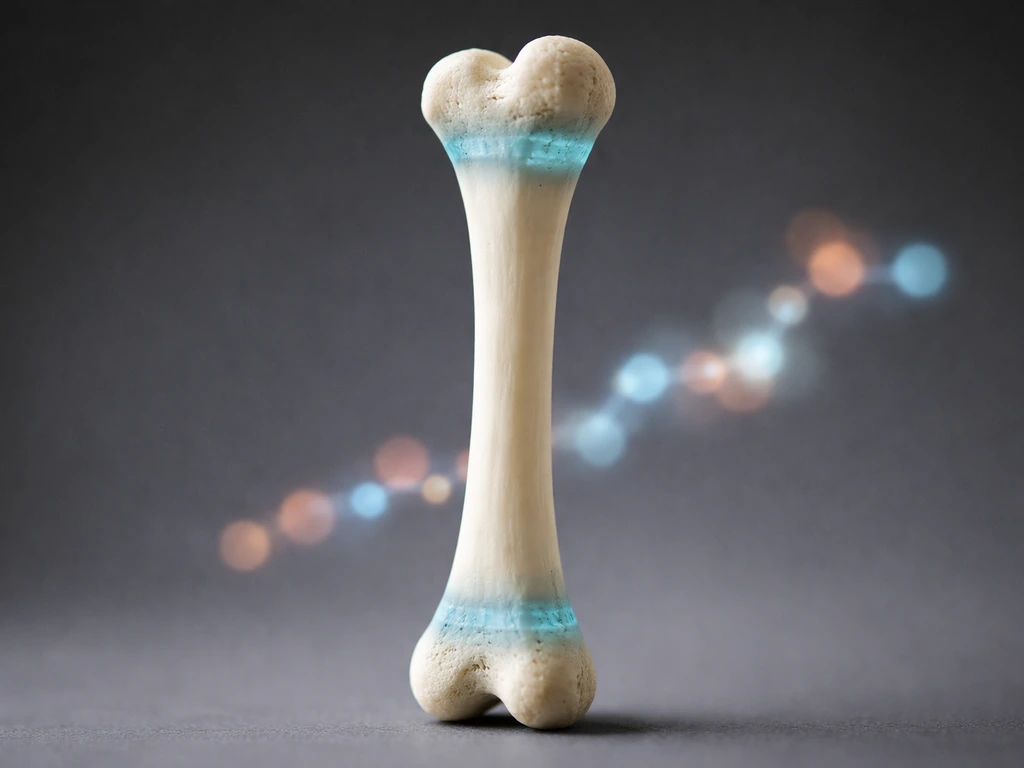
Your genes primarily influence height by regulating the growth plate system. Growth plates, also called epiphyseal plates, are cartilage discs near the ends of your long bones. Throughout childhood and adolescence, chondrocytes (cartilage cells) in these plates divide and multiply, and as they do, your bones get longer and you get taller. Your genes set the baseline activity level for this system, including how sensitive your growth plates are to hormones, how long they stay open, and when they close for good.
The main hormonal driver here is the GH/IGF-1 axis. Your hypothalamus releases growth hormone-releasing hormone (GHRH), which signals your pituitary gland to release growth hormone (GH). GH then stimulates your liver and local tissues to produce IGF-1, which directly acts on growth plate chondrocytes to drive bone elongation. Parathyroid hormone-related protein (PTHrP) also plays a regulatory role in keeping the growth plate functioning properly. Genetics heavily influences how responsive your cells are to all these signals.
Puberty adds another layer. Early in puberty, sex steroids amplify the GH/IGF-1 axis and trigger a growth spurt. But as puberty progresses, rising estrogen levels (in both males and females) stimulate epiphyseal closure, the permanent fusion of growth plates. Once those plates close, longitudinal bone growth stops, period. This is why the window for influencing height is tied so tightly to age and pubertal stage. Your genes largely determine the timing of all of this, but the environment you grow up in determines how well your body executes what the genes intended.
Nutrition: the most controllable growth factor
Chronic malnutrition is the single biggest environmental cause of stunted height globally. The WHO links stunting directly to insufficient food intake, diets lacking essential growth-promoting nutrients, and recurrent infections that impair absorption. This is not just a developing-world problem. Subtle nutritional gaps during adolescence can quietly blunt the growth you were genetically programmed to achieve.
Protein is the structural raw material for tissue and bone growth. The AAP emphasizes that protein is essential for growth and repair, particularly during adolescence. Calcium and vitamin D are non-negotiable for bone mineralization. The NIH recommends 1,300 mg of calcium per day for ages 9 to 18, and studies show that a substantial proportion of U.
S. adolescents fall short of this. Vitamin D recommendations sit at 400 to 600 IU (10 to 15 mcg) daily for children and teens, though many need more depending on sun exposure and baseline levels. Zinc supports cell division and growth hormone function, with the NIH listing higher requirements for teenage males than females.
Iron matters too, mainly because iron deficiency impairs oxygen delivery to tissues, which undermines every growth-related process happening in your body.
The practical takeaway: if you are a teen or the parent of one, the foundation is a varied whole-foods diet with adequate protein at every meal, dairy or fortified alternatives for calcium and vitamin D, and enough total calories to support the energy demands of growth. Restriction dieting during active growth years is one of the worst things you can do for height potential.
Sleep is when growth actually happens

Growth hormone is not released steadily throughout the day. It spikes in pulses, and the largest pulse reliably occurs during slow-wave (deep) sleep. Classic research published in JAMA documented that GH secretion is maximal during puberty and closely tied to slow-wave sleep stages. This is not a minor detail. Missing consistent deep sleep during your growth years is directly cutting into the hormonal output that drives bone elongation.
The American Academy of Sleep Medicine, backed by the AAP and the National Sleep Foundation, recommends that teenagers get 8 to 10 hours of sleep per night. The AASM-supported AAP pediatric sleep recommendation paper also provides recommended sleep durations by age group, including adolescents, to support optimal health recommended 8 to 10 hours of sleep per night for teenagers.
Younger children need even more. Research also shows that sleep deprivation affects the GH and IGF-1 response to exercise, meaning that even if you are training hard to support growth, poor sleep blunts the hormonal payoff. The relationship between sleep disruption and GH secretion is complex and varies by individual, but the consistent signal from the research is that prioritizing sleep during your growing years is one of the highest-return habits you can build.
Exercise and sports: what actually helps (and what is a myth)
The myth that lifting weights stunts growth in kids and teens has been thoroughly debunked. The AAP's 2020 clinical report on resistance training states clearly that well-designed programs have not been shown to negatively affect growth plate health, linear growth, or cardiovascular health in youth. The key phrase is 'well-designed.' Unsupervised lifting with excessive loads and poor form can cause growth plate injuries, particularly in the spine, but supervised, age-appropriate strength training is safe and beneficial.
What exercise actually does for height is indirect but real. Physical activity stimulates GH release, supports bone density and strength, and keeps the musculoskeletal system developing well. Organized sports and regular physical activity are broadly supported by the AAP as essential for healthy development. Swimming, basketball, and other sports that involve jumping and dynamic movement are popular choices among people trying to maximize growth potential, though there is no evidence that any single sport magically adds inches. The benefit comes from consistent activity, adequate recovery, and the systemic hormonal effects that follow.
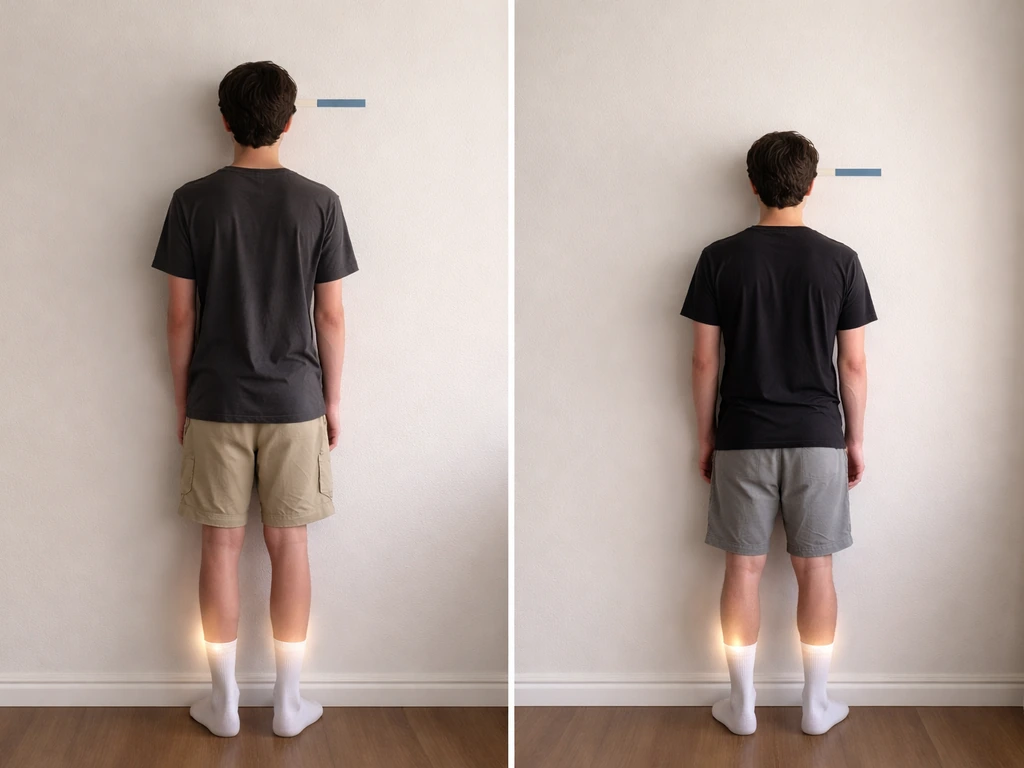
For adults, exercise will not reopen closed growth plates, but it does matter for measured height. Core and back strengthening, along with yoga or mobility work, can improve posture and spinal disc health. Poor posture and compressed spinal discs can subtract a noticeable amount from your standing height, and addressing them through consistent training can recover some of that.
Teens vs. adults: what is realistic at each stage
| Life Stage | Growth Plates | Height Still Possible? | Best Levers |
|---|---|---|---|
| Children (under ~12) | Open and active | Yes, substantial growth ahead | Nutrition, sleep, overall health, regular activity |
| Teens in active puberty | Open, approaching closure | Yes, final growth spurt window | Nutrition, 8-10hrs sleep, safe exercise, avoid caloric restriction |
| Late teens / post-puberty | Closing or closed (varies) | Minimal to none via growth plates | Assess bone age, posture, spinal health, realistic expectations |
| Adults (mid-20s+) | Fully closed | No longitudinal bone growth | Posture improvement, core strength, spinal disc health, medical eval if concerned |
The window that matters most is childhood through mid-to-late puberty, when growth plates are still open. Twins studies confirm that heritability of height during specific developmental periods is high, but the environment during those windows determines how fully the genetic program is expressed. For adults, questions about growing taller shift to measured height optimization through posture and musculoskeletal health, not actual bone elongation.
The question of whether it is possible to grow taller than your genetic potential, or taller than your parents, is closely related and worth exploring separately, but the short answer there is that environment rarely pushes you meaningfully beyond your genetic ceiling. The question of whether you can grow taller than your genetic potential, or grow taller than your parents, is closely related and worth exploring separately.
How to actually assess where you stand
If you or your child is concerned about height, the most useful first step is not a supplement or a protocol. It is a proper growth evaluation. The Endocrine Society recommends starting with a thorough history including family heights and pubertal timing, because many cases of short stature are familial (inherited shorter height) or constitutional delay (late bloomer), not a medical problem.
A bone age x-ray of the left hand and wrist is a standard tool. It shows how mature the growth plates are relative to the child's chronological age, and it gives a practical estimate of how much growing time is left. The Pediatric Endocrine Society also emphasizes growth velocity, the rate of growth over time, as a key indicator. Red-flag thresholds from the Merck Manual include growth velocity below 6 cm per year before age 4, below 5 cm per year between ages 4 and 8, and below 4 cm per year before puberty. If growth is tracking below these thresholds, a pediatric endocrinologist referral is appropriate.
CDC growth charts, which include stature-for-age percentiles, are the standard tool pediatricians use to track height patterns over time. A single measurement tells you less than a trend. If your child has consistently tracked at the 10th percentile but is growing steadily, that is very different from a child who was at the 50th percentile and has dropped significantly over two years.
Red flags that warrant a doctor visit sooner rather than later
- Growth velocity below age-appropriate thresholds (e.g., under 4 cm per year before puberty)
- Significant drop in height percentile on the growth chart over time
- No signs of puberty by age 13 in girls or 14 in boys
- Height significantly below both parents' expected range without explanation
- Symptoms suggesting an underlying condition: fatigue, chronic illness, poor appetite, digestive problems
If a medical cause is found, treatments do exist. Growth hormone therapy is approved for multiple specific indications and has been shown in randomized controlled trials to increase adult height in conditions like idiopathic short stature when growth plates are still open. These are medical decisions made with a physician based on growth data, bone age, and diagnosis, not something to pursue without proper evaluation. The Endocrine Society also notes that GH therapy carries potential side effects including hip pain (SCFE), scoliosis progression, and fluid retention, which underscores why this requires medical supervision.
The bottom line is that changing your genes to grow taller is not something available to you today or in the foreseeable future. But maximizing the height your genes intended you to reach is absolutely within reach if you are still in your growing years, and it comes down to doing the unglamorous basics consistently: eat enough of the right foods, sleep 8 to 10 hours, stay active safely, and get a proper evaluation if something seems off.
If you are pregnant and wondering, can you grow taller during pregnancy, it helps to know what growth potential is actually still possible after puberty. If you want to can you make yourself grow taller, focusing on the unglamorous basics in your growing years can make a real difference maximizing the height your genes intended you to reach.
If you want a clear sense of what is realistic for you, the next step is to compare your height with growth charts and a clinician’s assessment grow taller. Even if you are still growing, the most effective approach is to focus on evidence-backed nutrition, sleep, and activity rather than trying to force height changes directly grow taller. That is the real plan.
FAQ
If gene therapies exist, why can’t a doctor use them to make someone taller anyway?
Only through clinical, disease-specific indications. Even approved genetic or hormone treatments are not meant for cosmetic height changes, and for otherwise healthy people they are not available as a legitimate height-enhancement option. If anyone offers “gene editing for height” to healthy clients, treat it as a red flag and ask what diagnosis the therapy is approved for and who is prescribing it.
Will taking supplements make my child grow taller?
The safest “supplements” are usually the ones that fix a known gap, like calcium or vitamin D if labs or diet suggest deficiency. Random pill stacking is unlikely to increase bone length, and too much of certain nutrients (especially vitamin D) can be harmful. The practical approach is to review diet first, then ask a clinician whether testing is warranted for your situation.
Can adults still grow taller after puberty, even without growth plates?
If growth plates are closed, true height gain from bone elongation is essentially not possible. However, adults can sometimes appear taller because posture, spinal disc health, and muscle balance affect measured standing height. Consistent core and upper-back strengthening plus mobility work can restore some lost height from slouching.
Do stretching, posture exercises, or height gummies actually add inches?
Height supplements and “stretching protocols” rarely increase actual bone length. They may change posture temporarily, which can change how tall you look when measured, especially if you slouch. If you want to track progress, measure at the same time of day with the same method (often morning for consistency).
How do I know whether my child’s height is truly a concern versus normal variation?
A single growth measurement is misleading. A better signal is growth velocity over time, using consistent height measurement technique and tracking percentiles across at least 6 to 12 months. If a child crosses percentiles downward or growth slows noticeably, that matters more than being short “once.”
How can we tell if my child is just a late bloomer or has a medical problem?
Late bloomers can look short early, but they typically catch up later if their growth pattern stays consistent. That is why endocrinologists look at pubertal stage, bone age, and growth velocity together, not height alone. If puberty seems delayed, ask specifically whether the pattern fits constitutional delay versus something requiring treatment.
What diet mistakes most often limit height potential during adolescence?
Food restriction during active growth years can reduce growth potential by lowering available energy and essential nutrients, even if the child is not obviously underweight. If you are dieting to “lean out,” shift to healthy fueling (enough calories and protein), especially during school-age and teen years. Avoid chronic calorie deficit, because that is a common hidden cause of slower growth.
Is it safe for teens to lift weights if they want to maximize growth?
Weightlifting is not automatically dangerous for growth, but the issue is program design. Seek supervised, age-appropriate training, focus on technique, avoid excessive loading and risky exercises, and use recovery time. If there is back pain, pain that worsens with loading, or neurologic symptoms, stop and get evaluated.
What kind of exercise helps most with height during the growth years?
Yes, but only indirectly, and most “exercise for height” claims are overhyped. Activity supports normal growth by improving general health, maintaining bone density, supporting the GH/IGF-1 system, and building strength and appetite. The best strategy is consistent sports or physical activity plus adequate recovery and sleep, rather than chasing a specific routine.
Does early or late puberty affect how tall someone can get?
Normal puberty timing matters because the window for longitudinal growth depends on where a person is in puberty. If puberty starts much earlier or later than expected, growth spurts and growth plate closure can shift. Discuss pubertal timing with a clinician, especially if height changes seem out of sync with development.
Next Article
Can You Grow Taller During Pregnancy? What’s Real
Learn if you can grow taller during pregnancy and how to look taller safely with posture, support, and comfort tips.