
Yes, it is possible to grow taller, but whether it applies to you right now depends almost entirely on one thing: whether your growth plates are still open. Can you grow taller than your parents depends on the same biology, especially whether your growth plates are still open. In many cases, you can influence growth mainly through your health habits rather than by changing your genes to grow taller can you change your genes to grow taller. For children and teenagers, meaningful height gains are genuinely within reach, and the right habits can help you reach closer to your genetic ceiling. For most adults whose growth plates have closed, true bone-length increases aren't happening naturally. That doesn't mean you're stuck, posture, spinal health, and overall wellbeing all affect how tall you appear and feel, but it does mean the conversation is different. Here's how to figure out where you stand and what to actually do about it.
Is It Possible to Grow Taller? What Works by Age


What 'growing taller' actually means at different ages
Growth isn't one continuous process. It changes dramatically depending on your stage of life, and understanding those stages saves you from chasing solutions that simply don't apply to you.
Childhood: steady and predictable

From around age 3 through the start of puberty, children grow at a relatively steady clip of about 5 to 6 centimeters per year (roughly 2 inches). This is slow compared to what's coming, but it's consistent, and pediatricians track it carefully. If a child falls off their growth curve during this window, it's often the first signal that something, nutrition, hormones, or an underlying health issue, deserves a closer look.
Puberty: the big growth window
Puberty is when the real action happens. At peak height velocity, boys average around 10.5 cm of growth per year (about 4 inches) and girls around 9.0 cm per year (about 3.4 inches). This is the window where lifestyle factors, sleep, nutrition, overall health, have their largest measurable impact on final height. After this surge, growth slows sharply, and the window begins to close.
Adulthood: a different kind of 'growing taller'
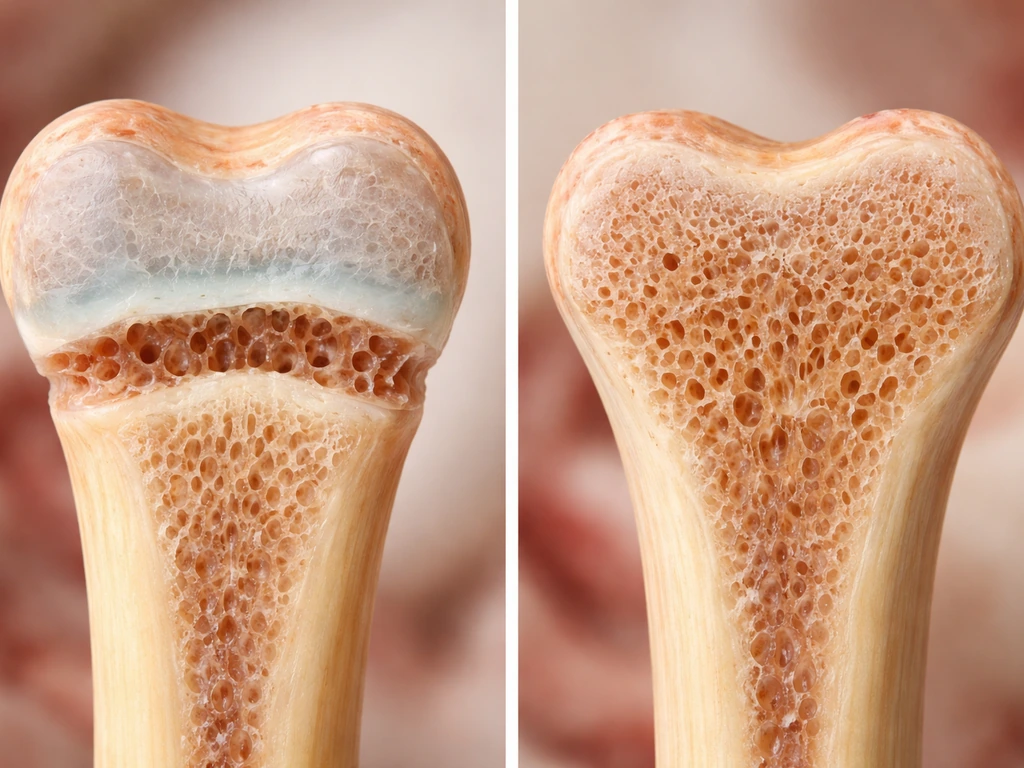
Once puberty ends and growth plates fuse, bones stop lengthening. For most people, this happens in the late teens, slightly earlier for girls, slightly later for boys. What adults can realistically work on is appearing taller through posture and spinal health, and preventing the gradual height loss that comes with age (especially relevant for postmenopausal women). That's still worth doing, but it's a different goal than actually adding centimeters to your skeleton.
Can you grow taller naturally, what's realistic for your age
The most honest answer: if you're a child or adolescent who hasn't finished puberty, yes, there's real growth potential left, and the choices you make now genuinely matter. If you're an adult with fused growth plates, natural methods won't add bone length. Here's a quick framework to orient yourself:
| Life Stage | Growth Plate Status | Height Gain Possible? | Best Focus |
|---|---|---|---|
| Child (under ~10) | Open | Yes — steady ~5–6 cm/yr | Nutrition, sleep, overall health |
| Adolescent (puberty) | Open but closing | Yes — up to ~10 cm/yr at peak | Maximize all lifestyle factors now |
| Late teen (~17–19) | Closing or closed | Possibly small gains remaining | Get bone age assessed; optimize health |
| Adult (20+) | Closed | No new bone length naturally | Posture, spine health, prevent height loss |
The only reliable way to know whether you still have growth potential is a bone age X-ray, a left hand and wrist radiograph compared against standardized atlases like Greulich-Pyle or Tanner-Whitehouse. Clinicians use this to estimate remaining growth potential with reasonable accuracy (typical prediction error is around 2.7 to 3.3 cm depending on age and sex). If you're a teenager and genuinely unsure whether you've finished growing, this is worth asking a doctor about.
Genetics and growth plates: the two biggest limits
Height is one of the most heritable traits we know of. Twin and family studies put the genetic contribution to height variation at roughly 80%, with estimates in the research literature ranging from 30% to 90% depending on the population and method. What that means practically: your genes set a ceiling. Good nutrition and sleep help you reach that ceiling; they can't push you past it. It's also worth noting that growing taller than your parents is biologically possible, genetic height potential involves contributions from both sides of a family tree, not just a simple average.
Growth plates, also called epiphyseal plates or the physis, are the regions of cartilage near the ends of your long bones where actual lengthening happens. Bone grows through a process called endochondral ossification: cartilage cells in the growth plate proliferate, enlarge, and are gradually replaced by bone. This continues as long as the plate is open. The closing of growth plates is driven primarily by sex hormones: estrogen (and in males, estrogen converted from testosterone) triggers the gradual fusion that ends height growth. Once fused, those plates become a solid line of bone and won't reopen. No supplement, stretch, or exercise changes that.
Puberty timing also plays a role in how growth unfolds. Earlier puberty compresses the pre-pubertal growth period and shifts the growth curve earlier, while later puberty extends it. Final height outcomes can be similar between early and late maturers in healthy cohorts, but the trajectory and timing look very different along the way.
The levers that actually work: nutrition, sleep, and overall health
These factors matter most during childhood and adolescence, when growth plates are open. They don't override genetics, but chronic deficiencies absolutely can suppress growth below your genetic potential.
Nutrition: what the evidence says

A systematic review of nutritional interventions in children beyond age 2 found that protein, zinc, vitamin A, and multiple-micronutrient interventions showed statistically significant positive effects on linear growth. Protein had the largest effect size (around 0.68), followed by multiple micronutrients (~0.26), zinc (~0.15), and vitamin A (~0.05). On the other hand, iron, calcium, and iodine supplementation did not show significant effects on height in those analyses, a reminder that more supplementation isn't always better, and that deficiency is what matters. If you're already getting enough of a nutrient, adding more won't make you taller.
Calcium supplementation in healthy children without deficiency has not been shown to affect height in randomized controlled trial evidence. Vitamin D is a nuance worth noting: in children who are actually deficient, vitamin D replacement has been associated with improved growth velocity. But routine vitamin D supplementation in well-nourished kids doesn't appear to boost height. The practical takeaway is: eat enough calories and enough protein, address any known deficiencies, and focus on whole-food dietary quality rather than stacking supplements.
Sleep: when growth hormone does its job
Growth hormone is released in pulses, and the largest of those pulses happens during the second half of the night, tied directly to deep sleep stages. Chronic sleep deprivation during childhood and adolescence is a genuine concern for growth, not because a single bad night tanks your GH output (research suggests one disrupted night doesn't clearly reduce GH production), but because consistently poor sleep over months and years affects the hormonal environment that drives growth. Kids and teenagers need 9 to 11 hours; this isn't optional if maximizing growth potential is the goal.
Overall health and weight
Chronic illness, high levels of stress, and being significantly underweight can all suppress growth in developing children and teens. Excess adiposity during puberty can actually accelerate growth plate closure in some cases, potentially reducing final height. Keeping a growing child generally healthy, managing chronic conditions, avoiding unnecessary stress, and maintaining a healthy body weight, supports the full expression of their height potential.
Exercise and posture: what helps vs what won't change bone length
This section deserves honesty, because there's a lot of misinformation out there. Let's separate what's real from what's wishful thinking.
What exercise can do
In children who are still growing, weight-bearing and jumping exercise may have a modest positive effect on height. One randomized controlled study testing a 24-week jumping exercise program in children with short stature reported a height gain difference of about 4.2 cm compared to the control group, alongside improvements in bone mineral density. This is promising, though it's worth noting the context was children with short stature during active growth. Plyometric and weight-bearing exercise stimulates growth plate activity and bone formation in growing children, and staying active is unambiguously good during the growth years.
What exercise cannot do
For adults with closed growth plates, no exercise program will lengthen your bones. Period. Plyometric training can improve jump performance and muscle function, but that's not the same as adding centimeters to your skeleton. The physiology is straightforward: once endochondral ossification at the growth plate has ended, there's no biological mechanism for bones to get longer through exercise.
Posture: a real and underrated factor
Poor posture, rounded shoulders, forward head position, anterior pelvic tilt, can subtract noticeable height from how you actually appear and feel. Strengthening the posterior chain (back extensors, glutes, hip stabilizers) and improving spinal mobility can help you stand at your true height rather than a compressed version of it. Core and back exercises, yoga, and consistent mobility work all contribute here. It's not 'growing taller' in the bone-length sense, but it's a practical and legitimate way to improve height appearance and prevent the gradual height loss that comes with aging and spinal compression.
Medical options when height growth is still on the table
If a child or adolescent is growing below expected velocity, or if there's a suspected growth disorder, medical evaluation is the right move, not supplements or internet protocols. The clinical workup typically includes serial height measurements, growth velocity calculations, and a bone age X-ray to assess how much growth potential remains. If growth plates are still significantly open and velocity is low, there are legitimate medical options.
Growth hormone therapy
Recombinant growth hormone therapy is an established medical treatment for diagnosed conditions including growth hormone deficiency, Turner syndrome, and a few other specific diagnoses. It's not a general height-boosting treatment for kids at the short end of normal. In Turner syndrome, for example, GH therapy can produce about 3 cm of growth in the first year, with approximately 2 cm per year after that, with average total height gains from predicted adult height reported around 7 to 8 cm in well-designed studies. These are meaningful gains, but they happen under close medical supervision, with the right diagnosis, and while growth plates are still open. Once growth plates close, GH therapy doesn't add height.
Evaluating delayed puberty and other factors
Delayed puberty can extend the growth window, which sometimes means a teen who seems short at 16 hasn't finished growing yet. Evaluating this requires ruling out underlying causes, nutritional deficiencies, chronic illness, hormonal issues, and sometimes monitoring rather than treating is the right approach. The point is: if you or your child has concerns about growth, a pediatric endocrinologist is the right person to consult, not a supplement company.
A word on supplements and height-growth products
The supplement market is full of products claiming to boost height in adults. There's no credible evidence that any supplement increases bone length after growth plate fusion. Many lean on amino acids, herbal extracts, or generic 'growth factors', none of which can reopen fused growth plates. If you're an adult spending money on height supplements, you're being misled. Save your money and focus on the things that actually matter for how you feel and function.
Building your personal plan: what to do right now
Where you start depends on your age and what you actually know about your growth status. Here's a practical framework.
Step 1: Figure out where you actually are

- Are you still in puberty or recently finished? If you're under 18 and unsure whether you've stopped growing, talk to your doctor about a bone age assessment (left hand and wrist X-ray). This is the most reliable way to estimate remaining growth potential.
- If you're an adult (20+), assume your growth plates are closed unless you have a specific reason to think otherwise. Redirect your focus to posture, spinal health, and overall wellbeing.
- If you're a parent concerned about a child's growth: track their height every 3 to 6 months and bring those measurements to their pediatrician. Falling off a growth curve is a more meaningful signal than being short at one point in time.
Step 2: Optimize the basics if you're still growing
- Eat enough total calories and prioritize protein — aim for adequate daily protein intake from whole food sources like meat, fish, eggs, legumes, and dairy.
- Address any known nutritional deficiencies, especially zinc and vitamin D, through diet first and supplementation if a deficiency is confirmed by a blood test.
- Get 9 to 11 hours of sleep per night (children and adolescents) — not as a general wellness tip, but because GH pulses during sleep are directly tied to growth.
- Stay physically active with weight-bearing exercise and sports, especially during puberty.
- Manage any chronic conditions that could suppress growth, and talk to a doctor if growth seems to have stalled.
Step 3: If you're an adult, focus here instead
- Work on posture consistently: strengthen your back extensors, core, and glutes; stretch hip flexors and chest; reduce time in hunched positions.
- Consider yoga or Pilates for combined spinal mobility and postural muscle activation.
- Maintain bone density through weight-bearing exercise and adequate calcium and vitamin D intake — not to grow taller, but to prevent the height loss that comes from vertebral compression with age.
- Skip the height supplements — spend that money on a gym membership or a good mattress instead.
When to see a doctor
See a pediatrician or pediatric endocrinologist if: a child's growth velocity has dropped below the expected range for their age, if a teenager shows no signs of puberty by age 14 (boys) or 13 (girls), or if you've noticed a significant unexplained slowdown in growth. Adults who have concerns about ongoing growth or who experienced growth problems in childhood can also benefit from a one-time consultation to understand their history. The bottom line is that if there's genuine growth potential remaining, you want to know, and a medical professional with a bone age X-ray can tell you far more reliably than any at-home test or symptom checklist.
The question of whether you can grow taller is a genuinely answerable one, but the answer depends on biology, not willpower or the right supplement stack. If you're wondering whether you can make yourself grow taller, the key first step is figuring out if your growth plates are still open. If the window is open, the levers are real and worth using. If you are asking can you grow taller than your genetic height, the key is whether your growth plates are still open and whether you're still in the years where you can close the gap. If it's closed, the most useful thing you can do is stand tall, stay strong, and stop chasing something that isn't physiologically possible. If you're wondering can you grow taller during pregnancy, it helps to remember that growth plates typically close after puberty, so any changes are usually posture or swelling rather than new bone length. Both are honest, actionable places to be.
FAQ
Is it possible to grow taller after 18, even if I feel like I’m still “not done” growing?
Sometimes. A portion of late teens still have growth plates that are not fully fused, especially if puberty was delayed. The practical step is asking for a bone age X-ray, then discussing predicted remaining growth with a pediatric endocrinologist rather than assuming 18 means zero growth.
What’s the most reliable way to check whether my growth plates are open?
A bone age assessment from a left hand and wrist X-ray interpreted against standard atlases. At-home height tracking is useful for pattern recognition, but it cannot confirm growth plate status or remaining centimeters as reliably as imaging.
Can stretching or hanging from a bar make my bones longer?
No, stretching and hanging cannot reopen fused growth plates or add bone length. What they can change is posture and spinal decompression for temporary height, which may improve how tall you look but does not increase your skeletal length permanently.
If I’m an adult, can exercise still help me look taller?
Yes. Strengthening the posterior chain and improving spinal mobility can reduce common posture-related height loss, and staying active can help maintain healthy movement patterns. The goal is better appearance and function, not new bone growth.
Does sleep affect height only during childhood, or does it matter for teens too?
It matters for teens as well. Growth hormone release is tied to deep sleep stages, and chronic short sleep over months and years can alter the hormonal environment. Aim for the recommended 9 to 11 hours for adolescents, because occasional bad nights are less meaningful than consistent sleep restriction.
Can I “catch up” in height if I had poor nutrition earlier?
You may be able to improve growth velocity in the remaining growth window, but you cannot guarantee full catch-up. The key is identifying current deficiencies and overall calorie and protein adequacy, then checking growth velocity compared with peers. If growth is persistently low, medical evaluation is important.
Are supplements helpful if I’m already eating fairly well?
Usually not for height. If your intake is already adequate, extra supplements typically do not translate into increased linear growth because deficiency is the driver of growth suppression. The safer approach is targeted correction after a clinician evaluates your diet and any suspected deficiency.
Which nutrient deficiencies are most likely to affect growth, and when should I get tested?
Deficiencies that affect energy availability and bone growth, such as inadequate protein or micronutrients, can suppress growth. If growth velocity is low or symptoms suggest a deficiency, ask a clinician about appropriate labs rather than starting multiple supplements on your own.
If my child is short, does that automatically mean something is wrong?
Not always. Many children are constitutionally short and follow a normal curve. What matters is growth velocity over time and whether measurements track their expected percentile. A pediatrician may still recommend evaluation if the curve drops or crossing percentiles suggests a problem.
My child’s growth seems to have slowed. What’s a common mistake people make?
A common mistake is focusing on one-time height or relying on adult-style advice like generic “growth” supplements. Instead, clinicians look at serial measurements, growth velocity, and bone age if needed, because a single data point can be misleading.
Could being overweight make a child shorter in the long run?
It can affect growth timing. Excess adiposity during puberty may accelerate growth plate closure in some cases, potentially reducing final height. This doesn’t mean weight must be perfect, but it does mean healthy weight management and clinician-guided monitoring matter.
Does jumping or weight-bearing exercise increase height for adults?
No for bone length. It may improve strength, bone density, and posture-related appearance, but it cannot extend adult long bones once growth plates have fused. If the goal is height appearance, posture and core strength are usually the more relevant targets.
What about growth hormone therapy for someone who is just short but otherwise healthy?
Growth hormone is not a general height booster. It is used for specific medical diagnoses under specialist care, after confirming the condition and checking remaining growth potential. For short stature within the normal range, therapy is usually not indicated.
Can delayed puberty help me grow taller later, or is it always a problem?
Delayed puberty can extend the growth window, which sometimes allows additional height gain compared with peers who mature earlier. That said, it should be evaluated to rule out underlying issues like chronic illness or nutritional problems, and to decide whether monitoring alone is enough.
If I’m pregnant or planning pregnancy, can I grow taller during pregnancy?
In most cases, growth plates are already closed, so new bone length does not occur. Changes during pregnancy are usually related to posture, spinal mechanics, and fluid shifts (swelling), so “taller” is typically temporary or appearance-related.
Is it realistic to expect to be taller than my parents?
Yes, it can be. Genetic height potential comes from multiple contributors across both sides of the family, not just the average of two parents. Even when you cannot exceed your ceiling, you can still vary around it depending on growth timing and how well you support healthy development.
What Amino Acids Make You Grow Taller
Know which amino acids support growth via protein and IGF-1, why they can’t extend height after closure, and practical t