
Whether you can make yourself grow taller depends almost entirely on one thing: whether your growth plates are still open. If you're a teenager who hasn't finished puberty, yes, you can meaningfully support your growth through nutrition, sleep, and avoiding things that suppress it. If your growth plates have fused, which typically happens by the late teens, true bone-length gains are not achievable through lifestyle habits, supplements, or over-the-counter products. That's not a discouraging opinion, it's just physiology. What you can change after that point is posture and, in extreme cases, surgical options, but those are very different things from actually growing taller.
Can You Make Yourself Grow Taller? What Works and What Does Not

Marcus Reeves
3 May 2026
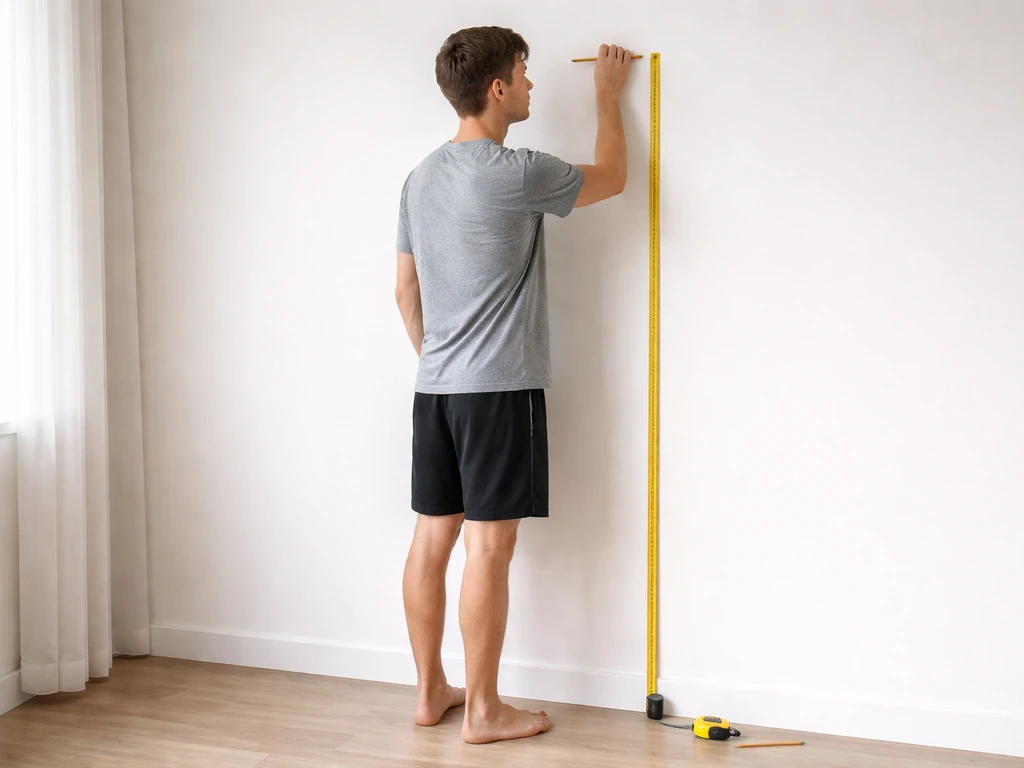
How height actually increases: growth plates and hormones
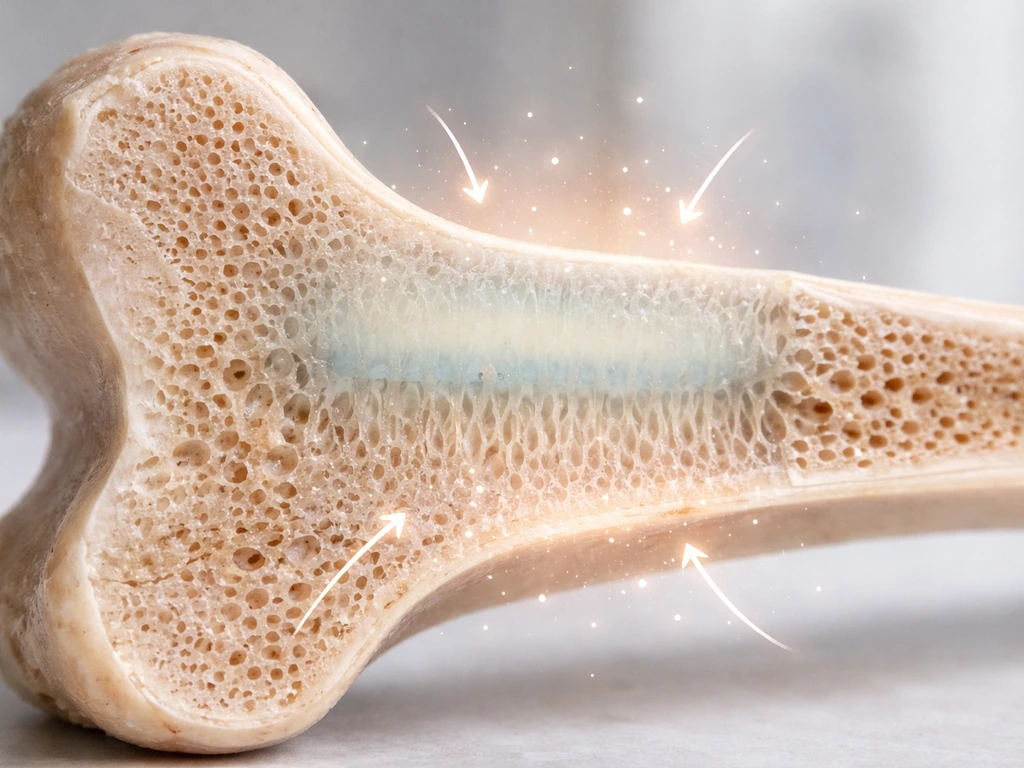
Height comes from the lengthening of your long bones, and that lengthening only happens at specific sites called epiphyseal growth plates (also called the growth plates or physes). These are cartilage-rich zones near the ends of bones like the femur and tibia. Cartilage cells in the growth plate multiply and enlarge, and that tissue gradually mineralizes into bone, pushing the bone ends farther apart. That's literally how you get taller.
The whole process is driven by a chain of hormonal signals. Growth hormone (GH), released from the pituitary gland, stimulates the liver to produce insulin-like growth factor 1 (IGF-1), which is the main driver of growth plate activity. Thyroid hormone and glucocorticoids also regulate growth plate function, while sex steroids (estrogen and testosterone) first accelerate growth during puberty and then gradually close the plates. This is why your biggest growth spurts happen in puberty, and also why puberty eventually ends your ability to grow taller.
Once growth plates fuse, the cartilage becomes bone and there's nothing left to lengthen. Bone remodeling continues throughout life, but it doesn't add length. This is the hard biological boundary that any honest conversation about growing taller has to start with.
Can you grow taller at different ages?
Children and early adolescents
Before and during early puberty, growth plates are wide open and active. Children typically grow around 6 cm per year during childhood. This is the phase where nutrition, sleep, and general health have the clearest impact on actual height. Deficiencies in protein, calories, or key micronutrients during this window can genuinely limit how tall someone ends up. Supporting growth here isn't hype, it's real.
Teenagers in puberty
This is the most dramatic growth phase. Boys can grow more than 10 cm in a single year at peak velocity, typically around ages 13 to 14. Girls have their peak slightly earlier, and girls can expect roughly 5 to 7.5 cm (about 2 to 3 inches) after their first period, after which growth slows considerably and typically plateaus within two or more years post-menarche. The puberty growth spurt accounts for around 15 to 25 percent of total adult height. Teenagers still in this window have a genuine opportunity to support their growth through evidence-based habits.
One thing worth knowing: early puberty can actually shorten the overall growing window. Faster bone maturation means growth plates may close sooner, which can reduce final adult height even though initial growth looks fast. This is why bone age, assessed from a hand or wrist X-ray, matters more than calendar age when estimating remaining growth potential.
Adults

Growth plates in the hands and wrists typically close by around age 17 in females and age 19 in males, with long bone plates following a similar timeline. Once that's done, you cannot grow taller through any lifestyle habit, supplement, pill, or injection sold over the counter. If you are worried about whether your growth plates are still open, you can read more about is it possible to grow taller and what that means for your remaining potential.
In most cases, you cannot change your genes to grow taller, but you can support your height with habits that help your growth plates do their job while they are still open change your genes to grow taller? . Adults who feel shorter than they used to be, or who want to appear taller, are dealing with a completely different set of factors, posture, spinal compression, and structural alignment, none of which involve actual bone growth.
Can you grow taller during pregnancy? In most cases, pregnancy does not reopen growth plates, so you should expect no true bone-length increase, though posture and body changes may affect how tall you feel or measure. The question 'can you grow taller than your genetic height' is related here, and the honest answer for adults is that without medical intervention, no lifestyle change will extend bone length.
What 'artificial' height growth actually means
When people ask about artificially growing taller, they're usually thinking about things like growth hormone injections, supplements, height pills, or traction devices. It's worth sorting through these clearly, because the marketing around them is aggressive and frequently misleading.
| Method | Does it work? | Who it's for | Risks / Notes |
|---|---|---|---|
| Prescription growth hormone (GH) | Yes, in diagnosed deficiency or specific medical conditions | Children with GHD, Turner syndrome, SHOX deficiency, and similar; not healthy adults | Only legal with a doctor's prescription; significant cost and monitoring required |
| OTC 'HGH' pills and sprays | No reliable evidence | Marketed to anyone, but no proven benefit | FTC has taken action against sellers; FDA says HGH cannot legally be a dietary supplement |
| Height supplements / growth pills | No evidence for healthy individuals | Usually marketed to teens and parents | Not regulated for effectiveness; often just vitamins in a proprietary bottle |
| Traction / stretching devices | No credible evidence for bone lengthening | Marketed broadly online | May temporarily decompress spine but no lasting height gain |
| Limb-lengthening surgery | Yes, real bone lengthening | Adults seeking cosmetic height gain or correcting leg-length discrepancy | Major surgery with serious risks including infection, joint problems, long recovery |
Prescription growth hormone is approved for specific short-stature diagnoses including Turner syndrome, Noonan syndrome, SHOX deficiency, and children who are small for gestational age without catch-up growth, among others. It is not a general height booster. The FDA is explicit that HGH is not a legal dietary supplement, and distributing it without a prescription is a criminal offense, the DOJ has prosecuted sellers who claimed their products were for 'research purposes only.' If you're seeing HGH products sold online without a prescription, they're either illegal, counterfeit, or both.
Evidence-based habits that actually support growth
If your growth plates are still open, the following habits give your body the best environment for reaching your genetic potential. They won't make you taller than your genes allow, but they can prevent you from falling short of them.
Nutrition: get the basics right
Adequate total caloric intake and protein are the most important nutritional factors for linear growth. Chronic undernutrition is a well-established cause of stunted height. Protein supplies the amino acids needed for bone matrix formation, and sufficient calories prevent the body from entering a catabolic state that would suppress growth hormone activity.
Calcium and vitamin D are often pointed to as height-building supplements, but the evidence is more nuanced. A systematic review of 17 randomized trials found no meaningful height benefit from calcium supplementation in children and adolescents who were not deficient. Similarly, vitamin D supplementation did not show clear benefit for linear growth in most analyses of non-deficient children. The takeaway isn't 'don't worry about calcium or vitamin D', it's that if you're already meeting your dietary needs, adding more won't make you taller. If you are genuinely deficient, correcting that deficiency matters. Food sources like dairy, lean proteins, and vegetables cover these bases for most people eating a reasonably varied diet.
Sleep: when growth hormone actually spikes
Growth hormone is released in pulses, and the largest pulses happen during deep (slow-wave) sleep. Teenagers need 8 to 10 hours of sleep per night, and that's not just a wellness recommendation, it's physiologically relevant to how much GH your pituitary releases during the night. Chronically short or disrupted sleep blunts GH output. If you're a still-growing teenager staying up until 2 a.m. every night, that's one of the most practical and free things you can fix to support your growth.
Exercise: what helps and what to avoid
Regular physical activity supports healthy GH secretion and overall musculoskeletal development. There's no specific 'grow taller' exercise, despite what you'll find online. General fitness, running, swimming, cycling, strength training appropriate for age, supports healthy growth without harm. What you want to avoid during active growth phases is excessive compressive loading on growth plates from high-volume, heavy weight training, especially if form is poor. Growth plates are weaker than the surrounding bone during childhood and adolescence, and injuries to growth plates can disrupt normal growth. Age-appropriate, supervised strength training is fine, just don't max out lifts on a still-developing skeleton.
Posture vs. true height: what's actually changeable
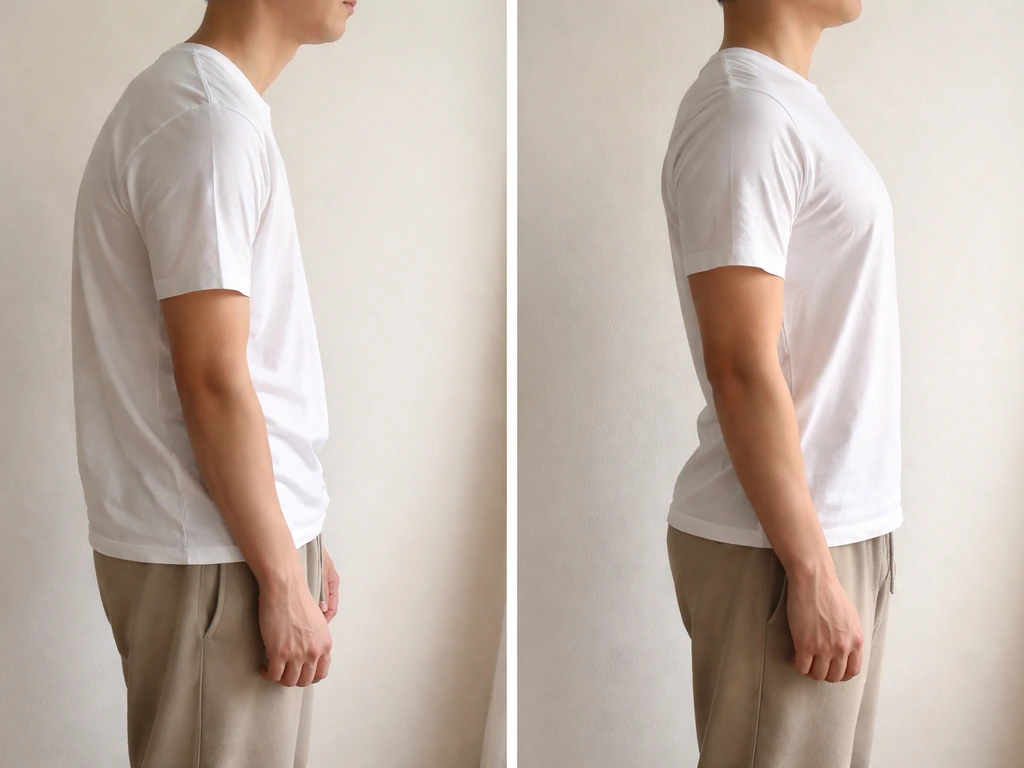
A lot of what gets sold as 'grow taller' advice is really about posture, and it's worth separating those two things clearly. Improving your posture, reducing thoracic kyphosis, engaging your core, standing with better spinal alignment, can genuinely change how tall you appear and even how tall you measure at a given moment. Spinal compression from slouching, poor alignment, or structural curvature can reduce standing height by a visible amount. Correcting scoliosis or chronic poor posture can recover some of that measured height.
But that's not growing taller. You're not lengthening bone, you're improving how fully your existing skeleton is expressed in your standing height. The distinction matters because if someone sells you a posture device and calls it a height-growth tool, they're conflating two completely different mechanisms. For adults especially, posture work is real, useful, and worth doing, just don't expect it to add two inches to your bone length.
On the extreme end, limb-lengthening surgery does produce real bone-length gains. Most patients undergoing femur lengthening gain around three inches. But the procedure involves cutting the bone, applying an external or internal device that slowly separates the bone ends as new bone fills in the gap, and a recovery measured in months. Complications include pin-site infections, joint problems, and nerve injury. This is a legitimate medical procedure for certain cases, leg-length discrepancy, short stature conditions, or cosmetic lengthening in adults, but it is major surgery and not a casual option.
When to see a doctor about height
Most short people are short because of genetics, not a treatable medical condition. But there are specific situations where a pediatrician or pediatric endocrinologist is worth seeing.
- A child is growing significantly more slowly than peers and falling off their growth curve over time
- Height is well below what both parents' heights would predict
- There are signs of delayed puberty or other hormonal symptoms
- Growth stopped very early or very abruptly
- There's a known condition associated with short stature (Turner syndrome, hypothyroidism, chronic illness, etc.)
The diagnostic workup for growth concerns typically includes measuring growth velocity over time, assessing bone age via a wrist X-ray (because bone age reflects biological maturity better than calendar age), and blood tests including IGF-1 and IGFBP-3 interpreted relative to pubertal stage. A diagnosis of growth hormone deficiency isn't just 'your IGF-1 is low', it involves a clinical picture including growth criteria, medical history, and sometimes imaging of the pituitary gland.
In children with confirmed GHD or an approved short-stature diagnosis, prescription GH treatment is a genuine medical option with established protocols. The Endocrine Society notes that children with growth hormone deficiency respond well to treatment and typically reach adult height within the normal range, while other short-stature indications may improve adult height but may not reach parents’ heights prescription GH treatment is a genuine medical option with established protocols.
For adults concerned about height, the medical conversation shifts. Genuine adult growth hormone deficiency (usually from pituitary damage or disease) is a recognized condition with treatment guidelines, but it doesn't cause adults to grow taller, it addresses other metabolic effects of GH deficiency. Adults who simply want to be taller have the option of discussing limb-lengthening surgery with an orthopedic surgeon, understanding the full picture of risks and recovery involved.
Realistic expectations and how to avoid being scammed
If you are still growing, optimizing sleep, eating enough protein and calories, and staying generally active gives your body the best shot at reaching your genetic ceiling. That ceiling is largely set by your parents' heights, though it's not a strict limit, factors like nutrition and health during childhood can push you modestly above or below it. The question of whether you can grow taller than your parents is worth exploring separately, but the short version is: it's possible, especially if they had nutritional or health disadvantages growing up.
If you are done growing, the landscape is different. No supplement, pill, spray, stretching routine, or device sold online will add length to your bones. The FTC has specifically targeted sellers of OTC 'HGH' products, stating it is not aware of reliable evidence that those products provide growth hormone benefits. The FDA has been clear that HGH is not a legal dietary supplement and that unauthorized distribution is prohibited. When a product promises to 'reactivate growth plates' or 'trigger height gains' in adults, it is making a physiologically impossible claim.
A practical checklist for evaluating any height product or program:
- Does it claim to work after growth plates close? That's a red flag — it's physiologically impossible.
- Is it sold without a prescription but claims to contain or mimic HGH? That's illegal and almost certainly ineffective.
- Are the before-and-after photos showing posture changes or lighting differences rather than measured height? That's a common trick.
- Does it rely on testimonials rather than published clinical trials? Anecdotes aren't evidence.
- Is there a refund policy that makes it very hard to actually get your money back? Walk away.
The honest bottom line: if you're a teenager still in puberty, the things that support your growth cost almost nothing, good food, enough sleep, and consistent activity. If you're an adult, accept that true height gain requires either surgical intervention with significant risks and costs, or accepting your height as it is and focusing on posture and presentation. There are no shortcuts between those options, and the industry that sells you otherwise is counting on you not knowing that.
FAQ
If I improve my posture, can you make yourself grow taller?
Yes, but only in a limited way. You can sometimes measure taller if you stand straighter, reduce spinal compression from slouching, and improve alignment at the moment of measurement. This does not lengthen bones or reopen growth plates, so the change is not permanent bone growth.
What is the best way to tell if my growth plates are still open?
A wrist or hand X-ray for bone age helps most because it reflects biological maturity. Growth plates can still be open even if you look “done” with puberty, but calendar age is a rough guide, and the only reliable way to know remaining potential is assessment of bone age plus growth history.
When should I see a doctor about short stature or slow growth?
If your height concern is during childhood or early puberty, talk to a pediatrician or pediatric endocrinologist rather than trying supplements. Red flags that warrant evaluation include very slow growth velocity compared with peers, dropping percentiles on growth charts, delayed or unusually early puberty, or symptoms that suggest an endocrine or chronic health issue.
Do calcium or vitamin D supplements help you grow taller if you are not deficient?
Supplements rarely “unlock” height if you are already meeting basic nutritional needs. Vitamin D and calcium are most useful when correcting a true deficiency, and extra dosing beyond dietary sufficiency usually does not produce meaningful height gains.
Is there a specific workout that makes you taller?
No. There is no exercise that specifically forces long-bone lengthening while growth plates are open. Regular activity supports healthy hormones, bone health, and overall growth, but what matters is doing it safely (age-appropriate, not maxing out on heavy lifts with poor form).
Can starting puberty early make your final height shorter even if you grow fast?
It can. Early puberty can end the growth window sooner, so you may grow quickly at first but reach a lower final adult height than expected. That is why growth velocity and bone age matter more than how old you are or what month of puberty you are “in.”
Can I take HGH to make myself grow taller?
They should not. Growth hormone injections are not a general height booster and are typically reserved for specific diagnoses or approved short-stature situations under medical supervision. Using HGH without an appropriate diagnosis is not only unlikely to help, it can expose you to real risks and can involve illegal or counterfeit products.
How much can limb-lengthening surgery really increase height, and what are the tradeoffs?
Limb-lengthening surgery can increase bone length, but it is major surgery with months of recovery and meaningful potential complications (such as infection, joint issues, or nerve injury). It is generally considered for specific medical indications or carefully selected cases, not as a routine cosmetic fix.
Do OTC “HGH” or height pills work for adults?
If you are done growing, none of the common “adult height” products (pills, sprays, OTC HGH, and devices marketed to reactivate growth plates) have credible evidence for lengthening bones. Claims that you can reopen growth plates in adults are physiologically inconsistent.
If I’m an adult, what can I realistically do to look or measure taller?
Yes, and the same habits that support growth while you are still growing can still help with appearance and musculoskeletal health later. For adults, the most realistic targets are reducing compression (core and posture work), maintaining spinal mobility, and addressing structural issues that affect measured height, rather than expecting true bone growth.
Next Article
Can You Grow Taller Than Your Parents? What to Do Now
Learn if you can grow taller than your parents, realistic limits, and evidence-based steps for kids and teens.