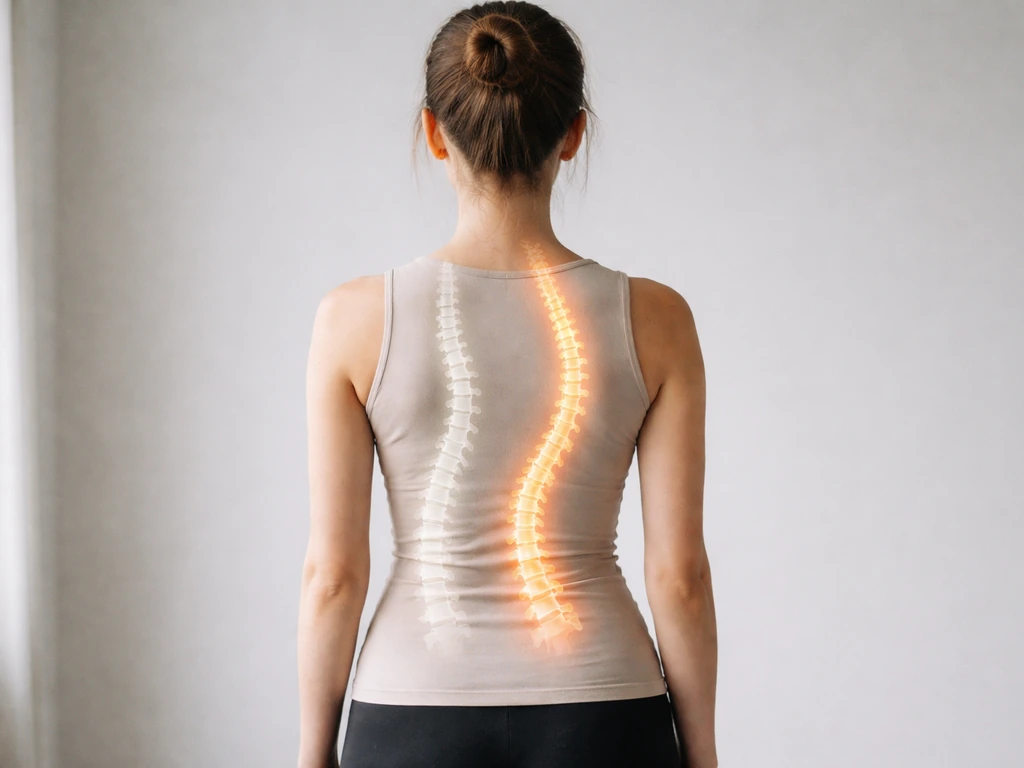
Massage cannot make your bones grow longer. No matter how skilled the therapist or how many sessions you book, massage does not stimulate the growth plates responsible for increasing your height. What it can do is help you stand taller by improving posture, releasing tight muscles, and reducing spinal compression. That distinction matters a lot, because for most people those two things are very different outcomes.
Does Massage Help You Grow Taller? What It Can and Can’t Do

Marcus Reeves
14 Jun 2026

Massage vs. bone length: the core answer
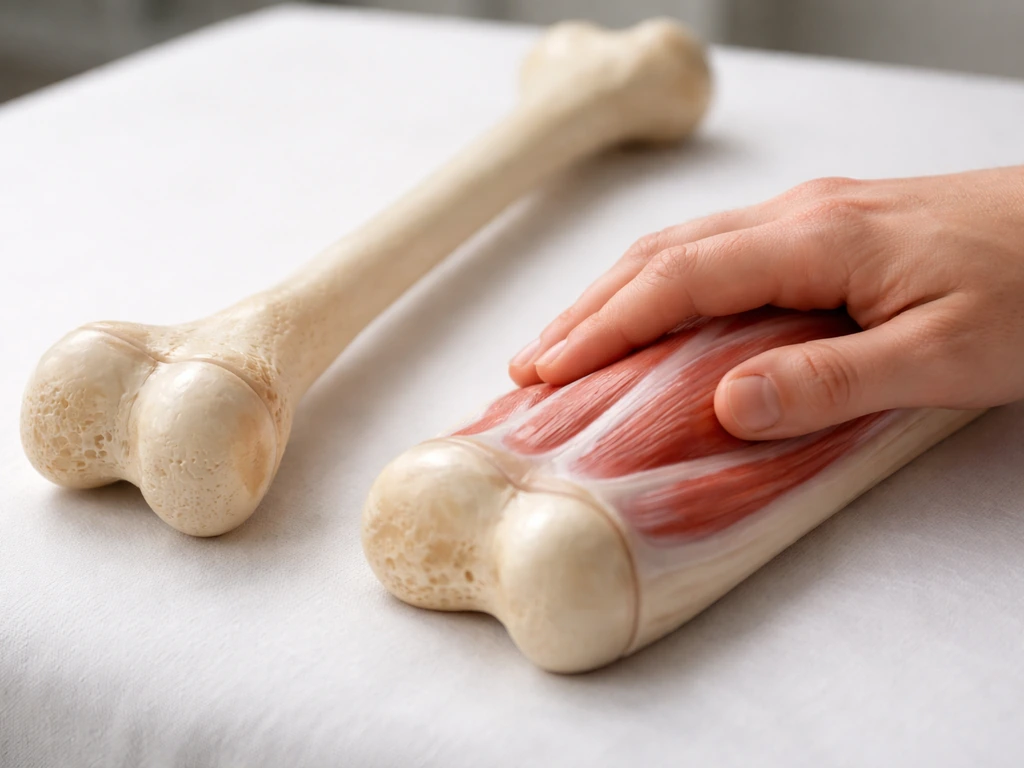
Height growth is a biological process that happens inside bone, specifically at structures called epiphyseal plates (growth plates) near the ends of your long bones. When the body releases growth hormone, it triggers IGF-1 signaling in cartilage cells called chondrocytes.
Those cells multiply, enlarge, and gradually get replaced by bone tissue in a process called endochondral ossification. That is what adds centimeters to your femur, tibia, and spine during childhood and adolescence. Massage works on soft tissue: muscle, fascia, and connective tissue. It does not reach the interior of bone, cannot activate chondrocytes, and has no known mechanism for triggering growth hormone in amounts that would change bone length.
So the direct answer is no, massage does not help you grow taller in the biological sense.
What actually drives height growth
Your ultimate height is shaped by a handful of factors that work together during specific windows of development. Understanding them helps put any intervention, including massage, in perspective. If you are wondering does yoga help grow taller, it is the same kind of height-related claim, and the biology of growth plates is what ultimately limits results.
- Genetics: Your DNA sets the upper and lower bounds of your height potential. Parental height is the strongest single predictor, and polygenic inheritance means many genes contribute small effects that stack up.
- Growth plates: These cartilaginous zones near bone ends are the actual sites of height increase. While they are open, growth is possible. Once they fuse, longitudinal bone growth stops permanently.
- Growth hormone and IGF-1: The GH/IGF-1 axis drives chondrocyte activity in growth plates during childhood and puberty. Deficiencies in this axis reduce height velocity and can result in short stature if untreated.
- Sex steroids and puberty timing: Estrogen and testosterone trigger the pubertal growth spurt but also accelerate growth plate maturation and eventual fusion. Earlier puberty tends to mean earlier fusion. Later puberty often allows a longer growth window.
- Nutrition: Chronic undernutrition, particularly protein and micronutrient deficiencies, suppresses growth even when the genetic potential is high.
- Sleep: Deep sleep is when GH secretion peaks. Consistent, adequate sleep directly supports the hormonal environment for growth in children and teens.
- Overall health: Chronic illness, unmanaged conditions like celiac disease or hypothyroidism, and prolonged inflammation can all suppress growth velocity.
Growth plates begin fusing toward the end of puberty, typically in the mid-to-late teens for most people, though timing varies. Once fused, no intervention, whether massage, stretching, inversion tables, or supplements, can lengthen the bones that contain them. Inversion tables may temporarily reduce spinal compression, but they still cannot reopen fused growth plates or create true height growth. This is why age and growth-plate status matter so much when evaluating any height-related claim.
What massage can actually do for your height appearance
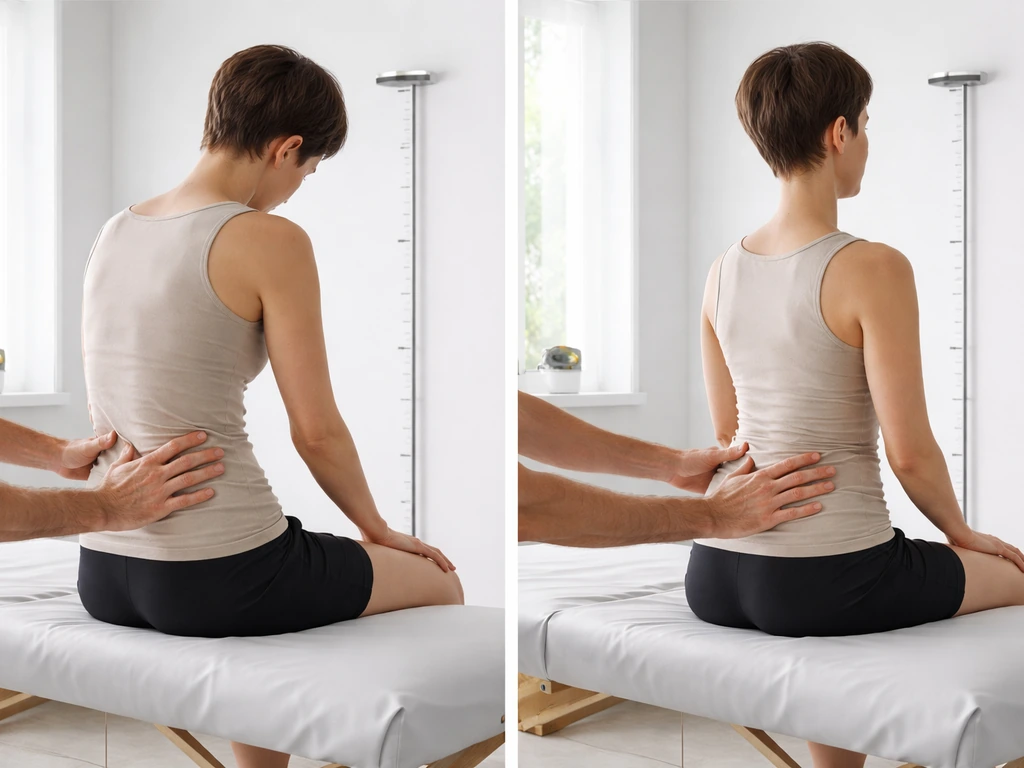
Here is where things get genuinely interesting. While massage cannot grow your bones, it can produce measurable changes in how tall you measure and appear. Some people also ask whether chiropractors can help you grow taller, but the answer depends on whether bone growth is still possible can chiropractors help you grow taller. Research shows that brief spinal hyperextension can produce a significant temporary increase in measured height, and postural exercises in older adults have demonstrated immediate stature increases of around 3.5 cm, which is substantial. These gains come from decompressing intervertebral discs, reducing habitual muscular tension that pulls the spine into a forward curve, and improving overall sagittal alignment.
One study using a spinal massage device found significant increases in intervertebral space height and lumbar lordosis angle compared to baseline, reflecting real biomechanical changes even if bone length stayed the same. Poor posture, especially forward head carriage and thoracic kyphosis, can subtract anywhere from 1 to 5 centimeters from your standing height. Massage that targets the thoracic erectors, hip flexors, and neck extensors can help reduce these losses and let you stand closer to your skeletal maximum. That is not fake. It is just not the same as growing. If you have scoliosis, the same principle applies: massage may help you manage tightness and posture, but it cannot open growth plates or increase bone length.
What the research actually says
In infants and preterm babies
The strongest evidence for massage and growth outcomes comes from studies on preterm infants. The American Academy of Pediatrics notes that massage in NICU settings has been shown to promote weight gain, growth, and development in preterm infants. This is real and clinically meaningful. However, the mechanism likely involves improved nutrient absorption, reduced stress hormones, and better sleep regulation, not growth plate stimulation. It also does not translate to conclusions about massage making healthy older children or adults taller.
In children and teens
A pilot study tested a standardized massage chair intervention in children, measuring standing and seated height. This is interesting as a preliminary effort, but pilot studies are small, often lack controls, and are designed to generate hypotheses rather than confirm effects. A systematic review on body massage and growth-related outcomes found the evidence base is limited. The NCCIH's summary of massage therapy research notes the strongest evidence supports certain pain conditions, while evidence for many other claims, including effects on growth, remains weak or indirect. No rigorous clinical trial has demonstrated that massage increases final adult height or bone length in healthy children.
In adults
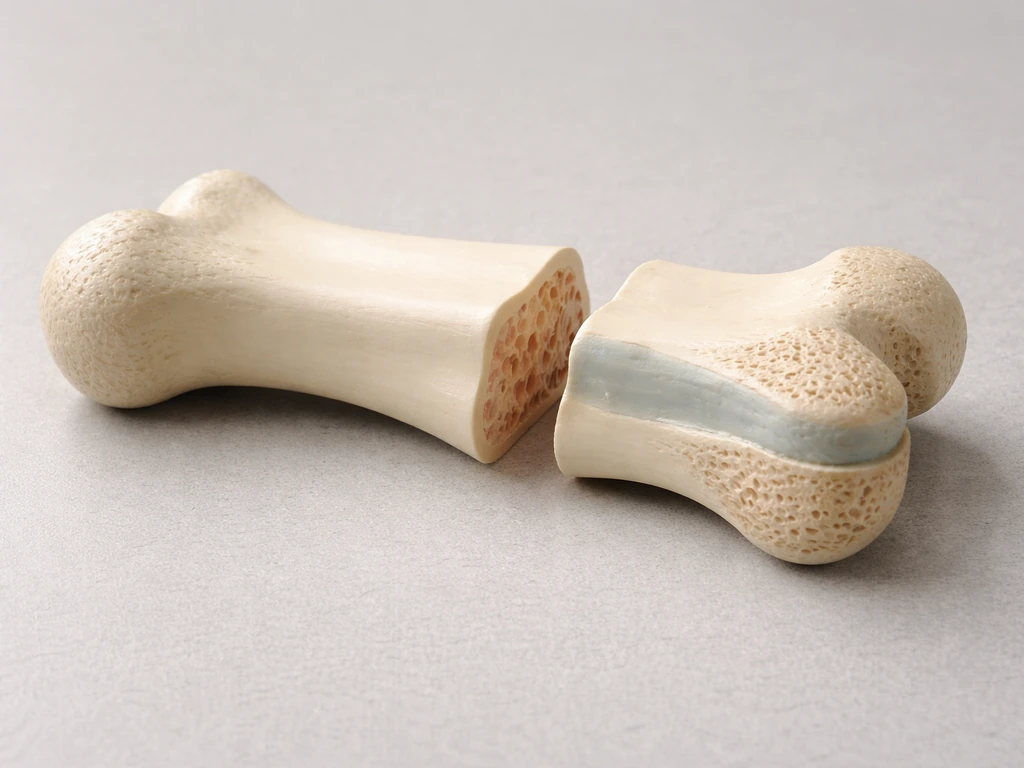
For adults whose growth plates have closed, the biology is definitive: you cannot stimulate endochondral ossification in fused bone through soft tissue work. What massage can do in adults is address the postural and muscular contributors to compressed height, reduce chronic back pain that causes guarding and slumped posture, and support the flexibility needed to stand at your full skeletal height. Those are genuinely useful outcomes, just not height growth.
Myths worth addressing directly
- Myth: Massage stimulates growth hormone enough to make you taller. Reality: Even if massage produces a small transient GH response, it does not approach the physiological levels needed to drive bone elongation, and in adults with fused plates it would have no mechanism to act on anyway.
- Myth: Spinal massage decompresses the spine and permanently adds height. Reality: Intervertebral disc decompression is real but temporary. Discs recompress with gravity and loading. The effect on measured height is not permanent.
- Myth: Massage therapists can 'open' growth plates or stimulate bone growth through pressure. Reality: Growth plates are inside bone and respond to hormonal signals, not external mechanical pressure from massage.
- Myth: Children who get regular massage will be taller adults. Reality: No peer-reviewed evidence supports this in healthy children with normal nutrition and hormone levels.
- Myth: Devices advertised as 'growth massage chairs' have proven height benefits. Reality: The pilot data is preliminary, uncontrolled, and far from sufficient to support marketing claims about increasing height.
Risks to know before you book a session
For most healthy people, professional massage is low-risk when performed by a qualified therapist. But a few concerns are worth knowing. Case report evidence documents serious neurologic injury, including spinal cord injury, associated with aggressive neck massage and manipulation. High-velocity techniques around the cervical spine carry real risk and are not appropriate for seeking height benefits. Children and adolescents should see practitioners experienced in pediatric populations, since pressure that is appropriate for an adult may be too intense for developing bodies. Anyone with a bone condition, recent fracture, osteoporosis, spinal instability, or an active growth-related medical concern should get medical clearance before any massage targeting the spine.
What actually maximizes your height potential

If you or your child is still growing, these are the levers backed by real evidence. They are unglamorous compared to the idea of a massage session unlocking extra centimeters, but they are what the biology actually supports.
| Factor | Why It Matters | Practical Target |
|---|---|---|
| Sleep | GH secretion peaks during deep sleep; chronic short sleep reduces growth hormone availability | 8 to 10 hours for children/teens; consistent schedule matters as much as total duration |
| Protein intake | Amino acids are the raw material for IGF-1 production and bone matrix formation | Age-appropriate daily protein from whole food sources; avoid chronic restriction |
| Calcium and vitamin D | Calcium is the structural mineral in bone; vitamin D regulates its absorption and supports growth plate function | Dairy, fortified foods, or supplementation if deficient; sun exposure supports D synthesis |
| Zinc and iron | Deficiencies in both are associated with growth faltering in children | Varied diet including lean meats, legumes, and whole grains covers most needs |
| Caloric adequacy | Chronic caloric restriction suppresses GH/IGF-1 signaling even when other nutrients are adequate | Avoid energy restriction in growing children; support healthy weight in adults |
| Physical activity | Weight-bearing exercise supports bone density and posture; it does not lengthen bones but protects the skeleton | Daily movement, sport, and posture-strengthening exercise like swimming or resistance training |
| Posture habits | Poor posture subtracts real centimeters from measured height; correcting it recovers that lost height | Core strengthening, hip flexor stretching, ergonomic awareness throughout the day |
| Managing chronic illness | Untreated conditions like celiac disease, hypothyroidism, or IBD suppress growth velocity | Routine pediatric care; address any chronic symptoms that might affect absorption or hormones |
Massage can be a reasonable complement to a posture-focused program, particularly for releasing chronically tight hip flexors and thoracic muscles that pull you into a shorter-looking posture. Used this way, it earns its place, not as a height intervention but as a recovery and alignment tool alongside the things that actually matter.
When to see a doctor about height
If you are worried about your child's growth, or your own height as an adolescent, a visit to a pediatrician or pediatric endocrinologist is far more useful than any massage program. The clinical evaluation for growth concerns is well-established and genuinely informative.
Signs that warrant a professional evaluation
- A child whose height is consistently below the 3rd percentile for age and sex on a standard growth chart
- Declining growth velocity, meaning a child who is growing slower than expected over a 6 to 12 month period
- A child whose height is significantly below what parental height would predict
- Delayed puberty, with no signs of puberty by age 13 in girls or 14 in boys
- Any child with symptoms suggesting an underlying condition: fatigue, bowel problems, poor weight gain, or signs of a hormonal disorder
What to expect and what to ask
A clinical growth evaluation typically starts with plotting height and weight on growth charts and reviewing growth velocity over time. From there, the clinician will assess bone age using an X-ray of the left hand and wrist. Bone age tells you whether the growth plates are consistent with the child's chronological age and, crucially, how much growth potential likely remains.
Relevant blood work may include thyroid function tests (TSH and free T4), IGF-1 and IGF-binding proteins, inflammatory markers, a complete blood count, calcium, phosphate, alkaline phosphatase, ferritin, and celiac disease screening. A NIH Office of Dietary Supplements physiology workshop doc similarly highlights thyroid hormones and the GH/IGF-1 endocrine axis as key regulators of growth timing and height velocity, including changes driven by sex steroids at the epiphyseal plates [thyroid function tests (TSH and free T4), IGF-1](https://ods. od. nih.
gov/docs/dietphys. pdf). These labs help rule out conditions like hypothyroidism, celiac disease, inflammatory bowel disease, or GH deficiency that can suppress growth in otherwise healthy children.
Good questions to bring to that appointment include: Is my child's growth velocity normal for their age? What does their bone age tell us about remaining growth potential? Should we check for any hormonal or nutritional causes? Is a referral to pediatric endocrinology appropriate?
If growth plates are still open and a medical cause is found, treatment targeting that cause, whether thyroid hormone replacement, GH therapy for documented deficiency, or managing celiac disease, can meaningfully change the growth trajectory. Massage cannot. If you are asking, “can God help me grow taller,” the most reliable path is understanding your growth plates and what medical or lifestyle steps can support healthy height. The timing matters too, because treatment options narrow as plates approach fusion.
For adults concerned about posture-related height loss, a physiatrist, sports medicine physician, or physical therapist is a better starting point than an endocrinologist. They can assess your spinal alignment, identify specific postural contributors, and build a program that helps you stand at your skeletal maximum. That is a realistic, achievable goal that massage and movement can genuinely support.
FAQ
If massage cannot grow bones, why do some people measure taller after a session?
In adults, massage does not lengthen bones because growth plates are already fused. What you might notice is a short-term “taller” look from reduced muscle guarding, improved spinal alignment, and temporary changes in how you stand. If your height measurement changes over days or weeks, track posture and pain first, then consider a structured PT or physiatry plan.
Can massage help me look taller if my issue is posture and slouching?
It can be, as long as the goal is posture and spinal unloading, not height growth. Ask the therapist to focus on thoracic mobility, hip flexor tightness, and neck extensors, and avoid aggressive cervical techniques. Pair it with home exercises (scapular control, thoracic extension, hip flexor stretching) so changes last beyond the appointment.
Is it safe to get massage for height-related posture problems if I have back pain?
Yes, but the effect is different depending on whether you have symptoms and what structure is driving them. If you have persistent back pain, nerve symptoms, or a known spinal condition, massage should be coordinated with a clinician to ensure you are not worsening instability or compressive issues. For pain-dominant cases, a physiatrist or physical therapist usually provides the safest framework for combining manual therapy with targeted rehab.
Who should avoid massage targeting the neck or back?
Massage should be low risk for most healthy people, but the risk rises with specific scenarios. Avoid massage focused on the spine without medical clearance if you have osteoporosis, a recent fracture, spinal instability, significant scoliosis with symptoms, active inflammatory spinal disease, or any neurologic deficits. Also tell the therapist about any surgeries or hardware in your spine.
If my child seems “short for their age,” can massage help while we wait to see a specialist?
Not necessarily. Growth charts and bone age (often via a left hand and wrist X-ray) are what determine whether growth potential remains. Massage may help comfort or flexibility, but it cannot replace assessment for causes like thyroid issues, celiac disease, inflammatory bowel disease, or GH deficiency.
How should I track height changes after massage to know what is real?
Measurements can be misleading due to daily posture variation, time of day, and how you stand. For a fair check, measure at the same time each day (or at least within the same part of the day), use a firm wall method, and repeat over several days to see if changes persist. If changes are only right after treatment, it points to decompression and postural effects rather than true growth.
What should I ask a massage therapist if my goal is standing taller rather than height growth?
Yes, but the best “next step” is clarifying the purpose. If you want posture-related height gains, choose massage as a complement to PT, not a standalone program. Ask whether they can coordinate with a physical therapist and whether they use low-velocity, non-aggressive techniques near the cervical spine.
Does massage help adolescents increase final adult height?
For most people, massage is not the limiting factor, and it is unlikely to change final adult height. If you are an adolescent with slowed growth, the more useful levers are medical evaluation and addressing nutrition, sleep, and any diagnosed hormone or GI issues. Treatment that targets those causes can meaningfully change trajectory, while massage cannot reopen fused plates.
What is the most effective approach for adults who feel they lost height over time?
If growth plates are closed, massage cannot restore bone length. In that situation, focus on maximizing “effective height” by improving posture and function, especially if you have forward head carriage, thoracic kyphosis, or hip flexor restriction. A PT-led program plus selective manual therapy is typically more effective than repeated massage sessions alone.
Do inversion tables or spinal massage devices help in the same way as massage for height?
Yes, and it is important to keep expectations straight. Spinal hyperextension or traction methods may temporarily increase measured height by reducing compressive forces, but they do not create true length. If you have osteoporosis, disc disease with neurologic symptoms, or any instability concerns, such techniques should be cleared by a clinician first.
Next Article
Can You Grow Taller With Scoliosis? What’s Real and What Helps
Can you grow taller with scoliosis? Learn what changes true height vs posture and the best safe steps by age.