
Inversion tables do not make you permanently taller. What they can do is temporarily decompress your spine, which may add a few millimeters of measurable height for a short window after you get off the table. That effect is real but fleeting, and it has nothing to do with actual bone growth. If your growth plates are still open (you're a teenager in active puberty), no inversion device has been shown in clinical trials to accelerate epiphyseal growth. If they're already closed (most adults), no amount of hanging upside down changes your bone length at all.
Do Inversion Tables Help You Grow Taller? Evidence and Risks

Marcus Reeves
23 Jun 2026
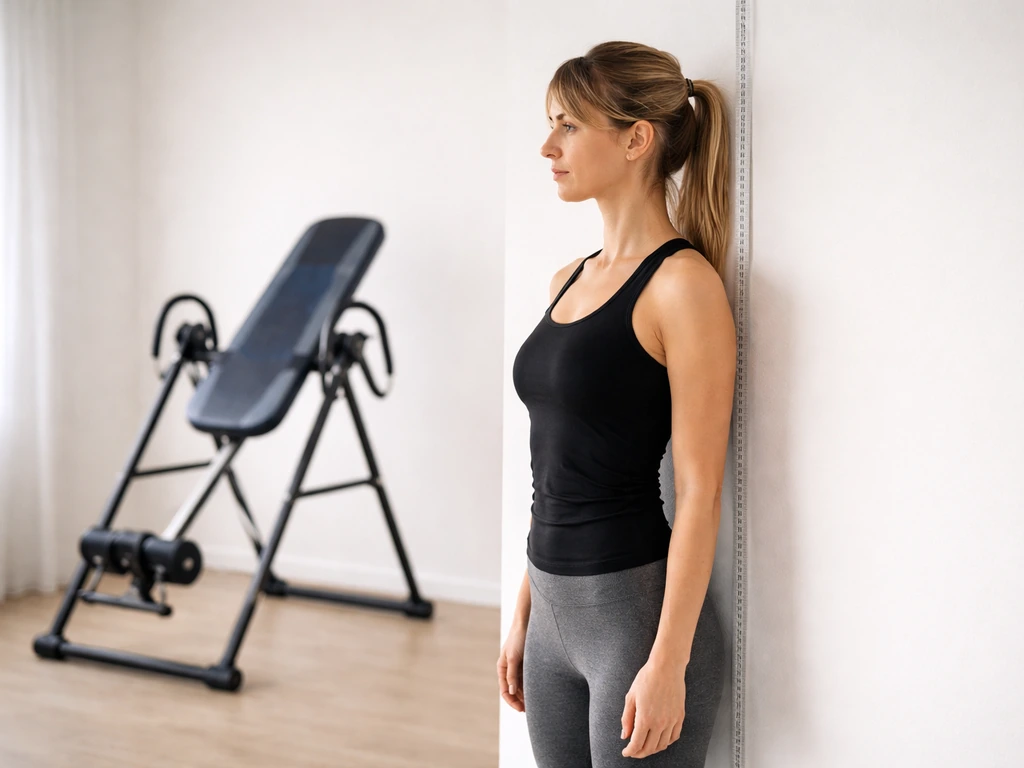
What inversion tables can and can't change
An inversion table tips you backward, sometimes fully upside down, so gravity pulls along the length of your spine rather than compressing it. That unloading reduces the pressure on your intervertebral discs, allowing them to rehydrate slightly. Research confirms that disc hydration responds to mechanical conditions, and traction-based studies have measured millimeter-level stature increases immediately after sessions. One study using mechanical lumbar traction found acute stature increases right after the protocol, with the size of the change depending on traction intensity.
That's the ceiling of what inversion can do for height. It cannot lengthen bones. It cannot reopen fused growth plates. It cannot increase the number of vertebrae or fundamentally alter your skeletal structure. What it interacts with is soft tissue: disc hydration, muscle tension, and spinal curvature. Mechanical loading and spine position can affect intervertebral blank" rel="noopener noreferrer">disc hydration, and an in vivo pilot study by experimental spine positions reported measurable disc hydration changes. If you have scoliosis, focus on medically guided treatment options and posture or physical therapy approaches rather than expecting inversion to grow your bones taller. Those things are all changeable, but they operate within tight limits, and the changes reverse quickly once you're upright and loaded again.
How true height growth actually works
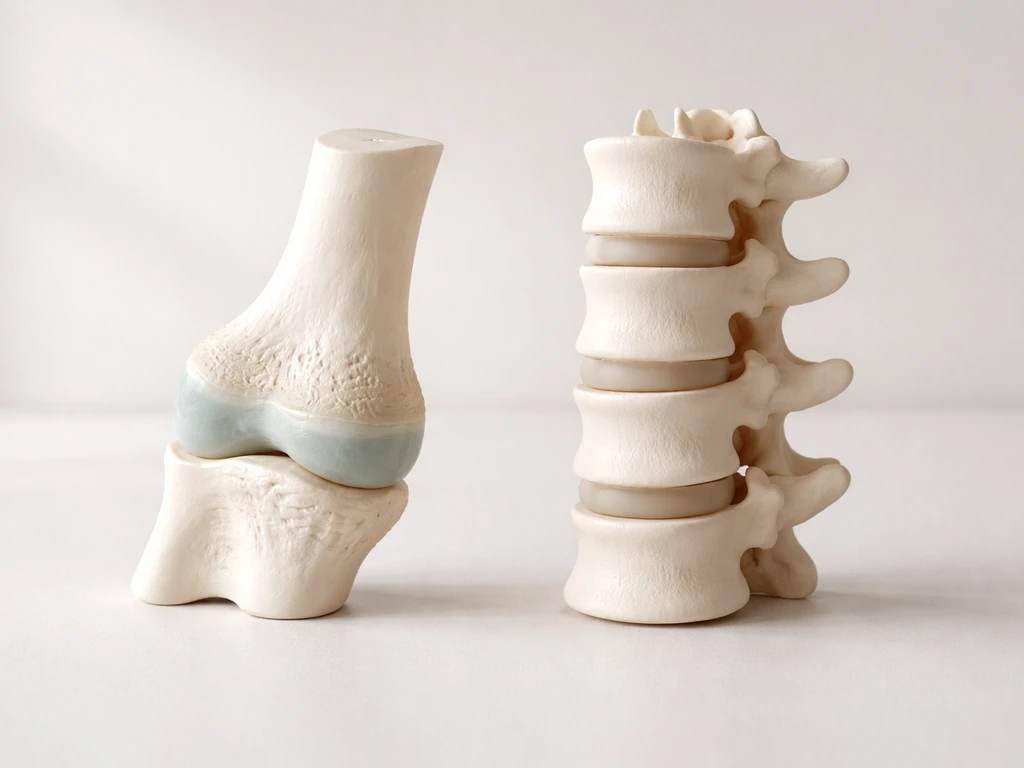
Your height comes from two things: the length of your bones and how those bones stack together. During childhood and adolescence, you grow taller because growth plates (the cartilaginous zones near the ends of long bones and within vertebrae) produce new bone tissue through a process driven by growth hormone, IGF-1, sex hormones, nutrition, and mechanical loading. Once puberty is complete and those plates fuse, longitudinal bone growth stops. Full epiphyseal fusion typically occurs around 14 to 15 years in girls and 15 to 17 years in boys, though MRI-based research shows this varies considerably by bone, pubertal stage, sex, and BMI.
The other component of height is how your spine is stacked. The 23 intervertebral discs in your spine are compressible, hydrophilic structures. They absorb water overnight when you're lying down, which is why most people are measurably taller first thing in the morning than at the end of the day. Compression from standing, walking, and carrying load squeezes fluid out across the day. Inversion therapy is essentially trying to replicate that unloaded state, but faster and more deliberately. This is postural and discogenic, not skeletal growth.
Posture also matters independently. Chronic slouching, thoracic kyphosis, or excessive lumbar lordosis can shorten your apparent standing height by several centimeters. Correcting postural alignment doesn't add bone length, but it can let you stand at your true structural height. That's a legitimate and worthwhile goal. It's just a different mechanism from what most people mean when they ask about growing taller.
What the evidence actually says
The clinical literature on inversion and traction is not encouraging if you're hoping for lasting height gains. A 1990 study in the Spine journal measured mean stature increase after 25 minutes of lumbar traction compared with crook lying, finding millimeter-level changes that were real but small. A crossover clinical trial measuring immediate spinal height changes after aquatic vertical traction found similar short-term effects consistent with temporary decompression rather than lasting structural change. Mechanobiology research does confirm that growth plate cells respond to cyclic loading, which is interesting from a theoretical standpoint, but that finding comes from cell and tissue models, not from inversion table clinical trials showing kids grew taller.
On the back pain side, where most of the traction research actually lives, the picture is also weak. The WHO's guideline on non-surgical management of chronic low back pain found very low certainty evidence and no significant short-term pain differences for traction versus sham. The VA/DoD clinical practice guideline states there is insufficient evidence to support lumbar traction for low back pain. Multiple systematic reviews echo this, and several clinical practice guidelines now explicitly recommend against traction as a treatment. None of this literature positions inversion as a height-growth tool, and none of the major guideline bodies have found evidence to support it in that role.
How long the effect lasts and what kind of "taller" to expect
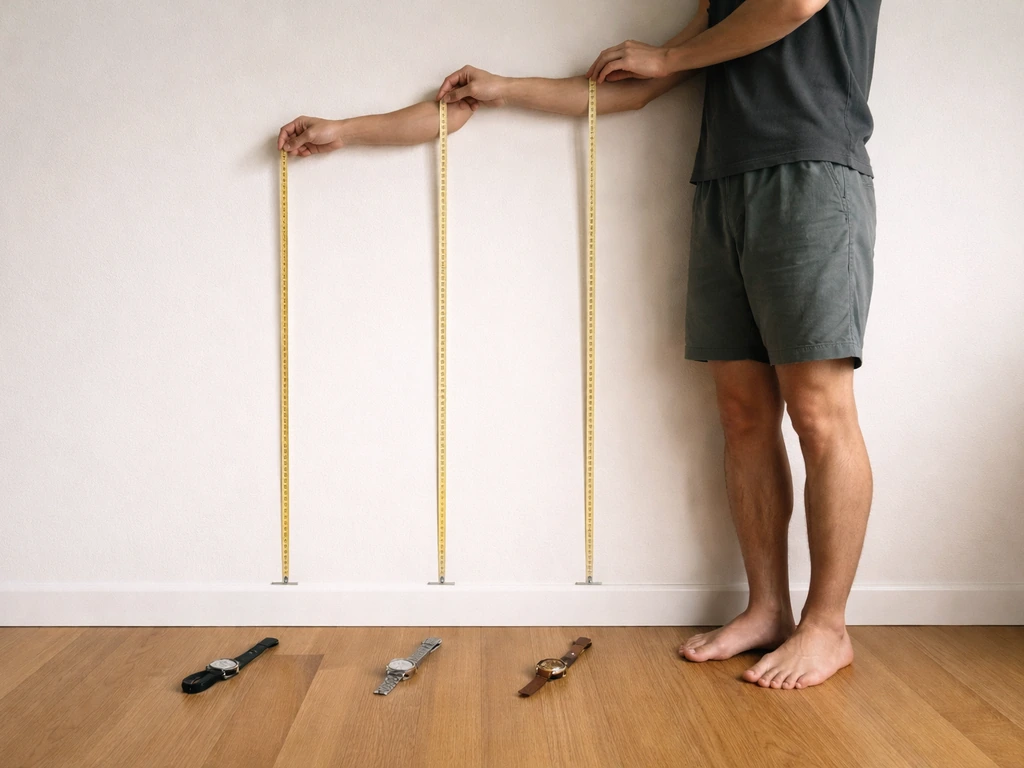
The honest answer: the height increase from inversion lasts roughly as long as it takes gravity and normal loading to recompress your spine. For most people, that's somewhere between 30 minutes and a few hours after you stand up. Reddit threads in chronic pain communities reflect this experience, with users noting that muscles and discs seem to "pull back" fairly quickly after getting off the table. The disc rehydration effect is real, but it's competing with the constant compressive force of your own body weight, and body weight wins by the afternoon.
If you measure your height right after an inversion session, you might see an extra 3 to 10 millimeters depending on duration, angle, and your individual spinal characteristics. That is not growth. It's the same basic mechanism as the morning-versus-evening height difference most people already have. One 2021 systematic review that looked at adding mechanical traction to physical therapy summarized the literature well: traction can produce measurable short-term changes in spinal metrics, but this does not translate into long-term stature increases in the trial outcomes.
Who might see some benefit, and who is unlikely to
| Who | What to realistically expect |
|---|---|
| Teenagers with open growth plates | No evidence inversion accelerates epiphyseal growth; risks likely outweigh speculative benefit for height |
| Adults with postural compression or disc issues | Temporary relief from spinal decompression; no lasting height gain but may feel and stand taller short-term |
| Adults with chronic low back pain | Mixed evidence at best; major guidelines do not recommend traction; modest temporary symptom relief possible for some |
| People with scoliosis or spinal curvature | Inversion is not a treatment for scoliosis and may not be appropriate without medical guidance |
| Fully grown adults (closed growth plates) | Zero bone growth possible; only temporary disc-hydration effect applies |
| People with glaucoma, hypertension, heart disease, or pregnancy | Should avoid inversion; significant risk of harm (see risks section) |
The most realistic candidate for any inversion benefit is an adult who has developed cumulative spinal compression from sedentary work, poor posture, or repetitive loading, and who is already cleared medically to use one. Even then, the benefit is decompression comfort, not measurable long-term height gain. Chiropractors typically focus on spinal alignment and mobility, but they cannot change growth plate fusion in a way that makes you permanently taller. For anyone still in their growth years, the far more productive path involves nutrition, sleep, and activity that actually support growth plate function, not a device that hasn't been studied for that purpose in children.
Risks, contraindications, and how to use inversion safely if you try it
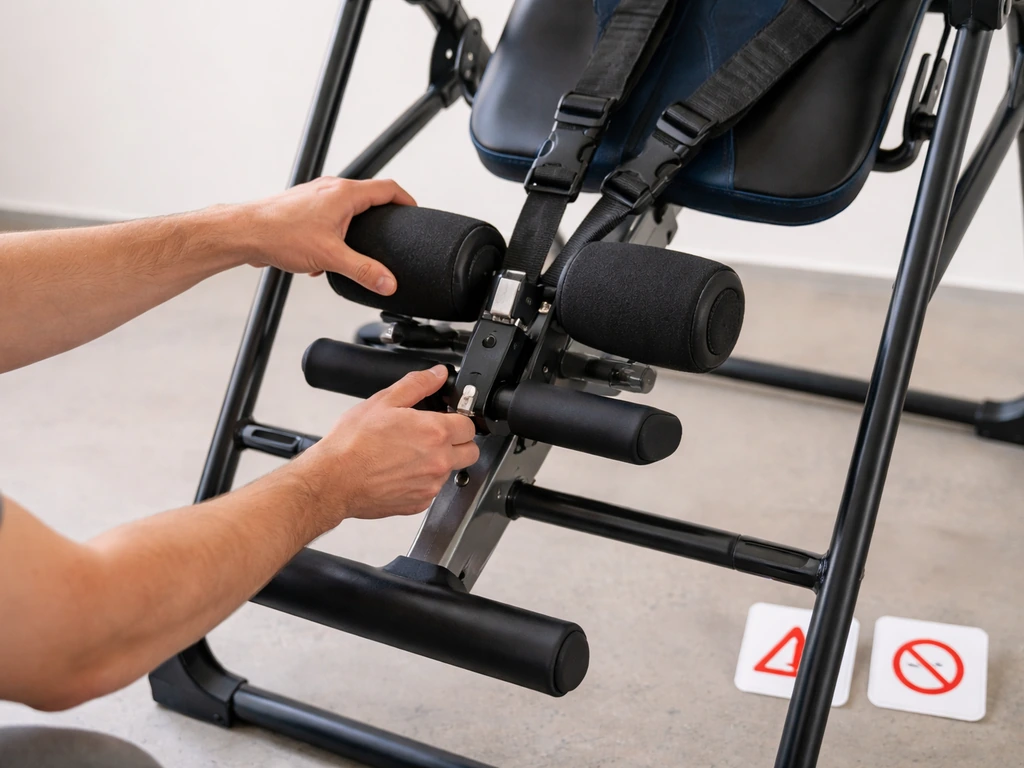
Inversion is not a neutral therapy. The physiological effects of hanging inverted are significant enough that several populations should not use inversion tables at all. A JAMA study found that intraocular pressure more than doubled during inversion, reaching glaucomatous-range levels. A separate ophthalmology study confirmed that glaucomatous eyes are particularly susceptible to these transient but significant pressure increases. A physical therapy journal study documented blood pressure increases during just two minutes of inversion traction. An ultrasonography study also found that inversion measurably affects cerebral blood flow and intracranial pressure metrics.
The contraindication list is long enough that you should treat it seriously before buying or borrowing a table.
- Glaucoma or ocular hypertension: inversion can push intraocular pressure into dangerous ranges
- Uncontrolled high blood pressure or cardiovascular disease: blood pressure rises during inversion
- Pregnancy: increased intracranial and cardiovascular pressure is unsafe
- History of stroke, TIA, or aneurysm: altered cerebral blood flow is a direct risk
- Active disc herniation or severe disc disease: traction can sometimes worsen disc symptoms
- Bone fractures, osteoporosis, or spinal instability: the mechanical load of inversion is contraindicated
- Ear disorders or vertigo: being inverted can trigger or worsen these conditions
- Acid reflux or hiatal hernia: inversion can aggravate reflux significantly
If you don't have any of those contraindications and want to try an inversion table, go slowly. Start at a shallow angle (20 to 30 degrees, not fully inverted) for short sessions of 1 to 3 minutes. Never invert alone your first several times. Increase angle and duration gradually only if you tolerate it without dizziness, head pressure, or discomfort. Get clearance from a physician first, particularly if you have any existing back, eye, cardiovascular, or neurological history.
Better ways to maximize your height potential right now
If you want to stand as tall as your genetics allow and support any remaining growth potential, the strategies that actually have evidence behind them are fairly straightforward. If you're wondering, "Can God help me grow taller?" the most reliable answer is that height changes usually come from growth patterns, posture, and overall health rather than any device or promise of bone growth. They're also less dramatic than an inversion table, which is probably why they don't get as much attention.
- Prioritize sleep: growth hormone is predominantly secreted during slow-wave sleep. Teenagers especially need 8 to 10 hours. This is not negotiable if you want to support active growth.
- Eat enough protein, calcium, and vitamin D: growth plate activity is metabolically demanding. Deficiencies in these nutrients directly impair longitudinal bone growth in developing bodies.
- Strengthen your posterior chain and core: the muscles along your spine and hips hold your posture upright. Weak glutes, tight hip flexors, and a weak core all contribute to postural compression that makes you look and measure shorter than you are. Deadlifts, rows, and hip mobility work address this more durably than passive inversion.
- Work on thoracic mobility: if you have a rounded upper back from desk work or phone use, targeted thoracic extension exercises and stretching can genuinely recover centimeters of apparent height. This is the same principle as inversion but with lasting muscular and postural change.
- If you're a teenager, get growth plate status evaluated if you're concerned: a pediatrician or orthopedist can assess bone age via X-ray or MRI if there's a concern about early fusion or growth hormone deficiency. Knowing whether your plates are still open is the most useful single piece of information you can have.
- If you have chronic back pain affecting your posture or spinal height, see a physiotherapist: exercise-based rehabilitation has far stronger evidence than traction or inversion for meaningful, lasting functional improvement. The American College of Physicians and WHO guidelines both emphasize exercise and active rehabilitation over passive modalities like traction.
- Consider yoga or stretching programs: posture-focused practices that build both mobility and body awareness can help you carry your height well. The evidence for yoga addressing postural alignment is reasonable, and it carries far fewer risks than inversion.
It's also worth knowing that some conditions genuinely affect how tall you grow, including scoliosis, which can reduce standing height by curving the spine. If you suspect a spinal curvature issue, that's a medical conversation, not an inversion table conversation. Similarly, if you're curious whether other passive therapies like massage or chiropractic care might help with posture and height, the honest answer is that those interventions work through similar indirect mechanisms: improving mobility, reducing muscular tension, and helping you stand straighter, not adding bone length. Massage can sometimes improve flexibility and reduce muscle tension, which may help your posture look taller, but it cannot make your bones grow longer.
The bottom line is that inversion tables are a temporary mechanical intervention with a specific, limited effect on spinal disc hydration. They are not a height growth tool. If you're in your growth years, the levers that actually matter are sleep, nutrition, and overall health. If you're an adult, your height is largely determined, but posture and spinal alignment work can make a real and visible difference in how tall you stand every day.
FAQ
How long does any “extra height” from an inversion table last?
Most people regain baseline height as soon as normal loading and gravity recompress the discs, commonly within 30 minutes to a few hours. If you notice the change, try measuring at consistent times (for example immediately after, then 2 to 4 hours later) to see how quickly it reverses for you.
Will inversion help if my goal is not just height, but looking taller in photos?
It can temporarily change posture and muscle tension, which might affect your visible height, but it does not change bone length. If your goal is a more lasting look, posture-focused work (thoracic extension, core endurance, and bracing habits) usually provides more durable day-to-day results than inversion alone.
Can inversion tables make you taller even if you are still a teenager?
If growth plates are still open, inversion has not been shown to accelerate bone production or epiphyseal growth. Any measurable change is expected to be temporary decompression, so use it only as a comfort or spinal unloading tool, not a strategy to increase permanent stature.
What is the safest way to try an inversion table if I have no contraindications?
Start shallow (about 20 to 30 degrees), for very short sessions (1 to 3 minutes). Increase only if you have no dizziness, head pressure, or discomfort. Avoid fully inverting right away, and do not use it alone during initial attempts.
How should I measure results to avoid being misled?
Measure first thing in the morning before any activity, then compare with an evening or post-session measurement at the same time of day. Morning-evening differences are normal, so if you only measure right after the table, you may mistake natural diurnal height for an inversion effect.
Could inversion help posture-related height loss from slouching?
It might temporarily reduce disc pressure and can make you stand straighter for a short period, but it does not correct the underlying drivers of slouching. For lasting improvement, pair any decompression with exercises targeting your specific alignment pattern (for example thoracic kyphosis vs. lumbar lordosis).
Is inversion ever a good idea for people with back pain?
The evidence for traction-style decompression and inversion for low back pain is generally weak, with several guidelines not supporting traction. If you have back pain, it is safer to focus on diagnosis, a physical therapy plan, and red-flag screening rather than using inversion as the primary treatment.
What symptoms mean I should stop immediately?
Stop if you develop dizziness, significant head or eye pressure, visual changes, chest discomfort, severe shortness of breath, numbness, or worsening pain. Because inversion can affect intracranial and cardiovascular physiology, persistent symptoms after stopping warrant medical evaluation.
Who should avoid inversion tables entirely?
If you have conditions involving eyes (especially susceptibility to increased intraocular pressure), uncontrolled blood pressure issues, certain cardiovascular problems, or neurological concerns, you should avoid inversion unless a clinician specifically clears it. Given the physiologic pressure changes reported in studies, treat contraindications seriously before buying or using a table.
If I’m considering inversion because I heard about “cyclic loading” for growth plates, is that relevant?
Mechanobiology findings in cells or tissue models do not translate into clinical proof that inversion increases permanent growth in children. The key gap is that clinical trials of inversion have not demonstrated lasting height changes from bone growth.
How often should I use an inversion table to reduce risk?
If cleared to try it, use conservative frequency and duration, because the goal is short-term decompression comfort, not aggressive sessions. A practical approach is limiting to brief trials at first, reassessing tolerance each time, and stopping if you notice adverse effects like headaches or persistent discomfort.
Should I combine inversion with other therapies like massage or chiropractic care?
You can combine approaches for comfort or mobility, but none should be expected to reopen growth plates or permanently lengthen bones. If you do combine, keep inversion modest and prioritize evidence-based posture training and mobility work to address the underlying mechanics that affect how tall you stand.
Next Article
Can God Help Me Grow Taller? Science, Faith, and Steps
Can God help you grow taller? Real growth biology, limits by age, and practical steps plus myth vs science.