
Chiropractors cannot make your bones grow longer once your growth plates have closed, so no, chiropractic care will not permanently increase your height as an adult. What it can do is help you stand closer to your actual maximum height by improving posture, reducing spinal compression, and relieving pain that causes you to hunch. That distinction matters a lot, because the difference between your slouched height and your true standing height can be surprisingly meaningful, but it is not the same thing as growing taller.
Can Chiropractors Help You Grow Taller? Realistic Answers

Marcus Reeves
2 Jun 2026

How height can (and can't) change after growth plates close
Your height is largely set by the time your growth plates (the cartilaginous zones near the ends of your long bones) fuse. In most people this happens somewhere between ages 16 and 18 for girls and 18 and 21 for boys, though there is individual variation. Once those plates ossify into solid bone, no mechanical intervention, chiropractic or otherwise, can stimulate them to produce new bone tissue. That chapter is closed.
What does keep changing in adulthood is your functional or measured height. The intervertebral discs in your spine are hydrated and slightly taller in the morning after you have been lying down; by the end of the day, gravity has compressed them and you can be a centimeter shorter than you were at breakfast. Research has confirmed these diurnal height fluctuations are real, typically on the order of millimeters to about a centimeter depending on activity level.
Over the long term, postural habits, disc degeneration, and spinal curvature changes can add up to meaningful height loss. One 34-year longitudinal cohort study found participants lost a mean of about 3. 8 cm over that period, going from a mean of 157. 4 cm down to 153.
6 cm. That kind of cumulative loss is driven by disc dehydration, vertebral compression, and postural decline. And that is exactly the territory where chiropractic and posture work have something to offer.
What chiropractic adjustments can actually affect

Chiropractic care centers on spinal manipulation: applying controlled force to joints to restore range of motion, reduce pain, and improve spinal alignment. Within that scope, a few things are genuinely relevant to height measurement.
Posture and spinal alignment
Poor posture (forward head, rounded shoulders, exaggerated thoracic kyphosis) physically shortens your apparent standing height. A chiropractor who addresses these patterns through adjustments and rehabilitation exercises can help you stand more upright. A study on posture-correction exercises in older adults found an immediate upright stature increase averaging around 3.5 cm, with a range of roughly 0.9 to 6.0 cm depending on the individual and the measurement approach. Those numbers are real, but they reflect uncovering the height you already had, not adding new height.
Spinal compression
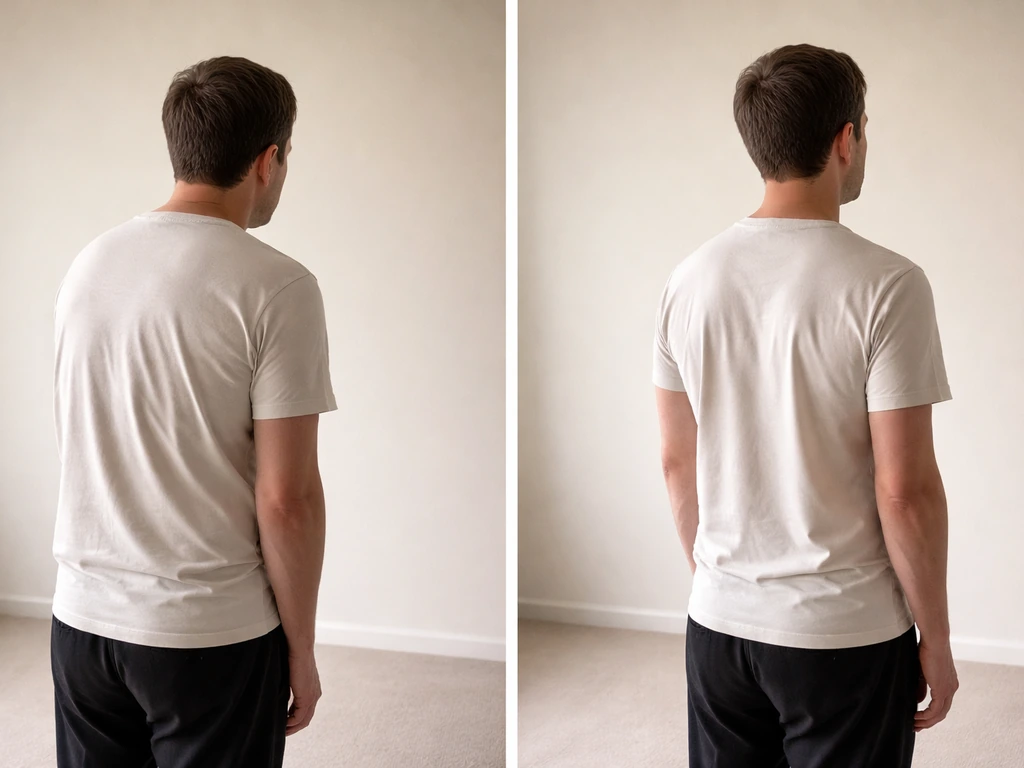
When spinal joints are restricted or when surrounding muscles are chronically tight, the spine can be held in a slightly compressed or asymmetrical position. Manipulation and soft-tissue work may reduce that compression temporarily, allowing the spine to decompress a little. This is similar in concept to what inversion tables attempt, though the evidence base for chiropractic decompression as a height-gain tool specifically is thin. The effect, where it exists, is modest and temporary.
Pain relief that lets you stand upright
Chronic back or neck pain often causes people to guard their posture, leaning or hunching to reduce discomfort. If chiropractic care reduces that pain effectively, you may naturally start standing taller just because it no longer hurts to do so. This is a legitimate and underappreciated indirect effect.
Can you really grow taller after a chiropractor? What "taller" usually means

People who report feeling or measuring taller after chiropractic visits are almost always experiencing one of three things: a genuine posture improvement that unlocks hidden height, normal diurnal variation in disc height (measuring at a different time of day), or a combination of both. None of these represent new bone growth. If you have scoliosis, you may wonder, can you grow taller with scoliosis, but the key limits and expectations are similar to other causes of height change. If you go to a chiropractor first thing in the morning and get measured at the end of the appointment, you may well measure slightly taller than you did yesterday evening, but that is disc rehydration, not a structural change from the adjustment itself.
There is also the pelvic alignment angle worth mentioning. A pelvis that tilts anteriorly or posteriorly, or a leg-length discrepancy (even a functional one caused by hip or SI joint restriction), can make you measure shorter than your skeleton actually is. Correcting those alignments can add measurable centimeters to a standing measurement. Again, real and useful, but not the same as growing.
The honest framing: chiropractic can help you stand at your true height. It cannot push your height beyond what your skeleton already permits.
Who might actually benefit and how to set realistic expectations
Not everyone will see even a posture-related height improvement from chiropractic. Here is a rough picture of who tends to get the most out of it:
- People with significant postural issues: if you have notable forward head posture, rounded shoulders, or hyperkyphosis, there is real height to reclaim. The more your current posture deviates from optimal, the more room there is to improve.
- People with spinal compression from long hours sitting or sedentary work: if chronic desk posture has created restricted spinal segments, targeted manipulation plus corrective exercises can help.
- Older adults experiencing early height loss: since cumulative height loss from disc and postural changes can reach several centimeters over decades, intervening earlier (with posture work, strength training, and spinal care) can slow that decline.
- People with scoliosis or pelvic misalignment: lateral spinal curves or pelvic tilts can shorten measured standing height; chiropractic care alongside physical therapy may help reduce these effects, though scoliosis management is complex and deserves specialist input.
- People with pain limiting their posture: if pain is the reason you cannot stand straight, addressing the pain source can indirectly restore height.
If you are a healthy young adult with good posture and no pain or structural issues, the honest expectation is close to zero additional height from chiropractic. There is nothing to correct, so there is no hidden height to unlock.
Risks, red flags, and smart questions to ask before you book

Chiropractic is generally considered safe for most adults when performed by a licensed practitioner, but it is not risk-free. The most serious documented risk involves cervical (neck) manipulation specifically. The NCCIH has flagged that neck-focused spinal manipulation has been linked to cervical artery dissection (CAD), which involves small tears in artery walls in the neck that can, in rare cases, lead to stroke. This is uncommon, but it is serious enough to warrant a direct conversation with any practitioner before agreeing to neck adjustments.
Other risks are less dramatic but worth knowing: temporary soreness after adjustments is common, and manipulation is not appropriate if you have osteoporosis, a herniated disc causing nerve compression, or spinal instability. Children and adolescents who are still growing require extra caution around the spine, and any chiropractic care for a child should involve a pediatrician in the conversation.
Before your first appointment, consider asking these questions directly:
- What specific issues have you identified in my posture or spinal alignment, and what is your treatment plan?
- Is cervical manipulation part of your plan, and what are the risks in my specific case?
- What outcomes are realistically achievable for someone my age and in my condition?
- Will you be combining adjustments with rehabilitative exercises, or is it adjustments only?
- How many sessions do you expect before we reassess whether it is working?
Any practitioner who promises you will grow taller in centimeters or makes permanent height claims should be a red flag. The science does not support that, and a credible chiropractor will not promise it.
Better, evidence-based ways to maximize height potential (by life stage)
Whether chiropractic is on your radar or not, the strongest levers on height potential are well-established in the research. Where you are in life determines which levers you can still pull.
Children and early adolescents (still growing)
This is when nutrition matters most. Protein intake, total caloric adequacy, calcium, vitamin D, zinc, and iodine all play direct roles in bone growth. Chronic undernutrition during growth years is one of the most consistent predictors of reduced final height globally.
Sleep is equally critical: the majority of growth hormone secretion happens during deep sleep, so consistent, adequate sleep (9 to 11 hours for younger children, 8 to 10 for adolescents) is not optional if you want to support full growth potential. Physical activity matters too, particularly load-bearing exercise, which stimulates bone density and healthy growth plate activity.
If a child is growing significantly below expected percentiles or showing signs of early or delayed puberty, a pediatrician or pediatric endocrinologist should be consulted sooner rather than later. There are treatable conditions (growth hormone deficiency, hypothyroidism, celiac disease) that can limit growth if left unaddressed.
Late adolescents (plates potentially still open)
If you are in your mid-to-late teens and concerned about your height, the same fundamentals apply with added urgency since the window is closing. Avoid excessive restriction of calories or protein (common in sports with weight categories or aesthetic pressures), since this is one of the most preventable ways to undercut your height potential. An X-ray of the growth plates (usually the hand and wrist) can tell you whether they have fused yet. If they have not, you still have biological room to grow, and maximizing nutrition, sleep, and overall health is genuinely impactful.
Adults (plates closed)
The focus shifts from growing to preserving and maximizing what you have. Posture work is probably the highest-impact single intervention for most adults: a combination of strengthening the posterior chain (glutes, upper back, spinal extensors) and stretching the anterior chain (hip flexors, chest) is well-supported by exercise physiology. Yoga and certain bodyweight training protocols address this well. Staying physically active, maintaining a healthy body weight, and getting adequate calcium and vitamin D helps slow the disc degeneration and spinal compression that cause height loss over time. Chiropractic or physical therapy can be a useful support tool here, particularly for pain management and alignment, but it works best alongside an active exercise program, not instead of one.
| Life Stage | Main Height Lever | Role of Chiropractic | Most Important Action |
|---|---|---|---|
| Children (growing) | Nutrition, sleep, overall health | Limited; consult pediatrician for spinal concerns | Ensure adequate calories, protein, sleep, and micronutrients |
| Adolescents (plates open) | Nutrition, sleep, avoid caloric restriction | Minimal; growth plate safety is priority | Prioritize protein, sleep, and see an endocrinologist if growth is slow |
| Young adults (plates just closed) | Posture, strength training | Can help correct postural issues and alignment | Start a posterior chain strengthening and posture program |
| Older adults (plates long closed) | Slow height loss, maintain posture | Useful for pain relief and alignment work alongside exercise | Resistance training, posture exercises, calcium and vitamin D |
It is also worth noting that some approaches people search for in this space, including inversion tables and massage, share similar logic with chiropractic in that they may temporarily decompress or relax the spine without changing bone length. Practices like yoga can genuinely improve posture and spinal flexibility, which has real functional value. The common thread across all of these is the distinction between feeling and standing taller versus actually having longer bones, and that distinction should guide how much you invest in any one approach.
If you are serious about understanding your own height potential, the most useful first step is an honest assessment of your current posture, your stage of growth, and whether any underlying health conditions might be involved. If you are wondering, can God help me grow taller, it still comes back to what your growth plates and posture allow. A good sports medicine physician, physical therapist, or (for younger people) a pediatric endocrinologist will give you a much clearer picture than any single practitioner focused only on spinal manipulation. Chiropractic has a legitimate place in the toolkit, just not the one its most enthusiastic marketing sometimes suggests.
FAQ
How can I tell if I’m “measuring taller” from chiropractic versus truly increasing height?
Check the measurement time and conditions. If your height increase happens when you measure after the appointment or at a different time of day, it is likely normal disc rehydration or temporary decompression. A stronger signal of posture change is whether your photos or standing posture improve consistently across days, not just right after treatment.
What’s a realistic number to expect if posture is the main issue?
Expect modest, posture-driven changes rather than large, structural gains. Many people who improve alignment can see centimeters of difference in how tall they stand, especially if they were hunching or have forward-head posture, but results vary a lot based on starting posture, pain level, and how the measurement is done.
Does chiropractic work better in the morning or later in the day?
Morning measurements often run higher because spinal discs rehydrate after lying down overnight. If you want to judge any ongoing effect, measure at the same time of day for several days (for example, morning after bathroom use), and compare average values rather than a single visit.
Can chiropractic help if my height loss is from aging or disc degeneration?
It may help symptoms and reduce painful guarding that causes you to hunch, which can improve functional posture. However, it will not reverse long-term disc dehydration or the cumulative height loss driven by degeneration, so it’s best thought of as pain and posture support alongside exercise.
Is it safe to get neck adjustments if I want to stand taller?
Be cautious. Neck-focused manipulation has a rare but serious risk involving cervical artery dissection. If you have headaches, vascular risk factors, connective tissue disorders, or you just want to minimize risk, ask whether they can accomplish your goals with non-neck-focused techniques and document what specific maneuvers are planned.
What conditions mean I should avoid chiropractic manipulation?
Avoid or get medical clearance first if you have osteoporosis, spinal instability, a herniated disc with nerve compression, or unexplained progressive neurologic symptoms (numbness, weakness, trouble walking). If you have severe pain that is worsening, fever, weight loss, or bowel or bladder changes, that is a medical red-flag and not a “wait for adjustments” situation.
Will chiropractic help with pelvic tilt or functional leg-length discrepancy?
It can sometimes improve alignment and reduce restriction in the hips or SI joint, which may change your standing measurement. Still, functional discrepancy can have multiple causes, including muscle imbalance, hip mechanics, or foot issues, so ask whether they will address contributing factors like hip mobility, gait, and footwear rather than focusing on “pelvic correction” alone.
Should I get an X-ray or scan before pursuing chiropractic for height concerns?
Often not for the purpose of height alone, but it can be appropriate if you have scoliosis, significant pain, or you suspect growth-plate issues (teen years). For adolescents concerned about remaining growth, an X-ray for growth plate status can clarify whether biologic growth is still possible, which guides expectations and prevents wasted effort.
Can posture exercises alone give the same benefit as chiropractic for standing height?
Sometimes yes. Chiropractic can be helpful for pain relief and mobility, but posture gains often come from the rehab side (strengthening and stretching). If you don’t get a home exercise plan or you aren’t improving posture outside of visits, the effect may be limited.
How many visits will it take to know if it’s working?
Use short-term functional benchmarks. If you are not seeing improvements in pain, range of motion, or your upright posture across a small trial period, usually after several visits, it’s reasonable to reassess the plan. Ask for measurable goals and re-check after a defined number of sessions rather than continuing indefinitely.
Is it normal to feel sore after adjustments?
Yes, temporary soreness is common, especially in the first 24 to 48 hours. But severe pain, worsening neurologic symptoms, dizziness, fainting, or new numbness or weakness are not normal and require urgent medical evaluation.
Next Article
Does Yoga Help Grow Taller? What to Expect by Age
Does yoga grow taller? Learn what it can change with posture, what it cannot, by age and growth-stage, plus safe steps.