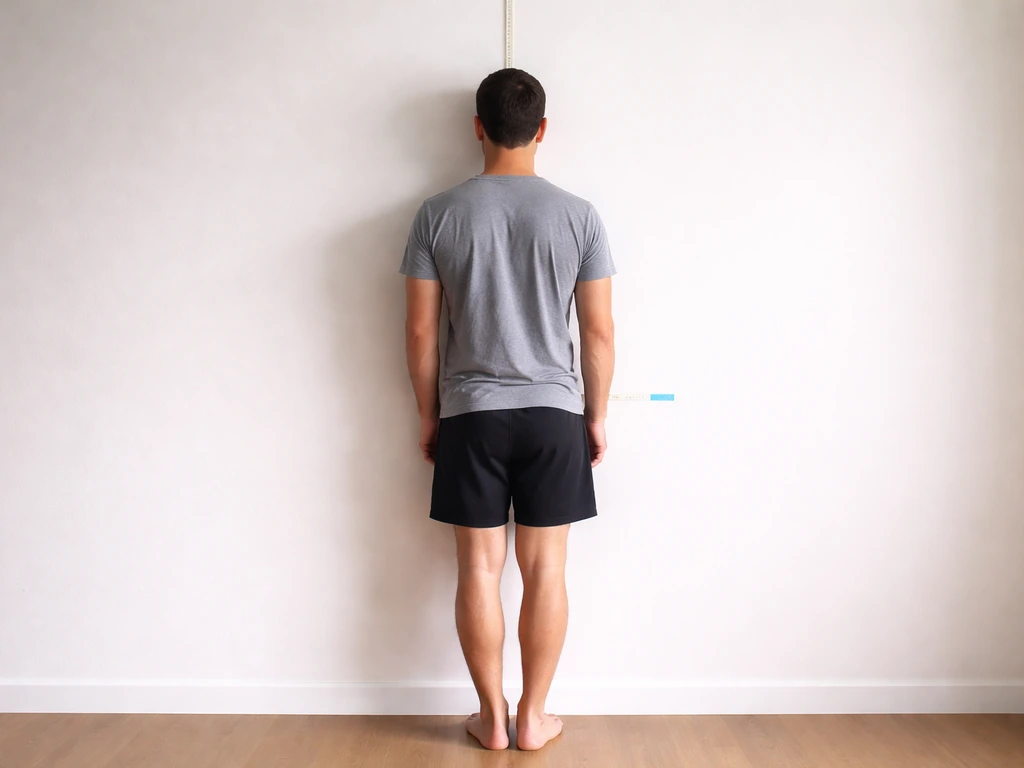
Scoliosis can reduce your measured standing height, and treating it, through physical therapy, bracing, or in serious cases surgery, can recover some or all of that lost height. But whether you gain true biological height (longer bones) depends almost entirely on your age and whether your growth plates are still open. If you're a child or teenager still growing, correcting a significant curve can let you reach more of your genetic height potential. If your growth plates have already closed, the realistic goal shifts to recovering apparent height through better spinal alignment, not adding new bone length.
Can You Grow Taller With Scoliosis? What’s Real and What Helps
Marcus Reeves
9 Jun 2026
How scoliosis actually affects your height
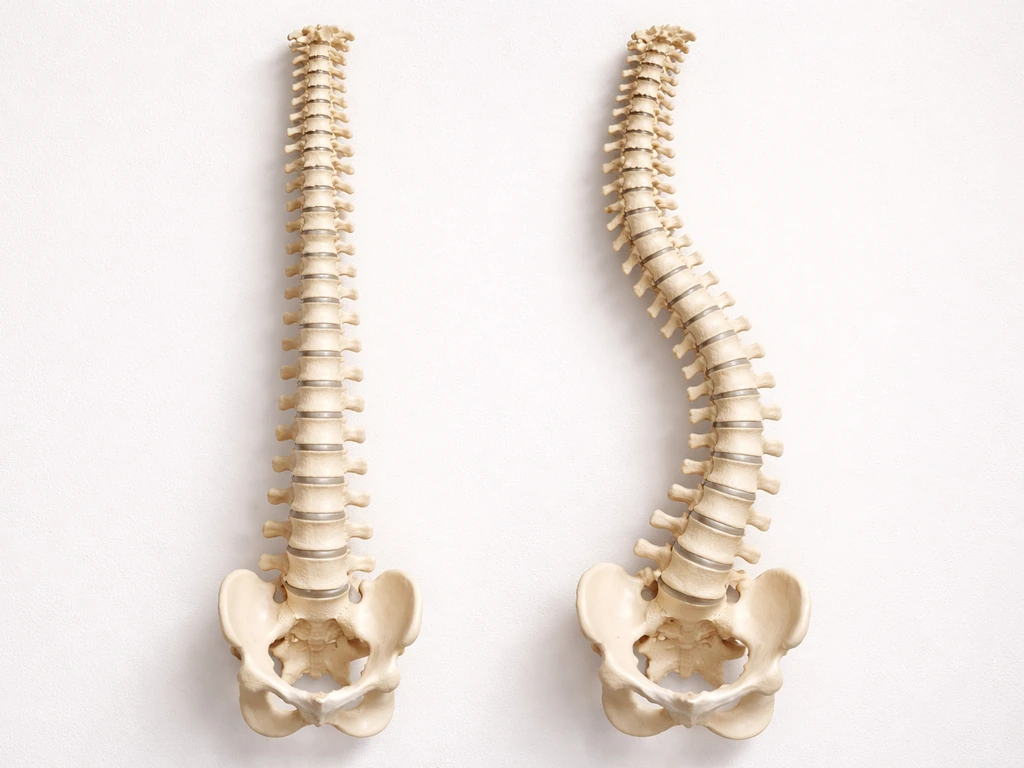
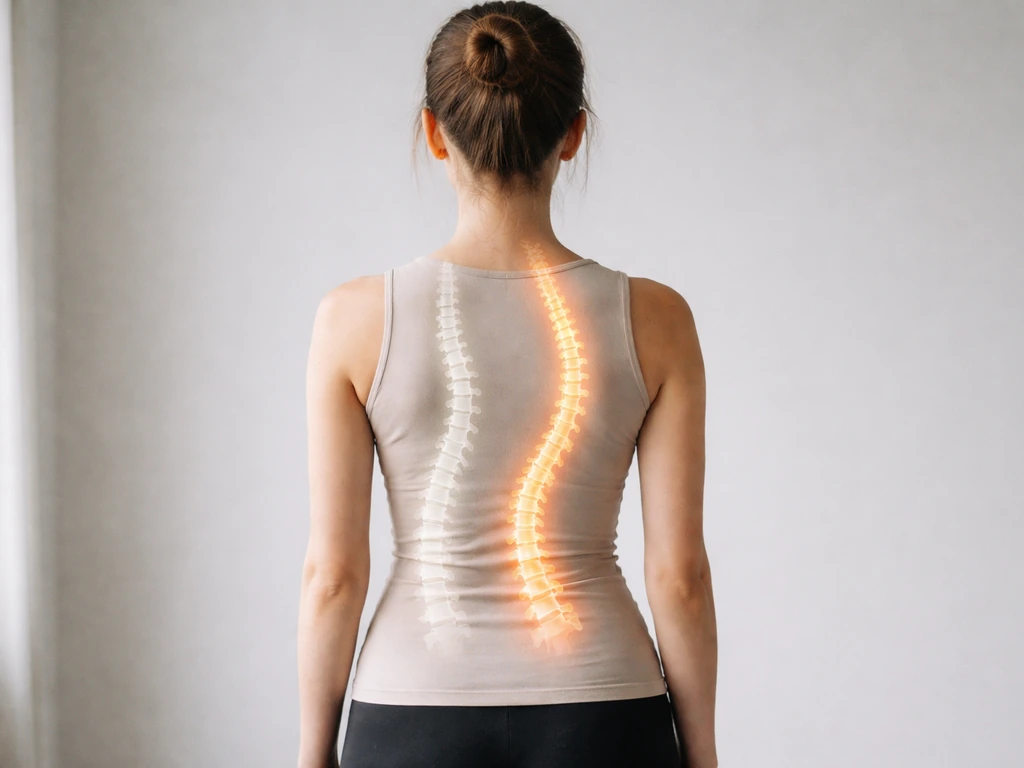
A spine with a lateral curve doesn't stack vertebrae in a straight column the way a typical spine does. Instead, the bones angle and rotate, which compresses the vertical distance from your pelvis to your skull. This is the core mechanical reason scoliosis reduces standing height. Research on adolescent idiopathic scoliosis (AIS) confirms that measurable height differences exist between standing and lying-down positions in scoliosis patients, and that those differences are linked to curve magnitude. A study investigating postural and time-dependent effects in adolescent idiopathic scoliosis also found measurable differences in scoliosis angles between standing and supine views while analyzing changes in body height measurable height differences exist between standing and lying-down positions in scoliosis patients.
The important distinction here is apparent height versus true height. True height is determined by the combined length of your bones, especially the vertebrae and the discs between them. Apparent height is what a measuring tape shows when you stand up, which is influenced by posture, spinal alignment, and even the time of day (everyone is slightly taller in the morning after spinal discs rehydrate overnight). Scoliosis mainly attacks apparent height. The bones themselves aren't shorter, they're just arranged inefficiently. That's actually useful news, because it means alignment improvements can directly translate into height recovery.
Studies calculating the relationship between Cobb angle (the standard measure of curve severity) and standing height have found that height loss from idiopathic scoliosis is real but typically modest relative to total body height. A height loss review using growth standards and corrective formulae similarly notes that body-height loss from idiopathic scoliosis is small relative to total body height and may be subtle clinically, while discussing standing versus sitting height standards height loss from idiopathic scoliosis is real but typically modest relative to total body height. It's subtle enough that many people with mild curves don't notice it at all. Larger curves, particularly those above 40 to 50 degrees, produce more noticeable shortening. The loss isn't dramatic compared to the overall picture, but for someone already concerned about height, even a 1 to 2 centimeter difference matters.
Age and growth plates: the question that changes everything
Growth plates are the cartilage zones near the ends of your long bones where new bone tissue is laid down during childhood and adolescence. Once they close, typically in the late teens (slightly earlier for girls, slightly later for boys), you cannot add new bone length through any natural means. This is the biological ceiling on true height gain, and it applies whether or not you have scoliosis.
For someone who is still growing, scoliosis creates a real drag on height potential. A progressing curve can shorten the vertical reach of the spine during the exact window when the body is trying to add length. Correcting or stabilizing that curve during growth gives the spine a better geometry to express the height the body is building. This is the scenario where treatment has the most direct influence on eventual standing height, not by making bones grow faster, but by not letting a curved alignment steal the height your skeleton is naturally producing.
After growth plates close, true height gain isn't physiologically possible through scoliosis treatment or anything else. What you can do is recover apparent height by improving spinal alignment. Depending on the original curve, that recovery can be meaningful, sometimes 1 to 3 centimeters or more. It's not nothing, but it's important to go in with clear expectations about what category you're in.
| Growth stage | True height gain possible? | Apparent height recovery possible? | Primary goal of treatment |
|---|---|---|---|
| Still growing (open growth plates) | Yes, if curve is corrected during growth | Yes | Prevent progression, maximize height potential |
| Adolescent nearing skeletal maturity | Limited window remaining | Yes | Stabilize curve before plates close |
| Skeletally mature adult (closed plates) | No | Yes, through alignment improvement | Improve posture, function, and appearance |
Treatments that can actually change your alignment and appearance
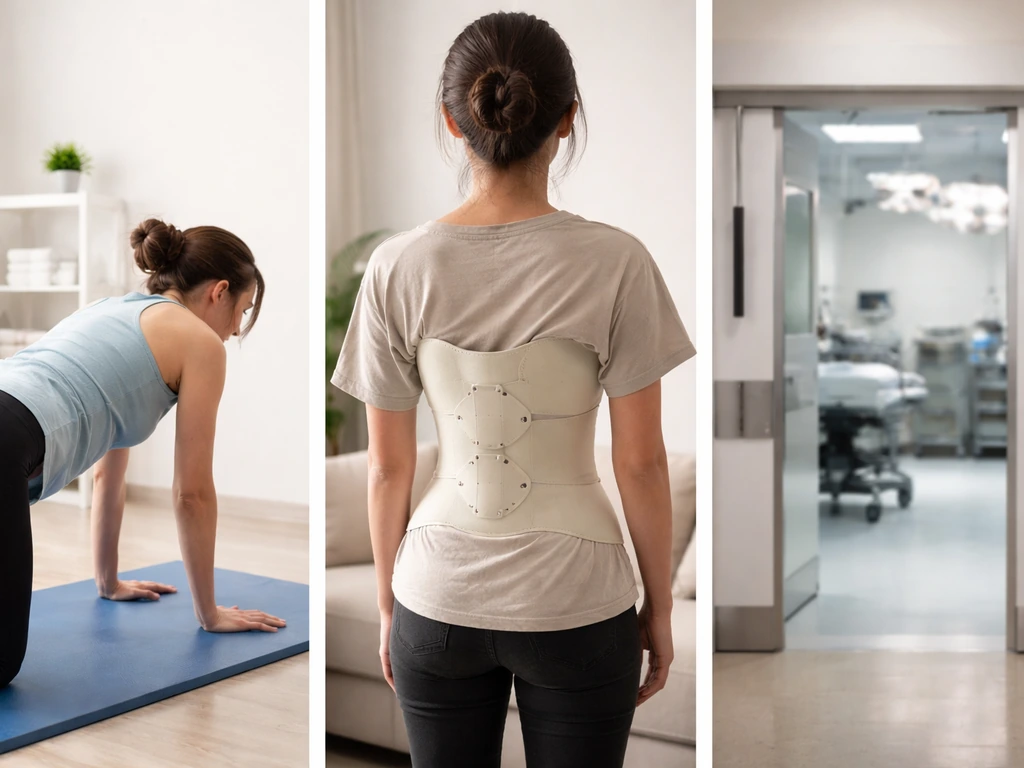
Not all scoliosis interventions are created equal, and the right option depends on your curve severity, age, and whether the curve is progressing. Here's a honest breakdown of what each approach can and can't do.
Physical therapy and scoliosis-specific exercise
Scoliosis-specific exercise programs, most notably the Schroth method, are designed to teach postural correction, strengthen spinal stabilizers, and retrain breathing patterns affected by curve-related rib cage changes. For mild to moderate curves (roughly under 40 to 45 degrees), physical therapy can improve how you hold yourself, which directly affects how tall you look and measure. It also supports long-term spinal function. PT alone is unlikely to reduce a structural Cobb angle significantly in an adult, but it can absolutely improve apparent height and reduce the day-to-day postural collapse that makes curves look and feel worse.
Bracing
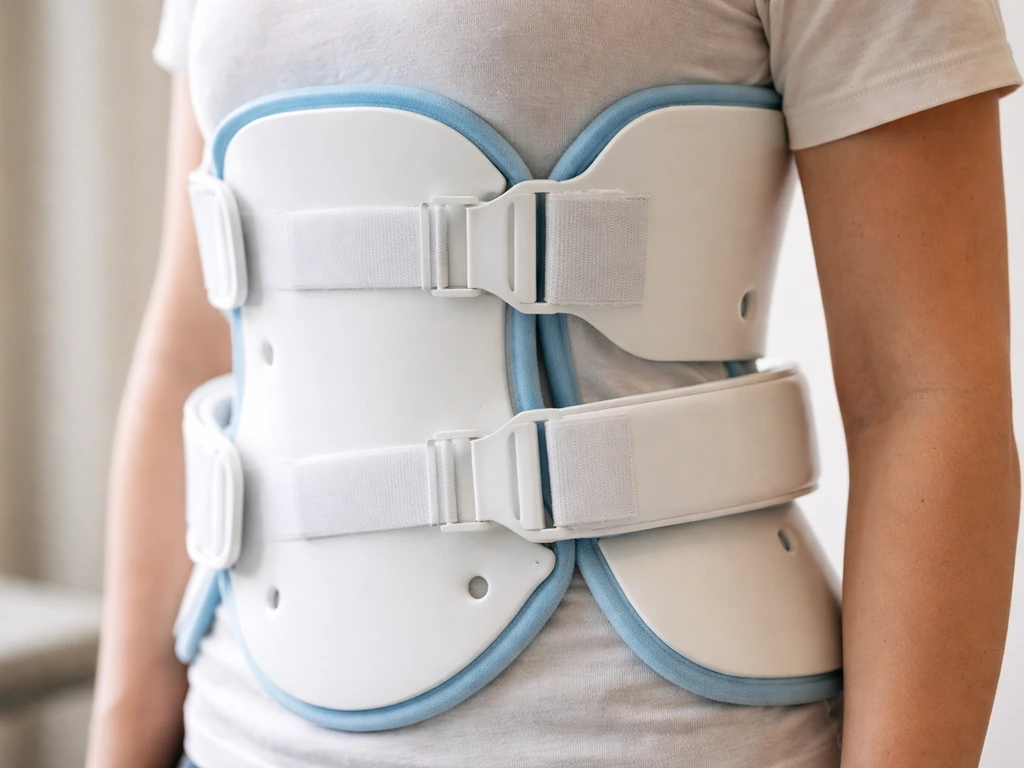
Bracing (most commonly the TLSO or Boston brace) is primarily a tool for skeletally immature patients with curves in the 25 to 45 degree range. Its goal is to prevent the curve from progressing during the remaining growth period, not to correct existing curvature. Evidence from the BRAIST trial and similar studies supports that compliant brace wear reduces progression rates meaningfully. By preventing a curve from worsening during growth, bracing indirectly protects future height, though it doesn't straighten the spine on its own.
Surgery
Spinal fusion surgery is typically reserved for curves above 45 to 50 degrees, progressive curves in still-growing patients, or cases with significant pain or functional compromise. Surgery can produce the most dramatic alignment correction and, with it, the most significant recovery of standing height. Reports of patients gaining 2 to 5 centimeters of height after surgical correction are not unusual for large curves. That said, surgery carries real risks and a significant recovery process, so it's only appropriate for specific cases. It's not a height-enhancement strategy, it's a medical intervention for serious structural deformity.
Safe exercises and posture strategies
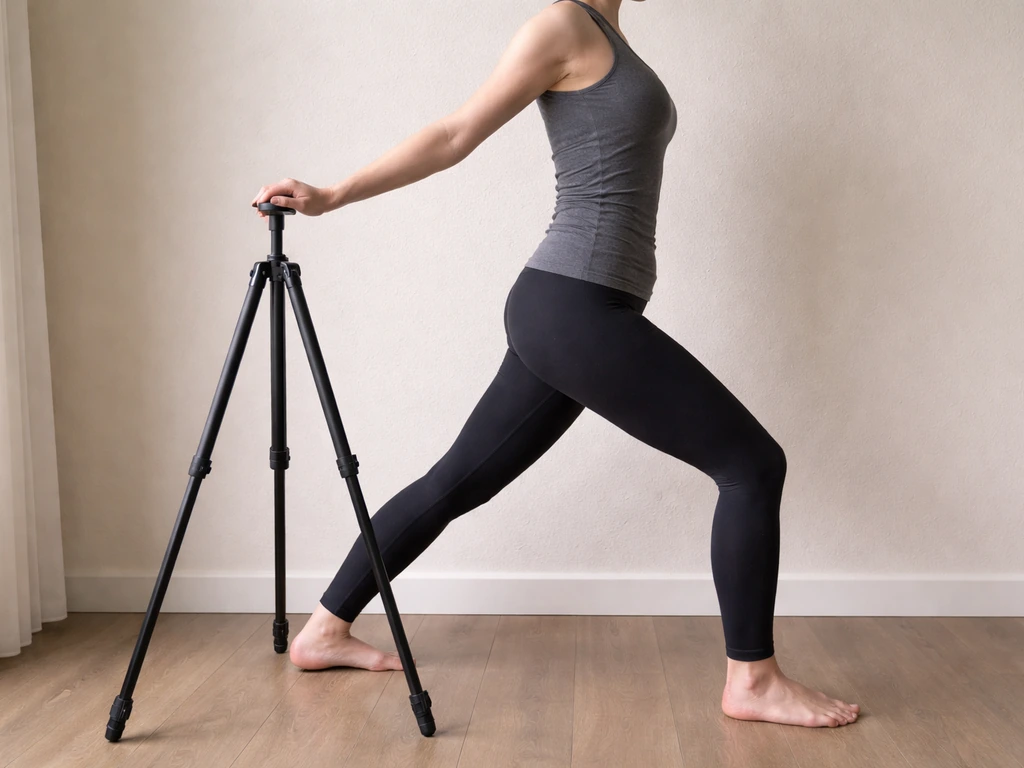
Exercise won't structurally reduce a Cobb angle on its own, but it plays a real role in how you carry yourself, how your posture looks, and how well your spine functions day to day. If you are wondering whether yoga help grow taller, the most realistic benefit is usually posture and spinal alignment rather than new bone length does yoga help grow taller. The right approach depends on your curve, so always clear a new exercise routine with your care team first. That said, here are evidence-informed strategies that tend to help.
- Schroth method exercises: curve-specific postural correction and breathing exercises that have the best evidence base for scoliosis rehabilitation
- Core stabilization: deep stabilizer work (transversus abdominis, multifidus) supports spinal alignment without loading the curve asymmetrically
- Thoracic mobility work: gentle thoracic extension and rotation exercises can reduce the postural stiffness that exaggerates how pronounced a curve looks
- Swimming: often recommended because it works the whole spine symmetrically and reduces compressive load
- Yoga and Pilates: can support spinal awareness and flexibility; some specific poses help scoliosis posture, though the evidence for significant curve reduction is limited — symmetry matters more than the activity itself
A few things to approach cautiously: heavy axial loading exercises like loaded squats and deadlifts with poor form can increase compressive forces on a curved spine and deserve more careful technique attention. High-impact activities aren't categorically off-limits, but form and symmetry matter more than usual. Avoid any exercise program that promises to "cure" scoliosis or dramatically straighten your spine, that's not physiologically realistic through exercise alone.
It's worth noting that inversion tables and spinal decompression devices get attention in height-focused circles. While they can temporarily elongate the spine by reducing disc compression, there's no solid evidence that they produce lasting structural change in scoliosis specifically. The same cautious, evidence-aware lens applies to chiropractic adjustments and massage for height gain: both can support comfort and posture, but neither reorganizes bone structure. Chiropractors may be able to help some people improve posture and comfort, but they do not lengthen your bones chiropractic adjustments. Massage may feel like it helps, but evidence for actual height growth is limited; it mainly relates to comfort and posture rather than changing bone length massage for height gain. They may help you stand better, which shows up as apparent height.
Setting realistic expectations based on your curve
Scoliosis is not one condition, it's a spectrum. A 15-degree thoracic curve in a 13-year-old growing girl is a completely different clinical situation from a 55-degree lumbar curve in a 35-year-old adult. Your realistic outcome range depends on where you fall in that spectrum.
| Curve severity (Cobb angle) | Growth status | Realistic height-related outcome | Recommended approach |
|---|---|---|---|
| Mild (under 25 degrees) | Any | Minimal height impact; posture improvement possible | PT, postural awareness, monitoring |
| Moderate (25-45 degrees) | Still growing | Preventing progression protects height potential; modest correction possible | Bracing plus scoliosis-specific PT |
| Moderate (25-45 degrees) | Skeletally mature | Apparent height improvement through alignment; no true height gain | PT, Schroth, core strengthening |
| Severe (45+ degrees) | Still growing | Surgical correction can recover meaningful height and prevent further loss | Orthopedic evaluation for surgery |
| Severe (45+ degrees) | Skeletally mature | Surgical correction may recover 1-5 cm apparent height; PT for function | Surgical evaluation if symptomatic |
A realistic mindset means separating two goals: maximizing how tall you stand (achievable through alignment work at almost any age) and maximizing how tall your skeleton grows (only possible during childhood and adolescence). Being honest about which goal applies to you will help you choose the right interventions and avoid wasting time or money on approaches that can't deliver what you're hoping for.
What to do right now: your next steps
If you haven't had a formal scoliosis assessment recently, that's the first move. An orthopedic spine specialist or a physiatrist (physical medicine and rehabilitation physician) can get standing X-rays, measure your Cobb angle accurately, and assess your skeletal maturity. This gives you the actual numbers to work from instead of guessing.
- Book an appointment with an orthopedic spine specialist or physiatrist and ask for standing full-spine X-rays if you haven't had recent imaging
- Ask your provider for your current Cobb angle measurement, which spinal segments are affected, and whether your growth plates are open or closed
- Ask specifically: 'Is my curve progressing, and what is my risk of further progression?'
- Request a referral to a physical therapist with scoliosis-specific training, ideally someone certified in the Schroth method
- If you're in the moderate-to-severe range and still growing, ask your orthopedist about bracing and what compliance level is needed for it to be effective
- If your curve is above 45 degrees or causing breathing or neurological symptoms, ask for a surgical consultation even if you're not sure you want surgery — it's worth knowing your options
- Track your standing height over time: measure first thing in the morning under the same conditions to get a consistent baseline
- Optimize the factors you can control regardless of scoliosis: adequate protein and calcium intake, quality sleep (growth hormone peaks during deep sleep), and consistent physical activity all support the best possible outcome during growth years
The honest answer is that scoliosis complicates the height picture but doesn't make improvement impossible. If you are wondering whether God can help you grow taller, it may help to focus on practical treatments that support your posture and (if you are still growing) your spine alignment can god help me grow taller. At almost any age, better spinal alignment means standing taller. During active growth, treating scoliosis can genuinely protect and even recover true height potential. The key is acting with clear information about your specific curve, your growth stage, and what each intervention can realistically deliver.
FAQ
If my growth plates are closed, can scoliosis still make me look taller?
Yes, but only in the “apparent height” sense. If your growth plates are closed, scoliosis treatment cannot lengthen bones, but improving spinal alignment, rib cage position, and day-to-day posture can let you measure taller when you stand.
Why does my measured height seem to change day to day with scoliosis?
Often, because scoliosis-related posture collapse can vary. You may look different when measured right after waking versus later in the day, after different activities, or when you intentionally correct posture, so compare measurements using consistent timing and technique.
Can Schroth exercises reduce my Cobb angle, or is it mainly posture?
PT and Schroth-style work can improve alignment and appearance for many people, but a structural Cobb angle reduction is not reliably expected in adults. If your goal is curve straightening, ask your clinician whether your case has a realistic chance of Cobb angle change versus mainly posture and apparent height gains.
Who benefits most from bracing if height is my main concern?
Bracing can help most when you are still growing and the curve is in the typical range where progression risk is meaningful. If you are near skeletal maturity, bracing may be less about improving height outcomes and more about stabilizing symptoms and preventing deterioration.
Does wearing a TLSO/Boston brace make your bones grow longer?
Braces generally aim to stop progression, not to “add” height directly. The height protection benefit comes indirectly by preserving the geometry of a spine that is still developing, so ask what your skeletal maturity stage is and what progression risk looks like.
If I get fusion surgery, how much height recovery should I realistically expect?
It depends on the curve type and your growth stage. Surgery can improve standing height by correcting alignment, but the amount varies, and some of the “gain” reflects better posture after healing. Discuss expected centimers based on your pre-op measurements and target alignment goals.
Can my standing height improve even if my Cobb angle doesn’t change much?
Some people have apparent height recovery without a big Cobb angle change, especially if posture and trunk balance improve. Ask whether your clinician will track both standing height and curve alignment goals, not just Cobb angle.
Are squats and deadlifts safe for scoliosis if I’m trying to improve height?
Start by checking form under guidance, because compressive loads and asymmetrical bracing can worsen symptoms in some people. If you want to lift, ask for an assessment of your technique and a plan for modifying load, stance width, and progression.
How can I tell if an exercise program is unrealistic or risky?
Be cautious with anything marketed as a cure or guaranteed straightening. A good program should have measurable goals (pain, function, posture metrics), should not promise permanent bone lengthening, and should be tailored to your curve pattern and severity.
Do inversion tables or decompression devices permanently help with scoliosis height?
Temporary elongation can happen, and you may feel “taller,” but that does not mean lasting structural change. If you consider inversion or decompression devices, treat them as comfort tools, and ask your clinician how to use them safely given your pain, curve severity, and any neurologic symptoms.
Can chiropractic care or massage increase my height with scoliosis?
Massage and chiropractic care may help with comfort or short-term posture, but they do not reorganize bone structure or reliably change the Cobb angle. If you’re prioritizing height recovery, pair comfort care with scoliosis-specific assessment and a plan from a spine-trained clinician.
How should my treatment priorities change based on whether I’m still growing?
Your timeline changes the decision. If you are still growing, the priority is controlling progression (exercise, bracing, or surgery if indicated) to protect future potential. If you are an adult, the priority is optimizing apparent height and function, because true bone lengthening is not an option.
What should I ask for during my next scoliosis height-focused assessment?
Schedule a fresh evaluation if you do not know your current Cobb angle and skeletal maturity, especially before investing in long-term height strategies. Ask for standing and possibly side-bending or other functional assessments, because the posture component can influence how tall you measure.
Next Article
Can Chiropractors Help You Grow Taller? Realistic Answers
Can chiropractors make you taller? Learn what affects height, likely posture gains, limits after growth plates close.