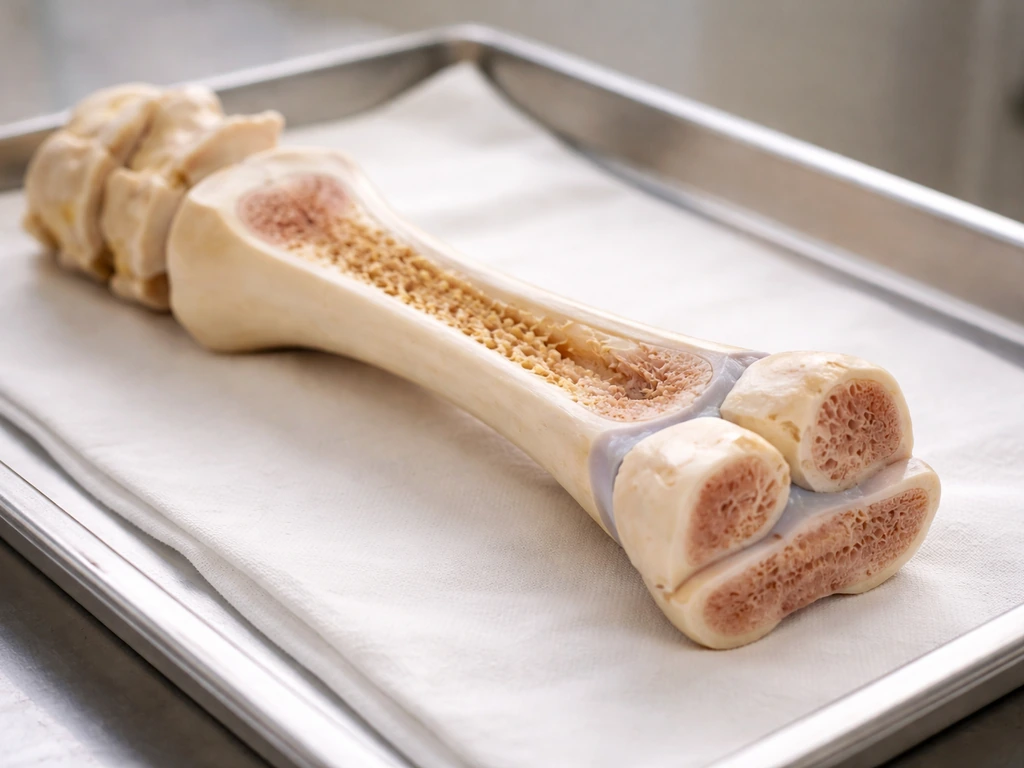
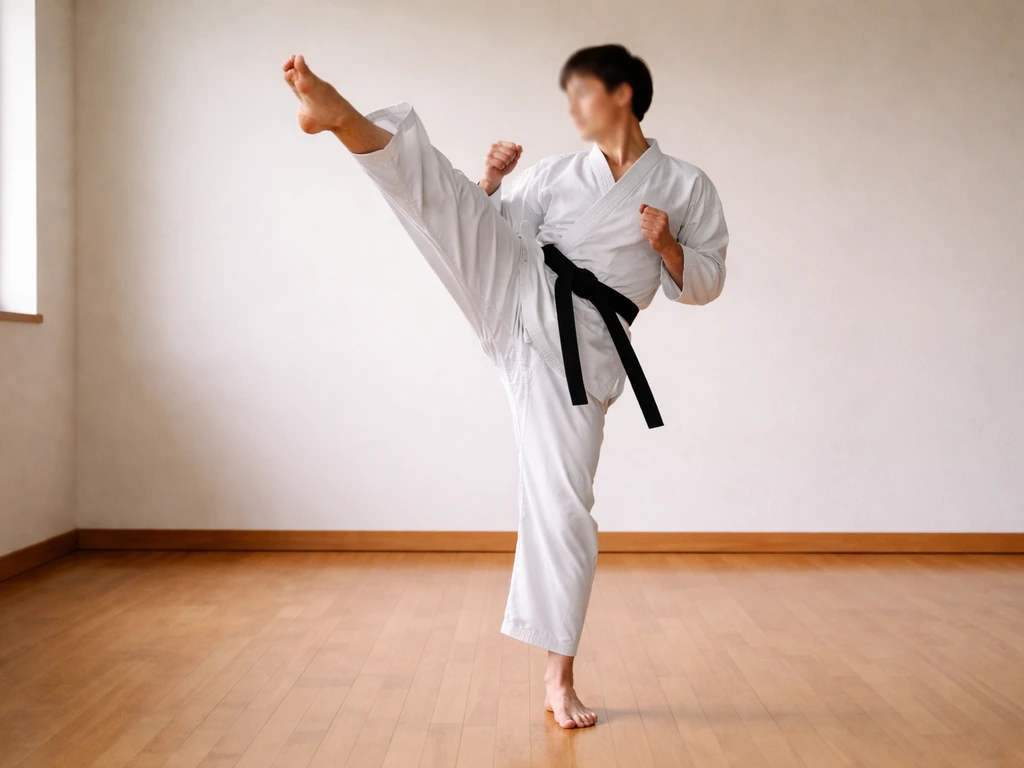
Karate won't make you taller in the way most people hope. It cannot lengthen your bones or reopen growth plates that have already fused. What it can do, particularly for kids and teenagers who are still growing, is support the conditions your body needs to reach its genetic height potential: regular physical activity, good posture, and a lifestyle that keeps stress hormones low and growth hormones firing. For adults, the honest answer is that any height gains from karate come down to posture and spinal decompression, not actual bone lengthening.
Does Karate Help You Grow Taller? What to Expect by Age

Marcus Reeves
27 May 2026
How height actually grows
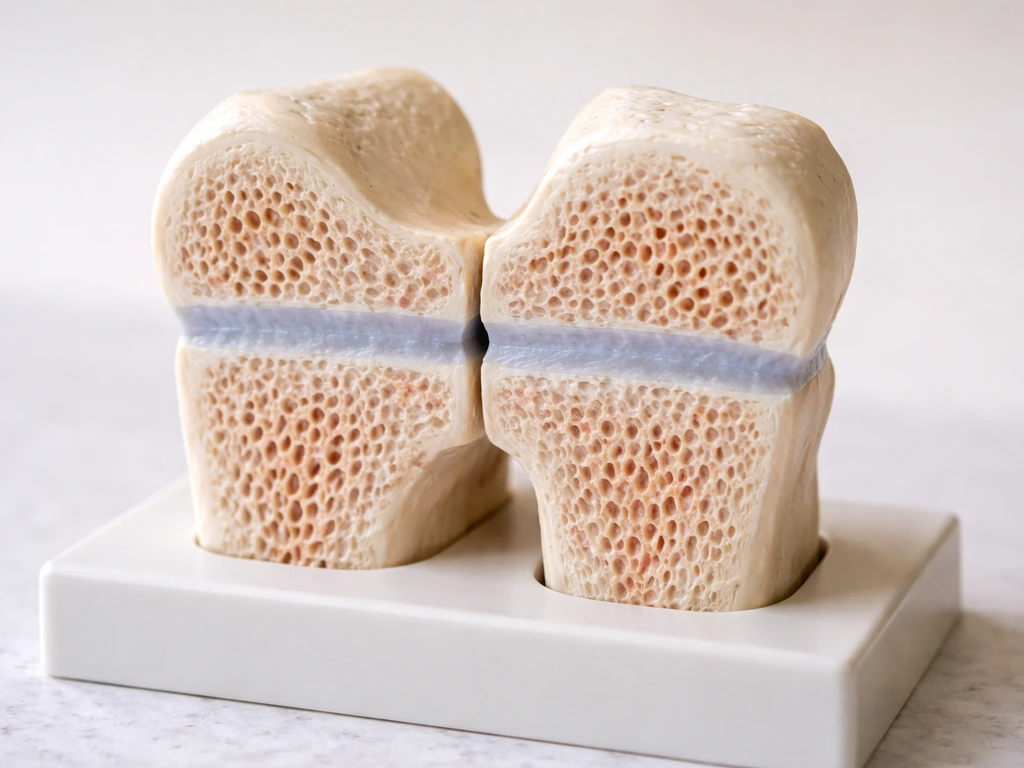
Your height is determined by the length of your long bones, primarily the femur and tibia in your legs. Bones grow at the epiphyseal plates, also called growth plates, which are thin layers of cartilage near the ends of long bones. When cells in these plates divide and stack, your bones get longer. Once puberty winds down, the growth plates gradually harden and fuse into bone, and that's it for linear growth. Nothing, not exercise, not supplements, not stretching, can reopen a fused growth plate. People often ask can i grow taller with subliminals, but the research still points to growth plates and overall health habits as the real drivers of height potential supplements.
The hormonal machinery running this process is worth understanding. blank" rel="noopener noreferrer">Growth hormone (GH) triggers the release of IGF-1, which drives chondrocyte activity in the growth plates and keeps bone elongation going. During puberty, blank" rel="noopener noreferrer">estrogen (in both boys and girls) amplifies the GH/IGF-1 growth spurt in the short term, but at higher levels it also pushes the growth plates toward senescence and eventual fusion. Boys typically hit their main growth spurt roughly two years into puberty, and the spurt can last several years before tapering off as estrogen levels rise and plates fuse. Girls tend to start and finish this process a bit earlier. Genetics sets the ceiling for all of this, and hormonal health determines how close you get to it.
What karate can realistically change in your body
Karate is a weight-bearing, impact-based activity that combines striking, kicking, blocking, stances, and a lot of core work. Here is what that mix actually does to your musculoskeletal system.
Bone loading and density
Impact loading, the kind you get from punching, kicking, jumping, and landing in karate, applies mechanical stress to bones. If you want to explore whether jumping specifically helps you grow taller, it helps to separate changes in bone loading and posture from true bone lengthening jumping help you grow taller. That stress stimulates bone remodeling and increases bone density over time. Denser bones are healthier and more resilient, but bone density is not the same as bone length. Your bones can become stronger without becoming longer. That said, for a growing child, maintaining good bone health through weight-bearing activity does support the structural foundation that healthy growth requires.
Posture and spinal alignment
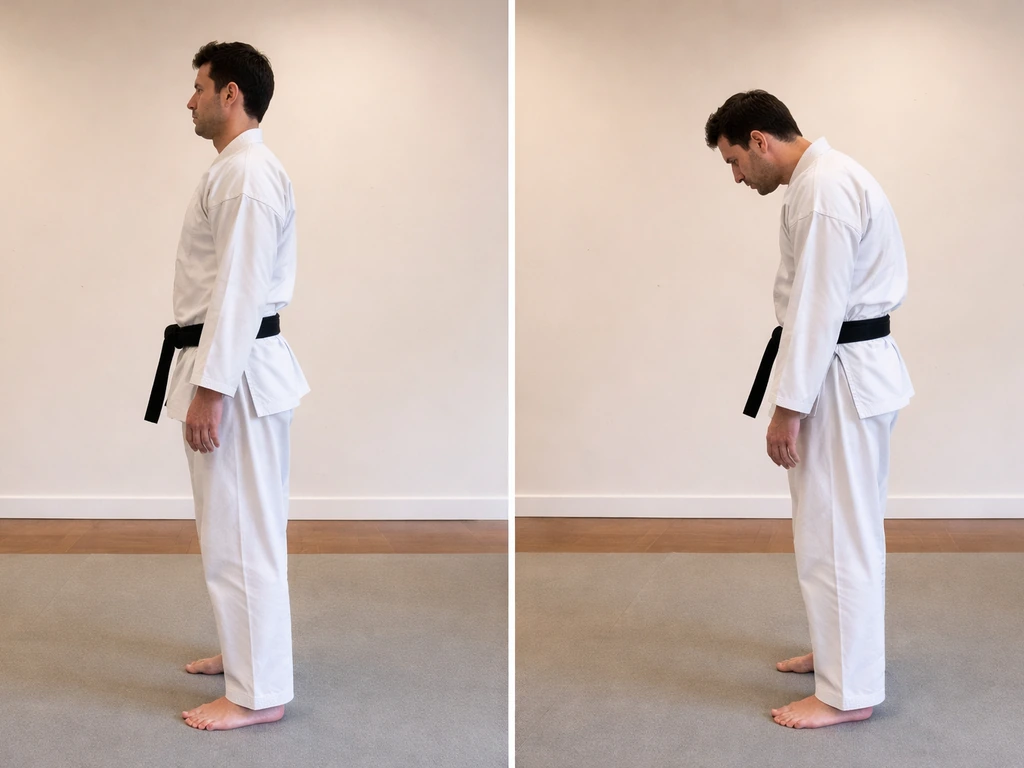
This is where karate's most visible height effect actually lives. Traditional karate places enormous emphasis on upright posture, engaged core muscles, and proper spinal alignment. The spine has natural curves, and when those curves are exaggerated by weak core muscles, tight hip flexors, or habitual slouching, you can lose a centimeter or more of apparent height. Karate training systematically strengthens the postural muscles around the spine, the erector spinae, the deep abdominals, and the muscles of the upper back. Over months of consistent practice, this can noticeably improve how tall you stand. It's a real, measurable change. It's just not the same as growing taller.
Flexibility and range of motion
Karate involves regular stretching, particularly of the hips, hamstrings, and spine. Better flexibility, especially in the hip flexors and posterior chain, reduces spinal compression and helps you stand and move more freely. Again, this contributes to looking and feeling taller, and it reduces the kind of chronic compression that can accumulate from sedentary habits, but it doesn't add length to your skeletal frame.
What the research actually says about exercise and height
There is no large, well-controlled study that isolates karate specifically and measures its effect on final adult height. That's worth saying clearly upfront. What research does show, more broadly, is that regular physical activity during childhood and adolescence is associated with healthy growth patterns, better bone development, and a higher likelihood of reaching genetic height potential. The mechanism is partly hormonal: exercise, especially moderate to vigorous activity, stimulates GH secretion. For a growing child, keeping GH and IGF-1 activity healthy throughout the growth window supports the process. Karate fits comfortably into that category.
The flip side also matters. Extreme overtraining in young athletes, particularly in sports with severe weight-cutting or caloric restriction, is associated with delayed puberty and impaired growth. Karate at recreational or even competitive levels, without extreme weight manipulation, does not fall into this risk category. The concern isn't karate itself. It's any scenario where chronic under-fueling, overtraining, or severe stress suppresses the hormonal environment that growth depends on.
Age matters a lot here
The age at which someone starts karate changes the conversation entirely.
| Life stage | Growth plates | What karate can do for height | Realistic outcome |
|---|---|---|---|
| Children (before puberty) | Open and active | Supports healthy GH activity, bone development, posture habits | May help reach genetic potential; no direct bone-lengthening effect |
| Teenagers (during puberty) | Open but narrowing | Keeps activity levels up, supports hormonal health, builds posture | Best window for meaningful support; still indirect |
| Late teens (post-spurt) | Closing or recently fused | Posture improvement, spinal flexibility, bone density | Minimal to no effect on final height; posture gains still valuable |
| Adults (plates fused) | Fully fused | Posture correction, spinal decompression, flexibility | No change in bone length; posture can add apparent height |
For kids and teenagers, the window is real. If karate keeps a child consistently active, sleeping well, eating enough, and moving their body through a full range of motion, it is genuinely supporting the conditions for healthy growth. For adults, the growth plate question is settled. The plates are fused, the bones are done lengthening, and no amount of karate or any other exercise changes that. What adults can reasonably expect from karate is better posture, stronger core muscles, and potentially the recovery of height they've been losing to slouching and spinal compression.
Myths worth putting down
A few claims keep circulating online about martial arts and height, and they deserve a direct response. Note that there is no good evidence that circumcision helps you grow taller, because height depends on growth plates, hormones, and overall childhood health does circumcision help you grow taller.
- "Karate stretches your bones longer": Stretching soft tissue does not elongate bone. Bones grow at the growth plate through cellular division, not mechanical pulling. No stretch, kick, or jump changes bone length in an adult.
- "Martial arts can reopen growth plates": Fused growth plates are permanent. There is no known exercise, therapy, or intervention that reopens them once closed. This claim has no physiological basis.
- "Any exercise overrides genetics": Genetics sets your height ceiling. Exercise, nutrition, and sleep help you reach that ceiling. They can't raise it.
- "Karate stunts growth in kids": Recreational karate does not stunt growth. This myth stems from concerns about extreme overtraining or weight-cutting in some combat sports, which do not apply to typical karate training.
- "Better posture from karate is the same as growing taller": Posture improvement is genuinely valuable and can make you appear noticeably taller, but it represents recovering height you were already structurally capable of, not adding new bone length.
It's also worth noting that karate isn't unique in these effects. Cold showers have been touted for health benefits, but they are not proven to increase final adult height. The same logic applies to many physical activities. Swimming, jumping-based sports, and other regular exercise forms create similar environments for healthy growth without any single one being a magic height trigger.
If you are wondering whether can swimming help you grow taller, the answer is similar: it can support healthy growth conditions, but it does not reopen fused growth plates. For example, jumping-based sports can support healthy growth conditions, but they do not reopen fused growth plates or create true height gains after the growth window ends. The common thread is consistent activity, good recovery, and adequate nutrition.
How to actually maximize height potential alongside karate

If you are a parent, teen, or someone still in the growth window, here is what a genuinely height-supportive routine looks like when paired with karate training.
Sleep: the most underrated lever
The majority of GH secretion happens during deep sleep. Adolescents need 8 to 10 hours per night, and consistently cutting this short suppresses the hormonal environment that drives growth. If a teen is training karate several times a week, adequate sleep is non-negotiable. Recovery from training also depends on it. This is probably the single most impactful habit for anyone in the growth window.
Nutrition: enough calories and the right building blocks
Chronic undereating suppresses IGF-1 and impairs growth. Growing kids and teens doing regular physical training need sufficient total calories, not a deficit. Beyond calories, specific nutrients matter: protein for bone and muscle matrix, calcium (dairy, fortified foods, leafy greens) for bone mineralization, vitamin D (sunlight, fatty fish, fortified foods) for calcium absorption and bone metabolism, and adequate iron to support the cardiovascular demands of training. If a teenager is restricting food to make a weight class, that's a red flag worth addressing directly.
Training volume and recovery
Moderate, consistent training is what supports healthy growth. Three to four karate sessions a week is plenty for most kids and teens, with rest days built in. Overtraining raises cortisol, which can suppress GH and impair recovery. Signs of overtraining include persistent fatigue, declining performance, disrupted sleep, and mood changes. If you see these, pull back on volume before worrying about anything else.
Posture habits outside the dojo
Karate builds postural muscle, but if a teen spends six hours a day hunched over a phone or laptop, those gains are partially offset. Encourage awareness of sitting and standing posture during daily life. Simple habits like setting up a desk at proper height, taking movement breaks from screens, and doing a few minutes of spinal extension work each day compound well over time.
When to consider a medical evaluation
Most kids grow on a predictable curve, and karate won't disrupt that. But if a child or teenager is significantly shorter than peers of the same age and sex, shows no signs of puberty at the expected age, or has stopped growing entirely earlier than expected, that's worth discussing with a pediatrician or endocrinologist. Growth failure, delayed puberty, or hormonal issues are medical questions, not training questions. A doctor can check growth plate status with an X-ray (bone age study) and assess whether the hormonal environment is functioning normally. Early intervention in genuine growth disorders makes a meaningful difference.
Your practical checklist
- Get 8 to 10 hours of sleep every night, consistently, not just on weekends.
- Eat enough total calories to support both growth and training. Don't restrict food to make weight.
- Prioritize calcium and vitamin D through food sources; consider a supplement if dietary intake is consistently low.
- Keep karate training at a sustainable volume, roughly 3 to 4 sessions per week, with real rest days.
- Work on posture outside training: reduce prolonged slouching, do daily spinal extension stretches.
- If growth seems delayed or abnormal, see a doctor rather than looking for an exercise fix.
FAQ
How much taller can you get from karate, realistically?
If growth plates are still open, karate may help you reach your genetic height potential by supporting sleep, nutrition, posture, and healthy training. If growth is already finished, increases are typically about appearance, not bone length, often from improved alignment and reduced slouch-related height loss rather than true centimeters of growth.
Will karate make me taller if I start after puberty?
After growth plates fuse, karate cannot add true height. What you can still gain is “usable height,” meaning straighter posture, stronger core and upper-back muscles, and less spinal compression. Some people also notice improved mobility, which can make standing and walking look more upright.
Does punching or kicking hurt growth plates and stunt height?
Normal karate training is not known to stunt height, because growth depends on growth plate status and overall hormonal health. The real risk comes from extreme scenarios like chronic under-fueling, severe weight cutting, or overtraining that suppresses the GH and IGF-1 environment. Use age-appropriate training loads and adequate calories to reduce that risk.
What if my kid is short for their age, should we use karate to fix it?
Karate can support healthy conditions, but it should not delay medical evaluation. If height is far below peers, puberty starts late, or growth has clearly slowed, talk with a pediatrician or endocrinologist to check bone age and hormonal factors. Think of karate as supportive, not a diagnostic substitute.
Can posture training from karate “make you taller” right away?
You might notice quicker changes if your slouching posture improves within weeks, especially from stronger core engagement and better stance habits. True, lasting appearance changes usually take months of consistent practice plus daily posture reinforcement outside the dojo.
Is stretching in karate enough to decompress the spine and add height?
Stretching can improve hip flexor and posterior-chain flexibility, which may reduce compression and help you stand more comfortably. But stretching alone does not reopen fused growth plates, and excessive stretching without core strengthening can sometimes worsen instability. Pair flexibility work with trunk control and proper alignment.
How many karate sessions per week are ideal for height support?
For most children and teens, about 3 to 4 sessions per week is typically enough, as long as they get rest days and recover well. More is not automatically better, especially if it reduces sleep or causes persistent fatigue. Watch for training-induced changes like declining performance and disrupted sleep.
Does karate help boys and girls differently for growth and height potential?
The general biology is similar, but timing differs. Girls often start and complete the growth-spurt and plate maturation earlier than boys, so the most relevant “window” for true growth support depends on where the child is in puberty. That makes sleep, nutrition, and training balance equally important throughout each person’s growth timeline.
Could karate help if I feel I’ve lost height as an adult?
Yes, often indirectly. If your “height loss” is from slouching or spinal compression, better posture muscle strength and improved mobility can restore part of the height you lost in daily life. If you have sudden or painful height loss, worsening curvature, or neurologic symptoms, get evaluated instead of assuming it is only posture.
Are there supplement or hormone approaches that work with karate to grow taller?
In general, supplements or hormone-related strategies are not a safe shortcut for height once growth plates are fused. The most practical path is optimizing sleep, calories, protein, calcium and vitamin D, and avoiding restrictive weight manipulation. If there are concerns about growth, a clinician can assess whether any medical treatment is appropriate.
What’s a sign karate is becoming counterproductive for a teen’s growth?
Red flags include persistent fatigue, falling performance, frequent injuries, mood changes, appetite suppression, and shortened or disturbed sleep. Another major red flag is intentional caloric restriction or weight cutting for a weight class. In those cases, reduce training load and address nutrition first.
Next Article
Can I Grow Taller With Subliminals? Evidence, Limits, Steps
Can subliminals increase height? Evidence on growth plates and age, realistic limits, measurement effects, and safe step