
Circumcision does not help you grow taller. There is no credible biological mechanism by which removing the foreskin influences linear bone growth, and no peer-reviewed evidence shows a reliable connection between circumcision and final adult height. This is one of those questions where the science is genuinely clear: height is driven by growth plates, hormones, genetics, nutrition, and sleep, none of which are meaningfully affected by a localized skin-removal procedure.
Does Circumcision Help You Grow Taller? Evidence and Real Options

Marcus Reeves
30 Jun 2026
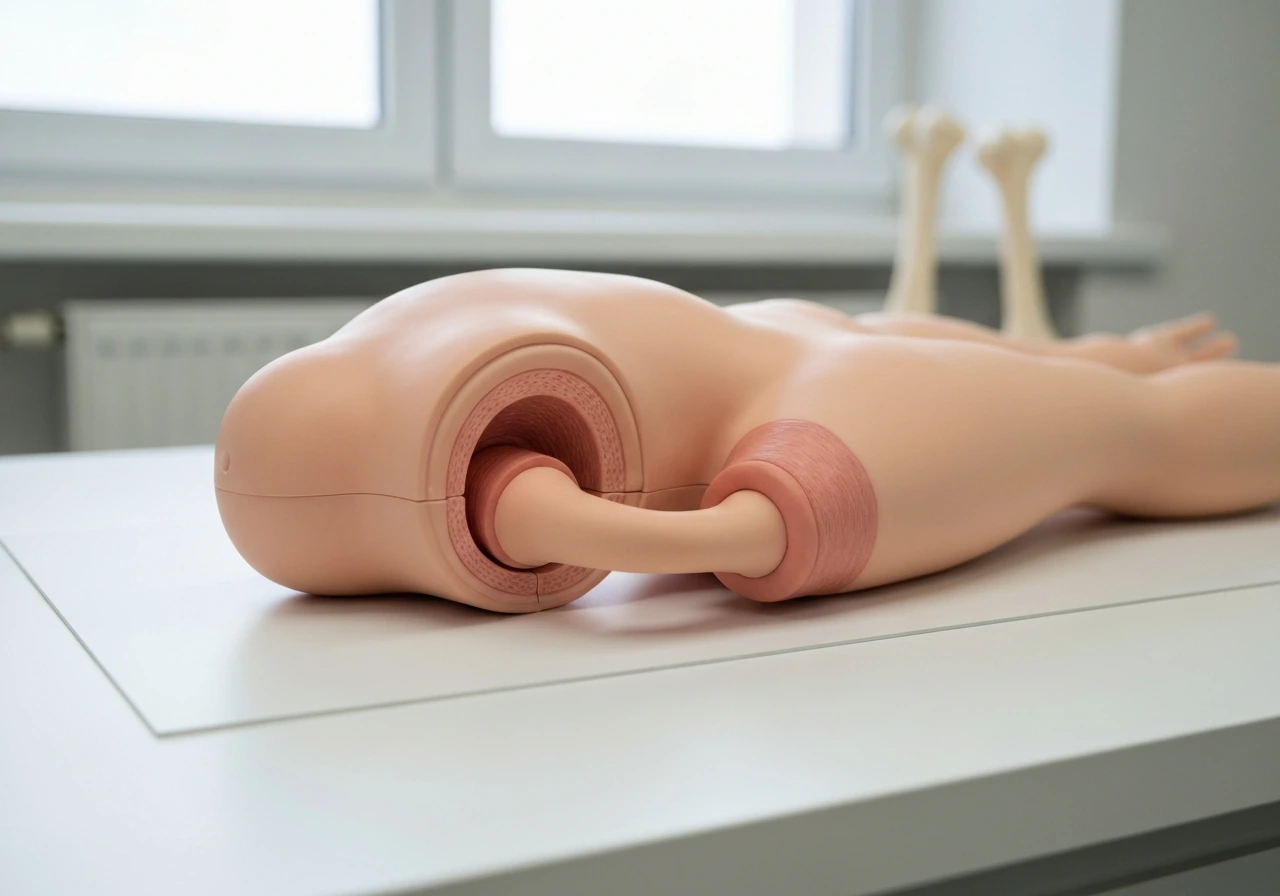
What circumcision actually is and what changes in the body
blank" rel="noopener noreferrer">Circumcision is a surgical procedure that removes the foreskin, the fold of skin that covers the glans (head) of the penis. That is the full extent of what changes anatomically. Clinicians use one of several techniques depending on the patient's age and the clinical setting: common adult and adolescent methods include the blank" rel="noopener noreferrer">forceps-guided technique, the dorsal slit, and sleeve resection, all of which are described in WHO clinical guidance for male circumcision under local anesthesia. Newborn circumcision uses different devices and is typically faster. The NHS performs it only for medical reasons, such as repeated infections or a tight foreskin that causes problems, while the Cleveland Clinic notes it involves excision of the foreskin with a scalpel or similar instrument.
What does NOT change: bone structure, skeletal growth plates, hormonal output from the pituitary gland, the hypothalamic-pituitary-gonadal axis, muscle mass, organ function, or nutrient absorption. The procedure is confined to local penile tissue. Recovery involves some pain, swelling, and a short healing period. Large U.S. administrative data from 2001 to 2010 put the adverse-event rate for newborn circumcision in medical settings at well under one percent (around 0.30% using a specific definition). It is, in clinical terms, a minor localized surgery with systemic effects that are temporary and modest.
How height growth actually works
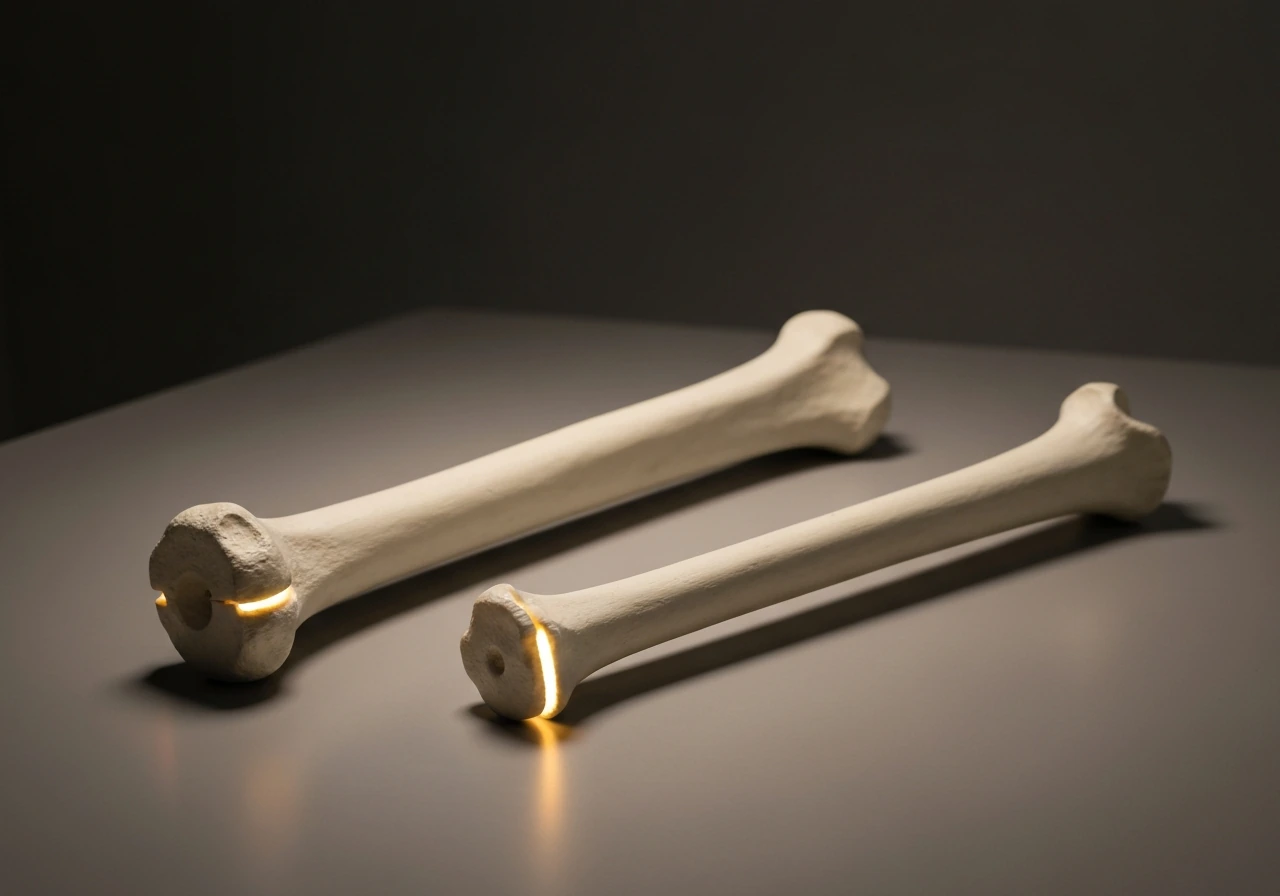
Linear height growth happens at the growth plates, thin cartilaginous zones near the ends of long bones like the femur and tibia. Specialized cells called chondrocytes proliferate and then calcify, adding new bone length over time. This process is tightly regulated by growth hormone (GH) released by the pituitary gland, which triggers the liver to produce insulin-like growth factor 1 (IGF-1), the main mediator of bone lengthening. Sex hormones, particularly testosterone and estrogen, accelerate growth during puberty and then trigger the growth plates to fuse, ending the growth process entirely. Once the plates are fused, no intervention, whether dietary, surgical, or otherwise, can add meaningful bone length.
Genetics sets the ceiling. Estimates consistently show that 60 to 80 percent of height variation between individuals is inherited. The remaining variance is shaped by nutrition (protein, calcium, zinc, vitamin D, and overall caloric adequacy during childhood and adolescence), sleep quality (GH is predominantly secreted in pulses during deep slow-wave sleep), chronic illness or inflammation (which can suppress GH and IGF-1 signaling), and the timing of puberty onset. Early puberty can produce a short burst of fast growth followed by earlier plate fusion, which sometimes results in a shorter adult height than expected. All of these factors matter. Circumcision touches none of them.
Does circumcision affect any of the biology that drives height?
Let's go through the specific claims that circulate online, because they sound plausible on the surface and deserve a direct answer.
Does it boost growth hormone?
No. GH is produced by the anterior pituitary gland in the brain. Its secretion is regulated by hypothalamic signals (GHRH and somatostatin), sleep, exercise, and blood sugar levels. A skin procedure on the genitals has no established pathway to alter pituitary function or GH pulse amplitude. The idea that circumcision 'frees up' resources or energy for growth is not supported by any endocrinology research.
Does it increase testosterone?
There is no reliable evidence that circumcision changes circulating testosterone levels in a meaningful or sustained way. Testosterone is produced primarily in the Leydig cells of the testes, not the foreskin. Some studies have looked at sexual function and hormonal markers post-circumcision, but findings are mixed and effect sizes are small. Even if there were a minor short-term fluctuation, the idea that it would translate into additional height is biologically implausible, especially because testosterone's main effect on height is to eventually close growth plates, not extend them.
Does preventing foreskin infections 'unlock' height?

This is the most nuanced version of the argument, and it is worth taking seriously. Chronic, recurrent infection and systemic inflammation can genuinely suppress growth in children. Conditions like repeated urinary tract infections or severe chronic illness do impair GH and IGF-1 signaling over time. The Johns Hopkins Medicine summary of AAP findings notes that uncircumcised infants have a higher UTI risk. However, the critical distinction is that occasional UTIs in otherwise healthy children do not produce the sustained inflammatory suppression needed to measurably impair height. The scenario where circumcision would plausibly benefit height is extremely narrow: a child experiencing severely recurrent, treatment-resistant infections that are chronic enough to genuinely suppress growth, who then has the infections resolved. Even then, you would be removing the suppressor of growth, not adding a growth stimulus. The net effect on final height in that scenario would likely be modest at best.
Does it improve nutrient absorption?
No. Nutrient absorption happens in the gastrointestinal tract. The foreskin has nothing to do with how the intestines absorb protein, zinc, calcium, or vitamin D. This claim has no anatomical basis whatsoever.
What the evidence actually shows (and doesn't show)

There are no randomized controlled trials or high-quality cohort studies that have found circumcision to be a meaningful predictor of final adult height. The research on circumcision focuses on UTI risk, STI prevention, hygiene, penile conditions like phimosis, and sexual health outcomes. Height simply does not appear as an outcome in this literature because there is no strong theoretical reason to look for it.
Occasionally, population-level observations note that circumcision rates and average heights co-vary across countries, but this is classic confounding: both are correlated with national income, healthcare access, diet quality, and other socioeconomic factors that independently drive height. Correlation in population data is not evidence of a causal mechanism, and when researchers have studied growth outcomes, the variables that consistently predict height are nutritional status, disease burden, and socioeconomic conditions, not circumcision status.
Age changes everything: kids, teens, and adults
Your age at the time of circumcision, or when you are thinking about it, matters a lot for how to think about growth potential, even though circumcision itself does not drive height.
| Life Stage | Growth Plate Status | Height Potential | Does Circumcision Change Anything? |
|---|---|---|---|
| Newborn / Infant | Open, early growth phase | Maximum potential ahead | No direct effect on growth biology |
| Child (2-10 yrs) | Open, steady growth | Significant potential remains | No, though treating severe chronic illness can preserve growth |
| Adolescent (puberty) | Open but closing with hormonal surge | Last major window for height gain | No direct effect; growth is driven by GH, sex hormones, nutrition |
| Adult (plates fused) | Closed / fully fused | Bone length cannot increase | No effect on height; posture is the only modifiable factor |
For adults, growth plates are fully fused, typically by the late teens in males (though some plates close into the early twenties). No procedure, supplement, or exercise adds bone length after fusion. Any perceived height change in adults comes from posture improvement, spinal decompression from exercise, or morning-versus-evening measurement differences due to intervertebral disc compression. Karate and other sports can support posture, coordination, and overall health, but they do not add measurable bone length that would make you grow taller exercise. Circumcision in adults affects none of these either.
What will actually help you grow taller (or reach your full potential)
If you are young enough that your growth plates are still open, there are real, evidence-backed things you can do to make sure you hit your genetic ceiling rather than falling short of it. These are worth taking seriously because many people do not reach their full potential due to fixable deficiencies.
Nutrition: the most underrated factor

Adequate protein is essential for chondrocyte proliferation and bone matrix production. Calcium and vitamin D support bone mineralization. Zinc deficiency is one of the most consistently linked micronutrient gaps to stunted growth in children and adolescents. If you are in a caloric deficit, your body will prioritize organs over bone growth, so sufficient total caloric intake matters too. Poor nutrition is the single biggest preventable cause of height shortfall worldwide.
Sleep: when growth hormone is actually released
The largest GH pulses in children and adolescents happen during the first few hours of deep slow-wave sleep. Chronically poor or short sleep genuinely suppresses GH output. Getting 8 to 10 hours of quality sleep per night during childhood and adolescence is not optional if you want to maximize height, it is when the majority of the hormonal growth work happens.
Exercise: load-bearing and high-impact activities

Activities that apply mechanical load to bones, like running, jumping, and resistance training appropriate for age, stimulate bone development and growth. There is reasonable evidence that high-impact physical activity during the growth years supports bone density and may positively influence growth plate activity. Swimming is lower impact but still beneficial for overall health and posture. Jumping activities like basketball or skipping are often cited in this context.
Treat chronic illness and check in with a doctor
Conditions that cause systemic inflammation, malabsorption (like celiac disease or inflammatory bowel disease), or hormonal disruption can significantly limit growth. If a child or teenager is tracking below their expected growth curve, that is worth investigating with a clinician. An endocrinologist can assess whether GH deficiency, thyroid issues, or other conditions are limiting growth and whether intervention is appropriate. This is a far more productive route than hoping a surgical procedure will shift height trajectory.
- Track height on a growth chart every 6 to 12 months during childhood and adolescence
- Prioritize protein, calcium, zinc, and vitamin D in the diet
- Protect sleep: 8 to 10 hours per night for children, 8 to 9 for teenagers
- Encourage load-bearing physical activity and outdoor play
- Ask a pediatrician if height is tracking significantly below expected percentiles
- See an endocrinologist if growth seems to have stalled or if puberty timing seems off
If you are considering circumcision: what it is actually for
Circumcision is a legitimate medical procedure with real, well-studied benefits and risks that have nothing to do with height. The American Academy of Pediatrics, as summarized by Johns Hopkins Medicine, found that the health benefits of newborn circumcision outweigh the risks, citing reduced UTI risk, reduced risk of certain STIs, and prevention of penile conditions like phimosis and balanitis. The adverse-event rate in U.S. medical settings is low, under half a percent even using broad definitions.
The decision about circumcision, whether for a newborn or an adult, should be made on the basis of those actual documented benefits and risks, along with personal, cultural, and religious considerations. It should not be made with height in mind because height is simply not a credible outcome. Cold showers do not have credible evidence that they help you grow taller height is simply not a credible outcome. If someone is recommending circumcision specifically to improve height, that recommendation has no scientific grounding and should be questioned.
The bottom line is straightforward: circumcision is a minor localized surgery with documented medical indications. Height is determined by growth plate activity, hormones, genetics, nutrition, and sleep. These two things operate in completely separate biological domains. If growing taller is the goal, focus your attention on what the science actually supports: diet, sleep, physical activity, and ruling out any underlying health issues that could be suppressing growth. Those levers are real. Circumcision is not one of them.
FAQ
I am an adult and considering circumcision, could it make me taller?
If your main motivation is height, the answer is no, because adult growth plates are typically fused by the late teens in males and later interventions cannot lengthen long bones. Any “height change” after circumcision is usually explained by posture, differences in how you measure (morning versus evening), or temporary swelling affecting how you stand.
My child’s height is below average, should we consider circumcision to help them grow?
Circumcision is not designed to treat growth-related problems, so it should not be used as a substitute for evaluation. If a child is falling behind on their growth curve, ask a clinician about nutrition, chronic illness or inflammation, delayed or early puberty, and whether endocrine causes like thyroid disorders or growth hormone deficiency need testing.
Could circumcision help height indirectly if infections are involved?
Rarely, some children with severe, recurrent infections and persistent inflammatory burden might experience growth suppression from illness, and resolving that illness could improve growth trajectory. But circumcision itself is not a targeted growth treatment, and the expected height benefit would be indirect and likely small, even in that narrow scenario.
Does circumcision improve vitamin or nutrient absorption, and therefore help you grow taller?
No. Circumcision does not change gut anatomy, vitamin absorption pathways, or dietary digestion. If you are trying to maximize height potential, focus on adequate protein, calcium, vitamin D, zinc, and total calories, and get vitamin D or iron status checked if deficiencies are suspected.
If circumcision does not affect height, what habits actually move the needle during puberty?
For height, the bigger issue is whether sleep and overall nutrition are consistent, because growth hormone pulses depend heavily on deep slow-wave sleep. Aim for adequate total sleep for age, treat conditions that fragment sleep (like obstructive sleep apnea), and avoid chronic calorie restriction.
How do I evaluate online claims that circumcision boosts testosterone or growth hormone?
If someone claims it “increases testosterone,” “improves growth hormone,” or “frees up energy,” that claim should be treated skeptically because the foreskin is not part of the endocrine control system. Testosterone is primarily produced in the testes, and the main growth timeline issue is growth plate fusion, not skin removal.
What should I do instead of focusing on circumcision if my child is not growing as expected?
The most practical step is to compare your child’s current height with their growth curve and consider parental height and pubertal timing. If growth velocity is slow (not just a single short measurement), ask about a targeted workup rather than making a surgical decision based on height concerns.
I heard someone got taller after circumcision, could that be real?
Yes, mismeasurement is common. People often notice “changes” that are actually measurement timing effects, especially if heights are compared in the morning versus evening, or if posture is not standardized. Using the same measuring method and time of day can prevent confusion.
If circumcision is medically necessary, does it change how we should think about growth management?
Circumcision can be appropriate for established medical indications like recurrent infections, phimosis, or other penile conditions. But those decisions should be made for urinary/penile health reasons and personal preferences, not with a goal of increasing height.
Next Article
Does Karate Help You Grow Taller? What to Expect by Age
Does karate help you grow taller? Learn how height growth works, what karate can and cannot change, and age-based tips.