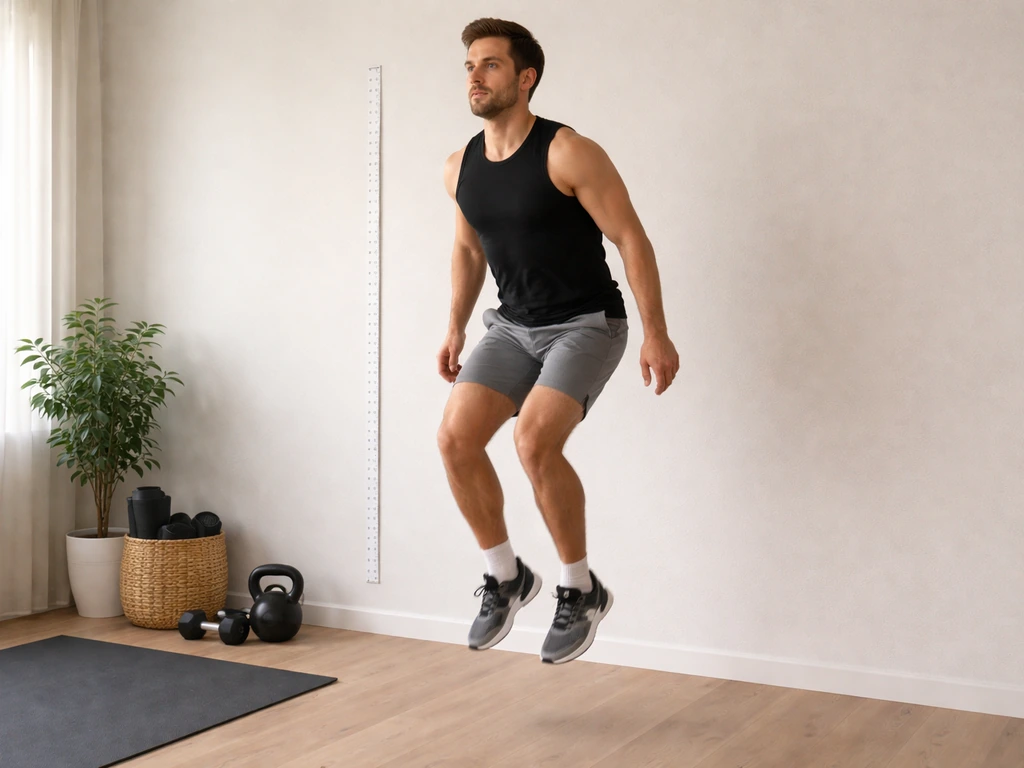
Swimming can support the conditions that allow height growth, but it cannot directly make your bones longer. If your growth plates are still open, regular swimming may help by promoting better sleep, reducing stress, improving posture, and supporting overall physical health. But if you're hoping swimming will add centimeters to your skeleton the way it builds shoulder muscle, the science doesn't back that up. The honest answer is: swimming is great for you, it may help you stand a little taller through posture and spinal alignment, and it does nothing harmful to growth. It just isn't a height-lengthening tool on its own.
Can Swimming Help You Grow Taller? Evidence and Tips

Marcus Reeves
24 Apr 2026
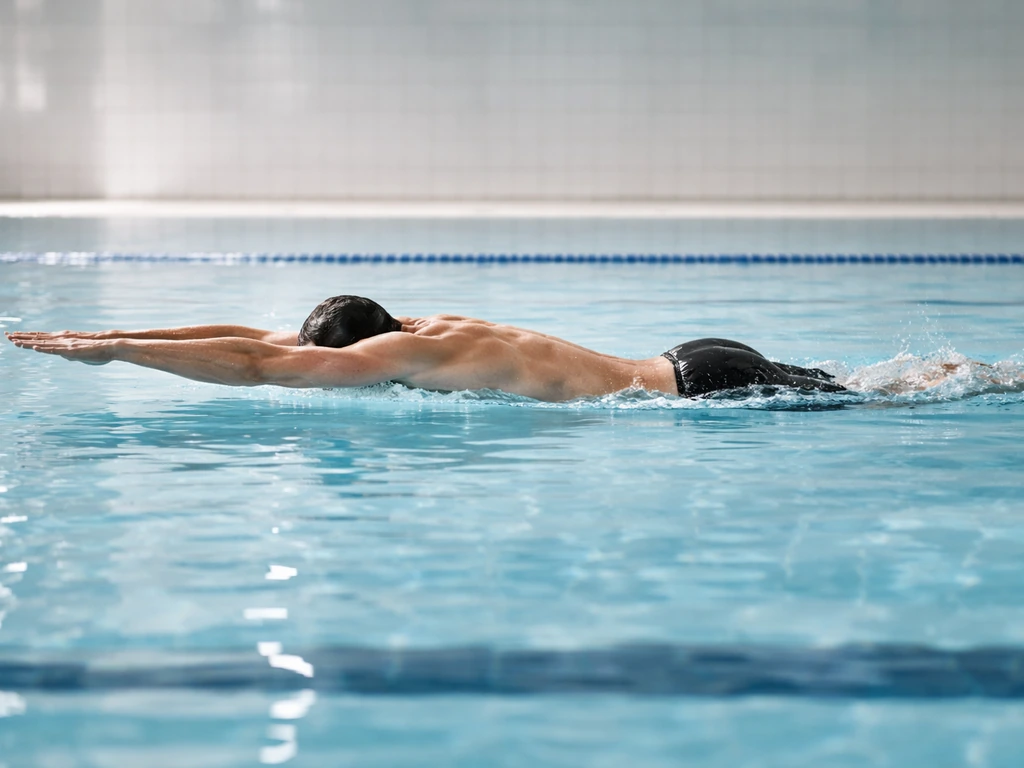
How height actually grows
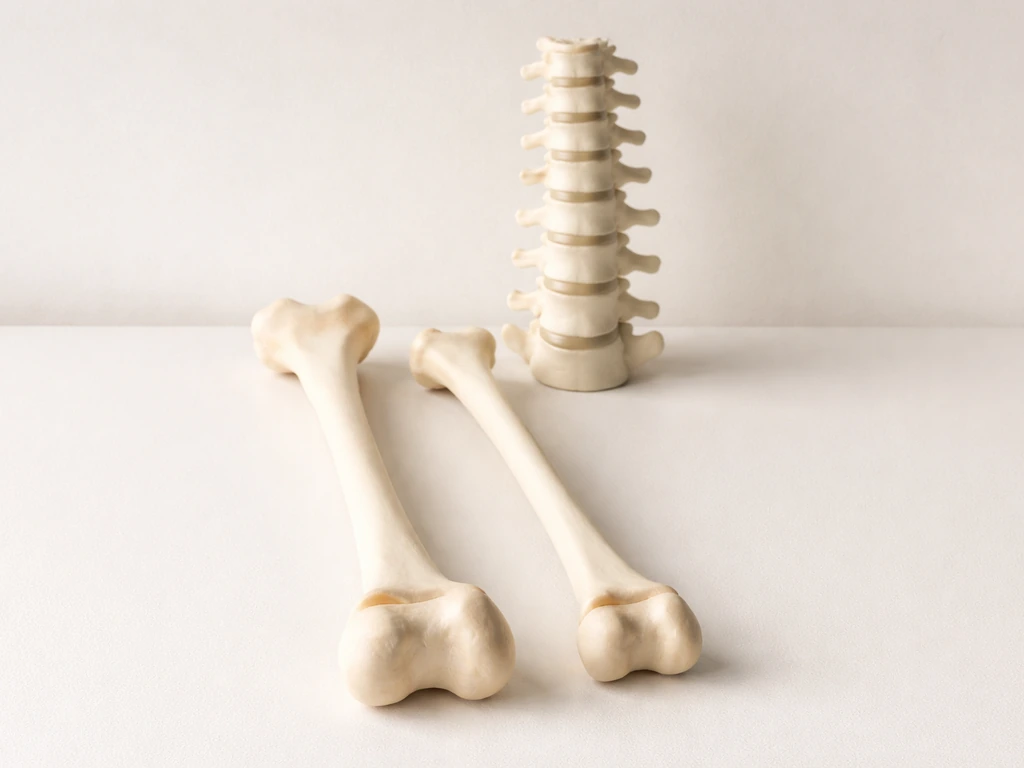
Your height is determined almost entirely by the length of your long bones, mainly the femur (thigh bone) and tibia (shin bone), along with your spinal column height. Bones grow longer through structures called epiphyseal growth plates, which are layers of cartilage sitting near the ends of long bones. During childhood and adolescence, cells in these plates divide, pushing bone tissue outward and adding length. Growth hormone, released by the pituitary gland, drives this process, and sex hormones like estrogen and testosterone also play a major role, especially during puberty.
The catch is that growth plates eventually fuse. In most people, this happens between ages 14 and 19 for girls and 16 and 21 for boys, though timing varies. Doctors can actually assess how much growth time you have left by X-raying the left hand and wrist to evaluate bone age and growth plate maturity. Once those plates close and cartilage turns to solid bone, no exercise, stretch, or supplement can add bone length. This is why age and developmental stage matter so much when you're asking any question about growing taller.
Genetics sets the rough ceiling for your height, accounting for roughly 60 to 80 percent of adult height variation. Environmental factors during your growing years, including nutrition, sleep, illness, and physical activity, determine how close you get to that genetic ceiling. Missing out on these factors can leave you shorter than your potential. Optimizing them gets you as tall as your biology allows, but cannot push you past it.
What research actually says about swimming and height
The evidence here is genuinely thin, and it's worth being upfront about that. A systematic review on swimming exercise in early adolescents concluded that research on swimming's chronic effects on bone health, postural changes, and sleep quality is still missing, meaning we don't have solid longitudinal data showing that swimming produces measurable standing-height increases in growing kids. Major swimming organizations, including US Masters Swimming, explicitly state that no matter how many laps you swim, you won't stimulate additional bone growth to become taller.
Research on physical activity and growth plates is more nuanced than a simple yes or no. A major review found that blank" rel="noopener noreferrer">mechanical loading from exercise does interact with epiphyseal growth plates, but the effects are variable. Depending on the type, intensity, and direction of load, reported growth-rate changes can be decreased, unchanged, or slightly increased. A separate mechanobiology survey noted that effects of dynamic activity on skeletal growth are "not clearly determined. A mechanobiology survey/review notes that the effects of dynamic activity on skeletal growth are “not clearly determined,” with reported growth-rate changes varying depending on loading and context blank" rel="noopener noreferrer">effects of dynamic activity on skeletal growth are “not clearly determined”. " One PLOS One paper also showed that some forms of mechanical loading can actually suppress longitudinal bone growth. Swimming, being a low-impact activity with no compressive axial load on the spine, sits in an interesting position here: it avoids potential growth-plate compression, but it also doesn't apply the mechanical stimuli that researchers think might promote longitudinal growth.
The spinal posture picture from swimming research is equally mixed. One cross-sectional study found that swimmers had increased odds of hyperkyphosis (a rounded upper back) and hyperlordosis compared to non-swimmers. A separate study found no significant changes in scoliosis or kyphosis measures in adolescent swimmers. And a BMC Sports Science study pushed back against the earlier hyperkyphosis claim entirely. Across these findings, the honest summary is: swimming doesn't reliably improve spinal curvature, and the effects on posture depend heavily on stroke, technique, training volume, and dryland strengthening.
Ways swimming might influence how tall you look (without changing bone length)
Even if swimming doesn't grow your bones, there are real mechanisms through which it could affect measured or perceived height. These are worth understanding because they're genuinely useful, even if they aren't the dramatic bone-lengthening effect many people hope for.
Posture and spinal alignment
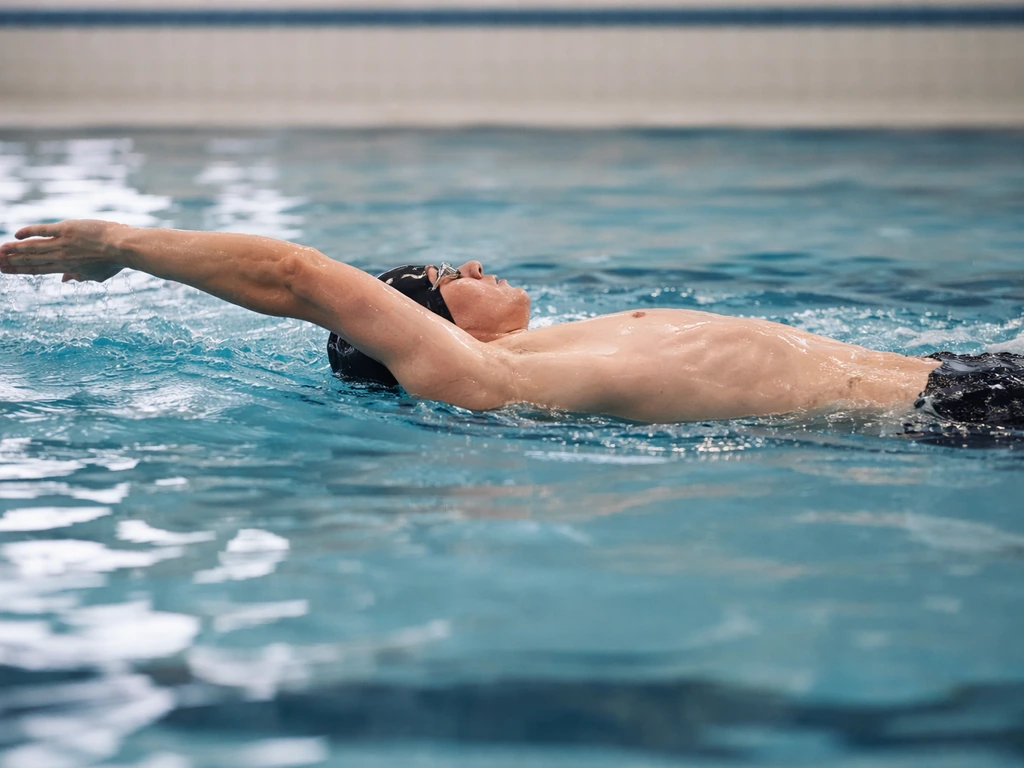
Swimming, especially backstroke and freestyle, engages the upper back, scapular stabilizers, and core. When these muscles work well, they can counteract the forward-head, rounded-shoulder posture that many people develop from screens and sitting. Better posture means you stand more upright, and a more upright spine is a longer spine in your standing measurement. A randomized trial in older adults found that a spine-strengthening and posture training program reduced kyphosis by about 3 degrees, which translates to a small but real improvement in measured height. That's not bone growth, but it is a real change you can feel and see.
Spinal decompression and diurnal height variation
Your spine compresses slightly throughout the day due to gravity and loading. Research confirms that most people are about 1 to 2 cm shorter in the evening than in the morning. Swimming in a horizontal, unloaded position gives your intervertebral discs a break from that compression. This might help you maintain closer to your morning height by keeping discs slightly more hydrated and decompressed. It's worth noting, though, that this isn't permanent height gain and it doesn't affect bone length at all.
Muscle balance and core support
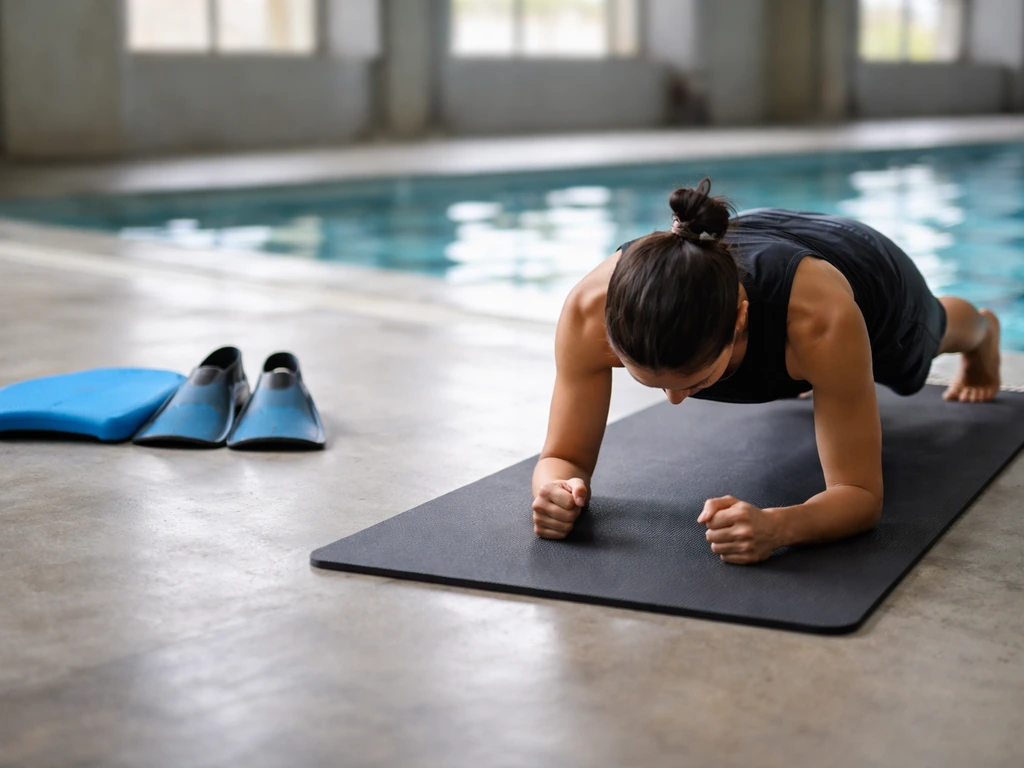
Weak core and upper-back muscles are a major driver of slouching. Swimming builds both. Proper scapular control, specifically keeping the shoulder blades back and down rather than rolled forward, is something swimming technique naturally reinforces, especially in backstroke. When these muscles develop well, they support a taller resting posture throughout the day. This is appearance-based height, not bone-length height, but for many people it's a meaningful improvement.
How to use swimming if you're still growing
If your growth plates are still open (generally, you're under 18 or haven't had a bone age assessment confirming fusion), swimming can be a smart part of your routine. Here's a practical approach focused on getting the most benefit.
- Swim 3 to 4 times per week for at least 30 to 45 minutes per session. This is enough to build conditioning, support cardiovascular health, and reinforce the posture muscles without overtraining.
- Prioritize technique over volume. Backstroke and freestyle are the most posture-friendly strokes. Focus on a long body line, active core engagement, and avoiding a dropped head or rounded shoulders.
- Add dryland posture work. Swimming alone doesn't guarantee good posture. Two to three short sessions of scapular retraction and core stabilization exercises per week (rows, face pulls, planks) will reinforce what the water builds.
- Track your height properly. Measure first thing in the morning using a wall-mounted tape or stadiometer, at the same time each day, using a level head position. Don't compare morning measurements to evening ones. Reassess every 3 months to get a realistic picture of growth progress.
- Give it at least 4 to 6 months before drawing conclusions. Postural improvements can show up in 6 to 12 weeks of consistent training, but bone growth is slow and incremental. Don't expect dramatic changes from swimming alone.
What you should realistically expect: better posture and a more upright stance within 2 to 3 months, improved core and upper-back strength, and potentially a 0.5 to 1.5 cm improvement in standing height from posture correction alone. You won't add bone length from swimming. What you will do is create better physical conditions for growth and make the most of your current height.
The factors that actually move the needle on height
If growing taller is the goal, swimming is a supporting player. These are the levers with the strongest evidence behind them.
Sleep
Growth hormone is released in pulses during deep sleep, particularly in the first few hours after falling asleep. Kids and adolescents who consistently get 8 to 10 hours per night are giving their growth hormone system the best conditions to work. Chronic sleep deprivation suppresses this process. This is probably the single most underrated height factor outside of genetics, and it costs nothing.
Nutrition
Getting enough total calories matters, especially protein, which provides the amino acids needed for bone matrix and muscle tissue. Calcium and vitamin D are critical for bone mineralization. A growing teenager who is chronically undereating, restricting food groups, or deficient in these nutrients is directly limiting their growth potential. There's no specific swim diet that adds height, but ensuring adequate intake across these bases is non-negotiable for growing kids.
Overall physical activity
Weight-bearing activity and varied movement are good for overall bone development. Activities like jumping, running, and resistance training within appropriate ranges apply the kinds of mechanical forces that support healthy bone growth. Swimming can complement these activities, but replacing all weight-bearing movement with pool-only training isn't ideal for skeletal health during growth years.
Medical checks if growth seems off
If a child or teenager is tracking significantly below peers, crossing growth chart percentiles downward, or shows a height more than 2.25 standard deviations below average for their age and sex, that's worth discussing with a pediatrician or pediatric endocrinologist. Doctors use growth charts and bone age X-rays to assess remaining growth potential and rule out underlying causes like growth hormone deficiency, systemic illness, or primary growth plate issues. No exercise routine fixes a medical growth problem, and catching one early can genuinely change outcomes.
When swimming won't help, and what to watch out for

Once growth plates fuse, swimming will not add to your standing height. If you want to grow taller, the key question is whether karate can affect your growth plates and overall height potential, which is generally limited once they fuse swimming will not add to your standing height. Full stop. The posture benefits remain relevant for life, but if you're in your mid-twenties or older and your growth plates closed years ago, swimming for height is off the table. Adults can improve measured height slightly by correcting posture, but that ceiling is real and modest.
There are also a few practical cautions worth flagging. Growth plates are vulnerable cartilage structures, and Mayo Clinic notes that inappropriate loading, especially repetitive overuse injury, can damage them. Competitive swimmers who train at very high volumes during growth years should work with qualified coaches who understand youth development and recovery needs. Shoulder overuse injuries are common in high-volume swimming and have nothing to do with height, but they do affect overall development and well-being.
The mixed evidence on swimming and spinal curvature is also worth keeping in mind. High-volume freestyle swimming without adequate dryland posture work can reinforce a forward-rounded shoulder position over time. This is technique- and balance-dependent, not inevitable, but it's a reason to include scapular and posterior chain strengthening alongside pool work rather than relying on swimming alone for posture improvement.
Finally, red flags for growth problems aren't something swimming can address. If you're a teenager who hasn't started puberty by 14 (girls) or 15 (boys), if you were growing normally and then stalled, or if you're noticeably shorter than both parents' predicted height range, talk to a doctor. These are signals for the endocrine system, not signals to swim more laps. Other activities like jumping are sometimes discussed in the same context as swimming for height, and the same fundamental principle applies across all of them: exercise supports growth conditions but doesn't override biology. Other activities like jumping are sometimes discussed in the same context as does circumcision help you grow taller, and the same fundamental principle applies across all of them: exercise supports growth conditions but doesn't override biology.
Where this leaves you depending on your age
| Growth Stage | What swimming can do | What it can't do | Best next step |
|---|---|---|---|
| Child or early teen (growth plates open) | Support overall health, improve posture, complement good sleep and nutrition | Add bone length directly or override genetics | Swim consistently, prioritize sleep and nutrition, get regular growth checkups |
| Mid-to-late teen (growth plates possibly closing) | Improve posture and spinal alignment, build core strength | Lengthen bones after plate fusion | Consider a bone age X-ray if concerned, focus on posture work alongside swimming |
| Adult (growth plates fused) | Improve posture, reduce slouching, maintain spinal health | Increase standing height through bone growth | Focus on posture correction, core strength, and weight-bearing activity for bone density |
Swimming is genuinely good for you at any age, and for someone still in their growth years, it's a smart part of a healthy routine. Just go in with clear expectations: it won't make you taller on its own, it can help you stand as tall as you are, and the real height-maximizing work happens in your sleep, at your dinner table, and in managing your overall health during the years your growth plates are still open. If you are also wondering about subliminals, the answer is still the same: they do not override your biology or fused growth plates can i grow taller with subliminals. If you are wondering whether cold showers help you grow taller, the key issue is still your growth plates and biology, not a single habit it won't make you taller on its own.
FAQ
If I swim a lot, will I get taller faster than other kids?
Yes, but only indirectly through how you stand and how your body recovers. If your growth plates are still open, swimming can support sleep quality, stress reduction, and core strength, which may help you measure closer to your morning height. It will not add new bone length, so any centimeter increase you see is typically posture or spinal decompression rather than growth plates reopening.
Should kids replace weight-bearing workouts with swimming if height is the goal?
A practical rule is to treat swimming as a low-impact cardio skill, not as your only bone-building stimulus. For growth years, pair it with weight-bearing options (for example, jumping, running, sports, or resistance training using age-appropriate technique) so your bones get the mechanical loading swimming does not provide.
Can swimming make my posture worse and make me look shorter?
The biggest technique-related factor is how you use your upper back and shoulder blades. High-volume freestyle or poor mechanics can reinforce rounded shoulders for some people, which can reduce measured height. If you swim, prioritize strokes and drills that promote scapular control, and consider adding posterior-chain and upper-back strengthening on land.
What are the risks of training hard in order to grow taller?
If you get headaches, shoulder pain, or pain that changes your stroke form, that can indirectly limit benefits by hurting recovery and sleep. Also, repetitive shoulder overuse is common in high-volume swimmers, so it is smarter to adjust training volume, incorporate shoulder-friendly conditioning, and see a qualified sports clinician rather than pushing through pain.
Does swimming help adults grow taller at all?
You can use swimming for posture improvements regardless of age, but adults should expect modest changes. After growth plates are fused, the realistic upside is a small measured height gain from better alignment plus day-to-day variation, not structural height growth.
How long does it take for swimming to improve standing height from posture?
If you want the most benefit for appearance-based height, consistency matters more than intensity. Many people notice changes in 2 to 3 months when swimming is combined with focused posture work and core strengthening, not when they do one-off long sessions. Aim for sustainable training and include dryland work that targets the same postural muscles.
How can I tell whether my height change is posture or real growth?
A simple self-check is to compare “morning height” (after waking) and “evening height” (after a full day). If you notice your evening drop is smaller after consistent swimming, decompression and posture support may be helping. If height changes persist across weeks without posture changes, it is still unlikely to be true bone growth.
Are there supplements that make swimming increase growth?
No. A supplement will not change whether growth plates are open or fused. If you suspect deficiencies, discuss testing with a clinician, because adequate protein, calcium, and vitamin D are supportive for healthy development, not height hacks.
What should I do if my height growth slows while I’m swimming?
Yes, it depends on whether your growth is still active. If puberty is delayed or growth seems to stall, swimming is not a solution to hormonal or medical causes. When growth percentiles drop, puberty timing is off, or growth suddenly slows, talk to a pediatrician or pediatric endocrinologist.
I swim competitively, what’s the safest way to train while trying to maximize healthy growth?
You can support height-related goals without overtraining your shoulders. Look for a balanced program that includes technique coaching, scapular and core strengthening, and enough recovery. For competitive swimmers in growth years, the safest approach is coordinated guidance from a coach who works with youth development principles and monitors recovery.
Next Article
Can Jumping Help You Grow Taller? Evidence, Limits, and Tips
Can jumping help you grow taller? Mostly no. Learn the limits, safer jumping tips, and what boosts height potential inst