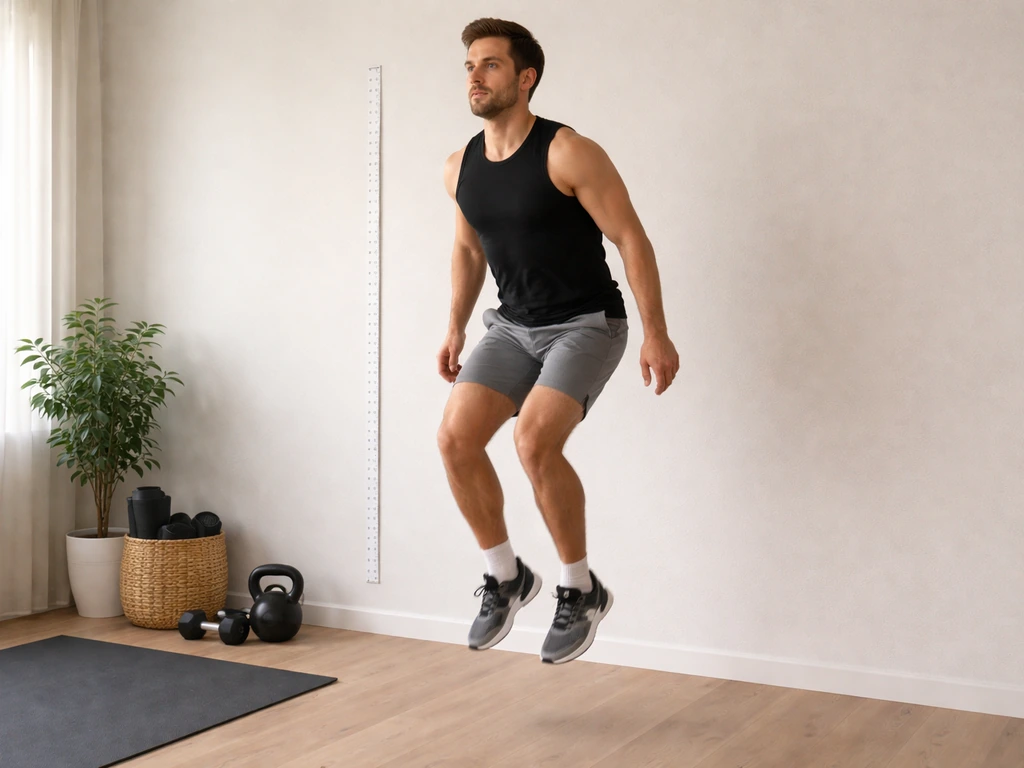
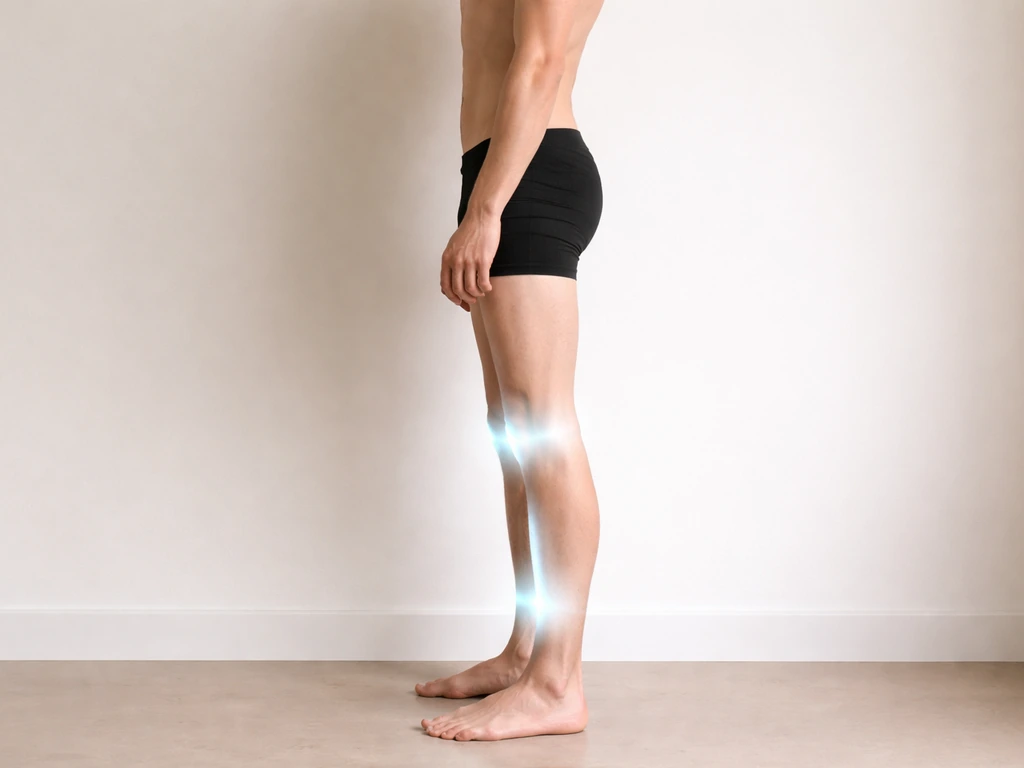
If your growth plates have already closed, which happens somewhere between your early teens and late teens depending on your sex and individual biology, jumping cannot increase your skeletal height at all. What jumping can do is improve your posture, bone density, balance, and body composition, all of which affect how tall you look and how well your body functions. That's genuinely useful, but it's not the same as growing taller.
How height growth actually works
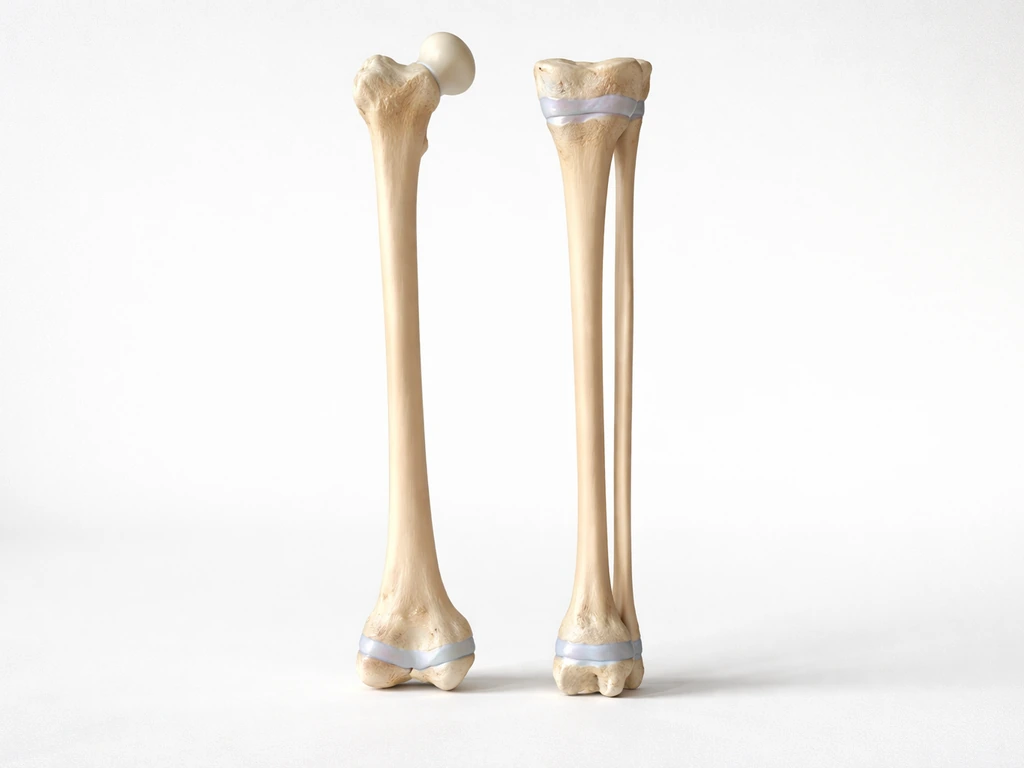
Height comes almost entirely from the growth of your long bones, particularly the femur (thigh bone) and tibia (shin bone). These bones grow from specialized zones of cartilage near their ends called epiphyseal growth plates, or physes. During childhood and adolescence, the growth plates produce new cartilage cells that eventually harden into bone, pushing the ends of the bone further apart and making you taller. Once those plates close and fuse into solid bone, that process is over permanently.
Timing of growth plate closure varies quite a bit by sex and by individual. On average, females stop growing around age 13 to 15 and males around age 15 to 17, though complete fusion of all growth plates can occur as early as 12 in girls and 14 in boys on the early end, or extend toward 18 to 19 in late developers. Research from Duke Health and others emphasizes that different bones stop growing at different times, so there's no single cutoff age that applies to everyone. What matters most is where you are in puberty, not your calendar age.
Genetics is by far the biggest factor in how tall you end up. Twin studies and genetic research consistently estimate that roughly 60 to 80 percent of height differences between individuals come down to inherited DNA variations, with some estimates as high as 80 to 90 percent. The remaining variation is mostly driven by nutrition, with other environmental factors, including exercise, playing a comparatively minor role. So even before we talk about jumping specifically, it's worth being honest: no exercise routine is going to dramatically override what your genes have set up.
What jumping actually does to your bones and posture
Even if jumping won't make you taller, it does something genuinely valuable for your skeleton: it loads your bones with mechanical force, and bone responds to that stimulus by becoming denser and stronger. When you jump, your body absorbs impact forces that can reach around 3. 5 to 5 times your body weight depending on the type of jump. That kind of loading, applied repeatedly over time, is one of the best known stimuli for building bone mineral density.
Studies in adolescent girls undergoing 9 months of plyometric jump training showed measurable improvements in bone mineral content and density at the lumbar spine and femoral sites. A 12-month randomized trial in adult men with low bone mass found that jump training improved bone mineral density comparably to resistance training.
Posture is the other genuinely useful benefit. Poor posture, specifically a forward head position, rounded shoulders, or a compressed spine, can make a person appear noticeably shorter than their actual skeletal height. Research in a bed-rest countermeasure trial found that high-load jump exercise preserved posture control and functional mobility, suggesting jumping supports the neuromuscular systems that keep you standing tall. Improving those systems, along with core and back strength, can absolutely close the gap between your slouched everyday height and your true standing height. For some people that gap is an inch or more.
To be precise about what jumping does and does not do, here's a clear breakdown:
| What jumping does | What jumping does NOT do |
|---|
| Increases bone mineral density over time | Lengthen bones after growth plate closure |
| Improves neuromuscular posture control | Stimulate growth plates to produce new bone in adults |
| Builds lower-body muscle and power | Add measurable height beyond your genetic potential |
| Supports bone development in still-growing children | Guarantee extra height even in children still growing |
| Improves balance and functional mobility | Replace the roles of sleep, nutrition, and genetics |
Jumping jacks vs other types of jumping: does it matter?

People often wonder whether jumping jacks specifically have unique height-related benefits, usually because they involve a rhythmic, repetitive pattern that gets associated with childhood gym class and growth. The short answer is that jumping jacks are a real form of impact exercise and do load your bones, but they load them less intensely than other jump variations. Research measuring ground reaction forces in school-based jumping programs found that jumping jacks generated peak forces of roughly 3.5 times body weight, while drop jumps and countermovement jumps reached closer to 5 times body weight. Higher forces generally produce stronger bone-loading stimuli, so if bone development is your goal, more challenging jump variations are more effective.
That said, jumping jacks are accessible, low-skill, and easy to do almost anywhere, which makes them a reasonable starting point especially for children or beginners. The difference between jumping jacks and more demanding plyometrics matters more for bone-density outcomes than for any height effect, because neither is going to make you taller once plates are closed and neither has been shown to reliably push height beyond genetic limits during growth either.
Myths worth clearing up
The growth hormone myth
One of the most common claims is that jumping triggers a growth hormone surge that makes you taller. Exercise does cause temporary spikes in circulating growth hormone, that part is true. In contrast, circumcision is not known to help you grow taller because height is driven mainly by growth plates, genetics, sleep, and nutrition temporary hormonal pulse. But a temporary hormonal pulse after a workout is not the same as sustained growth.
Growth hormone stimulates IGF-1 (insulin-like growth factor 1), which acts on growth plates, but those plates only respond if they're still open and biologically active. Once they're fused, no amount of growth hormone, whether triggered by exercise or anything else, reopens them. Research on endurance training in pre-pubertal boys found changes in growth mediators and inflammatory cytokines, but these are complex physiological responses, not a simple formula for getting taller.
The stretching and spinal decompression myth
Some claims frame jumping as a way to decompress the spine and "stretch" it taller. Your spine does compress slightly throughout the day as you bear weight, and you are fractionally shorter in the evening than in the morning for that reason. But this is temporary fluid compression in spinal discs, not a change in bone length, and it reverses overnight with sleep. Jumping does not produce lasting spinal elongation. Improving core strength and posture can help you stand closer to your true skeletal height consistently, which is real and worth pursuing, but that's different from actually adding centimeters.
The impact damage myth
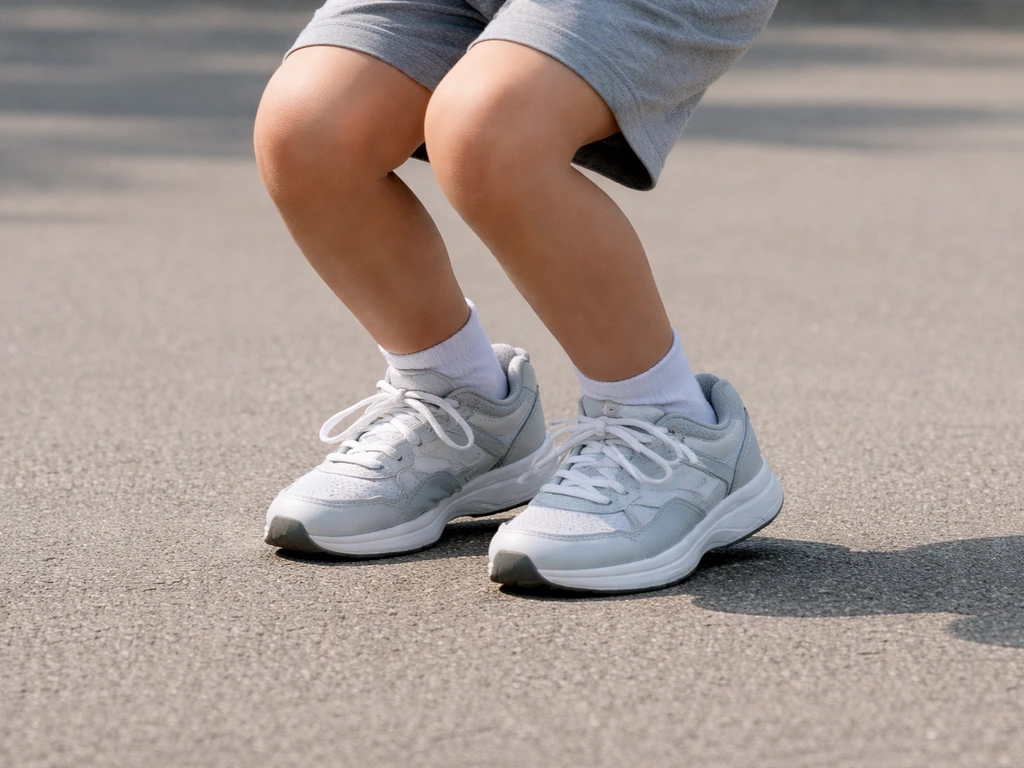
On the opposite side, some people worry that jumping compresses the spine or damages growth plates, stunting growth. High-impact exercise does not stunt growth in healthy children when done appropriately. What the research actually shows is that mechanical loading through activities like jumping has a positive effect on bone development in children and adolescents. The key qualifier is "appropriate": overtraining, improper landing mechanics, or jumping through injuries are different matters. Contraindications for plyometric exercise include joint pathology, unhealed ligament or cartilage injuries, and active bone bruising. For healthy kids doing normal recreational jumping, there's no credible evidence of stunted growth.
A practical jumping routine if you want the real benefits
If you want to jump for the legitimate benefits, primarily bone strength, posture, and fitness, here's a sensible way to approach it. This is not a "grow taller" protocol; it's a bone-loading and movement-quality routine that supports your body at any age.
- Start with lower-impact jumping jacks or skipping rope for 3 to 5 minutes to warm up joints and connective tissue.
- Progress to countermovement jumps: stand, dip into a quarter squat, then jump as high as you can, landing softly with knees slightly bent. Aim for 3 sets of 10 repetitions, 3 days per week.
- Add lateral jumps or box jumps at a moderate height (6 to 12 inches) once basic landing mechanics feel solid. These add multi-directional bone loading.
- Focus on landing quality: land toe-to-heel with soft knees, not stiff-legged. Poor landing mechanics are the main injury risk in plyometric training.
- Rest at least one day between sessions. Bone adaptation happens during recovery, not during the session itself.
- Children and adolescents can do more frequent, playful jumping (sports, games, recreational activity) without strict programming. The structured routine above is more relevant for teens and adults pursuing deliberate training.
- If you have any joint pain, past knee or ankle injuries, or bone stress concerns, get clearance from a clinician before starting plyometric training.
Consistency over months matters far more than the intensity of any single session. The 9-month and 12-month trials that showed real bone density improvements were not doing anything extreme. They were doing structured, progressive jump training regularly over time.
What actually maximizes your height potential
If you're still growing, the best things you can do to reach your genetic height ceiling are almost boring in how straightforward they are. None of them involve a specific exercise trick. Subliminals for height are not supported by credible evidence for actually increasing bone length or reversing growth plate closure. Jumping is a healthy part of being active, but it's not where your height leverage is.
Sleep

The majority of growth hormone is released during deep sleep, specifically slow-wave sleep. Children and teenagers who are consistently sleep-deprived are compromising one of the most important biological windows for growth. Adolescents need 8 to 10 hours per night. This is not optional for growth; it's when a significant portion of the hormonal signaling that drives bone elongation actually happens.
Nutrition
Nutrition accounts for most of the environmental influence on height, which research estimates at 20 to 40 percent of total height variation. Chronic malnutrition, protein deficiency, or calcium and vitamin D insufficiency during childhood can meaningfully reduce final adult height. Getting adequate calories, protein (for bone matrix and muscle), calcium (for bone mineralization), and vitamin D (which regulates calcium absorption) during the growing years is the most impactful environmental lever available. If you're in a developed country eating a reasonably varied diet, severe deficiency is less common, but vitamin D insufficiency in particular is widespread and worth checking.
General physical activity
Being generally active matters more than any specific exercise. The research on plyometrics and bone development in adolescents supports activity as beneficial for bone accrual during the growth years, but the emphasis is on overall movement rather than a single modality. Swimming, running, sports, and jumping all contribute. Swimming can help you stay active and support overall fitness during growth, but it has less bone-loading impact than jumping or running can swimming help you grow taller. Interestingly, activities like swimming, while excellent for cardiovascular fitness, involve less bone-loading impact than jumping or running, which is worth knowing if bone development is a priority during growth.
Addressing health conditions and deficiencies
Certain medical conditions, including growth hormone deficiency, hypothyroidism, celiac disease, and inflammatory conditions, can impair growth independent of lifestyle. If a child or teenager is tracking significantly below expected height for their family background and age, that warrants a conversation with a pediatrician, not a jumping program. Early identification of treatable conditions can preserve growth potential in a way that no exercise routine can.
Genetics: accepting the ceiling
Roughly 60 to 90 percent of your height is determined by genetics. That's not a pessimistic statement; it's just biology being honest. The goal of optimizing the factors you can control, sleep, nutrition, activity, health, is to reach the top of your genetic range, not to exceed it. For most people in adequate environments, that's already what happens naturally. The realistic upside of everything discussed in this article is ensuring you don't fall short of your potential due to preventable factors, not adding inches beyond it.
If you've come across other ideas in this space, like whether cold showers, specific martial arts training like karate, or even subliminals can influence height, the same framework applies: none of those approaches meaningfully override genetics or reopen closed growth plates. The fundamentals of sleep, nutrition, and general activity during the growth years are genuinely the levers that matter.