Cold showers do not help you grow taller. There is no credible evidence that cold exposure, whether from a daily cold shower or an ice bath, stimulates growth plates, raises growth hormone to meaningful levels, or adds any measurable height in children, teens, or adults. The idea sounds plausible on the surface because cold exposure does trigger hormonal responses, but the biology of how humans actually grow taller is specific enough that those responses simply do not translate into increased stature.
Do Cold Showers Help You Grow Taller? Evidence and Risks

Marcus Reeves
21 May 2026
What cold showers actually do to your body
When you step into cold water, your body treats it as a stressor and reacts fast. Your breathing rate surges, your heart rate spikes, and your blood pressure climbs, a response called cold shock. Blood vessels near the skin constrict to protect your core temperature. If the exposure is prolonged, your core body temperature starts dropping, eventually leading to hypothermia. These are well-documented physiological facts confirmed by research from bodies like NOAA, the American Heart Association, and multiple clinical studies.
On the hormonal side, repeated cold exposures have been shown to produce measurable changes in circulating growth hormone, prolactin, and thyroid-related hormones. One study on whole-body cold exposure in women found shifts in these hormones after repeated sessions. A sports physiology study also found that cold water immersion after resistance training increased the mRNA expression of IGF-1 splice variants, which are molecules involved in muscle repair signaling. That sounds relevant to growth, but it is not the same as actually stimulating bone length. Acute hormone fluctuations and gene expression changes in muscle tissue are very different things from driving longitudinal bone growth.
The most useful established role for cold water immersion right now is athletic recovery. A systematic review of the evidence places cold immersion firmly in the recovery category, not in any category related to height or skeletal development. The largest randomized controlled trial on cold showering, which followed 3,018 adults for 30 consecutive days across different cold shower durations, measured work and health outcomes and found no height-related effects at all because that was never even a realistic hypothesis to test.
The real biology of growing taller
Height is determined by how much your long bones grow, and that happens at the growth plates, which are thin layers of cartilage near the ends of bones like your femur and tibia. Specialized cells called chondrocytes multiply in the growth plate, get larger, and eventually calcify, pushing the bone longer in the process. This is called endochondral ossification, and it is tightly regulated by a combination of growth hormone, IGF-1 (insulin-like growth factor 1), thyroid hormone, sex hormones, and adequate nutrition.
Growth hormone is produced by the pituitary gland and drives the liver to produce IGF-1, which is the direct signal that tells chondrocytes to keep proliferating. Thyroid hormone plays a supporting role, and deficiencies in either can slow or stop linear growth entirely. The Merck Manual and Endocrine Society both emphasize that when growth hormone deficiency or hypothyroidism is the cause of poor growth, correcting those deficiencies medically is what improves height outcomes, not any lifestyle intervention like temperature exposure.
Growth plates close permanently, typically at the end of puberty when sex hormones reach high enough levels. In girls, this usually happens in the mid-to-late teens. In boys, plates can remain open into the very late teens or early twenties. Once they close, no amount of hormonal stimulation or lifestyle change can add bone length.
Does cold exposure actually affect growth plates?
No published human study shows that cold showers or cold immersion improves growth plate activity or increases standing height. If anything, the biological picture from adjacent research is cautionary rather than encouraging. An animal study found that cold exposure can aggravate cartilage degeneration in a mouse osteoarthritis model, suggesting cold may not be benign for cartilage biology in all contexts. Separately, research on growth plate behavior shows it is sensitive to cellular stress: increased endoplasmic reticulum stress reduces chondrocyte proliferation and slows bone growth. Cold-induced stress responses are not shown to work in the beneficial direction here.
The IGF-1 splice variant finding mentioned earlier is sometimes cited online as evidence that cold exposure boosts growth, but this conflates two different things. Those splice variants are primarily studied in the context of muscle repair signaling after exercise, and an increase in their mRNA expression in muscle tissue does not mean the growth plates in your long bones are receiving a stronger growth signal. The leap from that data point to "cold showers make you taller" is not supported by any clinical evidence.
Kids and teens vs. adults: does it matter who's asking?
If you are still growing, meaning you are a child or teenager whose growth plates have not yet fused, then your height potential is still open. That is genuinely good news, because the factors that influence how much of that potential you actually reach are real and addressable. Cold showers are not among them, but other things clearly are. If you are an adult with closed growth plates, no intervention, cold or otherwise, will make you taller through bone lengthening. Some adults do gain a small amount of apparent height by improving posture or spinal disc hydration, but this is not the same as growing.
For teenagers specifically, the American Academy of Pediatrics notes that pubertal staging matters when evaluating growth concerns, because kids who are simply late developers (constitutional delay) often catch up without any intervention. If a teen seems unusually short and growth feels stalled, an endocrinologist can check bone age via X-ray and test IGF-1 and thyroid hormone levels to rule out treatable causes. That is a much more productive path than cold shower experiments.
Cold shower risks worth knowing
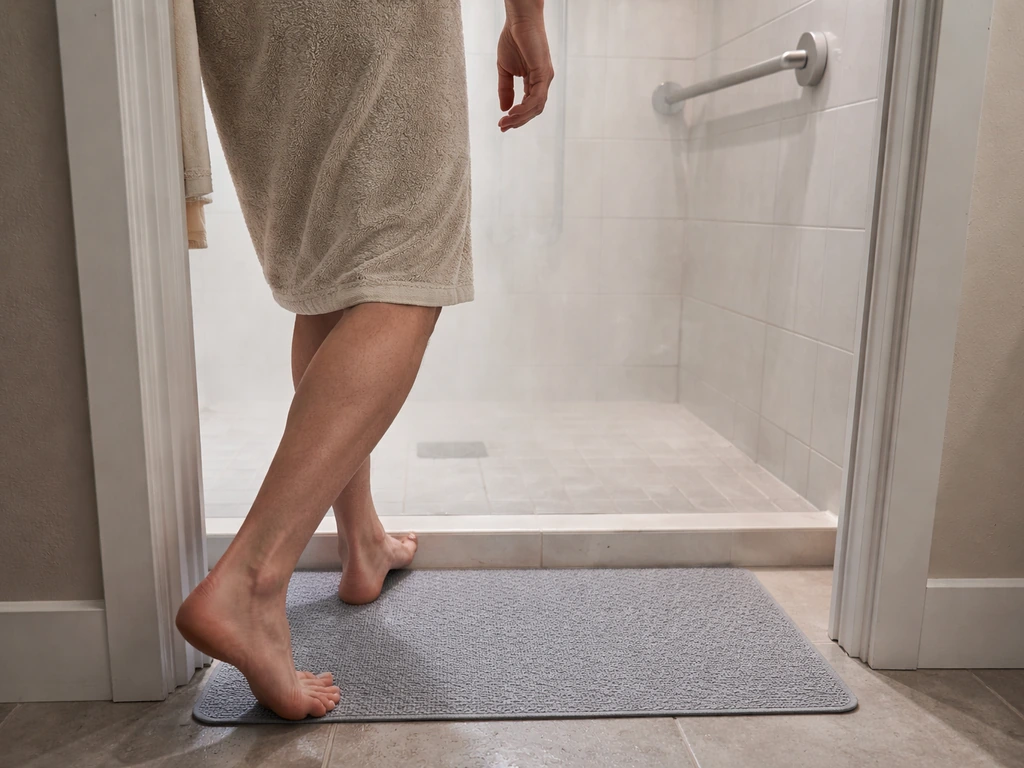
Cold showers are not dangerous for most healthy people, but they are not consequence-free either. The cold shock response alone, the surge in heart rate and blood pressure, is enough that the American Heart Association flags cold water immersion as potentially risky for anyone with a cardiac history. If you have a heart condition, talk to your doctor before experimenting with cold exposure.
- Cold shock: sudden spike in heart rate, breathing rate, and blood pressure upon entering cold water, even from a shower
- Hypothermia risk: prolonged cold exposure can drop core body temperature to dangerous levels, with semi-consciousness and incapacitation as outcomes
- Raynaud's phenomenon: cold exposure triggers painful blood vessel spasms in the fingers and toes; people with Raynaud's should avoid cold immersion entirely
- Cardiac risk: the AHA specifically notes cold water immersion is not well-studied in people with cardiovascular disease and cautions against it
- Children: kids lose body heat faster than adults due to their smaller body mass relative to surface area, making hypothermia risk higher and prolonged cold exposure particularly inadvisable
If you want to try cold showers for general health or recovery purposes (not height, because that is not a real benefit), a practical starting range is around 50 to 59 degrees Fahrenheit (10 to 15 degrees Celsius) based on guidance from Cleveland Clinic. Keep sessions short, especially when starting out, and never do cold immersion alone if you are in open water or a deep tub.
What actually moves the needle on height
If you are still growing and want to reach your full genetic potential, the levers that actually matter are nutrition, sleep, and avoiding things that interfere with growth. Genetics sets your ceiling, but these factors determine how close you get to it.
Nutrition
Linear growth requires adequate total calories, sufficient protein to support IGF-1 production and chondrocyte function, and key micronutrients. Calcium and vitamin D are the obvious ones for bone health, but zinc, vitamin A, and iron also play documented roles in growth. Malnutrition and malabsorption conditions like celiac disease are recognized causes of short stature, as Johns Hopkins Medicine notes. If a child or teen is consistently undereating or has an undiagnosed gut condition, correcting that is one of the most impactful things possible.
Sleep
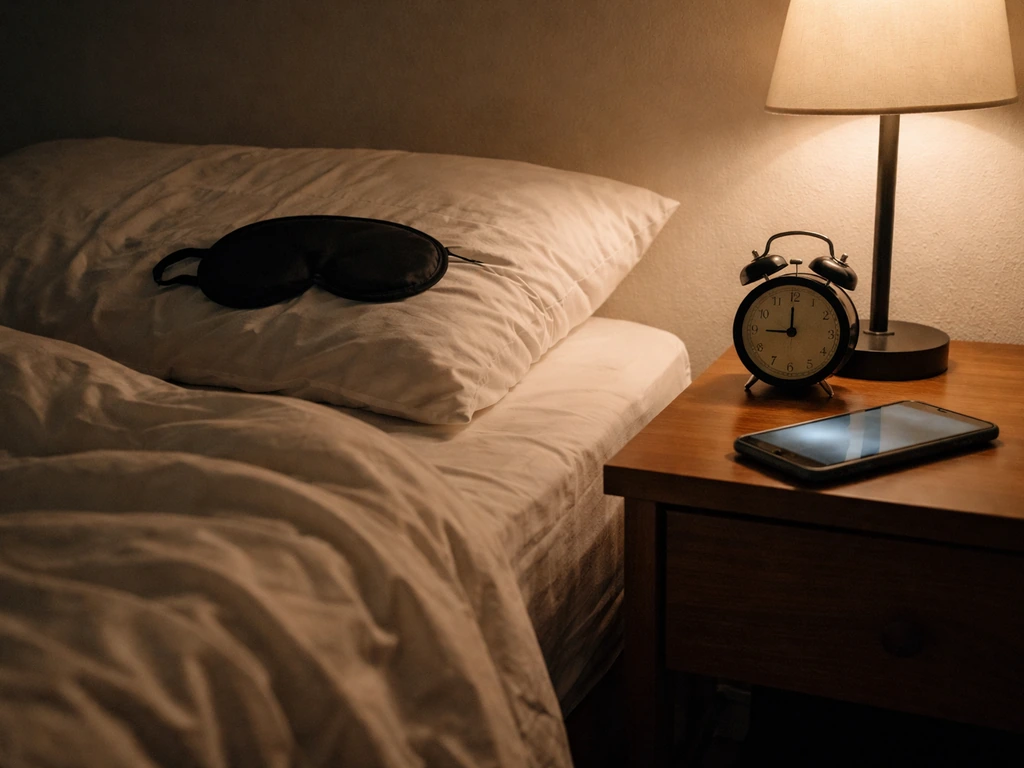
Growth hormone secretion is heavily concentrated during slow-wave (deep) sleep, particularly in the first half of the night. The NIH notes that deep sleep peaks in early childhood and shifts after puberty, making consistent, adequate sleep especially important during the years when growth plates are still active. The CDC identifies poor sleep in school-age children and adolescents as a risk factor for a range of health problems, all of which can indirectly affect growth and development. For most kids and teens, that means 8 to 10 hours per night, consistently, not just on weekends.
Exercise
Moderate physical activity supports healthy growth hormone levels and overall metabolic health. Resistance training, done appropriately for age, does not stunt growth despite the old myth, and it supports bone density. The concern with very heavy loading in young teens is not that it stops growth but that growth plates are structurally weaker than mature bone and more vulnerable to injury. Activities like swimming and jumping have long been associated in popular culture with height gains, and while they are great for overall fitness and posture, the science on whether they directly add height is similarly limited to what we see with cold showers. Swimming supports overall fitness and posture, but it has not been shown to directly lengthen the bones that determine height. That said, no strong clinical evidence shows jumping directly increases bone length or height jumping have long been associated in popular culture with height gains.
Avoiding growth disruptors
Chronic stress elevates cortisol, which can suppress growth hormone secretion. Smoking is associated with reduced height in adolescents. Alcohol during adolescence disrupts endocrine signaling. Undertreated hypothyroidism or growth hormone deficiency, if present, will reliably limit height regardless of what else you do, which is why getting tested matters if there is a real concern.
A practical action plan based on where you are now
| Situation | What actually helps | Cold showers worth it for height? |
|---|---|---|
| Child or teen, still growing | Adequate calories and protein, calcium and vitamin D, 8-10 hrs sleep, moderate exercise, treat any underlying conditions | No |
| Teen with suspected growth delay | See a doctor: check bone age, IGF-1, thyroid hormones; rule out GH deficiency or hypothyroidism | No |
| Adult with closed growth plates | Nothing adds bone length; posture work can improve apparent height; focus on overall health | No |
| Anyone wanting cold shower benefits | Fine for recovery and mood, but skip it if you have cardiac history, Raynaud's, or are a young child | Not for height |
The bottom line is straightforward: cold showers are not a height tool. They are not harmful for most healthy people, and there are reasonable reasons to try them for recovery or as a general wellness practice, but growing taller is not one of those reasons. If you are wondering can i grow taller with subliminals, the evidence is also not credible for increasing actual bone length. If you or your child is concerned about height, the most productive thing you can do is focus on nutrition, sleep, and if there is a real worry, a conversation with a pediatric endocrinologist who can actually measure what is happening with growth hormone and bone development. If you are wondering about whether circumcision can affect height, there is no good evidence that it changes linear growth.
FAQ
What’s the fastest evidence-based way to tell whether a child or teen’s height concern is real or just normal variation?
Ask a clinician to compare growth over time, not just a single measurement. Plot height on growth charts, review growth velocity over 6 to 12 months, and consider bone age plus labs like IGF-1 and thyroid function if growth is clearly slower than expected.
If cold showers don’t increase bone length, can they still help with posture so someone looks taller?
They might help short-term comfort or alertness, but posture changes are not the same as increasing vertebral length or true height. Any “extra height” from posture is usually temporary and depends on muscle tightness, mobility, and training, not cartilage or growth plates.
Are there specific groups who should avoid cold showers or cold immersion entirely?
Yes. People with known heart disease, significant blood pressure issues, prior fainting with temperature changes, uncontrolled seizures, or cold-water immersion risks should get medical advice first. Also be cautious with asthma that worsens with cold air, and avoid unsupervised immersion in deep tubs or open water.
Can cold showers interfere with sports training or recovery in a way that indirectly affects growth-related goals?
For most healthy athletes, cold immersion is used for recovery, but it can be stressful and may reduce training adaptation if used too aggressively around hard sessions. If the goal is healthy development, prioritize sleep and sufficient calories first, then use recovery tools moderately rather than relying on temperature exposure.
Does raising growth hormone naturally require cold exposure, or are there safer alternatives?
Cold exposure is not a reliable way to raise growth hormone in a way that translates to linear growth. Consistent deep sleep, adequate total calories, sufficient protein, and treating conditions like hypothyroidism are more dependable, because growth hormone secretion patterns depend heavily on sleep timing and overall energy status.
How long would cold showering have to happen before it could possibly affect growth, assuming it did?
There is no credible human evidence that cold affects growth plates at all, so there is no meaningful “dose” or timeline to test. If someone wants a measurable health change, focus on established levers like nutrition, sleep, and medical evaluation for true growth disorders.
What lab results would a pediatric endocrinologist typically look at when growth seems slow?
Common starting points include growth velocity assessment, bone age (X-ray), and blood tests such as IGF-1, thyroid hormones, and sometimes screening for celiac disease or other causes of malabsorption. The key is matching tests to symptoms and growth pattern, not testing everything by default.
Is it true that resistance training stunts growth, and could cold showers make that worse?
Properly designed resistance training does not stunt growth in children and teens. The greater risk is injury from inappropriate loading or technique. Cold showers are not proven to affect growth plates, but they can add physiological stress, so avoid extreme cold right around heavy training if you are prone to fatigue or illness.
Can nutrition supplements like vitamin D or calcium “override” a lack of sleep or stress to increase height?
Supplements help when there is a deficiency, but they cannot replace adequate sleep or address chronic stress and calorie shortfalls. If growth is being limited, the most impactful priorities are meeting energy needs, protein intake, key micronutrients, and managing underlying medical issues.
Next Article
Can Swimming Help You Grow Taller? Evidence and Tips
Find out if swimming can help you grow taller, what evidence says, and how to try it safely for posture gains.