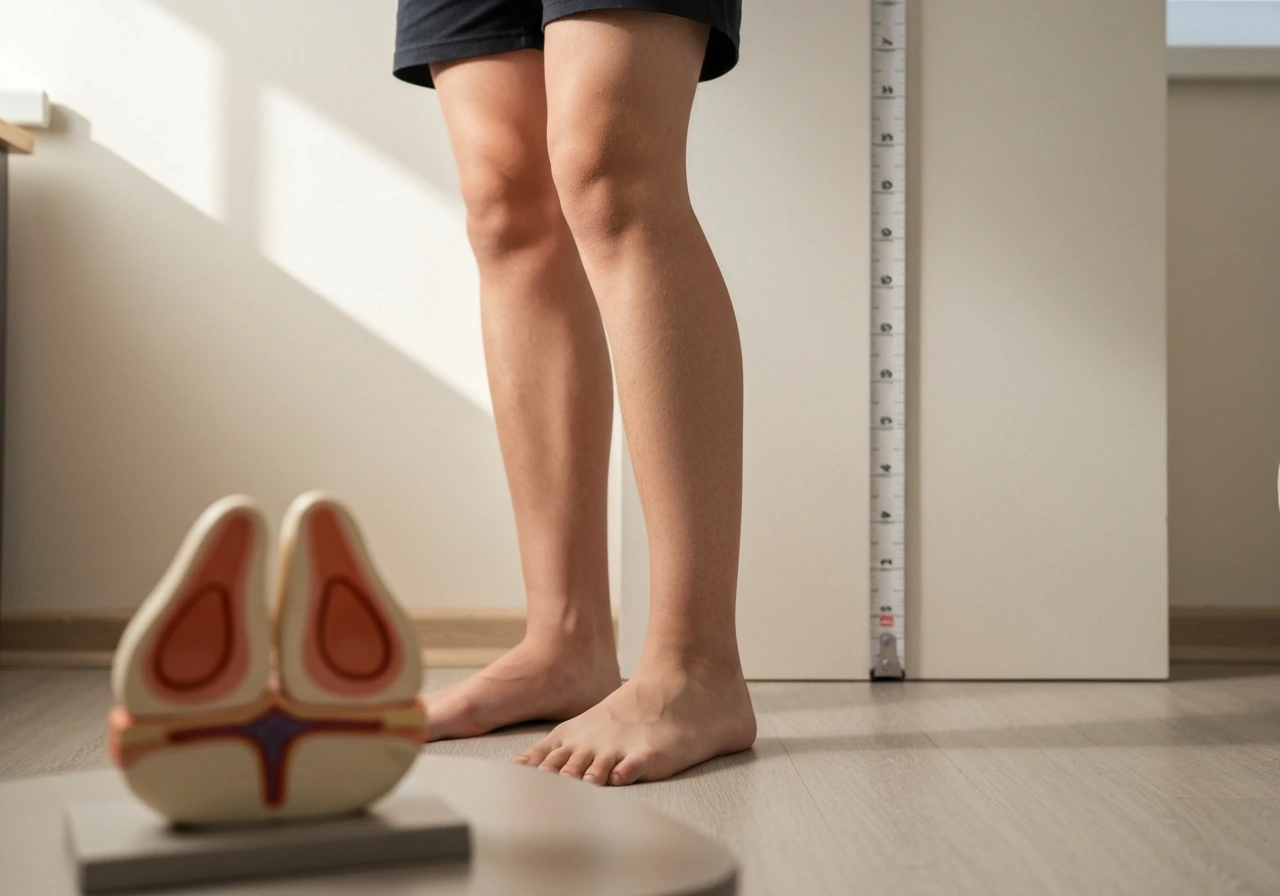
Cannabis does not help you grow taller. There is no credible, evidence-based mechanism by which smoking, vaping, or taking THC or CBD products increases height, stimulates growth plates, or meaningfully boosts the hormones responsible for growth. If you're a teen still growing, weed is more likely to work against your development than for it. If you're an adult, your growth plates are already fused and height is essentially fixed regardless of what you consume. The good news is there's a solid, research-backed plan for maximizing whatever height potential you actually have, and it has nothing to do with cannabis.
Does Weed Help You Grow Taller? Evidence-Based Answer

Marcus Reeves
4 Jul 2026
What we mean by "weed" here and why height is the question
"Weed" in this context refers to cannabis products: smoked or vaporized flower, edibles, concentrates, and CBD-only products derived from hemp or cannabis. The active compounds most relevant to biology are THC (tetrahydrocannabinol, the psychoactive component) and CBD (cannabidiol, non-intoxicating). People asking whether weed helps you grow taller are usually either teens who've heard rumors, curious adults wanting to understand the science, or parents concerned about a child's cannabis use and its possible effect on development. All three groups deserve the same honest answer, just delivered at different levels of detail.
Height is determined by a combination of genetics (roughly 60 to 80 percent of the variance), nutrition, sleep, hormonal status, and overall health during the growing years. Growth happens at cartilaginous growth plates (physes) near the ends of long bones, driven primarily by growth hormone (GH), insulin-like growth factor 1 (IGF-1), thyroid hormones, and sex steroids during puberty. Once those plates fuse, typically in the late teens to early twenties, vertical growth stops permanently. So the real question is whether cannabis meaningfully acts on any of those systems. Jacking off, like other common sexual behaviors, has not been shown to increase height does cannabis meaningfully acts. Spoiler: it doesn't, at least not in a height-increasing direction.
What the science actually says about cannabis and growth hormones

Let's look at the hormone research directly, because this is where the idea that weed "helps you grow" would have to be proven or disproven. Growth hormone and IGF-1 are the main drivers of linear bone growth. A double-blind, placebo-controlled human study found that CBD at doses of 300 to 600 mg produced no change in basal plasma growth hormone levels compared to placebo. That's a clean null result for the compound people often assume is the "safe" or beneficial one.
For THC, the picture is messier but not more encouraging. One human laboratory study found that after smoking marijuana, plasma LH (luteinizing hormone) was significantly depressed, while cortisol was elevated. Testosterone, FSH, prolactin, and GH showed nonsignificant changes. Depressed LH is not something you want during puberty: LH signals the testes and ovaries to produce sex steroids, which are critical for the growth spurt and bone mineralization in adolescence. A separate WHO review noted that in prior cannabis users, LH and testosterone were not found to be clinically different, suggesting effects may normalize over time, but the evidence remains inconsistent and variable. A systematic review on cannabis and male fertility confirmed that findings on testosterone across studies are widely variable, and evidence gaps make firm conclusions difficult.
One study did measure endocrine markers related to appetite and metabolism, including ghrelin, leptin, GLP-1, and insulin, in response to oral, smoked, and vaporized cannabis. These pathways matter because ghrelin influences energy balance and indirectly touches on GH secretion. But the study was focused on appetite and metabolism, not height, and finding that cannabis tweaks a hunger hormone is a very long way from proving it makes you taller. No study has demonstrated that cannabis reliably elevates GH or IGF-1 in a way that translates to increased bone growth.
Age changes everything: teens vs. adults
For children and teenagers, growth plates are open and the hormonal environment of puberty is actively shaping how tall they'll end up. This is the window where everything matters most, and it's also the window where cannabis poses the greatest risk. The CDC explicitly states that developing brains are especially susceptible to the harmful effects of cannabis because brain development continues until around age 25. The American Academy of Pediatrics opposes marijuana use in anyone ages 0 through 21 for exactly this reason. The issue isn't just cognition: disrupted hormonal signaling, poor sleep, and nutritional deficits during the teen years directly limit how much of your genetic height potential you actually express.
For adults, growth plates have fused. Full stop. No supplement, drug, or substance causes new linear bone growth in a skeletally mature person. Cannabis cannot reopen fused physes. The conversation for adults shifts to posture, spinal decompression habits, and whether they fully expressed their growth potential during development. If you're an adult asking whether weed helps with height, the answer is no, and there's nothing else to evaluate on that specific question.
Indirect effects: appetite, sleep, stress, and activity

Here's where people sometimes argue that weed could have indirect height benefits: it stimulates appetite ("the munchies"), it can reduce anxiety, it might help you sleep. Let's take each honestly.
Appetite and nutrition
Cannabis does stimulate appetite via THC's effect on the endocannabinoid system. If someone is genuinely underweight and undernourished, eating more calories and protein will help them grow closer to their genetic potential. But using cannabis to stimulate appetite in a growing teen is not a medically endorsed strategy, and the risks far outweigh any marginal caloric benefit. You can achieve adequate caloric and protein intake through straightforward dietary adjustments without a psychoactive drug. More importantly, long-term cannabis use can lead to cannabinoid hyperemesis syndrome (CHS), a condition involving cyclical nausea, vomiting, abdominal pain, dehydration, and malnutrition risk including electrolyte abnormalities like hypophosphatemia. Adolescent cases have been documented. A drug that might increase appetite short-term but cause severe vomiting and nutritional deficits long-term is not a growth aid.
Sleep

Growth hormone is secreted in pulses during deep sleep, particularly slow-wave sleep. Protecting sleep quality is genuinely important for growth during the teen years. Some people use cannabis assuming it helps them sleep, but the evidence in adolescents tells a different story. Studies of adolescent marijuana users during abstinence found significant sleep architecture alterations at the onset of quitting, and a separate randomized study tracked self-reported sleep quality over four weeks among frequent teen users. The implication is that regular cannabis use disrupts baseline sleep architecture, meaning the benefit some users feel at night may actually be dependency-driven rather than genuinely restorative sleep. For a growing teen, that's a real problem.
Stress and activity
Chronic high cortisol, often associated with stress, can suppress GH and impair growth. If cannabis reduces anxiety and cortisol in some individuals, does that help? In theory, lower chronic stress is better for development. But one human study showed THC actually elevated cortisol acutely. And a review of adolescent cannabis use found associations with psychiatric symptoms, cognitive impairment across attention, learning, memory, and executive function domains. These effects can undermine the consistent nutrition, sleep, and physical activity habits that actually support healthy growth. There's no net benefit here.
Real risks that can hurt growth potential

Let's be direct about what cannabis can do that works against growth: In Pediatrics (AAP) guidance, pediatricians are advised to counsel parents and teens to counter the belief that marijuana use is benign and to emphasize risks such as ingestion and secondhand smoke exposure, using SBIRT screening, brief intervention, and referral approaches pediatricians can counsel parents and teens to counter the perception that teen marijuana use is benign and emphasize risks.
- Brain development disruption: The CDC and U.S. Surgeon General have both issued warnings that developing brains are particularly vulnerable to THC. Teens who start early have higher rates of lasting cognitive effects and cannabis use disorder.
- Hormonal suppression: Acute LH suppression from THC could, with regular use during puberty, blunt the sex-hormone-driven growth spurt, though evidence for chronic, clinically significant effects is mixed.
- Sleep architecture damage: Regular adolescent cannabis use alters sleep patterns, reducing restorative deep sleep and the GH pulses that come with it.
- Cannabinoid hyperemesis syndrome: Long-term heavy use can cause severe, recurring vomiting cycles that cause dehydration, malnutrition, and electrolyte imbalances in adolescents, all of which impair growth.
- Lung health: Cannabis smoke contains many of the same toxins and carcinogens as tobacco smoke and increases risk of bronchitis, chronic cough, and mucus production, reducing overall physical capacity.
- Cognitive and behavioral effects: Associations with attention, memory, and executive function impairment can make it harder to maintain the consistent habits (eating well, sleeping enough, staying active) that actually matter for growth.
- Prenatal exposure: SAMHSA notes that fetal cannabis exposure is linked to fetal growth restriction and premature birth, which are among the strongest predictors of shorter stature.
What actually works: an evidence-based plan to maximize height potential
If you're still in your growth years, or you're a parent supporting a growing child or teen, here's what the evidence actually supports. The Endocrine Society is candid that there's no specific food, diet, or exercise that reliably improves growth in children without a specific treatable cause, but that's about treating short stature medically. For maximizing your genetic potential, the fundamentals below genuinely matter. Do Flintstone vitamins help you grow? Evidence for vitamins helping height is limited, and they only help if you are truly deficient.
- Hit your protein and calorie targets every day. Protein is the building material for bone and muscle. Chronic undernutrition is one of the most preventable causes of falling short of genetic height potential. Aim for age-appropriate intakes and don't let restrictive eating or skipped meals become habitual.
- Prioritize calcium and vitamin D. Bone mineralization during growth depends heavily on these two. If your diet is low in dairy or fortified foods, a supplement is worth discussing with a doctor, especially in northern latitudes with limited sun exposure.
- Protect sleep duration and quality. Teens need 8 to 10 hours per night. GH secretion during slow-wave sleep is not optional for optimal growth. No screens 30 to 60 minutes before bed, consistent sleep/wake times, and a dark, cool room all help.
- Do impact-loading exercise. Activities like jumping, running, basketball, and resistance training apply mechanical load to bones, which stimulates growth plate activity and long-term bone density. Daily physical activity is one of the clearest evidence-based levers for development.
- Work on posture and spinal habits. Poor posture from prolonged sitting can compress spinal discs and make you appear shorter. This won't change skeletal height, but it affects how tall you actually stand and carry yourself.
- Understand your genetic ceiling. Calculate a rough mid-parental height: add both parents' heights in inches, add 5 inches for males (subtract 5 for females), and divide by 2. That's the center of your genetic range, with about 4 inches in either direction. Healthy habits help you reach the top of that range, not exceed it.
- Avoid substances that interfere with sleep, hormones, and nutrition. Cannabis, alcohol, and tobacco during the teen years fall into this category based on the available evidence.
Some people also ask about specific supplements or foods. Peanut butter, for instance, is a calorie-dense protein source that can support overall nutrition, and ashwagandha has some evidence around stress and hormonal balance worth examining in context. But like cannabis, no individual supplement will make you grow beyond your genetic potential, and the fundamentals above matter far more than any add-on.
When to actually see a doctor about growth
Some growth concerns genuinely need medical evaluation, not lifestyle adjustments. Here are the situations where you should get a professional involved rather than trying to self-manage:
- Height consistently below the 3rd percentile on standardized growth charts, or a significant drop across centile lines over time.
- Growth velocity that slows abruptly or stops outside of normal puberty patterns.
- Delayed puberty: no breast development in girls by age 13, or no testicular enlargement in boys by age 14.
- Signs of a potential underlying condition: fatigue, unexplained weight loss, abdominal symptoms, or features suggesting thyroid or chronic illness.
- Significant mismatch between a child's height and the mid-parental height calculation.
- Stalled pubertal development, where puberty starts but then stops progressing for 18 to 24 months.
- Any concern about nutritional status, eating disorder behaviors, or substance use that could be affecting development.
The Endocrine Society recommends starting with a detailed medical and family history, including parents' heights and the timing of their puberty, combined with growth chart review. Bone age X-rays and hormone panels (GH, IGF-1, thyroid, sex hormones) can identify treatable causes. For teens where delayed puberty is causing growth to slow, sex hormone treatment (estrogen or testosterone) can help, and that's a decision made with an endocrinologist, not something you work around with cannabis or supplements. The Merck Manual also flags signs of chronic disease affecting growth as warranting evaluation: abrupt changes in growth rate, undernutrition, or stalled pubertal development are red flags that need a doctor's eye, not a Google search. Merck Manual Professional Edition notes that evaluation of delayed puberty begins with a history and physical exam assessing pubertal development, nutritional status, and growth, and that red flags for chronic disease include abrupt growth changes, undernutrition, discordant development, or stalled pubertal development red flags that need a doctor's eye.
The bottom line is straightforward: cannabis is not a growth aid, and in teens it's a genuine developmental risk. If you want to grow as tall as your genetics allow, the answer is consistent sleep, adequate nutrition, regular physical activity, and no substances that undermine those foundations. If you're wondering about food and growth, peanut butter is not a specific growth supplement either, though adequate calories and protein from your overall diet matter most. If something seems off with growth trajectory, get a real evaluation from a medical professional. That's a far more useful plan than anything cannabis has to offer.
FAQ
If weed does not raise growth plates, could it still help indirectly (like appetite or stress relief)?
Even if cannabis does not increase growth hormone or IGF-1, it can still indirectly harm growth by disrupting sleep quality, appetite patterns, and regular nutrition, especially with frequent use. For teens, the key issue is that puberty timing and consistent healthy habits matter more than any short-term symptom relief.
Does CBD-only cannabis help you grow taller compared with THC products?
CBD-only products have not shown a consistent ability to raise growth-related hormones in humans. Also, many “CBD” products may contain THC or variable dosing, so you can end up with psychoactive exposure without realizing it, which matters most for adolescents.
Does the method matter, like smoking versus edibles versus vaping, for growing taller?
Smoking or vaping has no credible evidence behind height gains, and the inhalation risks can worsen overall health (and indirectly growth) through respiratory irritation and higher likelihood of using other substances. If someone is using cannabis for perceived health reasons, switching the route does not address the underlying lack of growth effect.
Can weed make you taller if you are already an adult with fused growth plates?
No. Once growth plates fuse in late teens to early twenties, cannabis cannot restart linear height changes. The more realistic focus for adults is posture, core and back strength, and addressing underlying conditions that can affect stature or spinal alignment.
What should I do instead if I think weed is not the cause but my child is not growing fast enough?
For most people who grow poorly, there is not a “try a supplement” pathway. If growth seems off, doctors typically review growth charts, puberty stage, family history, and sometimes check bone age and labs such as thyroid function and sex hormones, because treatable causes exist.
Could weed affect weight in a way that helps or hurts growth?
Cannabis can worsen weight and nutrition in some cases because chronic use can be linked to cannabinoid hyperemesis syndrome (cyclical vomiting and dehydration). That can reduce meal tolerance and lead to malnutrition risk, which is the opposite of what you want for height during growth years.
If my teen’s puberty is delayed, is it safer to use cannabis to “balance hormones”?
Treating delayed puberty can help a teen express more of their genetic growth potential, but it is a medical decision. Clinicians use puberty staging, growth velocity, and sometimes hormone testing or bone age to determine whether sex hormone treatment is appropriate.
Can vitamins or protein work if someone is worried they will not grow without weed?
Not in a reliable or medically endorsed way. If you are deficient in calories, protein, iron, vitamin D, or other nutrients, correcting that can support normal growth, but that is different from using cannabis to force growth.
If a teen already uses cannabis, what is the best next step to protect growth?
If cannabis is causing sleep disruption, appetite swings, or nausea, then stopping (or never starting) can help restore baseline routines that support healthy growth. The most practical next step is focusing on sleep regularity and adequate calories and protein, and discussing any heavy or long-term cannabis use with a healthcare professional.
Next Article
Does Jacking Off Help You Grow? Science-Based Answer
Science based verdict: masturbation does not stunt height; growth depends on genes, puberty, sleep, and nutrition.