
Ashwagandha will not make you grow taller. There is no credible human evidence that it opens growth plates, stimulates bone elongation, or adds measurable height in children, teens, or adults. What it can plausibly do is support some of the biological conditions that allow normal growth to happen, like better sleep, reduced stress hormones, and modest improvements in testosterone and muscle recovery. Whether any of that translates to reaching your height potential depends heavily on your age, whether your growth plates are still open, and whether poor sleep or chronic stress was actually holding you back in the first place.
Ashwagandha: Does It Help You Grow Taller or Build Muscle?

Marcus Reeves
15 Jun 2026

What 'grow' actually means here: height, muscle, or posture?

When people search whether something helps you grow, they usually mean one of three very different things: gaining actual height (skeletal elongation), building muscle mass, or improving posture so they stand taller. These are not the same process, and a supplement that helps with one may do nothing for the others.
True height increase happens at the growth plates, also called epiphyseal plates, which are cartilage zones near the ends of long bones. When those plates are open and active, bone can lengthen. Once they fuse, typically in the late teens for most people, that window closes and no supplement, exercise, or nutrition strategy can reopen it. After fusion, what remains is an epiphyseal line, a structural scar of sorts, and no further skeletal height gain is physiologically possible through normal means.
Muscle growth is a completely separate mechanism involving protein synthesis, hormonal signaling (especially testosterone and growth hormone), and training stimulus. Then there is posture: someone with compressed spinal discs, forward head carriage, or a habitual slouch can appear meaningfully shorter than their actual skeletal height. Correcting posture is not growing, but it can make you look and measure taller. Knowing which type of 'growth' you are actually after determines whether ashwagandha is even worth discussing.
What ashwagandha is and what it's claimed to do
Ashwagandha (Withania somnifera) is a root herb used for centuries in Ayurvedic medicine, classified as an adaptogen, meaning it is said to help the body manage stress. The active compounds are primarily withanolides, and studies generally use standardized extracts like KSM-66 or Sensoril, which have distinct withanolide profiles. This matters because trials done on one extract may not replicate cleanly using a different product, which is part of why interpreting the research requires some care.
The main mechanisms researchers have studied in relation to growth-adjacent outcomes are these:
- Cortisol reduction: ashwagandha appears to lower chronically elevated cortisol, the primary stress hormone that, when persistently high, can suppress growth hormone release and interfere with normal development
- Testosterone support: several trials show modest increases in testosterone in men, particularly those who are stressed, older, or have suboptimal baseline levels
- DHEA-S increases: in a crossover RCT of aging overweight men, ashwagandha was associated with an 18% greater increase in DHEA-S and a 14.7% greater increase in testosterone versus placebo over 16 weeks
- Sleep improvement: a systematic review and meta-analysis of RCTs found clinically meaningful improvements in sleep outcomes versus placebo in adults 18 and older; a separate 12-week trial in adults aged 65 to 80 also reported better sleep quality and mental alertness
- Muscle strength and recovery: an 8-week RCT found improvements in one-rep-max strength measures alongside testosterone increases compared to placebo in training adults
- Thyroid modulation: some preliminary evidence suggests effects on thyroid hormone levels, though this is less established and warrants caution in people with thyroid conditions
None of these mechanisms directly stimulate growth-plate activity or bone elongation. The connection to height, if any exists, is entirely indirect: better sleep and lower cortisol support the hormonal environment in which normal growth can proceed, but they do not create growth where the biology no longer allows it.
What the human evidence actually shows for growth-related outcomes

There are no published human clinical trials testing whether ashwagandha increases standing height. Does weed help you grow? Jacking off is not known to help you grow taller, muscle, or posture in a meaningful way. The evidence is similar to other supplements for height: any benefits are at most indirect, and they do not reopen fused growth plates increases standing height. None. The trials that exist focus on stress, anxiety, sleep quality, testosterone levels, body composition, and muscle performance. These are real and meaningful outcomes, but height is not among them.
The testosterone findings are among the more consistent in the literature. A systematic review found that 3 out of 4 included studies showed positive effects of ashwagandha on testosterone concentrations in men, with one study showing no effect. These are real but modest changes, and they are most relevant to muscle building and body composition, not skeletal growth.
The sleep evidence is reasonably solid for adults. Better sleep supports growth hormone release, which peaks during deep sleep. In children and teens with open growth plates, this matters. But the meta-analysis data applies to adults aged 18 and older, and we should not casually extend those findings to children without dedicated pediatric safety and efficacy data.
The bottom line on the evidence: ashwagandha has genuinely useful effects on sleep, stress hormones, testosterone, and training recovery. It has zero demonstrated effect on height as a direct outcome. If someone grew a bit taller after starting ashwagandha, it would almost certainly be because they were a teenager with open plates who also happened to be sleeping better, managing stress, and eating well. The herb would be one small piece of a much larger picture. blank" rel="noopener noreferrer">Epiphyseal plate | Wikipedia notes that epiphyseal plate description notes that the growth plate exists in children/adolescents and in adults is replaced by an epiphyseal line after closure/fusion.
Age and growth plates: what's actually possible for teens vs. adults
This is really the crux of the question. Your age and growth-plate status matter far more than any supplement you take.
Teens and children (plates still open)

If you are a teenager who has not finished puberty, your growth plates are likely still open and you have real remaining height potential. In this phase, the factors that most reliably support growth are adequate calories and protein, consistent quality sleep (when growth hormone is most active), manageable stress levels, and physical activity. Chronic high cortisol from stress or poor sleep genuinely can suppress growth hormone and blunt height gain.
In theory, if ashwagandha helps reduce cortisol and improve sleep in a stressed teen, it could allow more of their genetic potential to be expressed. But that is a secondary, indirect effect, and the evidence for ashwagandha in pediatric populations is thin. Most trials exclude people under 18, and children's developing physiology warrants extra caution before adding any supplement.
If a child or teen has a genuine growth concern, the right step is a medical evaluation, not a supplement. Physicians can assess growth velocity on standardized charts, order a bone-age X-ray (hand and wrist) to determine remaining growth potential and growth-plate maturity, and identify any treatable underlying causes such as growth hormone deficiency, hypothyroidism, or nutritional deficiencies.
Adults (plates fused)
For most people, growth plates close in the mid-to-late teens. Boys typically finish skeletal growth by 17 to 19, girls by 15 to 17, though there is individual variation. Once fused, the plate becomes a fixed epiphyseal line and no supplement, drug, or exercise protocol adds skeletal height. Period. An adult who starts ashwagandha is not going to gain height from it. They might build more muscle, sleep better, recover faster from training, and potentially feel less anxious. Those are worth having on their own terms. Height is simply not in the cards after plate fusion.
There is one exception worth noting for adults: posture. If someone has significant postural compression from sedentary habits or muscular imbalances, improving overall health and training quality (which ashwagandha might indirectly support via better recovery) could help them stand closer to their true skeletal height. But this is not growth. It is reclaiming existing height that poor posture was obscuring.
When ashwagandha might actually be worth trying
Set the height goal aside for a moment. There are specific situations where ashwagandha has enough evidence behind it to be a reasonable addition to a wellness routine, with realistic expectations.
| Situation | Plausible Benefit | Expected Timeframe | Effect Size |
|---|---|---|---|
| Chronically stressed adult with poor sleep | Lower cortisol, better sleep quality | 4 to 8 weeks | Moderate (meaningful in trials vs. placebo) |
| Active adult looking to support muscle gains | Modest testosterone increase, better recovery | 8 to 16 weeks | Small to moderate |
| Older adult with fatigue and low energy | Sleep quality, alertness | 8 to 12 weeks | Moderate in 65-80 age group trial |
| Teenager with stress-disrupted sleep (under medical supervision) | Theoretical cortisol/sleep support | Unclear, limited data | Unknown; no pediatric trials |
| Healthy adult seeking height increase | None expected | Not applicable | No effect on height |
If you are an adult who sleeps poorly, feels chronically stressed, and is actively training, ashwagandha sits in the 'reasonable to try' category with modest expectations. If you are hoping it will make you taller, it will disappoint you. The supplement can genuinely do some useful things, but height is not one of them.
Safety, dosing, and medication interactions to know before you start
Ashwagandha is generally considered safe for most healthy adults at studied doses, but there are real risks and contraindications that deserve a straightforward discussion.
Liver risk (rare but documented)
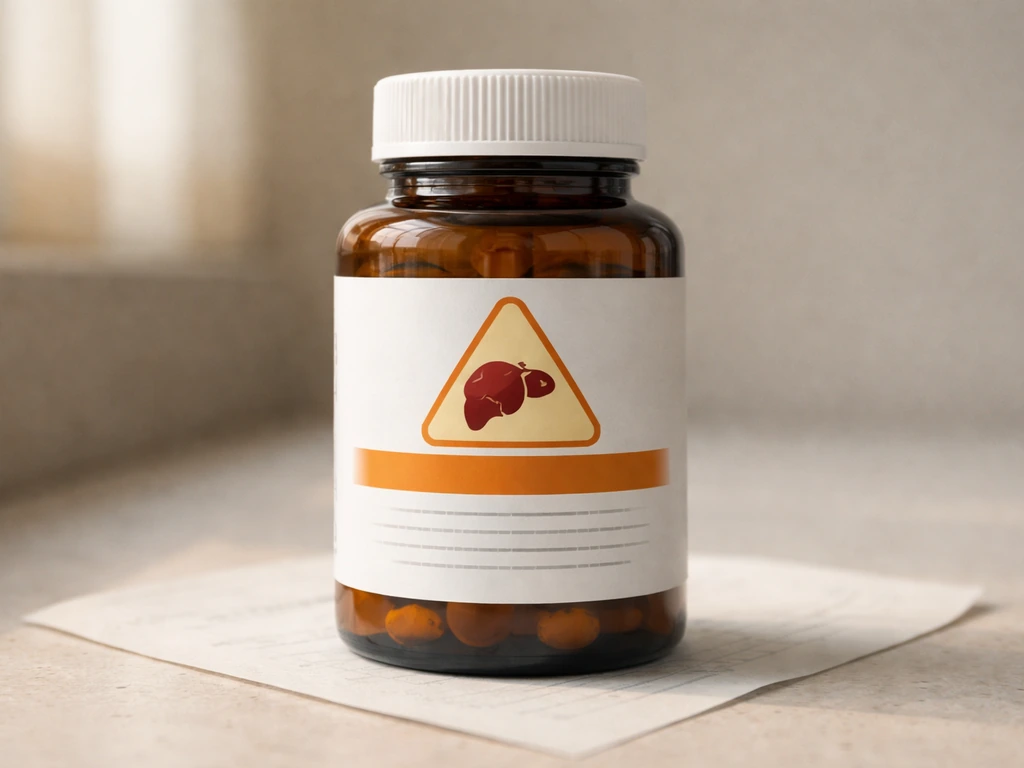
Case reports of ashwagandha-induced acute liver injury exist in the published literature, and LiverTox at NCBI documents a recognizable clinical pattern: injury typically appears after starting the herb and resolves within 1 to 4 months after discontinuation. The absolute risk appears low, but it is not zero. If you develop jaundice, dark urine, or upper-right abdominal pain after starting ashwagandha, stop taking it and see a doctor promptly.
Medication interactions
The NIH Office of Dietary Supplements flags interactions with antidiabetes drugs, antihypertensives, immunosuppressants, and sedatives. If you are on any of these, talk to your prescriber before adding ashwagandha. The sedative interaction is especially relevant if you are using ashwagandha for sleep alongside prescription sleep aids or benzodiazepines. blank" rel="noopener noreferrer">LiverTox: Ashwagandha (PDF, NCBI Bookshelf) notes that liverTox (NCBI Bookshelf) summarizes that ashwagandha-induced liver injury typically presents after starting the herb, with resolution commonly after discontinuation (often within 1–4 months), and discusses clinical patterns/typical time course.
Pregnancy, breastfeeding, and minors
NCCIH explicitly states ashwagandha should be avoided during pregnancy and while breastfeeding. Most standardized supplement products include a label note advising people under 18, pregnant women, and those trying to conceive to consult a healthcare provider before use. For children specifically, the lack of pediatric safety data makes unsupervised supplementation a poor idea regardless of the goal.
Product quality and dosing
Dosing in positive trials typically falls in the range of 300 to 600 mg per day of a standardized root extract, often taken for 8 to 16 weeks. 'Standardized' matters here because KSM-66, Sensoril, and generic ashwagandha powders have meaningfully different withanolide profiles. The FDA has also issued warnings about heavy-metal contamination in some ayurvedic herbal products, and community-level scrutiny of whether label claims match actual content is a real concern. Choosing a product with third-party testing (such as USP, NSF, or Informed Sport certification) reduces but does not eliminate that risk.
Better next steps for actually reaching your height potential
If you are still growing, the factors with the strongest evidence for supporting full height potential are much more basic than any supplement, and ashwagandha does not outperform any of them.
- Sleep 8 to 10 hours per night (for teens): growth hormone secretion is highest during deep sleep, and consistently short sleep is one of the most reliable ways to blunt it
- Eat enough: chronic calorie or protein restriction directly limits growth velocity; zinc and vitamin D deficiencies are also well-linked to impaired growth in children and teens
- Manage stress: chronically elevated cortisol suppresses the hypothalamic-pituitary axis involved in growth hormone release; stress reduction strategies have a real physiological basis here
- Stay physically active: weight-bearing exercise supports bone health and normal development; it does not increase height past your genetic ceiling, but it supports reaching it
- Get a medical evaluation if you are genuinely concerned: bone-age X-rays and growth-velocity tracking on standardized charts are the tools that actually tell you where you stand and what is possible
- Fix your posture: this will not add bone length but it can recover hidden height and has independent health benefits
- Track accurately: if you want to monitor changes, use a proper stadiometer or wall-mounted height measurement tool, measure at the same time of day (morning, since spinal discs compress slightly through the day), and compare over months, not weeks
Ashwagandha might have a supporting role in this picture for someone whose sleep and stress are genuinely dysregulated, but it is not a growth strategy on its own. Because of that, people often wonder, do Flintstone vitamins help you grow, but the key issue is the same growth-plate biology. The same is true for other commonly searched supplements in this space: things like peanut butter, specific vitamins, or other lifestyle factors all get evaluated through the same lens.
As for whether peanut butter helps you grow, the evidence is not credible as a direct height treatment. Do they support the hormonal and nutritional environment for growth? And are your plates even still open to benefit? Those two questions filter out most of the noise.
If you are an adult with fused plates, the honest answer is that height is largely behind you. The more productive goal shifts to optimizing posture, building muscle, and overall health, all of which ashwagandha has a more defensible role in. Focusing on what is actually changeable beats chasing an outcome that physiology has already locked in.
FAQ
If ashwagandha helps testosterone or sleep, can it still make me taller even if I am an adult?
No. Improvements in testosterone, sleep quality, or stress are indirect supports, they do not reopen fused growth plates. In adults, the only realistic “taller” outcome is posture, for example standing straighter if your spinal alignment improves.
I am a teenager, how do I know whether ashwagandha could help me reach my height potential?
The key is growth-plate status and overall fundamentals. If growth plates are still open, better sleep and lower chronic stress could theoretically help normal growth proceed, but trials that prove height changes in minors are lacking. The practical step is to prioritize calories, protein, consistent sleep, and then consider ashwagandha only as a secondary wellness aid, not a height strategy.
What age should I use ashwagandha for “growth” concerns, and when should I not?
Do not use it for children or teens without medical guidance, because pediatric safety and efficacy data for growth outcomes are thin. Avoid it completely in pregnancy and breastfeeding, and use extra caution if you are trying to conceive, since product labels commonly recommend prescriber consultation.
How long would it take to see any growth-related changes if they were going to happen?
Any height change from ashwagandha would have to come indirectly through sleep and stress changes, so you would not expect a direct “growth” timeline. If you notice anything, it is more likely posture or overall training recovery over weeks, not skeletal elongation. For a true growth question, the only time course that matters is measured growth velocity over months, ideally tracked by a clinician.
Could ashwagandha make me look taller even if it does not increase height?
Yes, but only through posture or less visible factors like improved muscle balance and training quality. If you have forward head carriage, rounded shoulders, or spinal compression from inactivity, improving exercise habits and addressing mobility can change how tall you appear, but that is not bone growth.
Does ashwagandha work better than vitamins, “bone” supplements, or energy drinks for height?
There is no height-specific advantage established. The most important filters are whether you are still in the growth-plate window and whether basics like protein, total calories, sleep, and stress management are in place. Vitamins only help if you are deficient, and many supplements do not address the core limiting factor for skeletal growth.
Are all ashwagandha products the same for these effects?
No. Studies often use standardized extracts with different withanolide profiles, such as KSM-66 or Sensoril. Switching products can change the withanolide mix, so effects on sleep or stress may differ. If you try it, pick a reputable standardized extract rather than generic raw powder, and follow the studied dose range.
What dose is typically used, and is “more” better for growth goals?
Trials commonly use about 300 to 600 mg per day of a standardized extract for roughly 8 to 16 weeks. More is not necessarily better, and higher exposure can increase side effects. If your main goal is sleep and stress, it is more useful to titrate to tolerance and track outcomes than to chase higher doses.
What are the biggest safety issues or interactions to watch for?
Stop and seek medical care if you develop jaundice, dark urine, or upper-right abdominal pain, since rare liver injury has been reported. Also check interactions if you use sedatives, diabetes medicines, blood pressure medications, or immunosuppressants, because additive effects or contraindications are possible. If you have liver disease or take multiple prescriptions, ask your clinician first.
If I am worried about being short, what is the right medical next step?
Ask your doctor to evaluate growth velocity, not just your final height. Common tools include standardized growth charts and, when appropriate, a bone-age X-ray to estimate remaining growth potential and growth-plate maturity. This is the fastest way to identify treatable causes like endocrine or nutritional problems.
Next Article
Does Peanut Butter Help You Grow Taller? Science and Limits
Find out if peanut butter can increase height, and why growth plates, genetics, sleep, and nutrition matter more than on