
Masturbation does not affect your height, stunt your growth, delay puberty, or change your long-term hormone levels in any meaningful way. There is no credible scientific evidence linking masturbation to shorter stature, slower growth plates, or disrupted puberty timing. The concern is understandable, especially for teenagers already anxious about how tall they'll end up, but the biology simply does not support it. For example, cannabis or weed is not proven to help you grow taller or keep growth plates open how tall you end up. What actually determines your height comes down to genetics, nutrition, sleep, and where you are in puberty, not sexual activity.
Does Jacking Off Help You Grow? Science-Based Answer

Marcus Reeves
28 Jun 2026
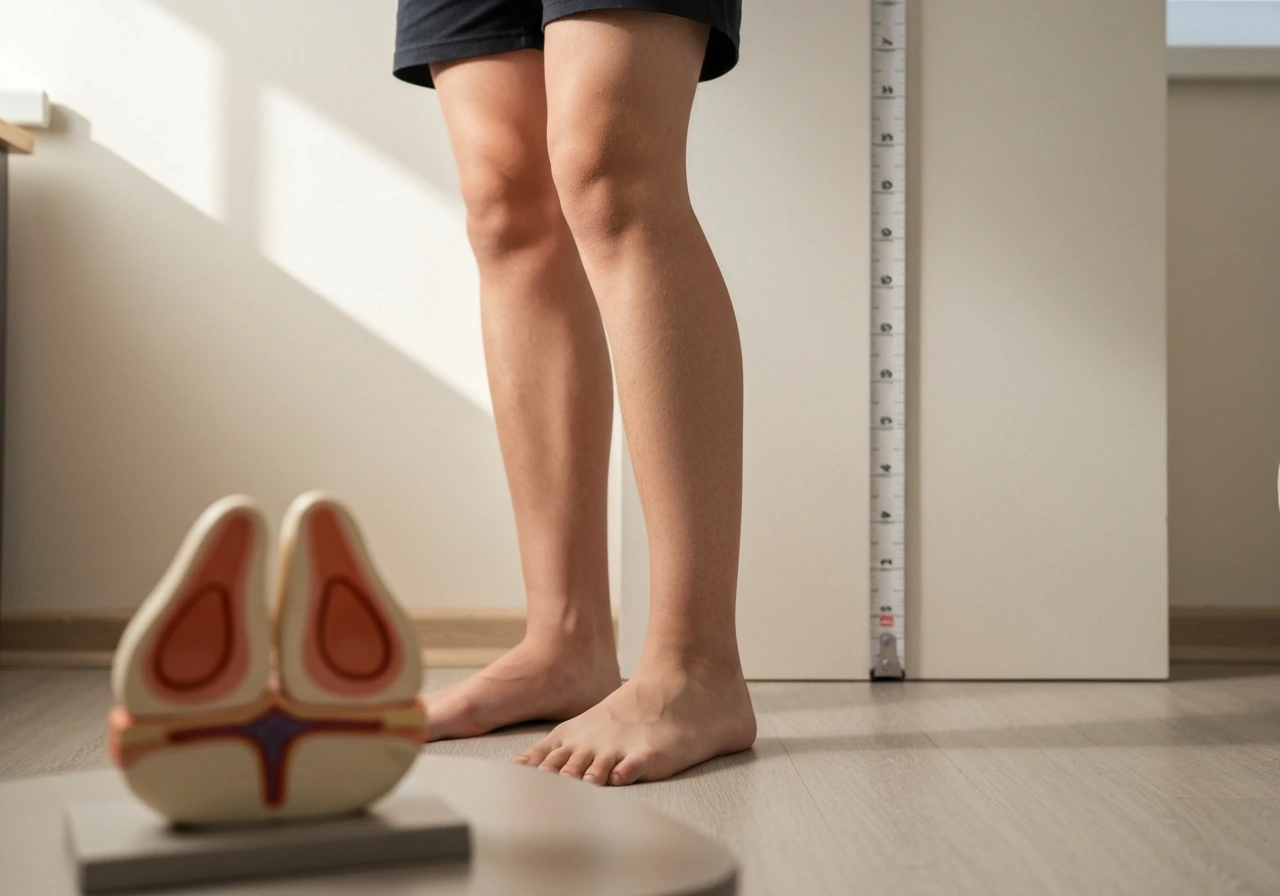
How your body actually grows taller
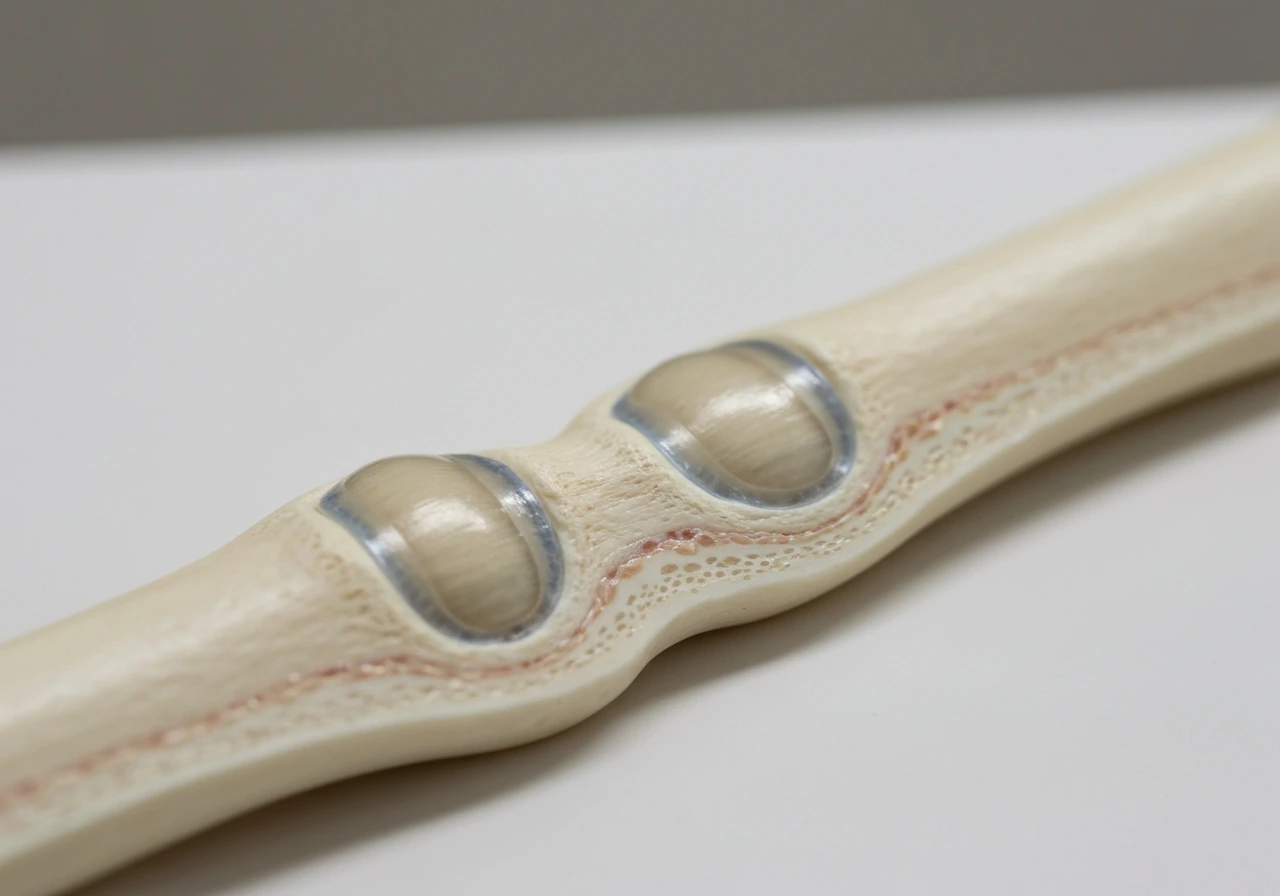
Height comes almost entirely from what happens at your growth plates, the strips of cartilage near the ends of your long bones (think femur, tibia, humerus). These plates are called epiphyseal plates, and they work by continuously producing new cartilage cells that then calcify into bone, pushing the bone longer over time. This process is what drives every centimeter of height you gain from infancy through late adolescence.
Puberty is when growth really accelerates. Rising levels of growth hormone (GH) and sex hormones, especially testosterone in boys and estrogen in both sexes, trigger a growth spurt that can add 8 to 12 centimeters per year at its peak. Ironically, the same hormones that fuel rapid growth also eventually end it. As puberty progresses and estrogen levels climb higher (in both boys and girls), the growth plates gradually narrow and fuse shut, a process called epiphyseal closure. Once they close, longitudinal bone growth stops. MRI research on adolescents shows closure happens progressively across different bones, with the distal radius typically among the last to close.
The timing of all this is driven by your endocrine system working on a developmental schedule set largely by your genetics. It is not triggered or disrupted by sexual behavior.
Does masturbation change your hormones or affect puberty?
Yes, masturbation produces a measurable but temporary hormonal response. Research published in the Journal of Urology found that serum testosterone rose from around 5.86 ng/mL before erection to about 7.01 ng/mL at ejaculation, then returned to roughly 6.22 ng/mL just ten minutes later. Other studies have tracked similar acute spikes in prolactin, cortisol, and LH around orgasm. So there is a real, short-term hormonal blip, but the word "short-term" is doing a lot of work here. These levels normalize within minutes. There is no evidence they accumulate into a sustained hormonal shift that could move the needle on your growth plates, your puberty timing, or your final height.
The American Academy of Pediatrics is direct on this: there is no evidence that masturbation is harmful to sexual development or long-term health. The Endocrine Society's patient resources on puberty and hormones do not list masturbation as a factor in growth impairment, puberty delay, or epiphyseal closure. A review on puberty and adolescent sexuality also notes that evidence for any developmental harm from masturbation is simply absent. The science is not ambiguous on this.
Busting the myth: can masturbating stunt your growth or delay puberty?
This myth probably persists because puberty, masturbation, and rapid growth all happen around the same time. It is easy to confuse correlation with cause. A teenager notices they have been masturbating and also feels like they have not grown in a few months, and the brain connects those two things. But the timing is coincidental, not causal.
Puberty timing is controlled by a complex cascade of hormonal signaling starting in the hypothalamus and pituitary gland. Nothing about masturbation interferes with that cascade. Precocious puberty (puberty that starts too early) is caused by endocrine conditions, not sexual activity. Delayed puberty has recognized medical and genetic causes, including constitutional delay, hormonal deficiencies, chronic illness, and significant undernutrition. Masturbation is not on that list in any clinical guideline.
The other version of this myth runs the opposite direction: that masturbation somehow boosts testosterone enough to accelerate growth or make you taller. That does not hold up either. The acute testosterone spike during orgasm is temporary and falls back to baseline within minutes. It does not provide a sustained anabolic stimulus that would meaningfully affect bone growth.
What actually influences how tall you grow

If you want to understand your real height potential and what you can do about it, here is where to focus your attention.
Genetics
Genetics accounts for roughly 60 to 80 percent of your final height. Your mid-parental height (the average of your parents' heights, adjusted by a few centimeters for your sex) is the single best predictor of where you will end up. This ceiling is real, and no lifestyle change will push you significantly beyond it. But lifestyle factors can absolutely prevent you from reaching it.
Nutrition

Adequate calories, protein, calcium, and vitamin D are non-negotiable for reaching your genetic height potential. If you're wondering specifically about foods like peanut butter, it is mainly helpful only insofar as it supports a balanced intake of calories and key nutrients needed for growth peanut butter help you grow. Chronic undernutrition during childhood or adolescence is one of the most reliable ways to end up shorter than your genes intended. Protein supports bone matrix development and growth hormone signaling. Calcium and vitamin D directly support bone mineralization and growth plate function. Teenagers who are undereating, especially athletes or those restricting food intake, are genuinely putting their height potential at risk in a way that masturbation never could.
Sleep
Growth hormone is released primarily during deep sleep, especially in the first few hours after falling asleep. Teenagers need 8 to 10 hours per night. Chronic sleep deprivation during the growth years is associated with reduced GH secretion, and that matters when your growth plates are still open. This is one of the more underappreciated levers people actually have control over.
Exercise
Regular physical activity, particularly weight-bearing exercise, supports healthy bone development and is associated with stronger GH secretion. There is no evidence that specific exercises make you taller beyond your genetic potential, but staying physically active during the growth years helps you develop to your full potential. If you are wondering about supplements like Flintstone vitamins and whether they can do flintstone vitamins help you grow, the evidence still points back to genetics, sleep, nutrition, and your growth plates. Extreme overtraining without adequate nutrition can actually backfire by suppressing GH and disrupting hormonal balance.
Avoiding things that genuinely suppress growth
Chronic illness, untreated hormonal conditions (like growth hormone deficiency or hypothyroidism), and long-term use of certain medications (particularly corticosteroids) are established causes of impaired growth. Heavy substance use during adolescence is also associated with developmental disruption. None of this involves masturbation, but it is worth knowing what the real risk factors are.
How to tell if you're still in your growth window

Whether you can still grow taller depends on whether your growth plates are still open, which is almost entirely determined by your puberty stage and age. Here is a practical framework.
| Situation | What it likely means for growth |
|---|---|
| Early to mid-puberty (boys roughly 12–15, girls roughly 10–13) | Significant growth still ahead, often the fastest growth of your life |
| Late puberty (boys roughly 16–18, girls roughly 14–16) | Growth slowing, plates beginning to close, limited but possible remaining gain |
| Post-puberty (growth plates fused) | Height is largely set; soft tissue and posture improvements are still possible |
| Puberty not yet started by age 14 (boys) or 13 (girls) | Worth medical evaluation to rule out constitutional delay or underlying conditions |
You can roughly track your own growth velocity using the formula: (current height minus prior height, in cm) divided by the number of months between measurements, multiplied by 12. This gives you centimeters per year. During a healthy puberty growth spurt, you might see 8 to 12 cm/year. In late childhood before the spurt, about 5 cm/year is typical. If growth velocity drops significantly below 5 cm/year for an extended period before puberty is complete, that is worth discussing with a doctor.
Bone age X-rays are another tool clinicians use. A bone age that matches chronological age means your growth plates are developing on a typical schedule. A delayed bone age (common in constitutional delay) actually means more growth time remaining, while an advanced bone age means plates may close earlier.
Practical next steps if you're worried about your growth
If you are genuinely concerned your growth has stalled or you are not hitting expected milestones, here is what to actually do about it, starting today.
- Track your height accurately every 3 to 6 months using the same wall, same time of day (mornings are best, since you lose a small amount of height through the day due to spinal compression). Record dates and measurements.
- Calculate your growth velocity using the formula above and compare it to expected ranges for your age and puberty stage.
- Audit your sleep. If you are consistently getting fewer than 8 hours as a teenager, fixing that alone can meaningfully support GH secretion.
- Check your nutrition. Are you eating enough total calories and protein? Are you getting calcium (1,300 mg/day for teens) and vitamin D (600 IU/day minimum, more if deficient)? These are not minor details if your growth plates are still open.
- See a doctor if: your growth velocity has been below 5 cm/year for over a year before puberty is complete; you have not shown any signs of puberty by age 14 (boys) or 13 (girls); or Johns Hopkins guidelines note that girls who have not started menstruating by age 16 warrant evaluation. A pediatric endocrinologist can order a bone age X-ray, check GH and thyroid levels, and rule out treatable causes.
Stop worrying about masturbation as a variable. It is genuinely not part of this equation. The levers that matter are the ones listed above: sleep, nutrition, staying healthy, and getting evaluated if something seems clinically off. You may also wonder about supplements like ashwagandha, but height is mainly determined by genetics, nutrition, sleep, and whether your growth plates are still open. Similar logic applies when people ask whether other habits or substances affect growth. The factors that move the needle are almost always systemic ones tied to your overall health, hormonal function, and puberty stage.
One more realistic note: if your growth plates have already fused, no lifestyle change will add inches. Height after plate closure is essentially fixed. What you can do is optimize posture, core strength, and overall body composition, which can make a visible difference in how tall you appear and carry yourself. That is not a consolation prize, it is just the honest biology of where growth ends and maintenance begins.
FAQ
If masturbation temporarily raises testosterone, why doesn’t that translate into more height over time?
The testosterone and other hormone changes around orgasm are short-lived, they return toward baseline within minutes, and height growth depends on sustained growth plate activity over months. Even large acute spikes do not create the long-term hormonal environment needed to reopen or keep epiphyseal plates from fusing.
Can masturbation affect puberty timing, like starting puberty earlier or later?
There’s no solid evidence that sexual behavior shifts the normal puberty schedule. Puberty timing is governed by brain and endocrine signaling, if puberty starts early or late, clinicians look for medical or developmental causes like endocrine disorders, significant undernutrition, chronic illness, or genetic patterns.
I’m a teen and my growth seems to have slowed. Could it be because of frequent masturbation?
It’s much more likely the slowdown is from normal puberty variation, measurement noise (small height changes are easy to miss), sleep and calorie intake, or an underlying health issue. If your growth velocity is clearly below typical expectations for an extended period, it’s worth discussing with a pediatrician rather than blaming masturbation.
How often should I measure my height to know if I’m actually growing?
Use consistent conditions: measure the same time of day (often morning), same scale, and similar clothing, and try to use photos or a stadiometer when possible. For growth velocity, clinicians typically prefer at least two measurements separated by several months to reduce random day-to-day fluctuation.
Does jacking off affect growth plate closure directly?
No. Growth plate fusion is driven by developmental hormonal signals that progress over time, not by whether you masturbate. If growth plates are closing earlier than expected, clinicians focus on puberty stage, bone age, and medical factors rather than sexual activity.
What symptoms would suggest I should get checked for a possible growth problem?
Consider medical evaluation if growth velocity drops well below expected ranges for your age and puberty stage, if you cross percentiles downward over time, if you have symptoms of endocrine issues (like major fatigue, weight change, delayed sexual development), or if there are signs of chronic disease or undernutrition.
If my bone age is advanced, does that mean masturbation could have caused it?
An advanced bone age usually reflects earlier maturation biology, such as endocrine conditions or overall nutritional and developmental factors. It’s not something masturbation would be expected to change, bone age helps predict how much growth time remains so you can target the right medical steps if needed.
Could stopping masturbation help me reach my genetic height potential?
Stopping is unlikely to change height outcomes. If you’re trying to reach your genetic potential, the higher-impact levers are sleep, adequate calories and protein, calcium and vitamin D intake, staying active without extreme overtraining, and addressing any medical conditions that can impair growth.
Is there any situation where masturbation could indirectly affect growth through something else?
Indirect effects are more about overall lifestyle, for example if frequent masturbation is paired with poor sleep, skipping meals, or staying sedentary, those can affect growth-relevant factors like sleep and nutrition. But masturbation itself is not the causal growth inhibitor, the underlying lifestyle pattern is the issue.
Do supplements or vitamins help if I’m worried about my height?
Supplements only matter if you’re actually deficient or unable to meet needs through food. A clinician might check vitamin D or other markers if intake is low, otherwise “height supplements” rarely overcome genetic limits, and excessive supplementation can be harmful.
Next Article
Ashwagandha: Does It Help You Grow Taller or Build Muscle?
Explains whether ashwagandha can help you grow taller or build muscle, plus realistic evidence, safety, and next steps.