
Sunlight does not directly make you taller. The sun cannot trigger your growth plates or release growth hormones. The only real connection between sunlight and height is indirect: your skin uses UV-B radiation to produce vitamin D, and vitamin D helps your body absorb calcium and mineralize bone properly. If someone is genuinely deficient in vitamin D during their growing years, getting more sunlight (or supplementing) can help their bones develop as they should. But for a child or teen who already has adequate vitamin D, more sun exposure will not add extra centimeters.
Does the Sun Make You Grow Taller? Vitamin D Facts

Marcus Reeves
5 Jul 2026

The real mechanism: vitamin D, not sunlight itself

When UV-B rays from the sun hit your skin, they convert a compound called 7-dehydrocholesterol into vitamin D3. Your liver and kidneys then convert that into the active form your body actually uses. That active form, calcitriol, regulates how much calcium your gut absorbs and how well calcium gets deposited into bone tissue. Healthy bone mineralization is essential for normal skeletal growth. So sunlight is really just the first step in a longer chain that ends at your bones.
The myth that the sun itself makes you taller probably comes from a kernel of truth that got oversimplified. Kids who spend time outside tend to be more active, eat more, sleep better, and in some populations get more vitamin D. Getting enough quality sleep, which includes sleeping in darkness when possible, is also important for normal growth and development sleep better. But none of that means UV rays are flipping a height switch. The growth-promoting effect, where it exists at all, belongs entirely to vitamin D correcting a deficiency, not to sunlight as some kind of direct growth stimulus.
When sunlight actually can support growth
Vitamin D deficiency is more common than most people expect, especially in children who spend most of their time indoors, live at high latitudes, have darker skin (which requires longer sun exposure to produce the same amount of vitamin D), or consistently cover up outside. According to the NIH Office of Dietary Supplements, serum 25-hydroxyvitamin D (25(OH)D) levels below 30 nmol/L (12 ng/mL) are considered too low and can weaken bones. Levels below roughly 50 nmol/L (20 ng/mL) may still pose some risk to bone health, with an estimated 97.5% of people meeting their needs at around that 20 ng/mL mark.
For a child or teenager who is genuinely deficient, inadequate vitamin D impairs calcium absorption, which in turn impairs bone mineralization. In severe cases this leads to rickets, a condition where bones become soft and deformed. Even moderate, subclinical deficiency during the growing years can mean bones do not mineralize as densely or as well as they could, potentially limiting how fully someone reaches their genetic height potential. Fixing that deficiency, whether through sun exposure, diet, or supplementation, removes a genuine obstacle to normal growth.
If your child or teenager is at risk for vitamin D deficiency, getting some regular, safe sun exposure is genuinely worthwhile. The effect is not about adding extra height on top of what genetics allow. It is about making sure a correctable nutritional problem is not quietly holding back development that should be happening anyway.
What actually controls how tall you grow

Height is primarily determined by your growth plates, the hormones that drive them, and the genetic blueprint you were born with. Growth plates, also called epiphyseal plates, are regions of cartilage near the ends of long bones like the femur and tibia. During childhood and adolescence, cells in these plates divide and produce new bone tissue, lengthening the skeleton. Growth hormone (produced by the pituitary gland) and insulin-like growth factor 1 (IGF-1) are the primary hormonal drivers of that plate activity. Sex hormones, particularly the estrogen surge during puberty, eventually cause the plates to harden and close, which is why height stops increasing after puberty ends.
Genetics account for roughly 60 to 80 percent of the variation in adult height between individuals, with nutrition and environment making up the rest. Vitamin D is one nutritional factor in that environmental piece, but it shares that space with protein intake, total caloric intake, calcium, zinc, and overall health. No single factor, sunlight included, overrides the genetic ceiling or dramatically extends the growth window.
How much sun is actually helpful, and how to get it safely
There is no universally agreed-upon number of minutes in the sun that equals a guaranteed vitamin D dose, because the amount your skin produces depends on the time of day, season, latitude, cloud cover, skin tone, and how much skin is exposed. That said, a practical general guideline for fair-skinned people is roughly 10 to 30 minutes of midday sun (between 10 a.m. and 3 p.m.) on arms and legs several times a week. People with darker skin tones typically need significantly longer to produce the same amount. During winter months at higher latitudes, UV-B levels drop so low that meaningful vitamin D production from sunlight is nearly impossible regardless of how long you stay outside.
More sun is not always better. Prolonged unprotected sun exposure increases the risk of skin damage and skin cancer without proportionally increasing vitamin D production, because the body has a natural feedback mechanism that limits how much vitamin D the skin synthesizes at once. The practical takeaway: modest, regular outdoor time is useful. Deliberately baking in the sun for hours to maximize vitamin D is not a sound strategy, and tanning or skin darkening is not a sign that your body is producing more growth-supporting nutrients.
If regular sun exposure is not realistic for your situation, dietary vitamin D (from fatty fish, egg yolks, and fortified foods) and supplementation are well-established alternatives. Melatonin has a different role in the body, and there is no strong evidence that it helps kids grow taller by affecting growth plates or vitamin D. A doctor can measure your 25(OH)D blood levels and recommend appropriate supplementation if needed. This matters more than trying to engineer a precise amount of outdoor time.
Other evidence-based ways to support height potential
Sunlight is just one small piece of the picture. If you are a parent of a growing child, or a teenager thinking about maximizing your own height potential, focusing on the following factors will have far more impact than any amount of sun exposure.
- Sleep: Growth hormone is released in pulses during deep sleep, especially in the first half of the night. Children aged 6 to 12 need 9 to 12 hours of sleep per night; teenagers need 8 to 10 hours. Chronically poor sleep directly reduces GH secretion and is one of the most underappreciated obstacles to normal growth.
- Protein: Adequate dietary protein is essential for producing IGF-1 and building new bone and muscle tissue. Children and teens have higher protein needs per kilogram of body weight than adults. Lean meats, eggs, dairy, legumes, and fish are practical sources.
- Calcium: Works directly with vitamin D to mineralize bone. Dairy products, fortified plant milks, leafy greens, and tofu with calcium sulfate are good dietary sources. Teens need around 1,300 mg of calcium daily.
- Physical activity: Weight-bearing exercise and activities that load the skeleton (running, jumping, sports) stimulate bone density and healthy development. There is no evidence that passive stretching or hanging makes you taller, despite popular claims online.
- Avoiding growth-suppressing factors: Chronic stress, untreated illness, heavy alcohol use in adolescence, and steroid medications (when used long-term without medical oversight) can all impair normal growth. These are worth addressing if relevant.
On the stretching question: it comes up frequently when people search sun-and-height topics, probably because both are framed as natural, free ways to get taller. But hanging from bars or doing yoga will not lengthen your bones. Temporary spinal decompression after activity can add a few millimeters in the short term, but that reverts quickly. It is not a pathway to a meaningfully taller adult height.
Can adults get taller from sun exposure?
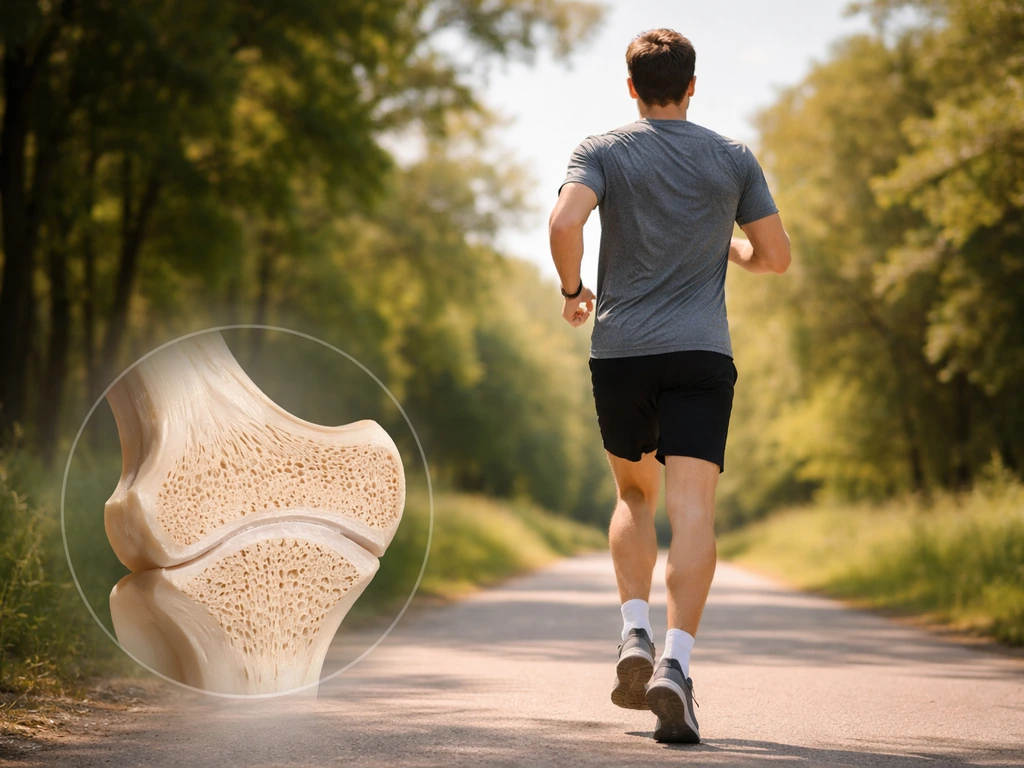
No. Once your growth plates close, which typically happens in the late teens for girls and the early-to-mid twenties for boys, your bones are no longer capable of longitudinal growth. Sunlight, vitamin D, calcium, or any other nutrient cannot reopen fused growth plates. This is a structural biological fact, not a conservative estimate. Your adult height is set once the plates have closed.
Vitamin D still matters enormously for adults, but for different reasons. It helps maintain existing bone density, reducing the risk of osteoporosis and stress fractures. Severe deficiency in adults causes osteomalacia, a painful softening of bone. These are serious health concerns worth addressing, but they involve maintaining the skeleton you already have, not building a taller one. If you are an adult wondering about height, the honest answer is that sun exposure will not change your stature in any measurable way.
When to talk to a doctor
Most children who are growing steadily, even if not at the top of the height chart, do not need medical investigation. But there are specific situations where it makes sense to get a professional involved.
- A child who has stopped growing or whose growth has noticeably slowed before the expected end of puberty
- A child whose height is consistently far below average for their age and parental height would not explain it
- Bone pain, muscle weakness, or bowing of the legs, which can signal vitamin D deficiency or rickets
- Fatigue, frequent illness, or mood changes alongside slow growth (which can point to thyroid or other hormonal issues)
- Adults with risk factors for vitamin D deficiency: limited sun exposure year-round, very dark skin tone, a diet low in vitamin D, obesity, or conditions that affect fat absorption (like Crohn's disease)
A simple blood test measuring 25(OH)D is the standard way to check vitamin D status. The NIH defines levels below 30 nmol/L (12 ng/mL) as deficient and likely to weaken bones. The USPSTF concludes that evidence is insufficient to assess the balance of benefits and harms of screening asymptomatic adults for vitamin D deficiency The NIH defines levels below 30 nmol/L (12 ng/mL) as deficient and likely to weaken bones.. A pediatrician or family doctor can order this and advise whether supplementation, dietary changes, or further workup is warranted. Growth concerns in children are generally worth raising at routine checkups rather than waiting, since early identification of hormonal or nutritional problems gives the most room for intervention during the still-open growth window.
The bottom line is practical: sunlight supports vitamin D production, and vitamin D supports healthy bone development during the growing years. If deficiency is a real risk in your situation, addressing it matters. But blank" rel="noopener noreferrer">sun exposure is not a height-growth intervention on its own, and it changes nothing for adults whose plates have closed. Focus on the fundamentals, get blood levels checked if there is genuine concern, and be skeptical of any claim that positions sunlight as a direct route to being taller.
FAQ
If my child plays outside a lot, do they still need vitamin D supplements?
Sunlight helps only if it prevents or corrects a vitamin D deficiency. If your child or teen already has sufficient 25(OH)D, extra sun will not “stack” height. A blood test is the fastest way to confirm whether the issue is actually vitamin D status.
Can someone be getting sun and still have low vitamin D?
Yes, deficiency can happen even with time outdoors, especially if exposure is limited (indoors at midday), skin is heavily covered, it is cloudy, or you live far from the equator in winter. Darker skin also needs more UV-B to make the same amount of vitamin D, so “I’m outside” does not always equal “I’m producing enough.”
What’s the safest way to use sunlight to improve vitamin D levels?
For many people, the safe approach is modest, repeated exposure. If you need to rely on sun due to low vitamin D, avoid trying to “solve it” with long tanning sessions, because skin damage can rise faster than vitamin D production. If you are at high risk for deficiency, discuss supplementation with a clinician rather than increasing UV exposure.
Why doesn’t one exact number of minutes in the sun work for everyone?
Because vitamin D production depends on multiple variables, there is no universal minute-count that works for everyone. The most reliable decision aid is your serum 25(OH)D level, which reflects your body’s stores, not just how long you were outside that day.
Is there any harm in getting extra sun to try to grow taller faster?
Too much UV exposure increases skin cancer risk and skin aging without proportionally increasing vitamin D, since the body limits how much vitamin D it can generate at once. “More” also does not reopen growth plates, so it cannot create additional height beyond genetics once deficiency is addressed.
My child’s height is on the low end, should I just focus on vitamin D and sun?
If growth seems unusually slow, the best first step is not more sun, it is a checkup to review growth velocity (how many centimeters per year) and nutrition overall. Your clinician may consider labs beyond vitamin D, such as calcium status, thyroid function, or other causes of delayed growth.
What growth problems vitamin D will not fix?
If there is a true growth hormone or puberty timing issue, vitamin D will not correct it. Puberty timing, overall calorie and protein intake, sleep consistency, chronic illness, and other endocrine factors often drive growth more directly than vitamin D once deficiency is not the main problem.
Does vitamin D or sunlight help after someone finishes puberty?
If growth plates are closed, sunlight cannot lengthen bones because the growth mechanism is already shut down. Vitamin D can still be important for adult bone density and fracture prevention, but it will not measurably change adult height.
Should I test vitamin D first, or start supplements immediately?
A doctor can measure 25(OH)D, and sometimes recheck after a supplementation trial to ensure levels are rising appropriately and not becoming excessive. Dosing is individualized based on baseline level, age, dietary intake, and health conditions, so it is safer to follow medical guidance than to guess.
What if my family avoids sun due to skin cancer risk?
If you are avoiding sun for skin-safety reasons, you can still correct deficiency with fortified foods and diet, or with supplementation when needed. This route can improve vitamin D status without the UV exposure tradeoffs, and you can use repeat blood tests to verify response.
Next Article
Does Sunlight Help You Grow Taller? Evidence and Tips
Sunlight boosts vitamin D, aiding bone growth in kids if deficient, but it cannot directly make adults taller.