
Sunlight does not directly make you taller, but it plays a real supporting role through vitamin D production. UVB rays trigger your skin to synthesize vitamin D3, which your body needs to absorb calcium and build dense, strong bones. If a child or teen is vitamin D deficient, their growth can be impaired. Correcting that deficiency can help them reach their genetic height potential. For adults whose growth plates have already closed, sunlight will not add inches, but it still matters for bone health and how you carry yourself.
Does Sunlight Help You Grow Taller? Evidence and Tips

Marcus Reeves
8 Jun 2026

How sunlight actually connects to your height

When UVB radiation in the 280 to 320 nm range hits your skin, it breaks the B ring of a compound called 7-dehydrocholesterol. That broken molecule quickly converts to previtamin D3, which then isomerizes into vitamin D3 (cholecalciferol). Your liver and kidneys convert that into the active hormone your body uses. The whole process is elegant and efficient on a sunny day, but it gets blocked pretty effectively by sunscreen, clothing, window glass, and heavy cloud cover.
Vitamin D's job in bone development is to regulate calcium and phosphate absorption in your gut. Without enough of it, your body cannot properly mineralize bone tissue. In growing children, severely low vitamin D leads to rickets, a condition where bones become soft and deformed, and where growth plates function abnormally. Even milder deficiency can blunt the rate and quality of bone formation during the years when height is being determined. So the chain is: sunlight drives vitamin D, vitamin D enables proper bone mineralization, and adequate bone mineralization supports normal growth.
Growth plates, the cartilage zones near the ends of long bones where new bone tissue is laid down, are the actual hardware of height increase. Vitamin D receptors are present in growth plate cells, and research suggests that D3 directly influences how those cells proliferate and mature. This is why vitamin D status is genuinely relevant to height, even if it is one factor among many.
Age changes everything here
Children and teenagers
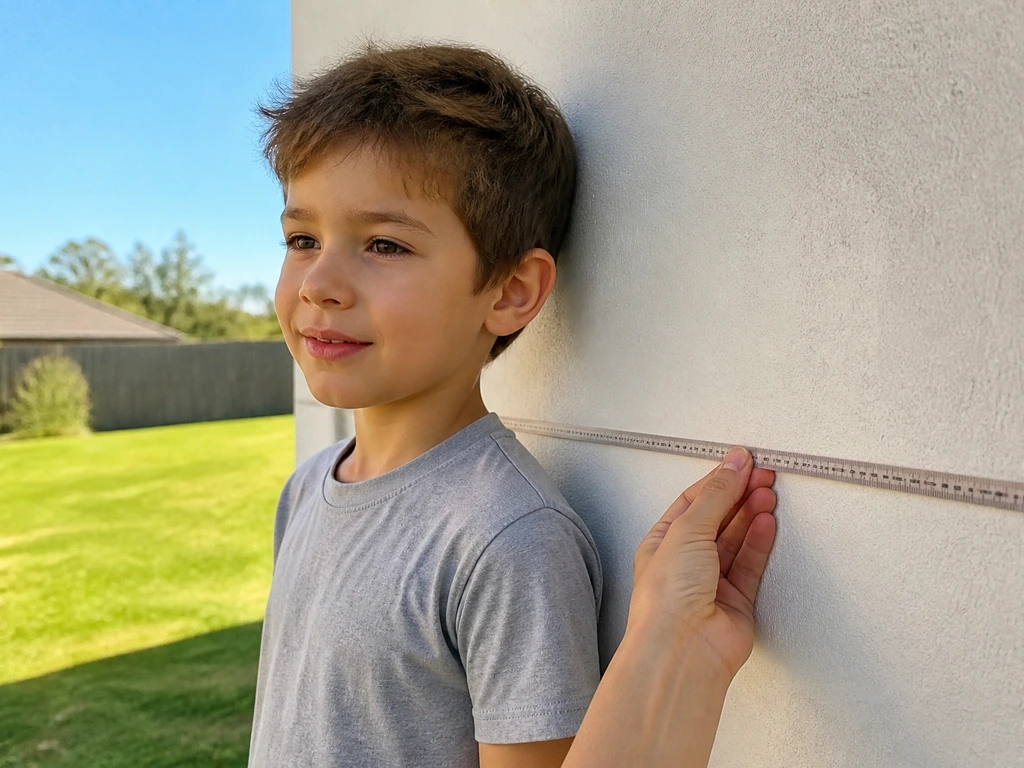
If you are a child or a parent reading this, sunlight and vitamin D status genuinely matter. Growth plates are open and active throughout childhood and into the mid to late teens for most people. Vitamin D deficiency during these years can slow or distort growth. The Endocrine Society defines deficiency as a serum 25(OH)D level below 20 ng/mL, and they specifically state that children need to stay above that threshold to prevent rickets and support normal skeletal development. Getting adequate sunlight (or supplementing when sunlight is not enough) during this window is a practical, evidence-backed thing to prioritize.
Adults
Once growth plates fuse, typically in the late teens for girls and early to mid-twenties for men in some cases, no amount of sunlight, vitamin D, calcium, or anything else will lengthen your bones. That chapter is closed. However, adults with poor vitamin D status can experience bone loss and subtle postural changes that make them appear or measure slightly shorter over time. Severe deficiency in adults causes osteomalacia, a softening of existing bone. So while sunlight will not make an adult taller, maintaining good vitamin D levels still protects the height and bone integrity you already have.
What the evidence actually supports (and what it does not)
There is solid evidence that severe vitamin D deficiency impairs growth in children. Correcting deficiency, whether through sunlight, diet, or supplements, can help children grow more normally. Some studies in deficient populations show modest height improvements with vitamin D supplementation. That is real and meaningful.
What the evidence does not support is the idea that sunlight or extra vitamin D will push a well-nourished, vitamin-D-sufficient child above their genetic ceiling. If your levels are already adequate (above 30 ng/mL by Endocrine Society standards), loading up on more sun or supplements is not going to add centimeters. Height is strongly determined by genetics, around 60 to 80 percent by most estimates, and sunlight is one piece of a much larger nutritional and developmental picture. Treating it as a height hack overstates what the science says. If you are wondering, “does the sun help you grow,” the science points to vitamin D as the key link, but genetics and overall health still set the ceiling.
| Claim | What the evidence says |
|---|---|
| Vitamin D deficiency can impair growth in children | Supported — rickets and impaired bone mineralization are well documented |
| Correcting deficiency may improve growth trajectory | Supported — particularly in populations with documented low vitamin D |
| Sunlight boosts height in already-sufficient children | Not supported — no meaningful effect above adequate levels |
| Sunlight increases adult height | Not supported — growth plates are fused in adults |
| Sun exposure protects adult bone health | Supported — vitamin D helps prevent bone loss and osteomalacia |
Getting the sun exposure that actually helps

You do not need to bake in the sun for hours. For most people with lighter skin tones, 10 to 20 minutes of midday sun exposure on the arms and legs several days a week is enough to trigger meaningful vitamin D synthesis. Midday matters because UVB rays are only strong enough to penetrate the atmosphere at the right angle when the sun is higher in the sky, roughly between 10 a.m. and 3 p.m. in most mid-latitude locations.
Skin tone significantly affects how quickly you synthesize vitamin D. Melanin acts as a natural UVB filter, so people with darker skin need considerably longer exposure times, sometimes two to three times as long, to produce the same amount of vitamin D3. This is not a flaw; it is an evolutionary adaptation to UV environments. But it does mean vitamin D deficiency is more common in darker-skinned individuals living at higher latitudes or spending most time indoors.
Season and latitude matter too. In winter months above roughly 35 degrees north or south latitude, UVB intensity often drops too low to drive meaningful vitamin D synthesis regardless of how long you stand outside. This is when food sources and supplements become more important. Foods with meaningful vitamin D include fatty fish like salmon and mackerel, egg yolks, and fortified dairy or plant milks. If you are in a low-sun environment or have risk factors for deficiency, a daily supplement of 600 to 2000 IU of vitamin D3 is commonly recommended, though your clinician should guide the specific dose based on your blood levels.
- Aim for 10 to 20 minutes of midday sun exposure on bare arms and legs on most days (adjust upward for darker skin tones)
- Expose skin between 10 a.m. and 3 p.m. when UVB is actually present in sufficient amounts
- Do not rely on sun through windows — glass blocks UVB
- In winter or high-latitude locations, consider vitamin D-rich foods or a supplement
- Use sunscreen sensibly for longer exposures to avoid burn risk, accepting that it reduces vitamin D synthesis
The height drivers that matter more than sunlight
If you or your child is trying to maximize height potential, vitamin D through sunlight is genuinely useful but it is not the lead player. Here is what the evidence places higher on the priority list.
Sleep is arguably the most underappreciated height factor. Human growth hormone is secreted in pulses primarily during deep sleep, especially in the first half of the night. Children and teens who consistently get less than the recommended 8 to 10 hours are literally shortchanging their growth hormone output. No amount of sunlight compensates for chronic sleep deprivation during the growth years.
Darkness and melatonin play a related role here, which connects to how your sleep environment and light exposure at night also influence this system. For example, does sleeping in darkness help you grow? It may support deeper, more growth-related sleep rather than directly replacing sunlight Darkness and melatonin. Melatonin itself does not replace key growth inputs like nutrition, sleep duration, and healthy vitamin D levels Darkness and melatonin.
Nutrition is the other heavy hitter. Protein provides the amino acid building blocks for the collagen matrix in bone and cartilage. Calcium, ideally from food sources like dairy, leafy greens, and fortified foods, is the mineral that gets laid down in that matrix. Without enough of both, even perfect vitamin D levels cannot drive full bone development. Chronic undernutrition is one of the clearest causes of stunted growth globally. If a child's diet is poor, fixing sunlight exposure is a distant second priority to fixing their overall nutrition.
Exercise, specifically weight-bearing and resistance activity, stresses bones in ways that signal growth and density. In children and teens, active play, sports, and general physical activity help ensure the skeletal system is being loaded and stimulated. In adults, weight-bearing exercise helps maintain bone density and posture, both of which affect how tall you actually measure and how tall you appear.
Posture deserves a mention because it is the one thing adults can genuinely change to affect how tall they look and measure on any given day. Poor posture, particularly forward head position and rounded shoulders, can reduce measured height by an inch or more. Core strengthening, stretching tight hip flexors, and being mindful of screen posture are practical steps that pay off quickly.
When it is worth talking to a clinician

If you suspect vitamin D deficiency, the straightforward move is to get a serum 25(OH)D blood test. It is a routine, inexpensive test. The Endocrine Society considers levels below 20 ng/mL deficient, levels of 21 to 29 ng/mL insufficient, and levels of 30 to 100 ng/mL sufficient. If you or your child is deficient, a clinician can guide appropriate supplementation doses to correct it safely without overshooting into toxicity territory.
For parents worried about a child's growth rate, the key signal to act on is falling off their growth curve or growing significantly slower than peers over a sustained period. Pediatricians track height on growth charts at well visits for exactly this reason. If a child is consistently below the expected percentile or shows signs of rickets (bowed legs, delayed walking, dental problems), that warrants a full workup that includes vitamin D status but also checks for other hormonal and nutritional issues.
Adults who are losing height noticeably over time, particularly after midlife, should consider getting both vitamin D levels and bone density checked. Osteoporosis and vertebral compression can cause real, measurable height loss, and both vitamin D status and lifestyle factors are modifiable parts of that picture. Getting a baseline DEXA scan if you are at risk is a sensible step to discuss with your doctor.
FAQ
How much sunlight is enough to support normal growth without overdoing it?
For most people, the safest goal is vitamin D sufficiency, not “more sun.” Use short exposures when UVB is strongest (typically late morning to mid-afternoon), then prioritize shade and skin protection as needed. If you have darker skin, live at higher latitudes, or spend most of your day indoors, rely more on diet and ask your clinician about a blood-test-guided supplement rather than extending sun exposure.
If my vitamin D level is already normal, will more sun make me taller?
Yes, but only up to a point. If levels are already sufficient, additional sun or higher-dose supplements usually do not translate into extra height because growth plate biology is capped by genetics and overall development. The more useful approach is checking a serum 25(OH)D level first, then correcting deficiency to reach a healthy range.
Does sunlight help adults who feel like they are getting shorter?
In general, adults should not expect sunlight to increase height after growth plates fuse. However, maintaining adequate vitamin D can slow bone loss and help prevent posture-related height changes. If you are noticing shrinking, it is worth evaluating for osteoporosis risk and causes like vertebral compression, not just vitamin D.
Does getting sun through a window help you make vitamin D for height?
Window glass blocks the UVB that drives vitamin D production, so sunlight through a window usually does not provide the same vitamin D benefit. For practical purposes, outdoor midday exposure works better, while indoor daylight is mainly helpful for circadian cues and may support healthier sleep.
What should parents do if they suspect rickets instead of just low vitamin D?
If a child has symptoms or signs of rickets, do not try to manage it with more sun alone. A clinician should check serum 25(OH)D and also consider calcium, phosphate, and alkaline phosphatase, because rickets can have causes beyond vitamin D. Treatment often involves both correcting vitamin D and ensuring mineral balance.
How much height improvement should we realistically expect from vitamin D if a child is deficient?
A “modest” change can still be meaningful for growth if a child is truly deficient. The key is that benefits are most likely when correcting deficiency rather than optimizing already-normal levels. Blood testing helps you avoid unnecessary dosing and focuses treatment on the real bottleneck.
Will sunscreen prevent vitamin D production and stunt growth?
Sunscreen generally reduces UVB reaching the skin, so it can lower vitamin D production during that exposure. But it also prevents skin damage, and you can still reach targets safely with brief exposures, diet, or supplements. The better decision aid is to test levels and supplement if needed, rather than using sunscreen as a “vitamin D blocker” by removing it entirely.
How do I know whether I should supplement vitamin D and what dose is safe?
Yes. If you are severely deficient, too-low dosing may not correct it, but too-high dosing can raise the risk of vitamin D toxicity, especially with long-term high doses or high body stores. Dose selection should be based on your blood level, age, and any medical conditions or interacting medications.
If I feel fine but my test shows “insufficient” vitamin D, what should I do next?
If your level is only borderline low, symptoms are nonspecific and there is no guarantee you will “feel” different. The action item is to recheck after a clinician-guided supplementation period, and continue the core height-related habits already discussed (sleep, protein, calcium, weight-bearing activity).
How can I tell if my child is truly growing slower, not just measuring differently?
Height measurement can be affected by posture, hydration, and measurement technique. If you are assessing whether growth is happening, use consistent measurement time of day, same stadiometer or method, and track growth rate over months, since single measurements can be misleading.
When should an adult ask for bone density testing instead of only checking vitamin D?
For adults at risk of bone loss, height loss can come from spine changes, not leg length changes. Asking your clinician about vitamin D status plus bone density evaluation can clarify whether the issue is bone density, vertebral compression, or another medical cause.
Next Article
Does Sleeping in Darkness Help You Grow? What Science Says
Does sleeping in darkness help you grow? Science on GH, melatonin, and circadian timing for kids vs adults.