
Sunlight can support healthy growth in kids and teens, but not in the direct way most people imagine. It doesn't trigger a growth spurt or add centimeters on its own. What it does is help your body produce vitamin D, which your bones need to properly absorb calcium and mineralize. If a child is genuinely vitamin D deficient, correcting that deficiency can remove a barrier to normal skeletal development. But for someone already getting enough vitamin D, more sun exposure won't push height any further than genetics and other fundamentals allow.
Does the Sun Help You Grow? Vitamin D, Bones, and Height

Marcus Reeves
13 May 2026

What 'helps you grow' actually means, and why age changes everything
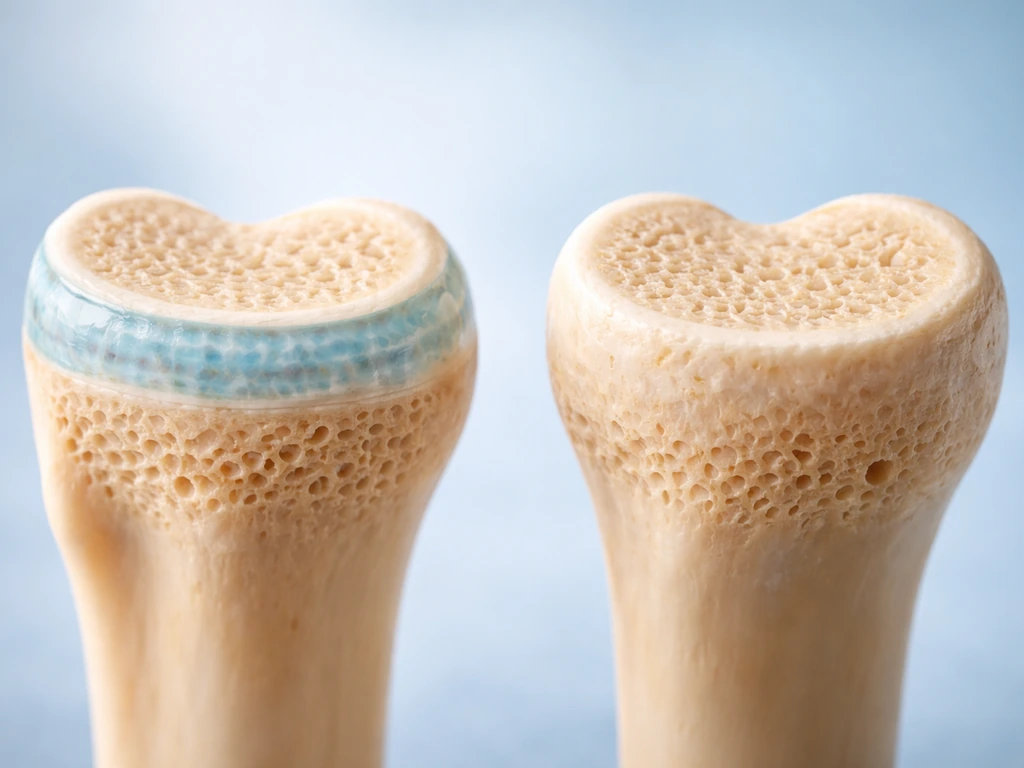
Height growth is only physically possible while your growth plates (the cartilage zones near the ends of long bones) are still open. In kids and teenagers, these plates actively produce new bone tissue, and the whole system is driven by growth hormone, IGF-1, sex hormones during puberty, and adequate nutrition. For boys, the growth spurt peaks around ages 13 to 14, with gains exceeding 10 cm in the year of peak velocity. For girls it tends to happen earlier. Once puberty wraps up, the growth plates fuse and close permanently, usually in the late teens or early twenties.
For adults with fused growth plates, 'helping you grow' means something entirely different. No supplement, sunlight routine, or exercise protocol will add height after plates close. What you can still influence at any age is bone density and skeletal health, which matters for staying tall (rather than losing height to compression or osteoporosis later in life) and for overall health. So when asking whether sunlight helps you grow, you really need to ask: how old is the person, and are their growth plates still open?
How sunlight actually influences growth: the vitamin D pathway
The mechanism is fairly well understood. When UVB light in the 290 to 320 nm range hits your skin, it converts a cholesterol compound called 7-dehydrocholesterol into previtamin D3, which then becomes vitamin D3 (cholecalciferol). From there, your liver converts it to 25-hydroxyvitamin D, which is the form measured in blood tests to assess your status. Finally, your kidneys activate it into its hormonal form, 1,25-dihydroxyvitamin D, which is what actually tells your intestines to absorb calcium and phosphorus from food.
This calcium absorption step is where the connection to bone growth lies. Bones are largely made of calcium phosphate crystals laid down on a collagen framework. Without adequate vitamin D, even a calcium-rich diet gets poorly absorbed, and bone mineralization suffers. In growing children, chronic vitamin D deficiency leads to rickets, a condition where bones are soft and malformed. Less severe deficiency doesn't cause rickets but may still blunt the quality of bone formation during the years when it matters most.
Research supports the link between vitamin D and bone mineral accrual in children, with studies showing that 25(OH)D levels and PTH (parathyroid hormone) are associated with the timing and pace of bone accrual during puberty. A systematic review also found that correcting vitamin D deficiency in children and adolescents improves bone mineral density. But the picture on actual height in centimeters is more complicated.
Does supplementing vitamin D actually make kids taller?

This is where the evidence gets humbling. A Cochrane review of randomized trials in children under five found that vitamin D supplementation showed, at most, a 'probably slightly' improved height-for-age z-score compared to placebo, and even that effect was rated as low certainty. Across the trials, there was no consistent meaningful difference in actual height in centimeters between supplemented and control groups. A separate randomized clinical trial in school-aged children in a region with high vitamin D deficiency also reported no meaningful improvement in height-for-age z-score over one to three years. In a JAMA Pediatrics randomized clinical trial of school-aged children, supplementation did not meaningfully improve height-for-age z-score over 1 to 3 years Influence of Vitamin D Supplementation on Growth, Body Composition, and Pubertal Development Among School.
The nuance here matters: these findings don't mean vitamin D is irrelevant to growth. They mean that in trial populations, supplementation alone didn't reliably translate into noticeably taller kids. Several factors could explain this, including that many children in trials weren't severely deficient to begin with, or that other limiting factors like protein and total caloric intake were also in play. There is evidence from a separate meta-analysis that maternal vitamin D supplementation during pregnancy is associated with increased birth length, suggesting the vitamin matters most at critical windows. The honest summary is that avoiding severe deficiency appears important, but vitamin D supplementation alone is not a height booster for children who are already replete.
What sunlight cannot fix
Your genetic ceiling is real. Twin studies and population genetics consistently show that roughly 60 to 80 percent of height variation is heritable. Sunlight, vitamin D, and even perfect nutrition can help a child reach their genetic potential, but they cannot push someone above it. If your parents are both 5'4", regular sun exposure isn't going to make you 6'0".
Sunlight also cannot reopen fused growth plates in adults. Once those plates close, the structural mechanism for linear bone growth is gone. No amount of UV exposure changes that biology. And getting more sun than you need doesn't create any extra benefit: vitamin D synthesis in the skin plateaus well before you'd reach skin damage levels, and your body doesn't store the excess in any usable growth-promoting form.
It's also worth being clear that sunlight is just one input into vitamin D status. Skin tone, latitude, season, time of day, clothing, sunscreen use, and age all affect how much vitamin D you actually synthesize from a given amount of sun exposure. Darker skin requires significantly more UV exposure to produce the same amount of vitamin D as lighter skin, because melanin competes with 7-dehydrocholesterol for UVB photons.
Getting sun safely without damaging your skin

This is where you have to balance two real concerns. On one side, vitamin D synthesis requires UVB exposure. On the other side, UV radiation is the primary cause of skin cancer, and no safe UV threshold has been established. The American Academy of Dermatology explicitly states it does not recommend getting vitamin D through sun exposure, because there is no UV exposure level that maximizes vitamin D synthesis without also increasing skin cancer risk.
The practical position most clinicians take is that brief, incidental sun exposure (the kind you get walking to your car or spending time outdoors during non-peak hours) is fine, but deliberately sunbathing to boost vitamin D is not a recommended strategy, especially for children. The WHO recommends limiting direct midday sun exposure between 10 a. The WHO recommends limiting direct midday sun exposure between 10 a.m. and 4 p.m., especially when UV index is high, and using broad-spectrum sunscreen with SPF 15 or higher while reapplying every 2 hours. m. and 4 p.m. when UV indexes are highest, using broad-spectrum sunscreen with SPF 15 or higher (ideally higher), and reapplying every two hours. The CDC gives similar guidance and emphasizes avoiding tanning beds entirely.
For children specifically, a few minutes of incidental outdoor time in milder morning or late-afternoon sun, with appropriate clothing and sunscreen on exposed areas, is a reasonable baseline. It's not about maximizing UV exposure. It's about not being completely sun-avoidant while also relying on dietary sources and supplementation as your primary vitamin D strategy.
If you're not getting enough vitamin D: food, supplements, and testing
The clinical definition of vitamin D deficiency is a blood level of 25(OH)D below 20 ng/mL (50 nmol/L), according to Endocrine Society guidelines. Insufficiency is defined as 21 to 29 ng/mL. These thresholds are what your doctor uses to decide whether treatment is warranted. The test you want is called serum 25-hydroxyvitamin D, and it's a routine blood draw.
Not everyone needs this test. Current guidelines recommend targeted screening for people at higher risk of deficiency: those with darker skin, people who are obese, individuals with limited sun exposure, pregnant women, and those with conditions that affect fat absorption (since vitamin D is fat-soluble). If you or your child fall into one of these categories or you're genuinely concerned, ask your doctor for the test. It's simple and gives you an actionable number.
Food sources worth knowing
- Fatty fish like salmon, mackerel, and tuna are among the best natural food sources
- Egg yolks contain small amounts of vitamin D
- Fortified foods are often the most practical source: fortified milk, plant-based milk alternatives, orange juice, and breakfast cereals
- Cod liver oil is a concentrated source but should be used carefully due to its high vitamin A content
Supplement basics
For most children and adults who aren't getting adequate dietary vitamin D or sun exposure, a daily supplement of 600 to 2,000 IU is a reasonable starting range, though specific needs vary by age, baseline status, and body size. Mayo Clinic advises not exceeding 4,000 IU per day without clinical guidance. True vitamin D toxicity requires very high sustained doses, typically above 10,000 IU per day for extended periods, producing dangerously high calcium levels in the blood. It's almost always supplement-driven, not from sun exposure, since the skin has a built-in regulatory mechanism that limits vitamin D production.
Sunlight in the full picture: the height-growth checklist
Sunlight, or more precisely the vitamin D it helps produce, is one supporting factor in a longer list of things that influence how tall a child grows. Thinking of it as the primary lever is a mistake. Here's how the evidence actually stacks up across all the major factors:
| Factor | Role in height growth | Strength of evidence |
|---|---|---|
| Genetics | Sets the ceiling for height potential; accounts for roughly 60-80% of height variation | Very strong |
| Nutrition (protein, calories, calcium) | Provides raw materials for bone and tissue growth; deficiency clearly stunts growth | Strong |
| Sleep | Growth hormone secretion peaks during deep sleep; adequate duration and quality matters especially in children | Moderate to strong |
| Vitamin D / Sun exposure | Supports calcium absorption and bone mineralization; deficiency is harmful, repletion helps, excess has no added benefit | Moderate (deficiency prevention is clear; supplementation for height gains in replete kids is not) |
| Exercise / Physical activity | Weight-bearing exercise has osteogenic effects and supports bone density; doesn't directly increase height beyond genetic potential | Moderate for bone health |
| Avoiding growth disruptors | Chronic illness, malnutrition, and certain medications can impair growth; managing these matters | Strong |
Sleep is worth singling out here because it's often underestimated. Whether sleeping in darkness helps you grow may come down to how sleep timing, melatonin, and consistent sleep quality affect growth hormone release. Growth hormone secretion varies meaningfully across sleep phases overnight, with most of the pulsatile release happening during deep slow-wave sleep. Consistent, quality sleep is one of the more underrated inputs into the growth equation for kids, and it connects to related questions about whether darkness, melatonin, or sleep environment affect growth outcomes. Supplementing melatonin is not proven to make children taller, and sleep improvement strategies usually matter more than melatonin specifically.
The practical takeaway is this: if you're a parent trying to support a child's growth, don't obsess over sunlight as a magic variable. Make sure they're eating enough total calories and protein, sleeping well consistently, staying physically active, and getting regular checkups that include vitamin D testing if there's any reason to suspect deficiency. If the test comes back showing deficiency, address it with diet and supplements under medical guidance. Incidental, safe sun exposure is a reasonable complement to all of this, not the centerpiece.
If you're an adult asking this question about yourself, the honest answer is that your height is set. What you can still influence is your bone density, your posture, and your long-term skeletal health. Maintaining vitamin D sufficiency, staying active with weight-bearing exercise, and getting adequate calcium are all still worth doing for those reasons, even if they won't add a centimeter to your height.
FAQ
If my child already eats vitamin D-rich foods, will more sun make them taller?
Yes, but only if it corrects deficiency or supports healthy bone mineralization. If a child is already getting enough vitamin D through food, supplements, or limited but regular sun exposure, extra sun generally will not translate into extra centimeters. For the clearest decision, ask for a 25-hydroxyvitamin D blood test (especially if the child has darker skin, limited outdoor time, obesity, or fat-absorption problems).
Does sunlight help height directly, or only indirectly through vitamin D?
Sunlight and vitamin D are not interchangeable with “total growth.” Height changes require open growth plates, plus adequate calories, protein, sleep quality, physical activity, and normal pubertal development. Vitamin D mainly removes a potential obstacle to proper mineralization, it does not act like a height “switch,” so fixing other limiting factors often matters more than increasing sun.
Can sunlight increase my height if I am done growing?
In adults with fused growth plates, sunlight cannot reopen them or create linear height gain. The practical value is maintaining bone health to reduce age-related loss from bone weakening, compression, and osteoporosis risk. That means vitamin D sufficiency plus calcium intake and weight-bearing exercise are the meaningful targets.
If vitamin D synthesis plateaus, should I just sunbathe longer to build more vitamin D?
Probably not as a strategy. Vitamin D production in the skin plateaus well before UV levels become dangerous, and your body will not use excess UV-driven vitamin D to “grow faster.” Deliberate sunbathing also adds skin cancer risk, so the safer approach is incidental outdoor time and/or supplements guided by diet and (when appropriate) lab testing.
Does using sunscreen block vitamin D so completely that sunlight becomes useless?
Yes, timing and sunscreen matter. UVB is highest around midday, but that is also when skin cancer risk is greatest, so many clinicians prefer brief incidental exposure outside peak hours. Broad-spectrum sunscreen reduces UVB reaching the skin, which can lower vitamin D production, but it usually does not mean you are “stuck,” because dietary intake and supplements can cover the gap if needed.
I have darker skin and live in a northern latitude, can I rely on sun exposure?
Dark skin and higher latitudes often require more UVB to produce the same vitamin D level, and winter conditions can reduce UVB exposure even if it is sunny. If you live at higher latitudes, work indoors, or your skin tone is darker, relying on sun alone is more likely to lead to low 25-hydroxyvitamin D, so targeted testing and supplementation are more often the practical path.
What is a safer alternative if my child seems low in vitamin D?
Incidental outdoor exposure is typically the safer baseline. If a clinician suspects deficiency, treatment is usually better done through diet and measured supplementation rather than trying to “make up” for it with intense UV exposure, especially for children. If the level is very low, follow your clinician’s plan for dosing and recheck rather than experimenting with sun duration.
My child’s growth seems slow, should I increase sun exposure or get checked?
Growth plate timing varies by person, but puberty-related timing matters, and “peak growth” differs between boys and girls. If you are worried about delayed growth or puberty, the best next step is a pediatric evaluation rather than changing sun exposure, because other conditions (endocrine issues, nutrition deficits, chronic disease) can limit height velocity.
How do I know whether my vitamin D is low enough to affect growth?
Yes, because the blood test guides whether treatment is needed and how much. The most useful test is serum 25-hydroxyvitamin D, and clinicians interpret it against common cutoffs (deficiency below 20 ng/mL, insufficiency 21 to 29 ng/mL). If levels are normal, escalating sun or dose is less likely to help and can increase the chance of overcorrection.
What are the risks of taking too much vitamin D to try to help growth?
You generally should not exceed vitamin D doses without medical guidance. While true toxicity typically involves very high sustained intakes, overshooting can cause dangerous calcium elevations and symptoms like nausea, constipation, weakness, and confusion. Use your clinician’s recommended dose, and if you start higher-than-routine dosing, ask whether a follow-up lab check is appropriate.
Next Article
What Amino Acids Make You Grow Taller
Know which amino acids support growth via protein and IGF-1, why they can’t extend height after closure, and practical t