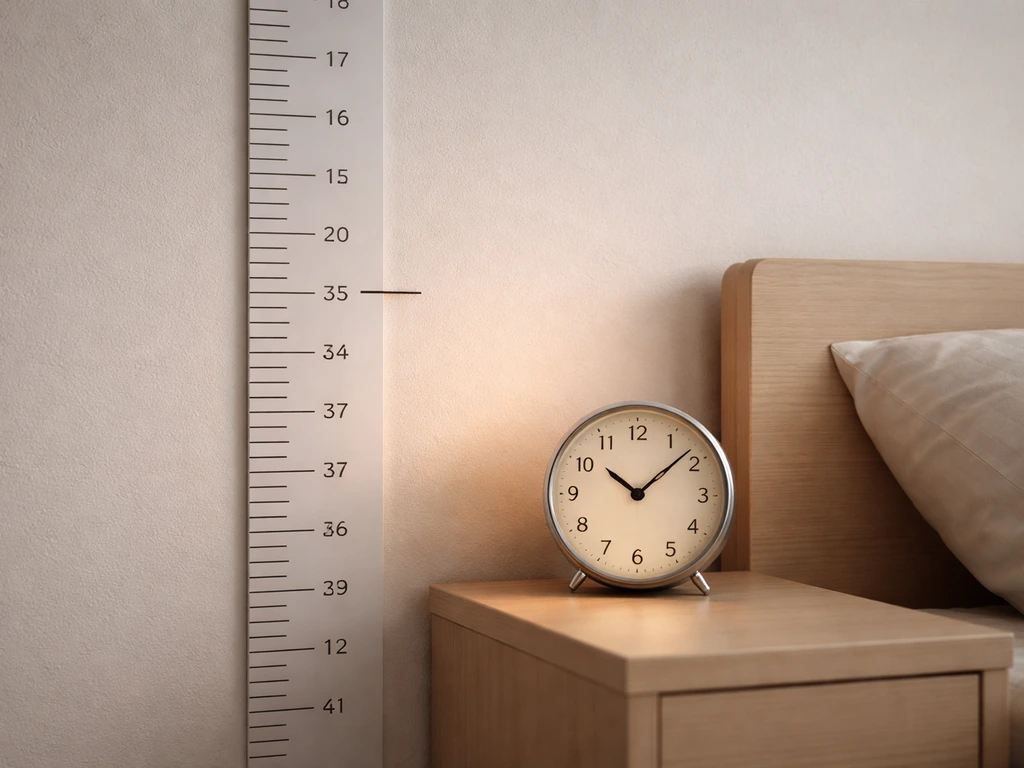
Sleeping in darkness can indirectly support growth in children and teenagers, but it is not a direct growth trigger on its own. Darkness promotes melatonin secretion, which helps regulate your circadian rhythm, and a well-timed circadian rhythm creates the conditions where growth hormone (GH) is released most efficiently during deep sleep. So for kids and teens whose growth plates are still open, optimizing sleep quality and darkness genuinely matters. For adults whose growth plates have already fused, no amount of darkness or sleep will add centimeters to your height, though sleep still supports your overall health and how tall you stand day to day.
Does Sleeping in Darkness Help You Grow? What Science Says

Marcus Reeves
3 Jun 2026
How height growth actually works
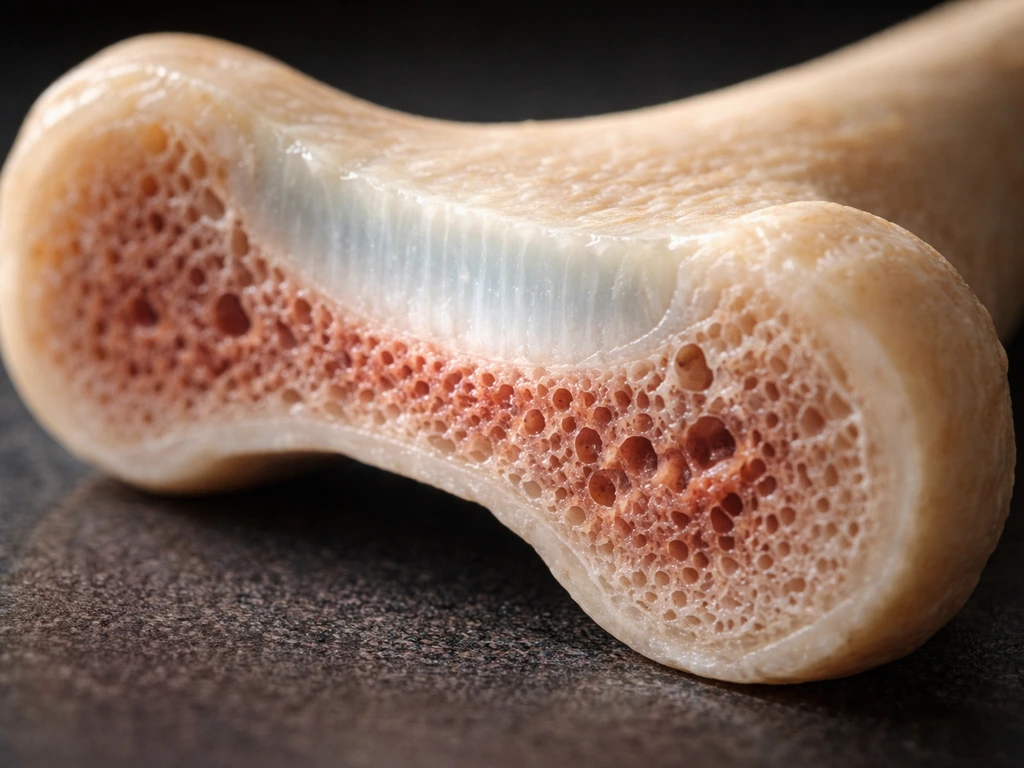
Height is driven by what happens inside your epiphyseal growth plates, the cartilaginous zones near the ends of your long bones. During childhood and puberty, specialized cells called chondrocytes inside these plates multiply and differentiate, pushing the bones longer through a process called endochondral ossification. Growth hormone kicks off this process by stimulating the liver and local bone tissue to produce IGF-1 (insulin-like growth factor-1), which acts directly on the growth plate to accelerate chondrocyte activity. Sex hormones like estrogen and testosterone contribute too, especially during the adolescent growth spurt, as does thyroid hormone.
Here is the critical part: once puberty ends, sex hormones trigger the growth plates to harden and fuse into solid bone. In most females, the distal radius (one of the last plates to close) finishes fusing around age 17. In most males, it is closer to 19. MRI research tracking growth plate closure in over 950 adolescents and young adults confirms this ascending pattern, with closure mostly complete by late adolescence. Once that fusion is done, longitudinal growth velocity drops to essentially zero and your final adult height is set. No hormone, nutrient, or sleep habit can reopen fused plates.
What sleeping in darkness actually does to your body
Light is the primary signal your brain uses to set its internal clock. When your eyes detect light, especially blue-spectrum light in the evening, the suprachiasmatic nucleus (your circadian pacemaker) suppresses melatonin production from the pineal gland. Darkness reverses that suppression. Research shows that even ordinary room light before bedtime can delay melatonin onset and shorten melatonin duration. In one controlled human study, subjects exposed to room light before bed showed roughly a 12-minute average daily delay in melatonin onset. Brighter and longer light exposure produced delays of close to 49 minutes compared to dim conditions.
Melatonin itself does not make you grow. What it does is anchor your circadian timing, and that timing governs when your body enters slow-wave (deep) sleep. Deep sleep is when GH secretion peaks. GH is released in pulses during the night, with the largest pulse occurring within the first few hours of sleep onset. Studies going back decades have measured elevated GH levels in children during the early hours of nighttime sleep, and more recent reviews confirm that the depth and architecture of sleep, not just total duration, shapes how much GH gets secreted. Disturb the circadian signal with light, and you shift the timing of deep sleep, which can blunt that GH pulse.
Even brief light exposure during sleep can matter. Lab research found that millisecond-duration light flashes during sleep were enough to produce phase delays in the circadian clock. Dim nocturnal light around 3 lux produced only about 11% melatonin suppression, while brighter light caused substantially more disruption. The practical takeaway: a truly dark room protects melatonin timing, which protects sleep architecture, which protects the GH pulse. The chain is real, even if each individual link is modest.
Does darkness help you grow? What the research shows
For children and teenagers
The most direct evidence comes from sleep disruption research rather than darkness studies specifically. Sunlight and overall daytime light exposure can support circadian timing, but it does not directly increase bone growth in the way that open growth plates and normal sleep do does sunlight help you grow taller.
A large observational study (the National Study of Health and Growth) found that shorter sleep duration was weakly but measurably associated with shorter stature in children aged 5 to 11 after adjusting for other variables. More compelling is the obstructive sleep apnea (OSA) literature. Multiple studies and at least one randomized controlled trial show that children with untreated OSA grow more slowly than peers, likely because disrupted sleep impairs GH and IGF-1 secretion.
Multiple studies and trials also link untreated obstructive sleep apnea to impaired growth trajectories, including lower growth-related z-scores, with treatment associated with improvement.
After adenotonsillectomy to treat OSA, children showed measurable catch-up growth in height and weight, and improvements in IGF-1/IGFBP-3 levels.
There is no randomized trial specifically testing darkness as an isolated variable for height in children. What the research supports is a chain of plausible, evidence-backed links: darkness helps preserve melatonin timing, melatonin timing supports circadian alignment, good circadian alignment supports deep sleep architecture, and deep sleep is where GH secretion peaks in growing kids. For most children and teenagers, keeping the room dark enough to protect melatonin timing is the main way sunlight exposure indirectly affects growth darkness helps preserve melatonin timing. For a child or teenager, breaking any link in that chain, whether through light exposure at night, fragmented sleep from OSA, or simply not sleeping enough, can reduce the GH output that drives growth plate activity.
The American Academy of Sleep Medicine recommends 9 to 12 hours of sleep per night for children aged 6 to 12, and 8 to 10 hours for teenagers aged 13 to 18. Getting those hours in a dark, well-timed environment is a reasonable, evidence-consistent strategy for maximizing growth potential while the plates are still open.
A note on melatonin vs. growth hormone
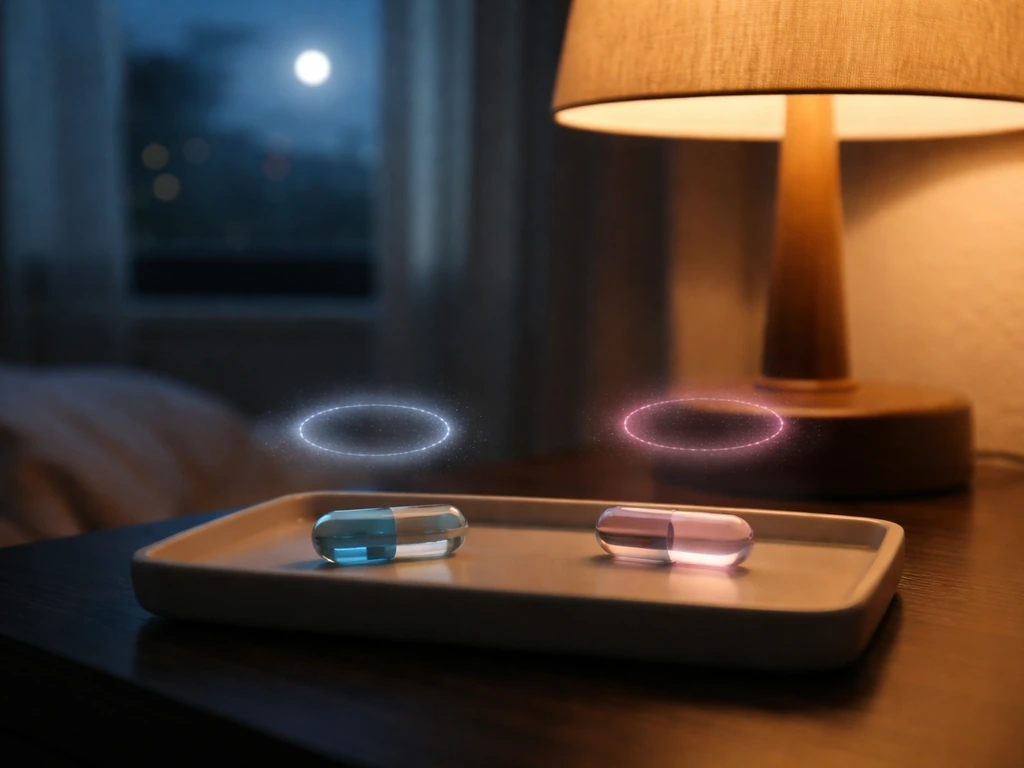
People sometimes confuse melatonin with growth hormone because both are released at night. They are distinct hormones with different jobs. Melatonin is a circadian timing signal. GH is the anabolic hormone that actually drives bone growth. Darkness raises melatonin, melatonin helps anchor the sleep cycle, and a well-anchored sleep cycle sets the stage for GH release. The connection to melatonin and growth as a direct mechanism is a separate topic, but understanding this distinction matters: taking melatonin supplements or sleeping in the dark will not directly spike GH. It works through the circadian architecture, not a direct hormonal shortcut.
Adult height: darkness cannot open fused growth plates
If you are an adult whose growth plates have fused, sleeping in darkness will not make you taller. However, that question is different from whether darkness helps, because the sun and daylight exposure do not create a way to lengthen bones once growth plates are closed does the sun make you grow taller. That is not a caveat or a hedge, it is basic bone physiology.
Without open epiphyseal plates, there is no mechanism for GH or IGF-1 to drive longitudinal bone growth, regardless of how much or how well you sleep. Stadiometry research does show that adults can measure slightly taller in the morning than in the evening because the intervertebral discs in the spine rehydrate overnight when spinal loading is removed. This is a temporary fluid effect, not actual bone growth, and it reverses within hours of being upright.
That said, sleep still matters for adults in real ways. Good sleep supports muscle recovery, posture, hormonal balance, and cognitive function. Adults who sleep poorly often exhibit chronically elevated cortisol, reduced GH (though the growth-stimulating effect is now irrelevant for height), and worse physical performance. If you are an adult and you searched for this topic hoping to add height, the honest answer is that sleep optimization will not do it. But if you care about how your body functions, recovers, and feels, improving your sleep quality and sleeping in a dark environment is still genuinely worthwhile.
How to optimize sleep for height potential
For children and teens (and parents managing their environment), sleep optimization for growth is about hitting the right total hours, protecting sleep timing, and maintaining sleep quality. Here is what the evidence supports:
| Factor | What to do | Why it matters for growth |
|---|---|---|
| Total sleep duration | 9-12 hrs for ages 6-12; 8-10 hrs for ages 13-18 | GH pulse amplitude and frequency scale with adequate sleep duration |
| Sleep timing | Consistent bedtime aligned with natural darkness | Circadian timing governs when GH is released; irregular bedtimes shift the melatonin rhythm even with fixed wake times |
| Light before bed | Dim lights 1-2 hours before sleep; avoid bright screens | Room light delays melatonin onset; screens add blue-spectrum light that is especially suppressive |
| Sleep environment darkness | Blackout curtains or eye mask; remove LED indicator lights | Even dim light (~3 lux) can cause modest melatonin suppression; darker is reliably better |
| Sleep quality | Treat snoring, breathing issues, or restlessness promptly | Fragmented sleep (as in OSA) measurably impairs GH secretion and growth in children |
| Room temperature | Cool room, roughly 65-68°F (18-20°C) | Core body temperature drop at night supports slow-wave sleep onset |
| Consistent wake time | Wake at the same time daily, including weekends | Anchors the circadian rhythm, reducing social jet lag that displaces GH pulse timing |
The AAP specifically recommends ending screen time at least one hour before bed, ideally as a family routine. Research on school start times adds context: when adolescents were given later school start times, average nightly sleep increased and the proportion getting eight or more hours on school nights improved. Structural factors like school schedules can undermine even the best individual sleep habits, so it is worth advocating for sleep-friendly schedules where possible.
Practical steps to create a darker, better sleep environment
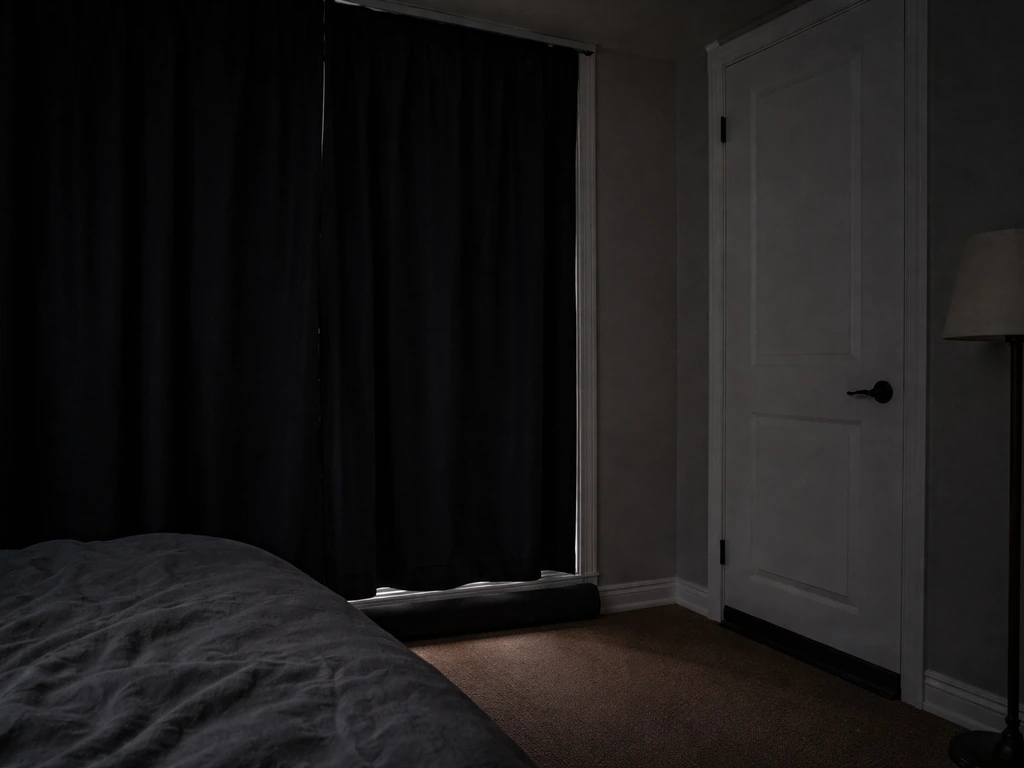
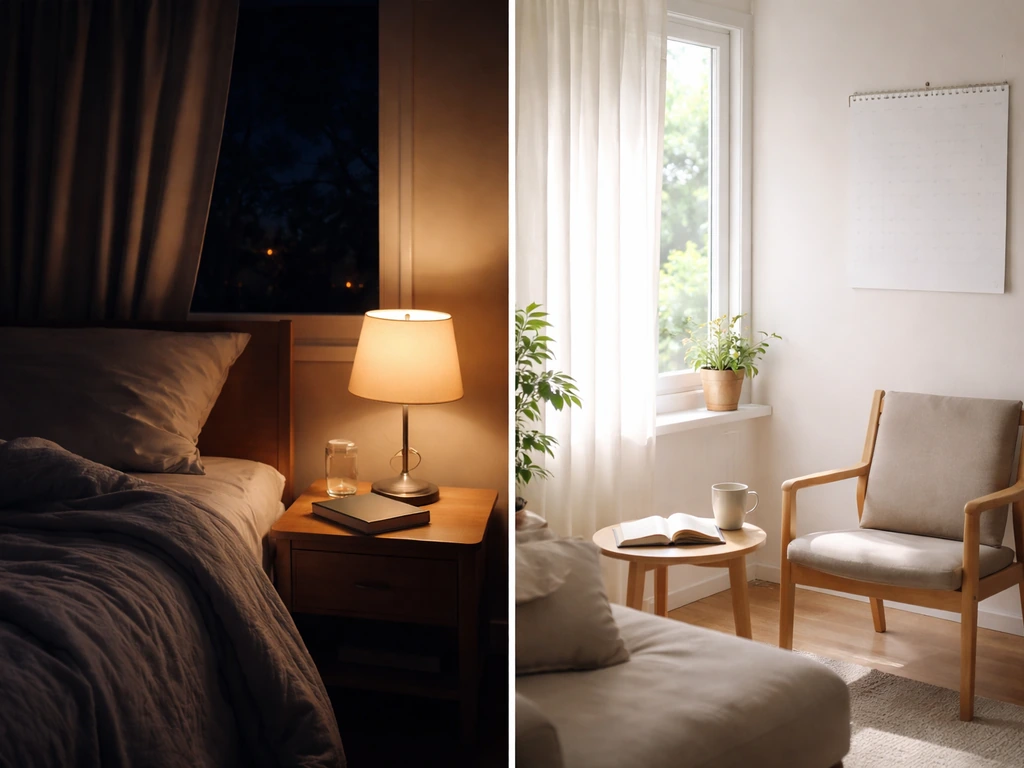
Making your bedroom genuinely dark is simpler and cheaper than most people expect. You do not need a completely light-sealed room, but the goal is to eliminate the light sources that cause the most circadian disruption.
- Install blackout curtains or blackout blinds on windows. These are widely available and make the biggest difference for outdoor light from streetlamps, car headlights, and early summer sunrises.
- Cover or remove LED indicator lights on electronics, routers, TVs, and power strips. These are small but can be surprisingly bright in an otherwise dark room.
- Use dim red or amber nightlights if a child needs some light for safety. Red and amber wavelengths are less suppressive of melatonin than blue or white light.
- Switch to dim, warm-toned (low color temperature) bulbs in bedrooms and hallways used before sleep. Avoid cool white or daylight-spectrum bulbs in the evening.
- Use an eye mask if complete darkness is not achievable, especially for shift workers or light-sensitive sleepers.
- Set phones and tablets to automatic 'night mode' or 'warm display' after sunset, and ideally charge them outside the bedroom entirely.
- If a child uses a white noise machine with a display, face it away from the bed or cover the screen.
- Transition the household into a dim-light routine 60 to 90 minutes before the target bedtime, not just the moment they lie down.
One thing to keep realistic expectations about: even a perfectly dark room cannot compensate for consistently late bedtimes, inadequate total sleep, or untreated sleep disorders. Darkness is one supportive variable in a larger picture. It works best when combined with consistent timing and enough total sleep hours.
When to talk to a doctor
Sleep optimization and a dark room are sensible, low-risk habits. But if growth or sleep quality is a genuine concern, there are clear signals that it is time to loop in a clinician rather than rely on environmental tweaks.
Growth concerns worth investigating
- A child is not growing at least 2 inches (about 5 cm) per year during the years when that is expected, or is consistently falling downward across height percentiles on a growth chart.
- Puberty has not started by age 13 in girls or age 14 in boys, which may indicate delayed puberty requiring evaluation including bone age assessment.
- There is a large, unexplained gap between a child's height and the height predicted by parental genetics.
- A child shows other signs alongside slow growth, such as fatigue, weight changes, or other developmental concerns, which can point to hormonal or systemic issues.
Sleep concerns worth investigating
- Loud snoring, observed breathing pauses during sleep, or mouth breathing at night in a child of any age, which are classic signs of obstructive sleep apnea.
- A child who sleeps the recommended number of hours but still appears chronically tired, inattentive, or hyperactive during the day.
- Persistent difficulty falling or staying asleep (insomnia) that does not respond to basic sleep hygiene changes.
- An adult or teenager whose sleep problems are accompanied by mood disturbance, poor concentration, or significant daytime impairment.
The research on pediatric OSA makes clear that untreated sleep-disordered breathing is a modifiable factor in growth outcomes. Children who had adenotonsillectomy for OSA showed improved growth trajectories compared to those who continued with watchful waiting, even in mild cases. If snoring or disordered breathing is a concern, getting a proper evaluation is one of the highest-value steps a parent can take for a growing child, more impactful than any change to the bedroom environment alone.
Pediatricians routinely track growth velocity and can order bone age X-rays to assess whether a child's growth is on a normal trajectory. If something looks off, early referral to a pediatric endocrinologist allows for evaluation of GH deficiency, thyroid function, and other hormonal factors that sleep habits cannot fix. Darkness and good sleep hygiene are genuinely useful supporting habits, but they are not substitutes for medical evaluation when growth is the real concern.
FAQ
If melatonin rises in the dark, will taking melatonin make my child grow taller?
No. Melatonin supports circadian timing and helps protect sleep quality, but it does not act as a direct growth hormone. If a parent is considering melatonin supplements to “boost growth,” it is worth discussing first with a pediatrician, especially because dosing and timing matter and supplements can mask underlying sleep or breathing problems.
How dark does the room need to be for the growth-related melatonin benefit?
Even for kids and teens, “dark” is not about zero light at all costs. The bigger issue is avoiding light at the wrong time, especially bright blue-rich light in the last hour or two before sleep. Practical fixes include dimming overhead lights, using warm settings, and removing light sources that shine into the eyes (alarms, LEDs, nightlights).
Does a quick check of a phone or a light turning on at night affect growth?
Yes, light during the night can matter even if it is brief. The article describes lab findings where short flashes during sleep can shift the circadian phase. For real life, that means avoiding motion-triggered hallway lights, camera flash notifications, and devices with bright status LEDs that wake or signal the brain.
Is it better for growth to sleep longer, or to focus on going to bed at a specific time in the dark?
Sleeping longer can help indirectly, but the primary driver in growing kids is adequate, well-timed sleep that preserves deep sleep architecture. If a child sleeps 10 hours but consistently goes to bed very late and misses the natural circadian timing, the circadian chain can be disrupted. The best target is consistent bedtime and wake time plus sufficient total hours.
If my child sleeps in the dark but wakes a lot, will it still support growth?
A fan, temperature shifts, and waking noise can still reduce deep sleep, which can reduce the GH pulse even if the room is dark. Darkness helps with melatonin timing, but it does not prevent fragmentation caused by overheating, restless sleep, or noise. For growth-focused sleep, combine dim light with stable temperature, low noise, and a calm wind-down routine.
What are the signs that “better sleep in darkness” is not enough and we should get checked for sleep apnea?
If you suspect sleep-disordered breathing, focus on evaluation rather than only environmental changes. The article notes that untreated obstructive sleep apnea is associated with slower growth, and treatment can lead to catch-up growth. High snoring, pauses in breathing, mouth breathing, or persistent daytime sleepiness are strong reasons to contact a clinician.
Does sleeping in darkness help adults grow taller, or only children and teens?
Adults cannot increase height by protecting growth plates because most plates fuse in late adolescence. However, adults can still improve overall health and day-to-day posture and recovery by sleeping well in a dark environment. If an adult’s goal is literally more height, darkness will not change bone length, though morning height measurements may vary slightly due to spinal disc rehydration.
Can poor bedtime timing cancel out the benefits of a dark bedroom?
If a child goes to bed early but the room is not dark enough, the circadian signal can still be disrupted, potentially shifting melatonin onset and sleep depth. Conversely, if the room is dark but bedtime is consistently late, darkness alone may not compensate. Both inputs, light timing and total schedule consistency, work together.
If we make the room dark, do we still need to limit screens before bed?
No. Staring at a screen in the evening can delay melatonin by delivering light to the eyes, but it also affects arousal and sleep onset time through cognitive stimulation. The article emphasizes screen time reduction at least one hour before bed as a family routine. Using the dark-room strategy without changing evening screen habits may leave the circadian chain weakened.
If my child’s growth worries me, what should I do next besides improving the bedroom lighting?
If growth seems slow, the most helpful step is to evaluate growth velocity and consider bone age when appropriate. Parents can ask the pediatrician about whether the child’s pattern fits expected growth for age and sex, and whether labs like thyroid function or screening for GH-related issues are needed. Bedroom light changes are supportive at best, not a substitute for medical assessment.
Next Article
Does Melatonin Help You Grow Taller? Evidence, Sleep, Safety
Learn if melatonin helps you grow taller, how height growth works, sleep links, evidence, and safe, realistic steps by a