
No, sperm does not make you grow taller. There is no biological mechanism by which producing sperm, ejaculating, or having sex adds height to your frame. Height is driven by growth hormone, IGF-1, sex steroids, and the open growth plates in your bones, none of which are influenced by semen production or how often you masturbate. Nemours KidsHealth and Healthline both state directly that masturbation will not stunt growth or stop you from getting taller, and that goes both ways: it won't accelerate growth either. Salt in your shoes does not have any biology behind it that could affect growth or make you taller.
Does Sperm Make You Grow Taller? What Science Says

Marcus Reeves
16 Jun 2026

What actually determines how tall you get
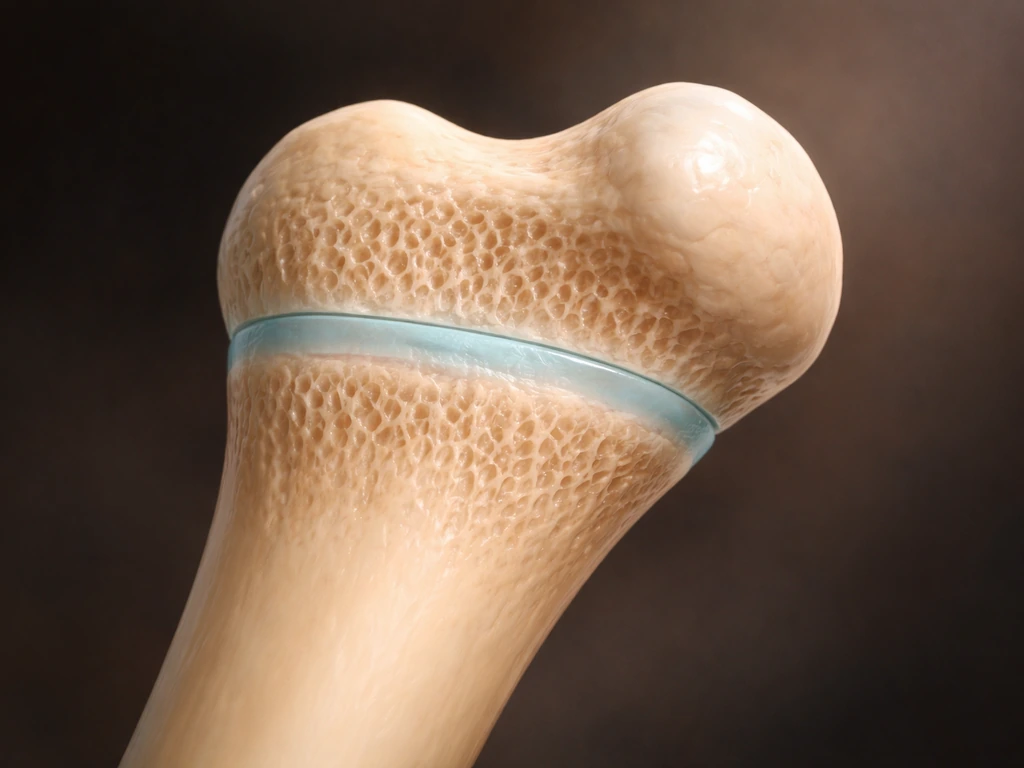
Your height is shaped by three main factors: genetics, growth plate biology, and hormones. Genetics sets the range, your parents' heights predict your likely adult height reasonably well, though individual variation is real. Within that genetic range, hormones do the heavy lifting. Growth hormone (GH), produced by the pituitary gland, stimulates the liver to release IGF-1, which drives the actual process of bone lengthening at the growth plates. During puberty, GH secretion increases 1.5- to 3-fold in pulsatile bursts, and serum IGF-1 rises more than 3-fold, producing the classic adolescent growth spurt.
Growth plates, or epiphyseal plates, are cartilage zones near the ends of long bones where new bone tissue is added. Sex steroids, primarily testosterone in males and estrogen in both sexes, initially amplify GH and IGF-1 signaling to accelerate growth, but they also eventually cause the growth plates to fuse and harden into bone. Once those plates close, linear growth stops, full stop. No supplement, hormone, or activity can reopen fused plates. Thyroid hormone also plays a supporting role, and any deficiency there can blunt the whole system.
Where puberty, semen, and sperm actually fit into all this
Puberty is when sperm production begins and when the biggest height gains happen, so it is easy to mentally link the two. But they are separate outputs of the same hormonal event, not causes of each other. The hypothalamus-pituitary axis activates, releasing GnRH, which triggers testosterone and estrogen production. Testosterone drives sperm production in the testes. Those same sex steroids, working through GH and IGF-1, drive the growth spurt. The timing overlap is coincidental from a growth standpoint, semen itself contains no growth factors that can lengthen your bones. Ejaculating more or less frequently does not change GH output, IGF-1 levels, or the timeline of growth plate fusion.
Estrogen, not testosterone, is actually the dominant signal for closing growth plates in both males and females. In males, a portion of testosterone is converted to estrogen via aromatase, and it is that estrogen acting on growth plate cartilage that eventually causes epiphyseal fusion. This is one reason why conditions that block estrogen signaling (like aromatase inhibitor treatment studied in clinical trials) can delay fusion and extend growth time. None of this involves sperm or ejaculation in any direct way.
Does masturbation or sex affect growth? What research says

The persistent myth that masturbation stunts growth, or conversely that more sexual activity speeds it up, has no scientific support. Nemours KidsHealth addresses this directly for teens, stating that masturbation does not stop you from getting taller and does not cause health problems. The Cleveland Clinic's review of masturbation's physical and mental effects does not list growth stunting among any known consequences. Healthline similarly confirms that masturbation does not affect height in the long term.
The worry sometimes goes in the other direction too: some people believe that retaining semen somehow preserves growth-promoting energy or nutrients. There is no physiological basis for this. Semen contains proteins, zinc, and other compounds in small amounts, but losing those quantities through ejaculation has no meaningful impact on growth processes. The hormonal cascade driving your height happens on a timescale and through mechanisms completely separate from ejaculation frequency. If you are a teenager worrying about this, you can stop, your sexual habits are not the variable to manage if you care about height.
What actually moves the needle on height during growth years
If you want to support your full genetic height potential during childhood and adolescence, these are the levers that actually matter. None of them involve sperm, sex, or anything remotely related to that, they are all about giving your bones, hormones, and growth plates the inputs they need.
Calories and protein

Severe caloric restriction is one of the most reliable ways to blunt growth. The body deprioritizes bone lengthening when energy is scarce. Adequate total calories matter, and so does protein, amino acids are required for IGF-1 synthesis and for building new bone and muscle tissue. Growing teenagers especially need to avoid crash dieting or prolonged undereating. This is not about eating more than you need; it is about not eating significantly less.
Key micronutrients
Three micronutrients consistently show up in the growth literature: calcium, vitamin D, and zinc. Calcium is the structural mineral of bone, and the NIH recommends 1,300 mg per day for adolescents aged 9 to 18. Vitamin D is needed to absorb calcium properly and supports bone mineralization. Zinc deficiency is specifically linked to growth retardation and delayed sexual maturation, and supplementation trials in deficient populations show improved growth indices.
The catch is that these nutrients help most when someone is actually deficient, if your diet is already adequate, adding more is unlikely to make you noticeably taller. A randomized Pediatrics trial in stunted children found vitamin D supplementation had no effect on rickets or growth when calcium intake was higher, suggesting vitamin D’s benefits depend on baseline status and calcium co-intake [adding more is unlikely to make you noticeably taller](https://publications. aap. org/pediatrics/article-pdf/147/1/e20200815/1082639/peds_20200815.
pdf). But getting enough is non-negotiable.
Sleep
Growth hormone is secreted primarily during deep sleep. This is not a minor detail, chronic sleep deprivation genuinely suppresses GH output. The NIH recommends that teenagers aged 13 to 18 get 8 to 10 hours per night. Getting consistent, quality sleep in that range is one of the most underrated things a growing person can do to support their height potential. Late nights and disrupted sleep are real obstacles, not just general health advice.
Exercise and resistance training

There is a widespread fear that lifting weights stunts growth in teenagers. The American Academy of Pediatrics has addressed this directly: appropriately designed resistance training programs for children and adolescents show no negative effect on linear growth or growth plate health. In fact, mechanical loading on bones stimulates bone-building activity. Weight-bearing exercise supports both bone density and, arguably, the structural development that makes height gains stick. The caveat is "appropriately designed", maximal-load powerlifting without supervision is a different conversation than structured strength training.
Adult height: what is fixed and what is not
Once your growth plates close, your skeletal height is fixed. There are no treatment options to increase height after epiphyseal fusion, this is stated plainly in paediatric endocrinology referral guidance. For most people, plates fuse in the late teens to early twenties, with females typically completing fusion earlier than males. If you are an adult asking whether sexual activity, sperm production, or any lifestyle change will make you taller, the biological answer is no. Birth control hormones also do not reopen closed growth plates or meaningfully change height potential sexual activity, sperm production, or any lifestyle change.
What you can work on as an adult is posture and the appearance of height. Chronic forward head posture, rounded shoulders, and anterior pelvic tilt can subtract a meaningful amount of perceived height. Strengthening the posterior chain (back extensors, glutes, hamstrings) and stretching the hip flexors and chest can genuinely improve how tall you stand and carry yourself. This is not the same as growing taller, but it is real and practical. Staying at a healthy body weight and maintaining core strength also support spinal alignment over time.
A quick comparison: things people think affect height vs what actually does
| Factor | Does it affect height? | Why |
|---|---|---|
| Sperm production / ejaculation | No | Semen contains no growth factors that act on bone; frequency of ejaculation does not change GH or IGF-1 |
| Genetics | Yes — strongly | Sets the ceiling and floor for your height range |
| Growth hormone and IGF-1 | Yes — directly | Drive growth plate activity; peak during puberty |
| Adequate calories and protein | Yes — during growth years | Undereating suppresses IGF-1 and stunts growth |
| Calcium and vitamin D | Yes — when deficient | Required for bone mineralization and calcium absorption |
| Zinc | Yes — when deficient | Deficiency directly linked to growth retardation |
| Sleep (8–10 hrs for teens) | Yes | Peak GH secretion occurs during deep sleep |
| Resistance training (supervised) | Not negatively; supportive | Does not stunt growth; supports bone loading |
| Masturbation / sex frequency | No | No physiological link to GH, growth plates, or height |
| Posture (adults) | Changes appearance of height | Improves how tall you look but does not add bone length |
When to actually see a doctor about growth
If you or your child is genuinely concerned about height, the right move is a medical evaluation, not a lifestyle audit around sexual habits. The Endocrine Society is clear that children with growth concerns should be evaluated for medical causes of decreased growth rate, including treatable endocrine and systemic problems. Things worth flagging to a clinician include:
- Height consistently below the 0.4th centile (roughly -2 to -2.67 standard deviations for age and sex) on standard growth charts
- A noticeable drop in height centile crossing over time, rather than just being consistently short
- Delayed puberty: no breast development by age 13 in girls, or no testicular enlargement by age 14 in boys
- Growth velocity that is clearly slower than expected for age and pubertal stage
- Signs of underlying systemic illness, thyroid dysfunction, or nutritional deficiency
A pediatric endocrinologist can run bone age X-rays, IGF-1 levels, thyroid panels, and other tests to figure out whether a child is just following a familial or constitutional pattern (often called constitutional delay of growth and puberty) or whether there is something treatable going on. The Merck Manual distinguishes constitutional delay from chronic disease-related causes and organic hypogonadism, all of which require different approaches. Getting an early evaluation matters because some interventions, like GH therapy or treating an underlying deficiency, are time-sensitive. They work only while growth plates are still open.
It is also worth noting that questions about sexual health habits affecting height sometimes reflect deeper anxieties about puberty timing, body development, or peer comparison. If a teenager is concerned their development is behind or ahead of peers, that conversation belongs with a clinician and a parent, not with online forums assigning blame to masturbation. The science here is clear and reassuring: your sexual habits are simply not part of the height equation.
The practical takeaway
Sperm has nothing to do with height. Growing tall comes down to the hormones your endocrine system produces, whether your growth plates are still open, and how well you support the process with sleep, food, and micronutrients. If you are still in your growth years, focus on those inputs. If your plates have closed, your skeletal height is set, but posture work still has real value.
And if there is a genuine growth concern, slow velocity, very short stature, or significantly delayed puberty, get a proper endocrine evaluation while there is still a window to act. Children’s Mercy pediatric endocrinology referral guidance provides specific concern thresholds, including slow height velocity for age and gender and very short stature below about -3 standard deviations (with different context-based cutoffs after about age 6) referral/concern thresholds.
That is the whole answer.
FAQ
If I ejaculate more often, will that speed up puberty and help me grow taller faster?
No. Semen volume or how “often” you ejaculate does not directly change growth hormone pulses, IGF-1 levels, or the timeline for growth plate fusion. The growth spurt is driven by the same puberty hormones that start sperm production, but sperm production is not a separate lever for height.
Does keeping semen “in” (not ejaculating) preserve growth factors and make you taller?
Sperm production and growth plate activity overlap in time during puberty, which makes the connection feel intuitive. But growth plate signaling comes from GH, IGF-1, and sex steroids acting on cartilage, not from semen itself. Ejaculating less does not “save” anything that can be used for bone lengthening.
Could problems with erections or low testosterone affect how tall I become?
In general, no. Staying fertile or having erections does not increase height, and erectile or sexual performance issues do not automatically mean you have a height problem. Height concerns usually relate to growth rate, nutrition, sleep, thyroid status, and timing of puberty rather than sexual function.
Once my growth plates close, can sexual activity or supplements make me gain real height?
If growth plates have already fused, height increase is not possible through masturbation, supplements, or lifestyle changes. The only meaningful “height” changes after fusion are posture and spinal alignment (plus, in some cases, cosmetic or surgical options that do not lengthen bone).
What habit actually can slow growth in a teenager, if not masturbation?
For teens, the practical risk is usually not “stunting” from masturbation, it is distraction from the basics that support growth: adequate calories, protein, micronutrients, and enough sleep. If someone is chronically under-eating to control weight or due to stress, that can blunt growth more than any sexual habit.
Can lack of sleep affect height more than changing masturbation frequency?
Sleep quality matters more than the sexual routine itself. Because GH is released mainly during deep sleep, regularly getting less than the recommended sleep range can reduce GH output. A teenager who is worried about height should prioritize consistent sleep timing before trying to change sexual habits.
My teen seems shorter than peers and is worried, when should we see a doctor instead of blaming masturbation?
Yes. If puberty timing is significantly delayed or growth velocity is slow, masturbation myths can distract from the real issue. Clinicians evaluate with growth charts, bone age X-rays, and labs like IGF-1 and thyroid tests to see whether the cause is constitutional delay, a deficiency, or another treatable condition.
Will strength training in my teens stop me from growing taller?
Weightlifting is not known to stunt linear growth when programmed appropriately. The key caveat is avoiding unsafe training, heavy loads without supervision, and letting training replace sleep and adequate eating. Well-designed resistance training can support bone health rather than harm it.
Should I take supplements like zinc, calcium, or vitamin D to grow taller, even if my diet is decent?
If your diet already meets needs, extra zinc, calcium, or vitamin D usually will not make you noticeably taller. These nutrients help most when someone is deficient. A clinician can help assess diet and consider testing when there is true concern about deficiency or growth failure.
As an adult, what can I do that actually changes how tall I appear?
If you are an adult, focus on posture and spinal mechanics to improve perceived height. Exercises that strengthen the posterior chain (glutes and back extensors) and stretches for tight hip flexors and chest can improve alignment. This changes how tall you look standing, not your bone length.
Next Article
Does Wellteen Make You Grow Taller? Evidence and Risks
Examines if Wellteen can increase height beyond natural potential, what drives growth, and key risks and safer next step