
Putting salt in your shoes does not make you grow taller. A dermatology study found that immersing skin/forearm in water and NaCl solutions altered UVB skin responses, with minimal effect when skin dried after 20 minutes, supporting the idea that saline exposure affects skin physiology or barrier properties rather than systemic stimulation of growth plates [salt sitting inside a shoe can stimulate bone growth](https://link. springer. com/article/10.
Does Salt in Your Shoes Make You Taller? The Facts

Marcus Reeves
6 Jun 2026
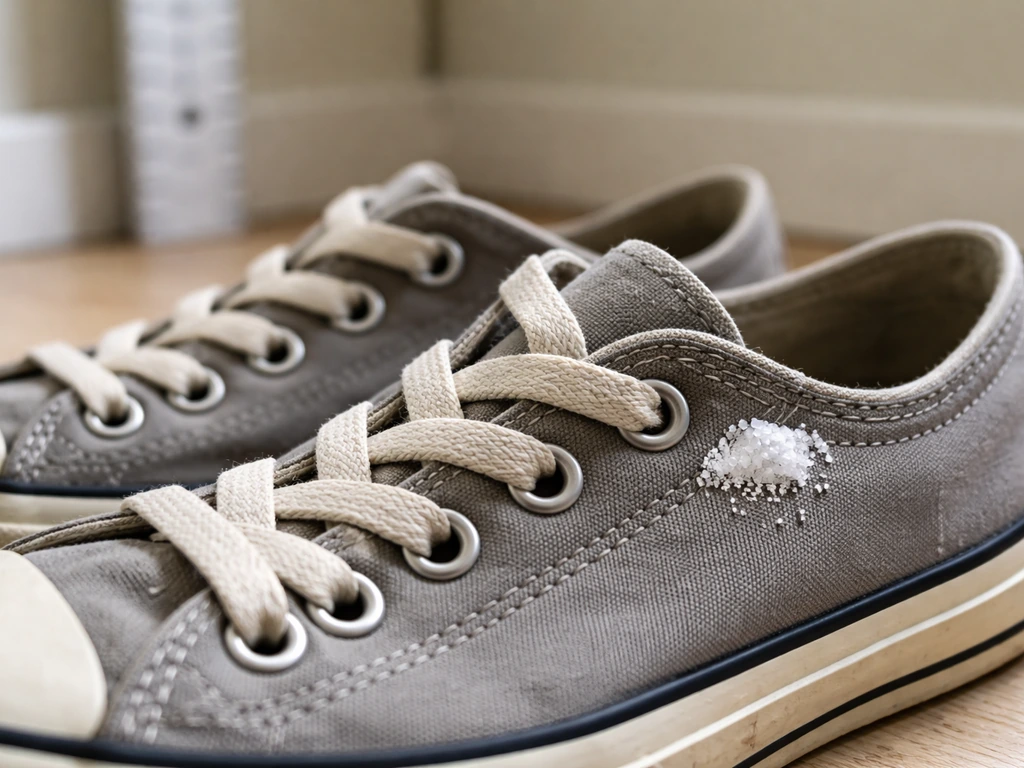
1007/BF00409253). There is no biological mechanism by which salt sitting inside a shoe can stimulate bone growth, extend your growth plates, or increase your height in any measurable way. This idea circulates as a folk remedy or social media claim, but it has zero scientific support, and when you look at how height actually changes in the human body, it becomes obvious why it could never work.
Growth-related claims about teen growth and height increases should be based on sleep, nutrition, and growth plate status, not shoe salt.
How human height actually grows
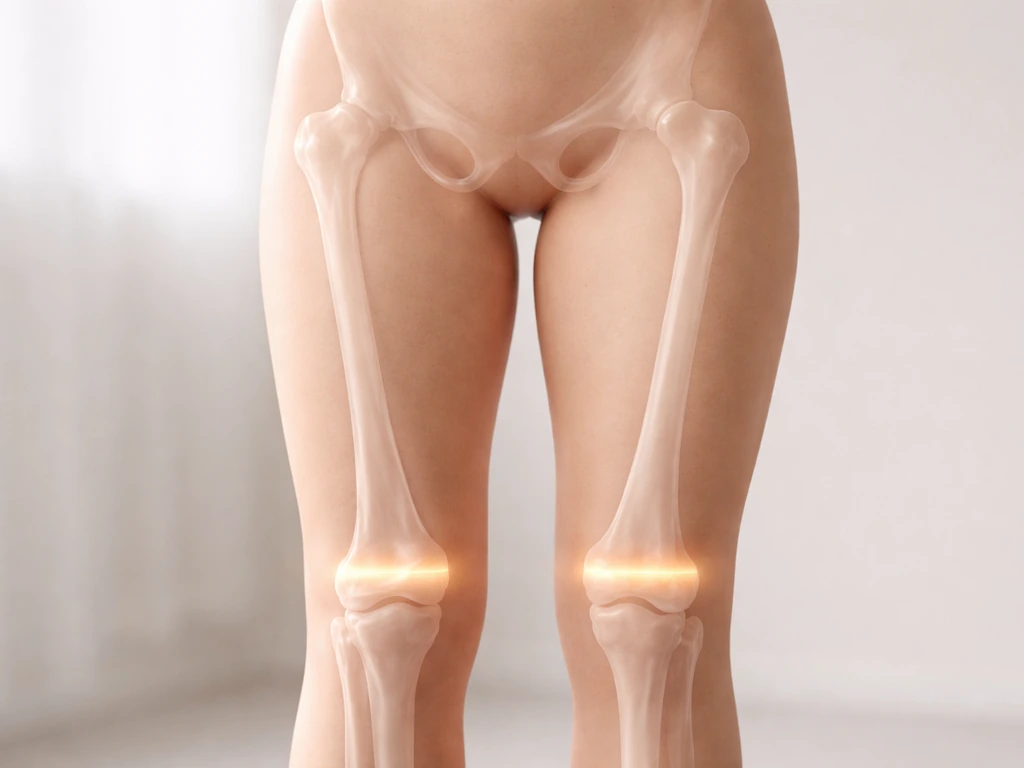
Height is determined by the length of your bones, particularly the long bones in your legs and spine. Bones grow from specialized zones called growth plates (epiphyseal plates), which are located near the ends of long bones. These plates are made of cartilage that gradually converts to hard bone as growth progresses. Once the plates fully ossify (close), no further linear bone growth is possible in that bone, full stop.
The timeline of that process differs a lot depending on your age and stage of development.
Children (roughly ages 2 to 10)
During childhood, growth is relatively steady at around 2 to 2.5 inches (5 to 6 cm) per year. Growth hormone released from the pituitary gland drives most of this, and the growth plates remain wide open and active. Nutrition and overall health during this window matter enormously because chronic deficiencies can slow growth rate and reduce final height.
Teens during puberty
Puberty triggers a dramatic growth acceleration. Most girls experience a peak growth velocity between ages 10 and 13, gaining around 2.8 to 3.5 inches (7 to 9 cm) per year at the peak. Boys typically hit their growth spurt a bit later, between 12 and 15, and often grow even faster, sometimes 3 to 4 inches (8 to 10 cm) per year. Sex hormones, especially estrogen and testosterone, eventually signal the growth plates to close. Once they close, puberty-related height gain ends. This usually happens by the late teens but can extend into the early twenties in some individuals.
Adults
After growth plate closure, adults do not get taller through true bone growth. What can change in adulthood is apparent height: posture, spinal disc hydration, and core strength all influence how tall you actually measure at any given moment. Some people lose height over decades through spinal compression or disc degeneration, and improving posture can recover a portion of that. But the bones themselves are not getting longer.
Where "salt in shoes" fits into this picture
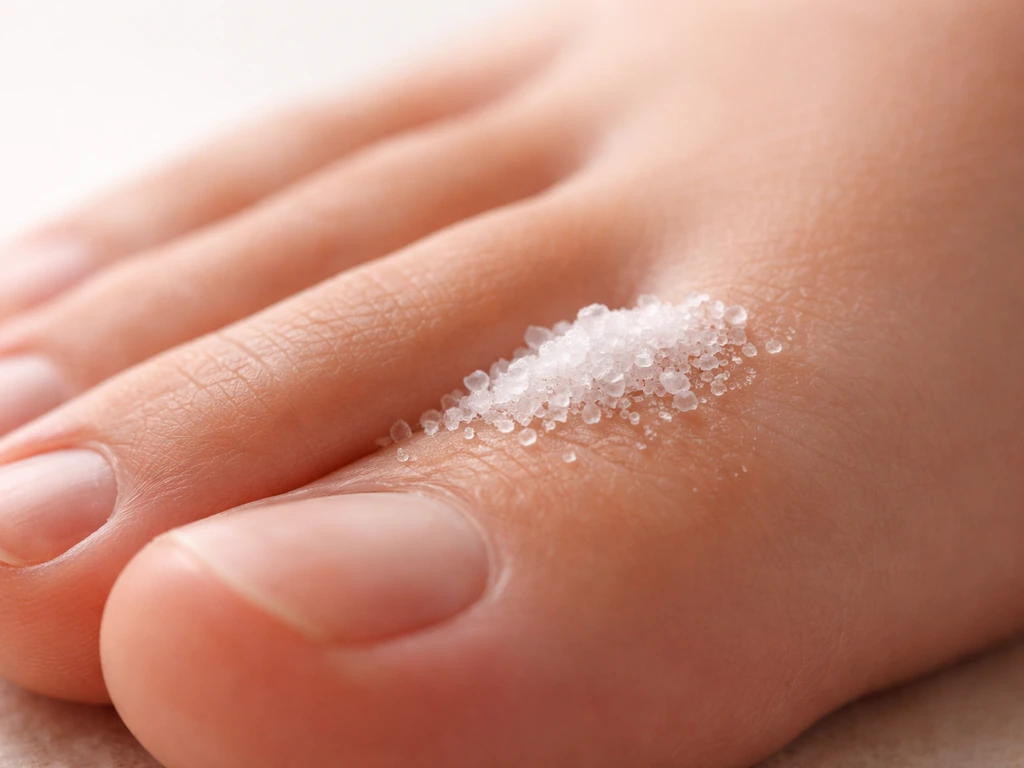
When you put salt in your shoes, you create a mildly abrasive, osmotically active environment against the skin of your feet. That is essentially it. Let's go through the mechanisms people sometimes imagine and why none of them translate into height gain.
- Skin absorption: Sodium absorption across intact skin is extremely limited. The skin barrier is specifically designed to keep most ions out. Research on saline exposure (including both dilute and highly concentrated NaCl solutions applied to skin) confirms that the effects stay local, influencing skin barrier properties and cellular osmosis rather than reaching the bloodstream in any meaningful concentration. There is no route by which foot-level salt exposure reaches your growth plates.
- Circulation boost: Some people imagine that salt irritates the feet, increases local circulation, and that this circulation somehow stimulates growth. Local vasodilation in your feet does not create a systemic hormonal signal that tells growth plates to activate. Growth plate activity is regulated by growth hormone, IGF-1, thyroid hormone, and sex steroids, not by foot circulation.
- Detox theory: There is no scientific basis for the idea that salt draws toxins out through the foot skin in a way that would remove growth inhibitors. The 'detox through feet' concept is not supported by human physiology.
- Inflammation or irritation as a stimulus: Salt can cause mild irritation or osmotic stress on skin cells if concentrated enough. That kind of stress does not create the biochemical environment that stimulates chondrocyte (growth plate cell) proliferation. If anything, chronic irritation and inflammation tend to be associated with suppressed growth in pediatric contexts, not enhanced growth.
- Warm salt foot soaks: Even clinical trials of warm salt water foot baths, which are designed to be therapeutic, report outcomes related to pain and neuropathy symptoms, not bone growth or height. There is simply no evidence linking any form of topical salt treatment to increased linear height.
Research on how solutes actually enter growth plate cartilage shows that transport depends on local physiological variables like temperature and systemic biochemistry. It is a tightly regulated process, not one you can nudge by putting table salt in your Nikes.
What actually influences height potential
If you or your child still have open growth plates, there are evidence-based factors that genuinely matter. None of them are dramatic or surprising, but they are real.
Sleep
Growth hormone is secreted in pulses, and the largest pulse happens during slow-wave (deep) sleep, typically within the first few hours of falling asleep. Children and teenagers need 9 to 11 hours per night, and adolescents need at least 8 to 10 hours. Chronically short or disrupted sleep reduces growth hormone output. If a growing child is consistently undersleeping, that is a real, modifiable factor affecting height potential.
Nutrition
Adequate protein is non-negotiable. Growth plates need amino acids for collagen synthesis and chondrocyte function. Calcium and vitamin D are both critical for bone mineralization: the recommended calcium intake for adolescents is around 1,300 mg per day, and vitamin D deficiency is associated with impaired bone growth and rickets in severe cases. Zinc deficiency has been specifically linked to growth stunting in children. Caloric adequacy matters too: children and teens who are chronically underfed simply cannot grow at their genetic potential, regardless of what else is going on.
Exercise and physical activity
Weight-bearing exercise and sports stimulate bone density and healthy musculoskeletal development. Activities like swimming, basketball, running, and gymnastics are all associated with healthy growth patterns. There is some evidence that resistance training, done appropriately for age, supports rather than harms growth when supervised correctly. The old concern that lifting weights stunts growth in children is not well supported by current evidence.
Posture and spinal alignment
This one matters more for adults, but even in teenagers, habitual slouching compresses intervertebral discs and can reduce measured standing height by an inch or more. Strengthening core and back muscles, being mindful of posture, and avoiding prolonged forward-flexion positions (like hunching over a phone for hours) can genuinely improve how tall you measure. It does not change your bones, but it can recover height that poor posture is costing you.
When it is worth seeing a doctor
Most people asking about height hacks are either parents concerned about a child's growth or teenagers who feel short for their age. In many cases, the answer is just genetics and timing. But there are situations where a clinical evaluation is genuinely warranted.
- A child is consistently below the 3rd percentile on growth charts or has dropped across two or more major percentile lines over 6 to 12 months.
- A teenager shows no signs of puberty by age 14 (girls) or 15 (boys), which could indicate delayed puberty that may be treatable.
- Growth has stalled unexpectedly, and there is no obvious explanation like a recent illness.
- There are signs of nutritional deficiency: fatigue, poor wound healing, dental problems, or a diet that is clearly restricted.
- The family suspects a hormonal issue, such as symptoms consistent with hypothyroidism (fatigue, cold intolerance, constipation, slow growth) or growth hormone deficiency.
- A bone age X-ray (typically of the left hand and wrist) can show whether growth plates are still open and how much growth potential remains. This is a simple, low-radiation test that a pediatrician or pediatric endocrinologist can order.
If growth hormone deficiency is confirmed in a child with still-open growth plates, recombinant growth hormone therapy is an evidence-based treatment that can meaningfully increase final height. Steroids are sometimes discussed online, but they do not make you grow taller because true height increase depends on growth plates and early-life growth factors Steroids do not make you grow taller. This is a decision made with a pediatric endocrinologist, not something to self-manage. The window of opportunity matters because once growth plates close, no treatment will increase bone length.
Myths vs science: other height hacks that circulate online
Salt in shoes is just one of many height claims floating around. Sperm does not cause bone length to increase, so it cannot make you grow taller Salt in shoes is just one of many height claims floating around.. It is useful to see how they all stack up against what the science actually says.
| Claimed hack | What people believe it does | What the science actually says |
|---|---|---|
| Salt in shoes | Stimulates growth through feet | No mechanism exists; skin absorption is negligible and has no path to growth plates |
| Hanging exercises / stretching | Decompresses spine and makes you taller | Temporarily decompresses spinal discs; no permanent bone-length increase, but can improve posture and measured height slightly |
| Milk (beyond adequate calcium) | Extra dairy adds height | Calcium matters up to RDA levels; excess dairy beyond needs adds little; protein and overall diet quality are the key variables |
| Sleeping on a flat surface | Straightens spine for growth | No evidence this increases height; spinal alignment during sleep can affect back comfort but not bone length |
| Height-boosting supplements | Proprietary blends trigger growth | Most are unproven; vitamin D and zinc supplementation help only if you are actually deficient; no supplement triggers growth in someone who is already sufficient |
| Anabolic steroids | More hormones = more growth | Steroids can accelerate growth short-term but typically cause early growth plate closure, reducing final adult height in children and teens |
| Adequate sleep and nutrition | Supports normal growth rate | Genuinely evidence-based; consistently the most impactful modifiable factors for children and teens with open growth plates |
The pattern across almost all height hacks is the same: the claim sounds plausible on the surface (salt has biological effects, stretching feels like it works, supplements seem scientific), but none of the proposed mechanisms actually reach the growth plates in a way that drives chondrocyte proliferation or bone elongation. Some substances do have real biological effects on the body and are worth reading about carefully.
For instance, questions come up regularly about whether hormonal or pharmaceutical agents affect height, and in most cases the answer depends heavily on age, growth plate status, and whether a deficiency or disorder is present in the first place. Hormonal medications, including birth control, do not reopen closed growth plates or reliably make someone grow taller hormonal or pharmaceutical agents.
You may also wonder about whether medications like Viagra can affect height, but true height growth depends on growth plates and hormones within the body’s normal growth process. Steroids do not make you grow taller once growth plates are closed, and their effects on height depend on timing and underlying medical issues.
The honest bottom line is that height is largely genetic, meaningfully influenced by early-life nutrition, sleep, and health, and essentially fixed once growth plates close. The best thing anyone can do today is make sure the basics are covered: enough sleep, enough protein and micronutrients, regular physical activity, and good posture. If something seems genuinely off with a child's growth trajectory, a pediatrician visit is far more useful than any folk remedy.
FAQ
If salt in my shoes does not increase height, can it still affect foot health or posture in any way?
Salt can irritate skin, dry out tissue, and cause friction-related issues. It might change how your shoes feel, which could indirectly affect your gait or posture temporarily, but it will not lengthen bones or growth plates. If you notice redness, burning, or cracking skin, stop and consider breathable socks and properly fitted footwear instead.
What about other “shoe hacks,” like adding ingredients to insoles or soaking shoes with salt water?
Most won’t change height. Many can create skin irritation or alter shoe fit, which can lead to discomfort and compensatory posture, but that is not true height growth. If you want something evidence-adjacent, focus on supportive footwear and arch support if you have pain, since comfort can improve posture and measured stance.
My child is still growing. Are there any safe at-home things I should do to support height potential beyond sleep and protein?
Yes, keep an eye on overall calorie adequacy and consistent routines, and make sure vitamin D status is reasonable (often via diet and sensible sun exposure, or labs if there’s risk). Also prioritize iron adequacy, since anemia can worsen fatigue and activity levels, indirectly affecting overall growth conditions.
How can I tell whether my child’s growth is actually off, or just normal variation?
Track growth over time, not day-to-day. A pediatrician can plot height velocity (how many centimeters they grow per year) and percentiles, and can interpret mid-parental height. One skipped year or a small measurement difference is usually not enough to diagnose a problem, but consistently slow growth velocity can justify evaluation.
Does stretching or wearing devices that “lengthen” you work if I’m still a teen?
Stretching can improve flexibility and may improve posture-related measurement, but it does not elongate growth plates or increase bone length. Growth-related gains still depend on open growth plates, genetics, sleep, nutrition, and health, so stretching is a supportive habit rather than a height-increasing hack.
If growth plates are closed, is there anything that can permanently increase height?
Not by increasing bone length. What can change is functional height, mainly through posture and spinal comfort. In some cases, adults can recover a small amount of measured height by addressing pain, strengthening core and back muscles, and managing conditions that compress the spine, but it is not true bone growth.
Can supplements or hormones make someone taller without a deficiency or disorder?
In general, supplements only help if there is an actual deficiency or inadequate intake. Hormone treatment is for specific medical diagnoses, such as confirmed growth hormone deficiency, and is guided by pediatric endocrinology. Avoid “stacking” products, especially ones marketed for growth, because excess nutrients can also be harmful.
When should I seek a medical evaluation for a child who seems short?
Consider evaluation if growth velocity is low (for example, they are growing much slower than expected for their age), if there is a drop across multiple percentile lines, if puberty timing is significantly early or delayed, or if there are symptoms like fatigue, poor appetite, chronic diarrhea, or delayed development. A pediatrician can decide whether labs or imaging are appropriate, rather than relying on home remedies like shoe salt.
Next Article
Can Birth Control Make You Grow Taller? What Science Says
Science-based answer on whether hormonal birth control can increase height, limits, growth plates, and when to see a cli