
The clearest sign you've stopped growing taller is simple: your height hasn't changed in 12 months or more, measured accurately at the same time of day. In teens, that plateau usually follows the end of puberty milestones. In adults over 25, it's almost always permanent because growth plates have closed. But before you assume you're done, it's worth understanding what's actually happening in your body, because a few common situations can make you look shorter without your skeleton having changed at all. If you want to know whether you will grow taller, the key is figuring out whether your growth plates are still open will i grow taller.
Signs That You Will Not Grow Taller: How to Tell and What to Do

Marcus Reeves
23 May 2026
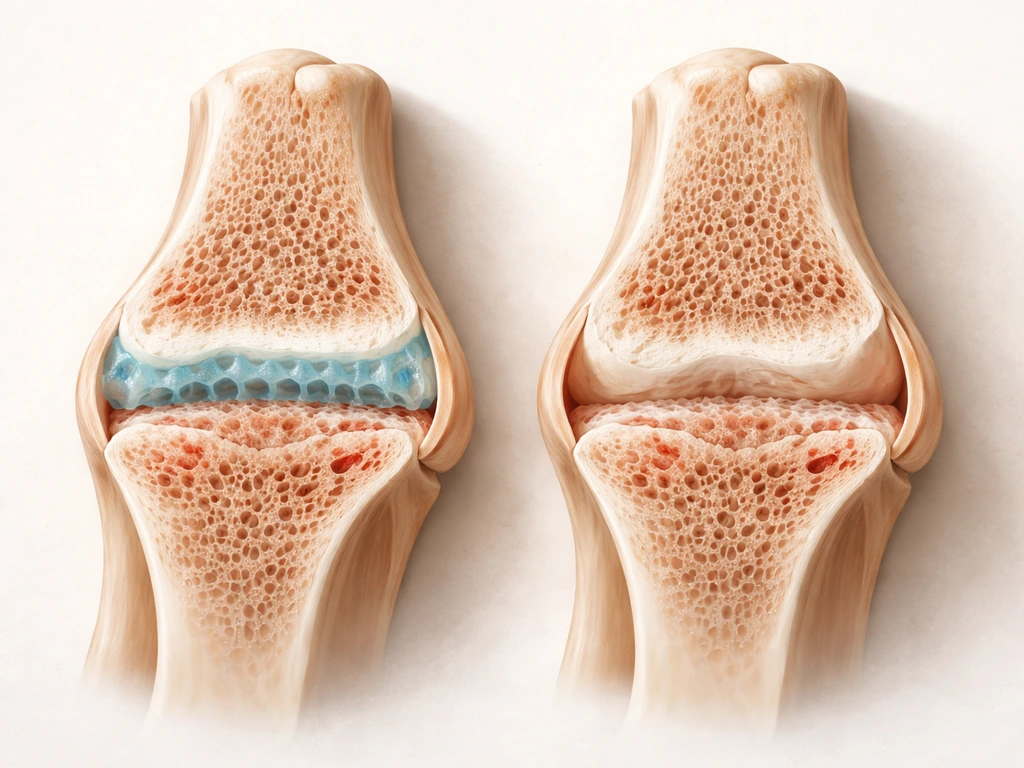
How height growth actually works by age
Your height is controlled almost entirely by growth plates, which are soft cartilage zones near the ends of your long bones. While those plates stay open and active, your bones can lengthen. Once they harden and fuse, growth stops, and no amount of nutrition, sleep, or stretching will change that structural reality.
Growth isn't steady. It happens in waves tied to puberty hormones. In girls, the growth spurt typically kicks off around age 9 and hits peak height velocity (the fastest point) around age 11.5. In boys, growth accelerates starting around age 11 to 12, peaks around ages 13 to 14, and can deliver more than 10 cm of height in a single year at that peak. After peak velocity, growth slows down progressively. Most girls finish growing by 15 to 16; most boys by 17 to 18, though some continue until their early 20s.
What ends growth is plate fusion, not age itself. That's why two 17-year-olds with the same chronological age can have very different amounts of growth remaining. One might have almost fully fused plates while the other still has meaningful cartilage activity. This is exactly why clinicians use bone age rather than birthday age when evaluating growth potential.
Early signs you're getting close to your height limit (teens)

If you're a teenager and worried you're nearly done growing, here are the signs worth paying attention to. None of them are definitive on their own, but together they paint a pretty clear picture.
- Your growth rate has noticeably slowed. During peak puberty you might have grown 8 to 10 cm in a year. If you're now growing less than 2 to 3 cm per year, you're likely in the late stages of your spurt.
- You've moved well past your peak puberty milestones. For girls, this means menstruation began 1 to 2 years ago. For boys, voice deepening, body hair, and other late-stage changes have settled in. The bigger the gap between those events and today, the less growth remains.
- Your parents or close relatives all finished growing at a similar age, and you're approaching that age. Genetics set a rough timetable.
- Your shoe size has stabilized. Feet typically stop growing before height does, so steady shoe size for 12 or more months is a soft indicator you're in the tail end.
- Your growth rate has been below 5 cm per year for an extended period. Clinically, a growth velocity under 5 cm per year in a still-growing child is considered worth investigating, but in a teenager who has already gone through their main spurt, it simply reflects the normal slowdown toward the end.
One thing to watch: if you went through puberty early (precocious puberty), you may finish growing earlier than your peers. If puberty was delayed, the opposite applies. The calendar matters less than where you are in the biological sequence.
Signs growth is essentially finished in adults
For adults, the signs are more straightforward. If you're past your mid-20s and haven't seen a verified height increase in at least a year, growth plates have almost certainly fused. Here's what confirms it:
- No measurable height change over 12 or more months, measured at the same time of day with proper technique.
- You're over 25 years old. While rare cases of growth into the early 20s exist, growth beyond 25 without a medical disorder is essentially unheard of.
- A bone age X-ray (if you've had one) showing fused growth plates. This is the definitive confirmation, not an estimate.
- You passed through puberty at a typical age and are now more than 4 to 5 years past those milestones with no documented height gain.
It's also worth noting that adults naturally lose a small amount of height as they age, starting around their late 30s to 40s, primarily due to spinal disc compression and postural changes. This is different from growth plate closure and happens much more slowly.
Things that affect how tall you appear but aren't real growth changes
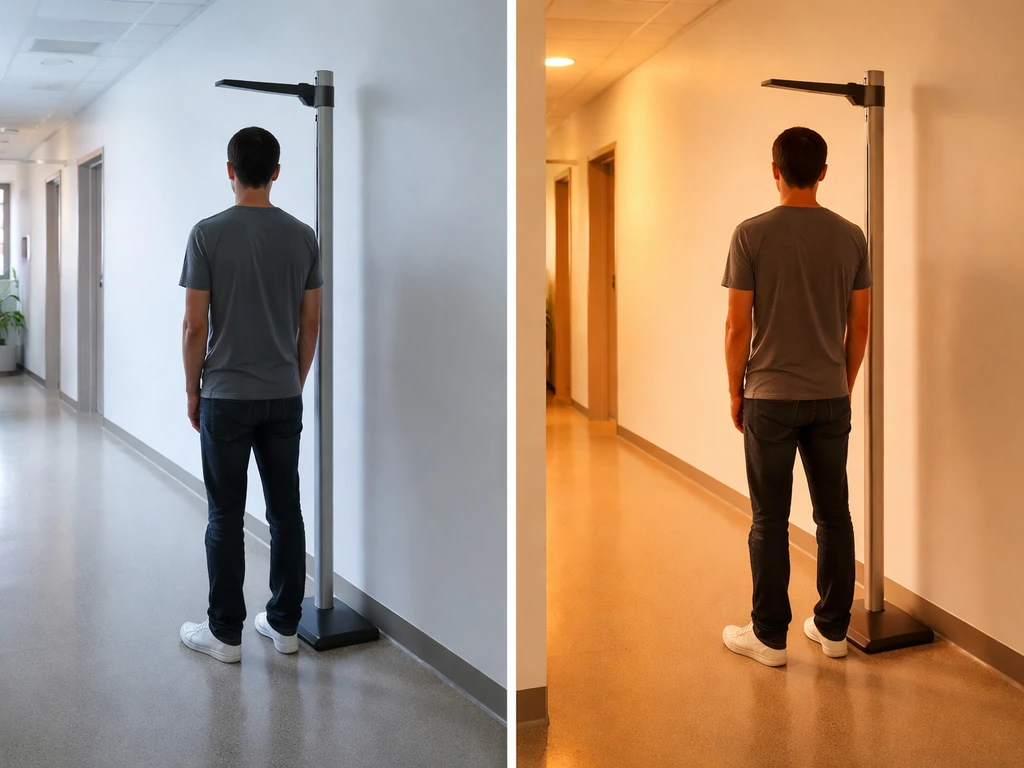
This is where a lot of confusion comes from. Several factors can make you measure shorter (or taller) without any change in your actual skeletal height. This kind of failure to grow in height can also be caused by factors that change how tall you measure without changing your bones. If you think you've stopped growing, or suddenly shrunk, check these first.
Time of day and spinal compression
Your spine is taller in the morning than at night. Research has measured an average daily height loss of roughly 15 to 16 mm across the day as the intervertebral discs compress under gravity and daily loading. One measurement study put the figure at about 15.7 mm, which is roughly 1 percent of body height. Smaller measurements from positioning studies show even a change in posture during a single session can shift apparent height by around 5 mm. This means if you measured yourself at 8 pm yesterday and at 7 am today, you'd appear to have "grown" overnight with no biological change.
Posture
Slouching, forward head posture, or rounded shoulders can shave off a noticeable amount of standing height. Improving posture through core strengthening, awareness, and stretching can recover that height, but this is not growth. It's just a more accurate expression of your existing skeletal height.
Measurement error

Home measurements are notoriously inconsistent. Using a wall without a proper stadiometer (the flat measurement bar used in clinics), measuring at different times of day, having different footwear thickness, not standing fully straight, or measuring yourself versus having someone else do it all introduce meaningful error. A difference of 1 to 2 cm between measurements is easily explained by technique rather than biology.
Scoliosis and spinal curvature
Abnormal spinal curves reduce standing height. Research using corrective formulae for idiopathic scoliosis found average height loss of about 3.4 cm in females and 2.9 cm in males. If you have a diagnosed spinal condition, your measured height may not accurately reflect your skeletal height.
How to actually check your remaining growth potential
If you want a real answer rather than guesswork, there's a practical path to follow. If you want to confirm whether you still have remaining potential, see how do i know if i will grow taller for the practical steps.
Track your height properly at home
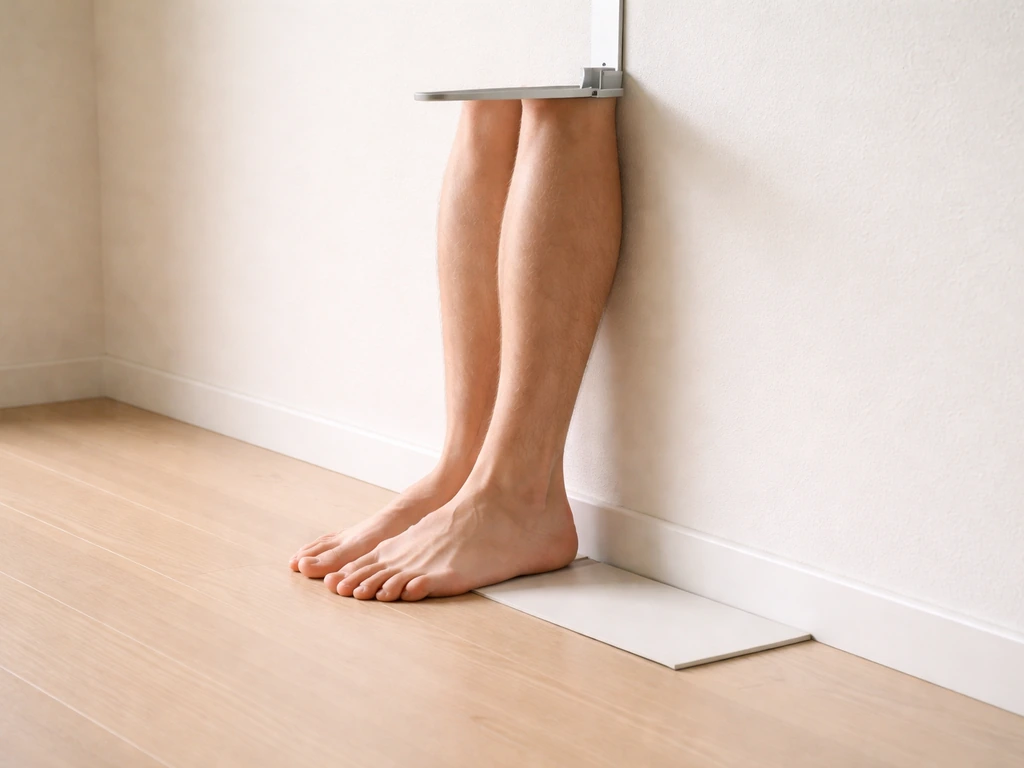
Measure at the same time every day, ideally in the morning within an hour of waking before significant activity. Use a flat surface and a right-angle tool against the wall. Have the same person measure you each time. Record the result with the date. Clinically, a minimum of 3 months between measurements is needed for a reliable velocity estimate, 6 months is better, and 12 months is the gold standard for an accurate annual growth rate. Calculate growth velocity as: (current height minus previous height) divided by the months elapsed, then multiply by 12 to annualize it.
Get a bone age X-ray
This is the only way to know with certainty whether your growth plates are still open. A pediatrician or endocrinologist orders a simple X-ray of your left hand and wrist. The images are interpreted using established atlases like the Greulich-Pyle atlas or the Tanner-Whitehouse method to estimate your skeletal maturity relative to your chronological age. The Endocrine Society describes this as the clinical tool used to determine how much growing time remains. If your bone age shows fused plates, growth is over. If plates remain open, there's still biological potential, and the degree of remaining openness roughly indicates how much.
See a clinician if there's a concern
If you're a teenager growing slower than expected, or if growth has stopped very early, a pediatrician or endocrinologist can do a proper evaluation. That workup typically includes accurate height and weight measurements, growth velocity calculation, bone age X-ray, and blood work to rule out conditions like hypothyroidism, celiac disease, growth hormone deficiency, or other causes that can impair growth.
A Scottish NHS pre-referral guideline also lists baseline tests that may be useful for short-stature referrals, including CBC, ESR/CRP, electrolytes, calcium/phosphate/ALP, TSH/free T4, ferritin, and a celiac (coeliac) screen [blood work to rule out conditions like hypothyroidism, celiac disease, growth hormone deficiency, or other causes that can impair growth. ](https://www. clinicalguidelines. scot.
nhs. uk/rhc-for-health-professionals/guidelines/primary-care-referral-guidance/medical-paediatric-pre-referral-guidance/short-stature-advice-for-referrers/). The AAFP guidelines note that growth velocity under 5 cm per year warrants evaluation, especially when combined with a bone age significantly behind chronological age. Johns Hopkins also emphasizes that atypical puberty and growth patterns are worth discussing with a pediatrician rather than waiting.
What you can still do to make the most of your remaining potential
If your growth plates are still open, even partially, these evidence-based factors genuinely influence how close you get to your genetic ceiling. None of them add height beyond your genetic blueprint, but deficiencies in any of them can cut your potential short.
Sleep
Growth hormone is released in pulses during deep sleep, particularly in the first few hours after falling asleep. Teenagers need 8 to 10 hours per night. Chronic sleep deprivation during active growth phases suppresses growth hormone output at exactly the time your body needs it most. This is one of the most underrated, cost-free levers available.
Nutrition: protein, calories, and key micronutrients
Growing bone and tissue requires raw materials. Adequate total calories matter: undereating chronically (whether from dieting, food insecurity, or an eating disorder) suppresses growth. Protein supports the building of new tissue, with adolescent requirements higher than adult norms. Calcium and vitamin D are particularly important for bone mineralization and growth plate function. Zinc deficiency has been linked to growth impairment in multiple studies. You don't need exotic supplements. You need consistently adequate food across the board, especially during the peak growth period.
Exercise
Regular physical activity, especially weight-bearing activity like running, jumping, and resistance training at age-appropriate loads, supports bone density and overall development. There is no credible evidence that hanging exercises, stretching, or inversion increases skeletal height. What safe exercise does do is support healthy posture, which ensures you're expressing your full height rather than losing centimeters to slouching.
Avoiding things that suppress growth
Chronic illness, untreated conditions like celiac disease or hypothyroidism, and chronic stress can all impair growth during adolescence. Smoking, alcohol, and vaping are associated with suppressed growth hormone and general health effects that can interfere with development. If you're actively growing, these aren't worth the risk.
Medical options when something is actually wrong
If a clinician identifies a specific cause for impaired growth, treatment of that underlying condition is the priority. For children with confirmed growth hormone deficiency, synthetic growth hormone therapy can meaningfully increase final adult height, particularly when growth plates remain open. For idiopathic short stature (short with no identified cause), recombinant growth hormone has been studied and can increase height in some children, though the decision is nuanced and based on individual clinical factors. These are medical decisions made with a specialist, not something to self-prescribe or seek without a proper evaluation.
Putting it all together: a practical decision path
| Your Situation | Most Likely Meaning | Next Step |
|---|---|---|
| Teen, growth has slowed but puberty milestones are recent (under 2 years ago) | Still in late growth phase, some height likely remains | Track height monthly, optimize sleep and nutrition |
| Teen, no growth in 12 months, well past puberty milestones | Growth is likely finishing or finished | Get bone age X-ray to confirm; see a clinician if early |
| Teen, growing under 5 cm/year with no obvious puberty progression | Possibly abnormal growth pattern | See a pediatrician for evaluation including bone age and blood work |
| Adult under 25, no height change in 12 months | Growth is likely done, plates probably fused | Bone age X-ray can confirm; optimize posture to express full height |
| Adult over 25, measuring differently on different days | Measurement variation or posture, not real growth change | Measure consistently at the same time of day; improve technique |
| Any age, sudden apparent height loss | Likely posture, compression, or measurement error | Reassess measurement technique; rule out spinal issues with a doctor |
The honest reality is that once growth plates fuse, height is set. But before that point, there's real biological latitude influenced by the choices you make every day around sleep, nutrition, and health. If you're a teenager and things seem off, the worst-case scenario of getting a bone age X-ray and a basic blood panel is a small inconvenience that can tell you exactly where you stand.
If you're an adult measuring yourself at different times and worrying about shrinkage, consistent technique will likely put your mind at ease. If you’re wondering, in particular, whether you’ll grow as tall as your dad, the key is comparing your remaining growth potential and timeline to your family pattern whether you'll grow as tall as your dad. Either way, knowing what's actually happening in your body is more useful than guessing.
FAQ
I measured myself a few times and the numbers bounce around. When is it actually “not growing”?
If your height is unchanged for 12 months or more, the most likely explanation is closed or mostly fused growth plates. However, before concluding “no more growth,” confirm you are measuring at the same time of day, using consistent footwear (or none), and standing fully straight, since normal daily variation can be around 1 cm or more depending on posture and time.
What growth rate should I consider “too slow” to ignore?
A growth velocity below about 5 cm per year is a common threshold that clinicians use to trigger further evaluation, but the key is interpreting it alongside your bone age and pubertal stage. For teens, puberty timing changes what “normal” looks like, so two teens with the same age can need different interpretations.
Can I still be growing if my height seems to be going down?
Yes, you can look shorter even if your growth plates are still open, especially if you are slouching or your posture has changed. If you suspect measurement error, take 2 to 3 readings back-to-back at the same time (with the same person and technique) to see whether the “drop” is reproducible or just variability.
How accurate is a bone age X-ray for deciding whether I will grow taller?
Bone age testing uses an X-ray to estimate skeletal maturity, but it involves interpretation, so different clinics can report slightly different results. If you are close to the decision threshold, ask your clinician when to repeat the test and what change would be considered meaningful.
Is shrinking after midlife a sign growth plates are closing?
For adults, apparent height loss can come from disc compression and posture, not from growth plates. If you are noticing shrinkage after 35 or so, consistency in morning measurements and attention to posture are often more informative than random daytime checks.
Can medications stop or slow height growth even if I’m still young?
Steroids, especially long-term corticosteroid use, can suppress growth in some people by affecting endocrine function and bone metabolism. If you are using any chronic medication, it is worth telling your pediatrician or endocrinologist because the evaluation may change based on that history.
Should I take vitamin D or calcium supplements to keep growing?
Vitamin D helps with bone mineralization, but “more” is not always better. Aim for adequacy rather than megadosing, and if you suspect deficiency, ask for labs so treatment targets your levels. Over-supplementation can be harmful.
What health problems can make me stop growing even if I sleep and eat well?
Yes, certain gastrointestinal conditions like celiac disease can reduce nutrient absorption and impair growth even when you are eating “enough.” If you have persistent bloating, diarrhea/constipation patterns, unexplained weight issues, or poor growth despite good habits, ask about evaluation.
Do stretching or inversion exercises make you taller long-term?
After puberty, stretching and hanging may improve posture and comfort, but they do not lengthen fused bones. If you want to maximize your measured height in adulthood, the practical focus is posture and spinal health, not “lengthening” workouts.
How can I tell if I’ll be as tall as my dad (or taller)?
Comparing to parents is useful, but genetics sets a ceiling and timing, not a guarantee. A better approach is to estimate your remaining biological potential (bone age) and compare your expected timeline to your family pattern, since early or delayed puberty can shift outcomes a lot.
Next Article
If I Stop Vaping, Will I Grow Taller? What to Expect
Quitting vaping may help health and growth conditions, but it won’t guarantee extra height; results depend on age and op