
Whether you'll grow taller depends almost entirely on two things: whether your growth plates are still open, and where you are in puberty. You can still estimate whether you will grow as tall as your dad by looking at your puberty stage and how fast your height has been increasing grow as tall as my dad. If you're a boy in your early-to-mid teens, there's a good chance you have meaningful height left.
Will I Grow Taller? How to Tell If You Still Can

Marcus Reeves
25 Apr 2026
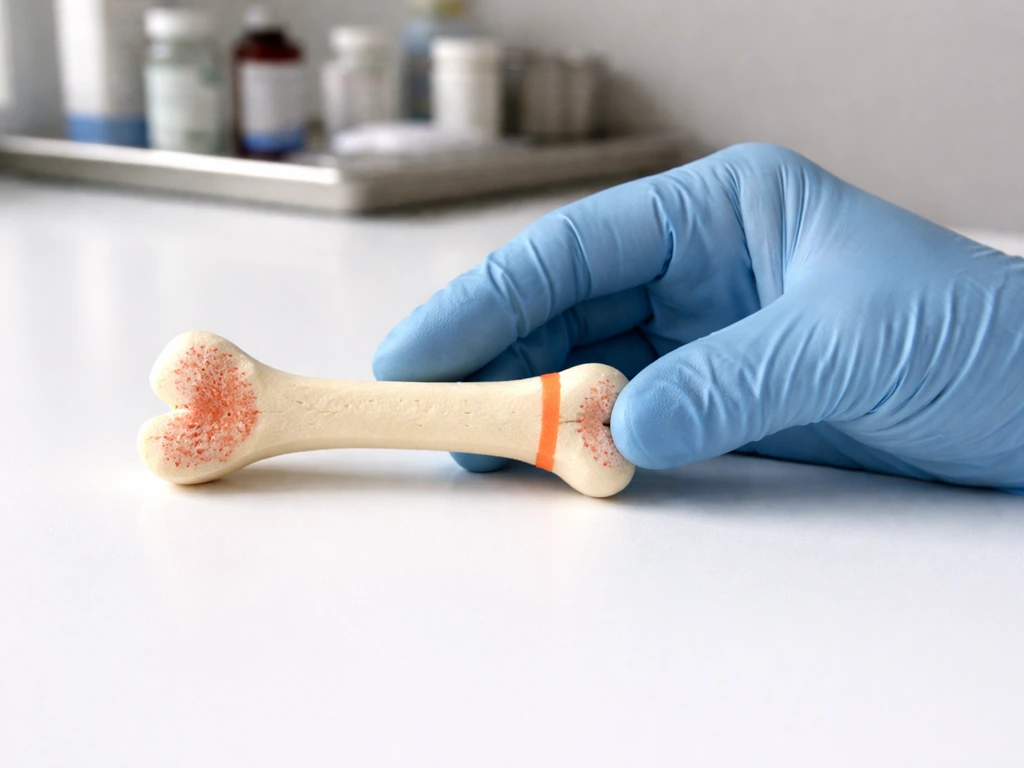
If you're a girl who finished puberty a couple of years ago, your growth is probably done. Neither answer is certain without actual measurements over time or a bone age X-ray, but understanding the biology makes it possible to read your own situation pretty accurately right now.
How height growth actually works
Your height is determined by the length of your bones, and bones grow from a specific location called the growth plate, or physis. Growth plates are strips of cartilage near the ends of your long bones (think femur, tibia, humerus) where new bone tissue is continuously produced during childhood and adolescence. Specialized cartilage cells called chondrocytes multiply, mature, and eventually die, getting replaced by hardened bone. That process is what drives your bones longer.
The catch is that once those chondrocytes complete their differentiation cycle and die off entirely, the growth plate closes and turns into solid bone. At that point, longitudinal growth stops permanently. No supplement, exercise, or intervention can reopen a fused growth plate. This is why height growth has a biological deadline, and why puberty timing matters so much: the hormonal surge of puberty is what accelerates and then ultimately closes your growth plates.
Puberty triggers a growth spurt, often the most dramatic height gain of your life, followed by a gradual slowdown as the same hormones (especially estrogen in both sexes) signal the growth plates to fuse. Girls experience this sequence earlier. Boys hit puberty roughly two years later on average, and their spurts tend to last longer, which is a big part of why men are on average taller than women.
Signs you might still be growing
The clearest sign that you're still growing is that you're actively in puberty or recently finished it. If you're a boy and you're still seeing body hair spreading, your voice hasn't fully settled, or you're noticing muscle development without trying, there's a real chance your growth plates are still open.
If you want context for what people are asking in real time, there’s a Reddit discussion where users share concerns and ask for help interpreting whether their growth plates are still open after a bone age X-ray. If you're a girl who got your first period within the last year or two, you may still have some height left, though it's typically modest at that stage (most girls grow 2 to 3 inches after their first period).
Another practical indicator is your growth velocity, meaning how fast you've been growing recently. Normal childhood growth before puberty runs around 5 cm (about 2 inches) per year. During a pubertal spurt, that can jump significantly higher. If you can measure yourself every 3 to 6 months and you're gaining height, you're still growing. A velocity dropping to around 2 cm per year or less over a 6-month period is generally a sign you're nearing the end of your growth.
If you're a teen girl who hasn't had a period by age 16, or you feel like you completely missed a growth spurt, those are signals worth discussing with a doctor, not because something is definitely wrong, but because the pattern is worth evaluating.
What to expect based on your age
Age gives you a rough framework, but puberty stage is more predictive than the number of candles on your birthday cake. That said, here's how it typically plays out:
| Age Group | Typical Growth Status | What This Means for You |
|---|---|---|
| Girls 10–13 | Usually in or entering growth spurt | Significant height gain likely still ahead |
| Girls 14–16 | Often past peak spurt, slowing down | Some growth possible, especially if period is recent |
| Girls 17+ | Most are at or near adult height | Growth is likely complete or nearly so |
| Boys 11–14 | Often entering puberty and spurt | Substantial height gains likely ahead |
| Boys 15–17 | In or near peak spurt for many | Could still gain 2–4+ inches depending on puberty stage |
| Boys 18–21 | Late bloomers may still be growing | Some boys reach Tanner stage V and adult height into early 20s |
| Adults 22+ | Growth plates almost universally closed | True height gain is not possible; posture can improve appearance |
Boys often reach their final adult height around 16 to 17 on average, but it's genuinely common for some to continue growing into their early 20s, especially late bloomers. Girls typically finish earlier, with most reaching their adult height by 15 to 16. These are averages with real variation, which is exactly why clinicians look at puberty stage rather than age alone.
What determines how much you'll grow

Genetics sets the target
Your genetic height potential is the ceiling. Clinicians estimate this using mid-parental height (MPH), a calculation based on the average of your biological parents' heights with an adjustment for your sex. It's not a guarantee, but it gives a realistic target range. Most people land within about 2 inches of their mid-parental height, assuming no major illness, nutritional deficiency, or hormonal disorder disrupts development.
When puberty started changes everything

If you started puberty early, you likely had your growth spurt early too, meaning you may have already gained most of your adult height sooner than your peers. If you're a late bloomer, you might still be growing when classmates your age have stopped. Puberty timing is one of the most underappreciated factors in figuring out remaining growth potential. Two 16-year-old boys can have dramatically different amounts of growth remaining simply based on where they are in their pubertal development.
Biological sex matters for timing and duration
Because boys start puberty later and their spurts last longer, they typically have more growth remaining at any given teenage age compared to girls at the same age. This isn't about potential height ceiling per se, but about how long the window of active growth stays open.
How nutrition affects your growth

Genetics sets your height potential, but nutrition determines how much of that potential you actually reach. Chronic undereating or specific nutrient deficiencies can slow or stunt growth during the active years. This is not a small caveat. Systematic research shows that nutritional interventions, particularly adequate protein and zinc, have measurable positive effects on linear growth in children and adolescents.
- Calories: Growth requires energy. Chronic caloric restriction, whether from dieting, an eating disorder, or food insecurity, suppresses growth hormone activity and slows height gain. Eating enough is the most foundational nutrition factor.
- Protein: Amino acids are literally the building blocks of new tissue, including bone matrix. Inadequate protein is consistently linked to impaired linear growth in the research. Teens need more protein than children and more than sedentary adults.
- Calcium: Essential for bone mineralization. The bones that are growing in length also need to harden properly, and calcium is central to that. Dairy, fortified plant milks, leafy greens, and tofu are good sources.
- Vitamin D: Without adequate vitamin D, your body can't properly absorb calcium, and severe deficiency causes rickets, a condition that directly disrupts bone development and growth. Most teens don't get enough from sunlight alone, especially in northern climates.
- Zinc: Randomized controlled trials have found that zinc supplementation significantly improves linear growth in school-aged children with suboptimal zinc status. Meat, shellfish, legumes, and seeds are good dietary sources.
- Iron: Iron deficiency anemia is one of the most common nutrient deficiencies in adolescents worldwide, and it can impair physical development and energy levels. If you're constantly fatigued and growing slowly, iron status is worth checking.
If you're eating a reasonably varied diet with enough calories, you're probably covering your bases. But if you're restricting food for any reason, eating a very limited diet, or have a condition that affects absorption (like celiac disease), it's worth getting bloodwork done. Deficiency-driven growth impairment is one of the few modifiable causes of falling short of your genetic height potential.
Sleep, stress, and why recovery matters for growth
Growth hormone is primarily secreted in pulses during sleep, especially during the deeper stages of sleep at night. This is not a minor detail. Sleep is when your body does a significant portion of its tissue repair and growth signaling. Adolescents are recommended to get 9 to 10 hours of sleep per night, a target most teenagers don't come close to hitting. The American Academy of Pediatrics notes that for adolescents ages 14, 17, sleep goals are about 8, 10 hours per night 9 to 10 hours of sleep per night.
Chronic sleep deprivation suppresses growth hormone release. Research confirms that the somatotropic (growth hormone) system is sensitive to sleep patterns and disruption. One practical finding from AAP research is that simply moving to an earlier bedtime measurably increases total sleep duration in adolescents, which matters for anyone in active growth years who's running on 6 or 7 hours a night.
Chronic psychological stress is also worth mentioning. Prolonged stress elevates cortisol, which is broadly antagonistic to growth hormone signaling. This doesn't mean the occasional stressful week will cost you an inch, but sustained, high-level stress during active growth years isn't neutral. Managing sleep, keeping stress in check, and giving your body actual recovery time are the unglamorous but genuinely important parts of supporting healthy growth.
Exercise, posture, and what they can and can't do
Exercise during growth years is genuinely good for your bones. Systematic reviews show that physical activity increases bone mineral content and improves bone geometry and strength in growing children and adolescents. Being active supports the structural quality of the skeleton you're building. That's real and worth doing.
What exercise cannot do is increase your final adult height once growth plates are closed, and it cannot meaningfully extend how long your growth plates stay open. If you want clues that your growth is largely finished, look for the signs that you will not grow taller. Sports, lifting weights, swimming, yoga, none of them change the biology of growth plate fusion. The idea that certain exercises make you taller is a persistent myth. What they can do is support overall health, optimize bone density, and, critically, improve your posture.
Posture is genuinely underrated as a practical factor. Poor posture, especially a forward head position and rounded upper back, can make someone appear 1 to 2 inches shorter than their actual skeletal height. Strengthening your core and posterior chain, practicing upright alignment, and addressing any habitual slouch can recover that apparent height without changing a single bone. This isn't the same as growing, but it's a meaningful and achievable improvement.
On the topic of height hacks and supplements: the honest answer is that nothing sold over the counter can make you taller if your growth plates are closed. Products marketed as height boosters, whether ashwagandha blends, amino acid stacks, or stretching programs, don't have credible evidence showing they increase adult height. During active growth years, ensuring you're not deficient in key nutrients matters. Beyond that, there's no supplement that pushes you past your genetic ceiling.
Practical next steps to find out where you stand
Track your own growth velocity
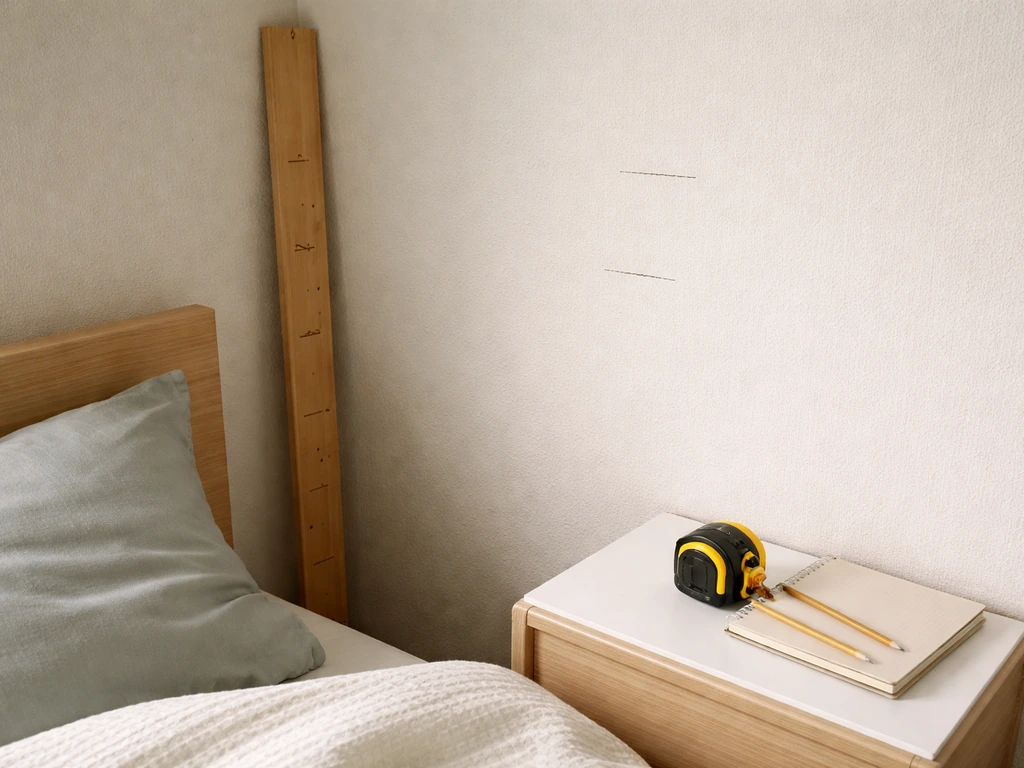
The most practical thing you can do right now is measure your height accurately (shoes off, against a flat wall, standing straight) and repeat it every 3 months. If you're gaining height, you're growing. If after 6 months you've gained less than about 1 cm, your growth is likely slowing toward its end. Consistency matters here, use the same time of day since you're slightly shorter in the evening than the morning.
Use a growth chart to see where you sit

CDC and WHO growth charts plot height-for-age percentile curves. Plotting yourself and looking at your trajectory over the past few years tells you whether you've been tracking along a consistent percentile (normal) or crossing percentile lines downward (a potential red flag). A steady drop across percentile lines over time is what clinicians look for as a sign that something may be limiting growth.
When to see a doctor
See a clinician if your height velocity is less than about 4 cm per year during childhood or you feel like you've stopped growing earlier than expected, if you're a girl and haven't had a period by age 16, if you're significantly shorter than both parents with no obvious explanation, or if you have symptoms suggesting a nutritional deficiency or chronic illness. A pediatrician or endocrinologist can assess your pubertal stage, plot your growth history, calculate your mid-parental height, and order labs to check for deficiencies or hormonal issues.
What a clinical evaluation actually includes
A proper growth evaluation goes beyond just measuring you. Clinicians typically assess your Tanner stage (a clinical measure of puberty progression), review your growth chart history, calculate mid-parental height, and may order bloodwork to rule out deficiencies (vitamin D, iron, zinc, thyroid function) or conditions like celiac disease that can impair growth. The most definitive tool for assessing remaining growth potential is [a bone age X-ray, typically of the left hand and wrist](https://www. endocrine.
org/patient-engagement/endocrine-library/growth-and-short-stature), read against the Greulich-Pyle atlas. This shows how skeletally mature your bones are relative to your chronological age. A bone age significantly younger than your actual age means more growth runway; a bone age at or past skeletal maturity suggests your growth plates are closing or closed.
Clinicians can then use methods like Bayley-Pinneau or Roche-Wainer-Thissen to generate an adult height prediction based on bone age, current height, and parental heights, though these predictions carry some uncertainty and should be interpreted as ranges, not fixed numbers.
The bottom line is this: if you're a teenager still moving through puberty, there's a solid chance you have real height left, and the most useful things you can do are sleep enough, eat enough of the right foods, stay active, and track your growth over time. If you're in your late teens or early 20s and growth has stalled, the honest reality is that your adult height may already be set. If you suspect failure to grow in height, it is usually a sign that growth has stalled and you may need a clinical evaluation to understand the cause. Understanding which situation you're in is the starting point for everything else.
FAQ
If my growth plates are closed, can I still become taller with stretching or exercise?
No. Stretching, sports, posture drills, or lifting can improve how tall you look and support healthy bone strength, but they cannot reopen a fused growth plate or extend the biological window for bone lengthening.
Should I take a height supplement to grow taller?
You are likely wasting time if you expect major gains from supplements alone. During active growth years, supplements only help if they correct an identifiable deficiency, and best practice is to check your diet and consider bloodwork rather than taking “height booster” blends.
How many inches do I need to gain before I can say I will grow taller?
A single measurement is not very informative. Clinicians focus on the trend, so compare your height at similar times of day and look for a consistent change across at least 3 to 6 months, ideally using the same method each time.
Will getting more sleep make me grow taller faster?
Yes, unless your sleep and nutrition are already solid. Growth hormone pulses are closely tied to sleep depth, so cutting sleep by even 1 to 2 hours nightly for weeks can reduce the body’s growth signaling, even if your diet is decent.
Can bad posture make it seem like I am not growing?
Posture can change your “measured” height. If you habitually slouch, a stricter measurement setup (stand tall, head level, no shoes, back against a wall) can reveal that you were shorter by appearance rather than by bone growth.
My growth seems to slow for a couple months, does that mean I stopped growing?
A normal pattern can still look uneven. Growth velocity often fluctuates because of puberty timing and temporary weight changes, so occasional slow months do not automatically mean you have stopped growing, but a persistent drop over multiple check-ins does.
Should I measure in the morning or at night to track if I will grow taller?
Yes. If you are measuring at home, do not correct for the difference between morning and evening by adding an estimated number. Instead, measure at the same time of day each time to make your trend comparable.
What if I am much shorter than both parents, will I still grow taller?
If your height is much lower than both parents and you are also dropping percentiles, that is more concerning than being “short but steady.” A clinician will review your growth chart history, puberty stage, and sometimes labs to see if a modifiable cause like iron deficiency or thyroid issues is present.
If I am a girl and I have not had my period yet, will I still grow taller?
Potentially, but the key question is how “finished” your puberty appears. If you are 16 and a girl has not started periods, or if puberty seems to be delayed, evaluation is worthwhile because puberty stage and bone age can clarify whether there is remaining growth.
If I am a boy and puberty seems late, how can I tell if I will grow taller?
If you are a teen boy and puberty seems late, you may still have a longer runway even if your age is toward the later end of adolescence. That said, a lack of pubertal signs or very slow growth should be discussed with a clinician rather than assuming it is just genetics.
At what point should I see a doctor to check if I will grow taller?
If you are gaining less than about 1 cm over 6 months, or if your height velocity keeps dropping for multiple intervals, it is reasonable to book an appointment. Clinicians can assess your Tanner stage, review your chart, and consider a bone age X-ray if it would change the plan.
Can dieting or being underweight stop me from growing taller?
Your weight can affect your growth indirectly. Extreme dieting, low calorie intake, and conditions that interfere with absorption can reduce growth. The goal is not just calories, but enough protein, minerals, and overall energy to support growth while you are still developing.
When is a bone age X-ray actually worth it?
Bone age is not something you need routinely, but it is useful when timing is unclear, growth is unusually slow, or puberty is delayed or out of sync. If your history and measurements do not fit the expected pattern, a bone age X-ray can clarify how much growth plate activity remains.
How accurate are adult height predictions based on bone age and family height?
Height predictions are ranges, not promises. Predictions can be off if measurements or pubertal staging are inaccurate, or if a growth disorder changes the expected tempo, so clinicians use them to guide decisions, not to set a final number as certainty.
Next Article
What Amino Acids Make You Grow Taller
Know which amino acids support growth via protein and IGF-1, why they can’t extend height after closure, and practical t