
Stopping vaping probably won't make you shoot up several inches overnight, but if you're still in your teens and your growth plates haven't closed yet, quitting now removes a real biological obstacle and gives your body the best shot at reaching its genetic height potential. The honest answer is: it depends heavily on your age and where you are in puberty. If you're 13 and actively growing, quitting vaping matters a lot. If you're 20 and your plates closed two years ago, no lifestyle change, including quitting nicotine, will add height through natural bone growth. What quitting will do at any age is improve the conditions your body needs to function well, and during active growth, those conditions are everything.
If I Stop Vaping, Will I Grow Taller? What to Expect

Marcus Reeves
7 May 2026

How height growth actually works
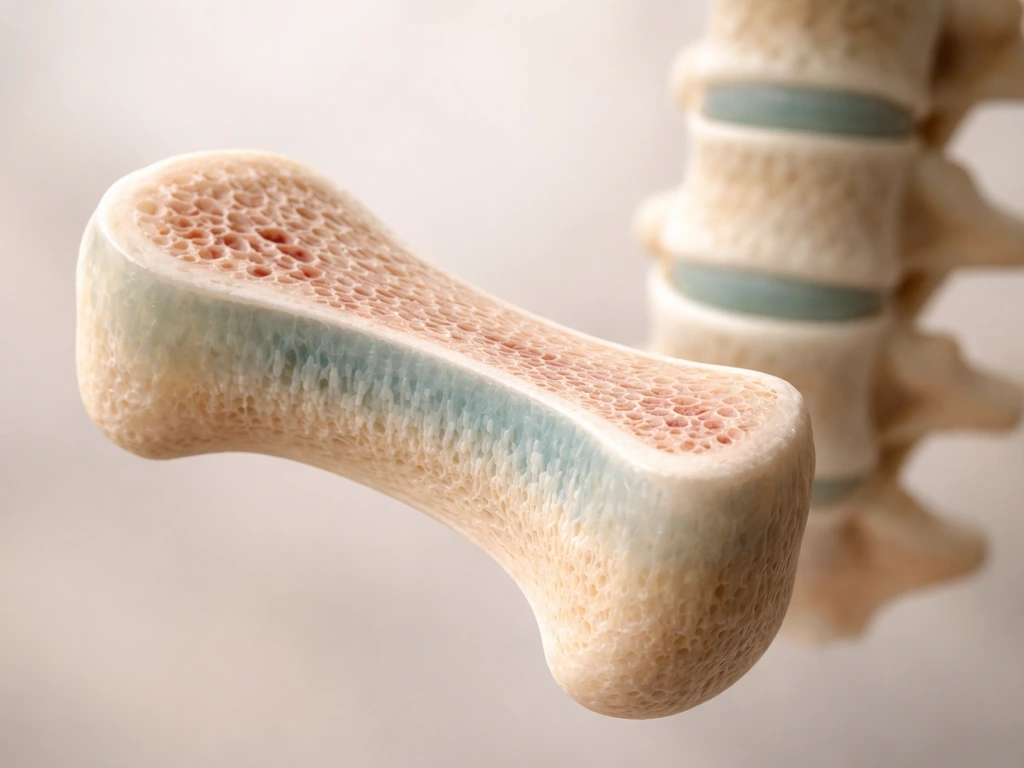
Your height is determined by the length of your long bones, mainly the bones in your legs and spine. Those bones grow from specific zones near their ends called growth plates, or epiphyseal plates. During childhood and puberty, those plates are made of cartilage that actively produces new bone tissue, pushing the bones longer. Once puberty ends and sex hormones signal the plates to harden (a process called epiphyseal fusion), those bones are done growing. Full stop. No supplement, stretch, or habit change will reopen fused growth plates.
The timing of all this is driven by hormones. Growth hormone (GH), released by the pituitary gland, stimulates the liver to produce IGF-1, and together those two drive the actual cell division at your growth plates. Sex hormones, estrogen and testosterone, also spike during puberty and fuel the growth spurt before eventually signaling the plates to close. Genetics sets the ceiling for how long your bones can grow and when your plates will close, but nutrition, sleep, and overall health determine how close to that ceiling you actually get.
For context on timing: girls typically hit peak height velocity around ages 11 to 12.5, gaining up to roughly 9 cm in their fastest year, with plates closing around ages 13 to 15. Boys peak later, around 13 to 14, gaining over 10 cm in the fastest year, with plates closing around 15 to 17. Individual variation is real, though, and bone age (assessed via a hand X-ray) is a more reliable indicator of remaining growth potential than calendar age alone.
Does vaping affect growth? What we know vs. what's still uncertain
Here's where the science gets honest: direct evidence that vaping specifically stunts height in humans is limited. Most of the clearest research is on cigarette smoking, not e-cigarettes, and even there the picture is about associations rather than iron-clad causation. That said, the biological mechanisms are plausible enough that they shouldn't be dismissed.
Nicotine, which is the active compound in most vaping products, can disrupt endocrine signaling (the hormonal systems that regulate growth), cause oxidative stress and inflammation, and impair blood flow to developing tissues. A prospective cohort study found that cigarette smoking predicted retarded physical growth in early-adolescent girls over time. Research on tobacco and nicotine's effects on bone accretion in late adolescence has examined these pathways, adjusting for factors like pubertal maturation and physical activity, and found relevant associations. In vitro studies show that nicotine and other e-cigarette constituents can alter cellular processes tied to growth. None of this proves that every vaping teen will be noticeably shorter, but it does mean the plumbing is there for nicotine to interfere.
What's genuinely uncertain is the size of the effect in real-world vaping users compared to non-users, and whether e-cigarettes specifically, as opposed to combustible cigarettes, carry the same degree of risk. E-cigarette research is newer, the products vary enormously, and long-term human growth outcome data just don't exist yet at scale. So the honest position is: there's no confirmed 'vaping makes you X centimeters shorter' number, but the biological reasons to worry are legitimate, especially during the years when growth is actively happening.
What stopping vaping can realistically change
In the short term (days to weeks)

When you quit nicotine, your appetite typically increases within the first few days as withdrawal sets in. Research on e-cigarette abstinence confirms increased appetite as a common withdrawal symptom, and lab studies show that nicotine suppresses energy intake through its effects on satiety signals. This actually matters for growth: if vaping was blunting your hunger and calorie intake, quitting can restore a more normal eating pattern, which directly supports bone and tissue growth during puberty. Your circulation also improves fairly quickly without nicotine's vasoconstrictive effects, meaning better nutrient delivery to growing tissues.
In the long term (months onward)
If your growth plates are still open, removing nicotine's potential interference with your endocrine and circulatory systems means your GH and IGF-1 can operate without that disruption. You're not adding height that wasn't going to happen; you're reducing the chance that nicotine was quietly trimming centimeters off the top of your potential. Think of it less as 'unlocking extra growth' and more as 'stopping something that was possibly capping it.' For bone health specifically, adolescence is a critical window: the majority of adult bone mass is accrued during these years, with a concentrated window around peak height velocity. Quitting supports that process even when height gains aren't visible on a tape measure.
Practical steps to maximize your height potential after quitting
Quitting vaping is the right first move, but it works best as part of a broader approach to supporting growth. These are the evidence-backed levers you can actually control.
Sleep: the most underrated growth tool

Growth hormone is released in pulses during deep sleep, and the biggest pulse happens in the first hour or two after you fall asleep. Teens aged 13 to 18 need 8 to 10 hours per night according to CDC guidance, but most get significantly less. If you're sleeping 6 hours and wondering why you're not growing optimally, that's a real problem. Consistent, quality sleep is not optional when it comes to maximizing GH output during active growth.
Nutrition: calories, protein, calcium, and vitamin D
Bone and lean tissue growth require raw materials. Being in a chronic calorie deficit stunts growth. Beyond total calories, protein is particularly important because IGF-1 production responds to dietary protein intake. For bone specifically, the NIH recommends 1,300 mg of calcium per day for ages 9 to 18 (the years of maximum bone deposition) and 600 IU of vitamin D daily. Dairy, fortified foods, leafy greens, and fatty fish cover most of these. If you've been vaping through meals and eating less than you should, fixing that dietary gap after quitting can meaningfully support your remaining growth window.
Exercise: the right kind matters
Weight-bearing and impact activities, things like sprinting, jumping rope, basketball, and resistance training, stimulate bone formation and are associated with better bone density during adolescence. The American Academy of Pediatrics confirms that age-appropriate resistance training is safe for teens and supports overall development. What doesn't help is extreme or excessive training that leads to calorie deficit or overuse injuries, both of which can actually slow growth. Moderate, varied, weight-bearing movement is the goal.
Stress and other habits
Chronic stress elevates cortisol, which suppresses GH secretion. Poor sleep, under-eating, overtraining, and yes, nicotine all contribute to a higher stress burden on your physiology. Quitting vaping removes one stressor from that pile. Pair it with consistent sleep, adequate food, and regular movement and you're creating the actual conditions that make growth possible.
Age matters more than almost anything else
This is the point where a lot of people need a realistic reality check, and it's worth being direct about it.
| Age/Stage | Growth Plate Status | What Quitting Vaping Can Realistically Do |
|---|---|---|
| Early teens (12–14) | Plates likely open, active growth spurt | Removes nicotine interference during peak velocity; supports hormone and nutrition pathways; meaningful potential impact |
| Mid teens (15–17) | Plates may still be open, especially boys; growth slowing | Still worthwhile; some remaining growth possible; supports bone density accrual even as height velocity drops |
| Late teens (18–19) | Plates near fusion or recently fused in many; variable | Height gain unlikely but not impossible if plates are still open; bone health benefits remain relevant |
| Adults (20+) | Plates closed in most people | Height gain from natural bone growth is not expected; overall health benefits from quitting are still real and significant |
If you're not sure where you fall, that's actually something a doctor can assess. A bone age X-ray of the left hand can show how mature your skeleton is and give a reasonable estimate of remaining growth potential. This is more accurate than just going by your birthday, because two 15-year-olds can have very different skeletal ages and very different amounts of height left to gain.
If you're reading this and wondering more broadly whether you're on track to reach your height potential, questions like whether you'll grow as tall as a parent or what signs suggest you've stopped growing are worth exploring too, since they connect directly to understanding where you are in this process. A doctor can also use a bone age X-ray and growth pattern to estimate how close you are to your maximum height, including what that means compared with your dad's height whether you'll grow as tall as your dad. A practical way to answer it is to look at growth speed, puberty stage, and whether your growth plates may still be open, which a clinician can assess if needed how do I know if I will grow taller.
When to actually see a doctor
Most teens quitting vaping don't need a specialist visit just for that. But there are specific situations where getting a clinical opinion makes real sense and shouldn't be put off.
- You're growing less than about 4 to 5 cm per year before puberty, or your height curve has clearly flattened on a growth chart: this is worth investigating regardless of vaping history
- You're 13 (girl) and haven't started breast development, or 14 (boy) and haven't started any puberty signs: delayed puberty can have treatable causes and affects growth potential
- You're a girl who is 15 and hasn't had a first period, or hasn't had a period within 3 years of starting breast development
- You've been significantly under-eating for an extended period, whether due to disordered eating or nicotine-related appetite suppression, and you suspect it's affected your growth
- You're struggling to quit vaping and finding that nicotine dependence is affecting your daily functioning, sleep, or eating: adolescent cessation programs exist and are more effective than going it alone
- You have concerns about growth hormone deficiency or another endocrine issue: a pediatric endocrinologist can run blood tests for IGF-1 and related markers and assess bone age
Growth delay and pubertal delay are evaluated based on growth velocity, bone age, family history, and blood work. A single height measurement doesn't tell the whole story. If something feels off about how you or your child is growing, that's enough reason to get it looked at. You don't need to have a confirmed diagnosis before asking.
The bottom line
Quitting vaping is worth doing regardless of whether it adds centimeters. But if you're a teenager whose growth plates are still open, it's especially worth doing now rather than later. Nicotine has plausible biological mechanisms to interfere with the hormonal and circulatory systems that drive growth, and while the research on vaping specifically is still catching up, the direction of evidence is not reassuring for active vapers during peak development years. Quitting removes that interference.
Pairing it with consistent sleep, solid nutrition including adequate calcium and protein, and regular weight-bearing exercise gives your body the full toolkit it needs to reach the height it's capable of. That's as much as lifestyle can do, and it's genuinely more than most people think.
FAQ
If I quit vaping today, how soon could I see any height-related changes?
You usually should not expect a quick “after quitting” height jump. What changes is your growth-supporting environment over months, and the only real way to track progress is by monitoring growth velocity (how many centimeters you gain over a 6 to 12 month period) rather than looking for immediate changes on a weekly or monthly scale.
Will quitting vaping make my growth plates reopen if they have already fused?
No. Once epiphyseal fusion has happened, lifestyle changes, including stopping nicotine, cannot reopen growth plates. The practical takeaway is to focus on health gains from quitting, and if height potential is the goal, use bone age to see how much growth, if any, remains.
Does vaping nicotine suppress appetite, and if so, will quitting help me eat enough for growth?
Nicotine commonly reduces appetite and can blunt satiety cues, so many people eat less while using nicotine. After quitting, appetite often increases within the first days, but you still need a structured approach to meals so the increase becomes adequate calories and protein, not just “more snacks.”
I gained weight after quitting. Could that reduce my chance of growing taller?
Weight gain itself does not automatically reduce height. What can matter is whether you are chronically under-eating (too few calories, low protein) or over-restricting. If you gain weight because you’re restoring normal eating, that can support growth. If weight gain comes with very poor food quality or disrupted sleep, it can indirectly affect your growth rhythm.
What if I only vape “sometimes” or only nicotine-free e-liquids, does that change the answer?
“Sometimes” use may still affect stress, sleep, and nicotine exposure if any product contains nicotine. Nicotine-free products avoid nicotine-related endocrine and blood-flow interference, but vaping can still irritate airways and affect overall health. The height issue is mainly about nicotine and overall growth conditions, so the safest move is minimizing all vaping, especially during peak growth years.
Can I use stretching, posture exercises, or supplements to compensate for any height I might have lost from vaping?
Stretching and posture work can improve how tall you look, but they do not lengthen long bones. Supplements only help if you were deficient, and no supplement can recreate open growth plates. If you want to support remaining potential, prioritize sleep, adequate calories with enough protein, and calcium and vitamin D from food and reasonable supplementation if a clinician advises it.
How do I know if I still have growth left to benefit from quitting?
Bone age is the most practical medical tool, typically assessed with a hand X-ray, because two people with the same birthday can have different skeletal maturity. Clinicians also look at growth velocity and pubertal stage. If you have not grown much over 6 to 12 months during your teens, or puberty is delayed, it’s worth discussing evaluation.
Does the effect, if any, differ for boys versus girls?
The timing of peak growth differs between sexes, and that timing affects how sensitive you may be during a given stage. Because girls often peak earlier, nicotine-related disruption during that window could matter differently by timing. Still, the most consistent decision rule is stage-based: if you are still actively growing, quitting removes a plausible growth-hindering factor.
What should I do after quitting besides quitting, to actually maximize remaining growth potential?
Use the levers the body responds to: consistent sleep (teens generally need 8 to 10 hours), enough total calories with adequate protein, daily calcium and vitamin D, and regular weight-bearing activity. Also avoid overtraining or crash dieting, since those can push the body toward stress and energy deficit, which can blunt growth signals.
Is it okay to do resistance training while I’m still growing, and could it affect height?
When it’s age-appropriate and well supervised, resistance training is generally safe for teens and can support bone health. The key is avoiding extremes that cause chronic calorie deficits, technique-related injury, or overuse problems. If you have pain or fatigue that seems out of proportion, scale back and get guidance.
Should I see a doctor specifically for vaping-related growth concerns?
You should consider an evaluation if your growth seems unusually slow for your age, puberty appears delayed, you have significant under-eating, chronic illness, or you’re worried about where you are in skeletal maturity. A clinician can assess growth velocity and, if indicated, order bone age and basic labs to rule out other causes.
Next Article
How Do I Know If I Will Grow Taller? A Practical Guide
Learn how to gauge remaining height potential using growth stages, height tracking, signs of open plates, and clinician