
Your body grows taller through a combination of genetics, hormones, nutrition, sleep, and timing. The most important window is childhood through mid-to-late adolescence, when growth plates in your bones are still open and actively adding length. Once those plates close, height gain stops. But within that window, and even after it, there is a meaningful amount you can do to support healthy development, maintain what you have, and know when something medical needs attention.
What Helps Your Body Grow Taller: Evidence-Based Tips

Marcus Reeves
13 Jun 2026

How height growth actually works in your body
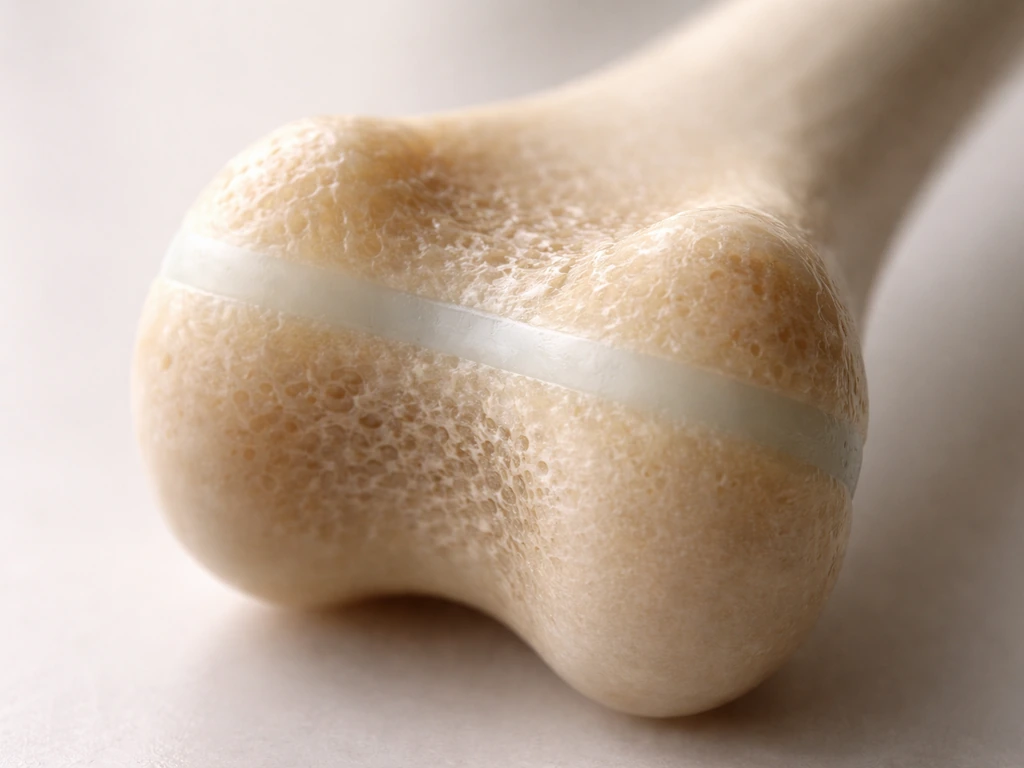
Bones grow longer from specialized zones called growth plates, or epiphyseal plates. These are strips of cartilage sitting near the ends of your long bones. Inside them, cells called chondrocytes continuously multiply and enlarge, then gradually get replaced by bone tissue. That process, called endochondral ossification, is what physically makes your skeleton longer over time.
Growth hormone (GH), secreted by the pituitary gland, is the main hormonal driver. GH itself stimulates the liver to produce insulin-like growth factor 1 (IGF-1), and it is IGF-1 that directly acts on the growth plates to push chondrocyte activity. Sex hormones, particularly estrogen and testosterone, also play a dual role: they accelerate growth during puberty but eventually trigger the fusion of the growth plates. After epiphyseal fusion or plate closure in late puberty, growth velocity decreases and may become zero epiphyseal fusion/plate closure in late puberty. Once fused, no amount of nutrition, exercise, or supplementation can reopen them. Longitudinal height growth is over.
The timing of plate closure is not uniform across the body. Research using MRI shows that fusion happens in an ascending order, progressing from the feet and ankles upward to the wrist and shoulder. Females generally reach full fusion earlier than males, which is why girls often stop growing a year or two before boys of the same age. For most people, growth plates are fully closed somewhere between ages 16 and 18 for girls and 18 and 21 for boys, though the range varies.
Genetics and your realistic height potential
Genetics sets the upper and lower boundary of your height. A useful clinical tool for estimating that range is mid-parental height, which is calculated by averaging the biological parents' heights and adjusting for sex (adding about 2.5 inches for boys, subtracting about 2.5 inches for girls). According to American Academy of Pediatrics guidance, roughly 95% of children end up within about 4 inches above or below that mid-parental target. That is a meaningful range, which means environment and lifestyle do have influence, but you are not going to grow 6 inches past your genetic ceiling through diet alone.
What you cannot change: your DNA, the timing of your puberty, your sex chromosome effects on growth plate closure, and your parents' heights. What you can influence: whether you reach the top of your genetic range rather than falling short of it due to poor nutrition, disrupted sleep, chronic illness, or prolonged stress. That is the real game for most people.
Nutrition that directly supports growth

Food is the raw material your body uses to build bone, produce hormones, and fuel the cellular machinery of growth. Eating right and getting key nutrients supports your body’s growth needs, which helps you grow healthy eating right food can help you grow healthy. If you are wondering what food makes you grow, start by focusing on enough calories plus protein, calcium, and vitamin D. Under-eating is one of the most reliable ways to fall short of your height potential, especially during childhood and the teen years. Getting enough total calories is step one; everything else is secondary.
The nutrients that matter most
| Nutrient | Why it matters for growth | Good sources |
|---|---|---|
| Protein | Provides amino acids for bone matrix, muscle, and IGF-1 production | Meat, fish, eggs, dairy, legumes, tofu |
| Calcium | Primary mineral in bone; inadequate intake limits bone density and length | Milk, yogurt, cheese, fortified plant milks, leafy greens, sardines |
| Vitamin D | Essential for calcium absorption; deficiency directly impairs bone mineralization | Sunlight, fatty fish, fortified foods, supplements if deficient |
| Iron | Supports oxygen delivery and energy metabolism needed for growth | Red meat, lentils, spinach, fortified cereals |
| Zinc | Involved in cell division and growth hormone signaling; deficiency stunts growth | Oysters, beef, pumpkin seeds, chickpeas, nuts |
Protein deserves extra emphasis. Growing kids and teens need more protein per kilogram of body weight than adults. Aim for consistent protein across meals rather than loading it all at once. Calcium and vitamin D work together, so getting both right matters more than either one alone. Zinc deficiency is surprisingly common in adolescents who eat mostly processed food, and it quietly blunts growth hormone signaling without obvious symptoms.
There is no single magic food, but a consistently varied, whole-food diet that covers these bases will do more for growth than any supplement protocol. A consistently well-rounded diet is the fastest, safest way to support healthy growth while growth plates are open foods that support healthy growth. If you want to dig into specific foods and their growth effects in more detail, the relationship between what you eat and how you grow is worth exploring further.
Sleep and stress: the underrated growth levers

Growth hormone is not released at a steady trickle throughout the day. The largest pulses of GH secretion happen during slow-wave (deep) sleep, typically within the first hour or two of falling asleep. If a child or teenager is chronically sleep-deprived, those GH pulses are diminished. Over weeks and months, that adds up to less growth stimulus at the plate level.
General sleep recommendations by age: school-age children (6 to 12) need 9 to 12 hours per night, and teenagers (13 to 18) need 8 to 10 hours. Adults generally need 7 to 9 hours. These are not arbitrary numbers. They align with the windows during which the body does its most significant repair and hormonal work. Screens before bed, irregular sleep schedules, and caffeine all chip away at sleep quality even when total hours look adequate.
Chronic psychological stress raises cortisol, and sustained elevated cortisol suppresses GH secretion. It also contributes to poor sleep, reduced appetite, and skipped meals, creating a compounding negative effect on growth. For kids in stressful home environments or teens under heavy academic and social pressure, the physiological impact is real. Managing stress through consistent routines, physical activity, and adequate downtime is not just feel-good advice; it has direct hormonal relevance during the growth years.
Exercise and posture: what actually helps (and what doesn't)
Physical activity supports growth in indirect but meaningful ways. Weight-bearing exercise stimulates bone mineralization, helps regulate the hormonal environment, improves sleep quality, and builds the muscle and connective tissue that supports a healthy skeletal frame. There is also evidence that moderate physical activity during childhood and adolescence is associated with better bone density outcomes, which matters for long-term skeletal health.
But let's be direct about what exercise cannot do: no exercise will make your bones longer once growth plates are open, and absolutely nothing will reopen them once they are closed. Stretching, hanging from bars, swimming, and yoga do not make you measurably taller in a permanent way. They can temporarily decompress the spine (you are slightly taller in the morning than at night for this reason), and they can improve posture, but that is not height gain. It is posture correction, which is still worth pursuing.
Posture is worth taking seriously, especially for adults. Chronic slouching, forward head posture, and anterior pelvic tilt can make a person appear noticeably shorter and contribute to back pain. Core strengthening, hip flexor stretching, and thoracic mobility work can help you stand taller and reduce spinal compression over time. For anyone past the growth stage, this is where the real, visible height-related improvement comes from.
One caution for growing kids: extremely intense, high-volume training (think elite gymnastics or heavy strength training before puberty) may place excessive stress on still-developing growth plates. Age-appropriate, varied physical activity is the goal, not sport specialization at the expense of overall development.
What to actually do depending on your age
Children and teenagers (growth plates still open)
This is the window that matters most. The practical priorities are straightforward: eat enough calories and prioritize protein and micronutrients, sleep enough and on a consistent schedule, stay active with varied physical activity, and minimize chronic stress wherever possible. These are not complicated interventions. They are the baseline conditions under which your body can express its genetic height potential. If you do these baseline things consistently, you are maximizing what makes you grow faster within your natural genetic limits genetic height potential.
- Eat three balanced meals daily with adequate protein at each (eggs, dairy, meat, legumes)
- Prioritize calcium-rich foods and get sun exposure or a vitamin D supplement if you live in a low-sunlight region
- Get 9 to 12 hours of sleep for school-age kids, 8 to 10 hours for teens, with consistent bedtimes
- Participate in weight-bearing activities like running, jumping, or team sports regularly
- Limit ultra-processed snacks that displace more nutritious foods
- Track growth on a growth chart annually and flag any slowdown to a pediatrician
Adults (growth plates closed)
Once you are in your early-to-mid twenties and beyond, you are not adding height. The goal shifts to maintaining the height you have, preserving bone density (which declines with age, especially after 40 in women and 50 in men), and optimizing posture so you are not losing visible height to slouching or spinal compression.
- Keep calcium intake adequate (1,000 to 1,200 mg daily depending on age and sex) to slow bone loss
- Maintain vitamin D levels, especially if you are over 50 or have limited sun exposure
- Do resistance training and weight-bearing exercise to preserve bone mineral density
- Work on posture: strengthen your core, open up your chest and hip flexors, and be mindful of how you sit
- Avoid smoking and excessive alcohol, both of which accelerate bone loss
- Get a bone density scan (DEXA) if you are a woman over 65 or have risk factors for osteoporosis
When to see a doctor about growth
Most children grow on a predictable curve. When they deviate from it significantly, that is worth medical attention. A pediatrician should be tracking your child's height on a standardized growth chart at every well-child visit. The concern is not being short per se, but falling off an established growth curve or growing at an unexpectedly slow rate.
Red flags that warrant a referral to a pediatric endocrinologist include: height that falls below the 3rd percentile for age and sex, a drop of two or more major percentile lines on a growth chart over time, growth velocity below about 2 inches per year during the primary school years, very delayed puberty (no signs by age 14 in boys or 13 in girls), or a significant height discrepancy relative to mid-parental prediction.
When you see an endocrinologist, they will typically review growth history and family heights, order blood work (including IGF-1, thyroid function, complete blood count, and sometimes a bone age X-ray of the wrist), and assess whether growth plates are still open. A bone age X-ray is particularly useful because it shows whether the skeleton is maturing in line with chronological age. Some children who appear to have a growth problem simply have constitutional delay, meaning they will grow later than peers and catch up on their own. Others may have a hormone deficiency or underlying condition (like celiac disease or hypothyroidism) that is treatable once identified.
The key message here is that lifestyle factors do not fix a medical growth problem. If a child has a genuine growth hormone deficiency or an underlying illness suppressing growth, no amount of extra sleep or better diet will substitute for proper diagnosis and treatment. Catching these things early, while growth plates are still open, gives the best possible outcomes.
Your next steps, right now
If you are a parent of a growing child, pull out their last pediatric visit records and check where they landed on the growth chart. If you have not had a well-child visit in over a year, schedule one. If you are a teenager, focus ruthlessly on sleep and food quality first. If you prioritize sleep, nutrition, and stress management, you can make sure you are doing what helps you grow faster within your genetic range. Those two things move the needle more than anything else. If you are an adult, shift your mindset from growing to preserving: prioritize bone-supporting nutrition, resistance training, and posture work. And if anything about a child's growth pattern looks off to you, do not wait. See a pediatrician and ask specifically about growth tracking and whether a referral makes sense. Earlier evaluation always gives more options.
FAQ
Does taking height supplements help you grow taller?
In most cases, supplements do not reopen closed growth plates. If you have a deficiency, correcting it (for example vitamin D, calcium, or zinc) can support growth potential, but the article’s key starting point is meeting calories and protein first, then ensuring micronutrients. If you are considering supplements, ask a clinician about targeted bloodwork rather than stacking multiple products.
If I eat enough protein and calories, why might I still not reach my height potential?
Adequate calories and protein help, but persistent sleep disruption, chronic illness, under-treated stress, or inadequate micronutrients can still limit growth plate signaling. Also, some children naturally grow later, so a slower pace on the growth chart may reflect constitutional delay, not a failure to “do enough.”
How can I tell whether my child’s growth is “normal variation” or a medical issue?
Use the growth chart trend, not a single height. The article highlights red flags like dropping across multiple major percentile lines or slow growth velocity. Ask the pediatrician to calculate growth velocity over time and compare it with typical expectations for age and sex.
Do growth spurts mean I’m doing everything right, or can I have spurts and still be underperforming?
Growth spurts are influenced by puberty timing and hormonal changes, so they can happen even if nutrition or sleep is suboptimal. The more useful metric is whether your child’s growth curve stays stable, and whether growth velocity looks appropriate between visits.
Can I become taller just by “improving posture”?
Posture work can make you appear taller by reducing slouching and spinal compression, but it is not permanent bone-lengthening. The article notes that posture correction and mobility can improve visible height, especially for adults, even though stretching or decompression does not create lasting growth.
Do morning and evening height differences mean my body can still grow?
Morning height can be slightly greater than evening due to spinal compression and decompression, not because your bones lengthened overnight. If a child or teen is not progressing on their growth curve, the right response is to review sleep, nutrition, stress, and consider medical evaluation rather than interpreting day-to-day height changes.
Is it harmful for teens to do strength training or sports?
Age-appropriate, varied activity supports bone health and sleep, but the risk mentioned is extremely intense, high-volume training before puberty that may stress developing growth plates. The practical approach is sensible coaching, avoiding constant maximal loads, and balancing training with recovery and overall development.
Does running or swimming help more for growth than stretching?
Weight-bearing and impact activities generally support bone mineralization better than non-weight-bearing options. However, exercise mainly helps growth indirectly through bone health, sleep quality, and overall hormonal and recovery conditions, stretching alone will not measurably increase permanent height.
If growth plates close at different times, how can someone know whether theirs are still open?
You generally cannot tell reliably by symptoms alone. The article explains that clinicians can assess maturity and sometimes growth plate status using evaluation and, when needed, a bone age X-ray of the wrist to see whether skeletal maturation matches chronological age.
What should adults focus on if they cannot grow taller anymore?
The shift is maintaining bone density and maximizing visible height. The article points to resistance training for bone and posture, plus core and hip or thoracic mobility work to reduce slouching-related compression. If you are losing height with age, ask about bone health, especially if you are at higher risk for low bone density.
When should I schedule a well-child visit specifically to address growth concerns?
If it has been more than a year since a well-child visit, the article suggests scheduling. If there are concerns like slow growth velocity, delayed puberty, or percentile drops, ask sooner and bring previous height measurements so the clinician can calculate a growth rate rather than relying on one measurement.
Next Article
Eating Right Foods for Healthy Growth and Height Potential
Learn how right foods, nutrients, and meal timing support growth plates, hormones, and height potential.