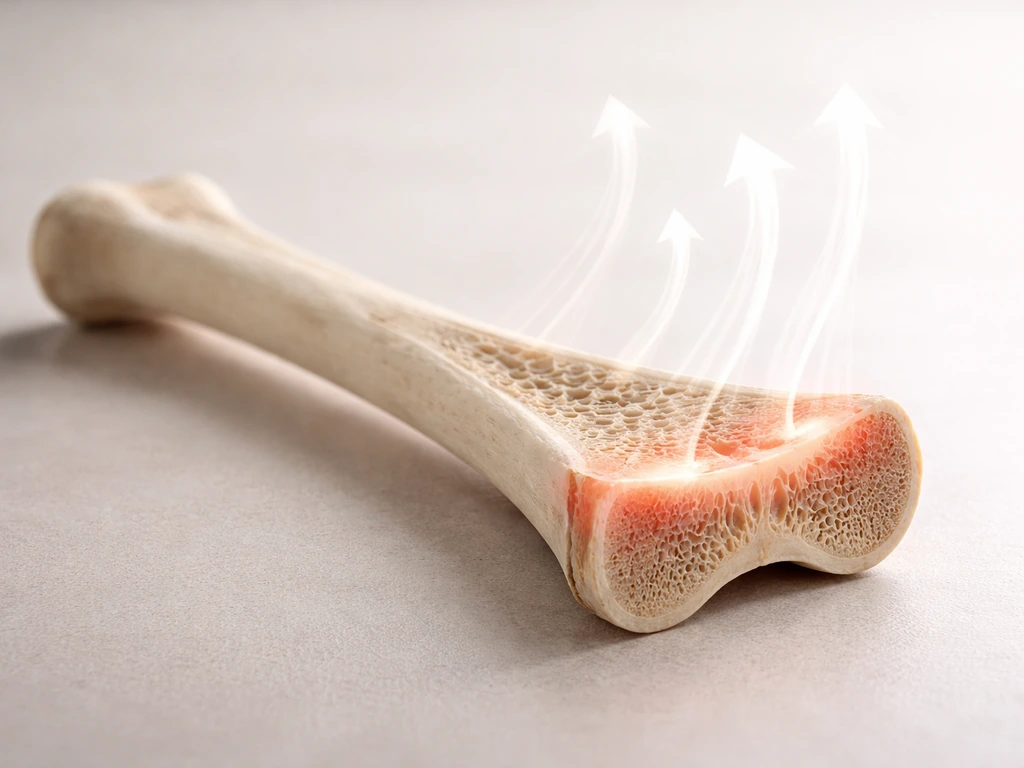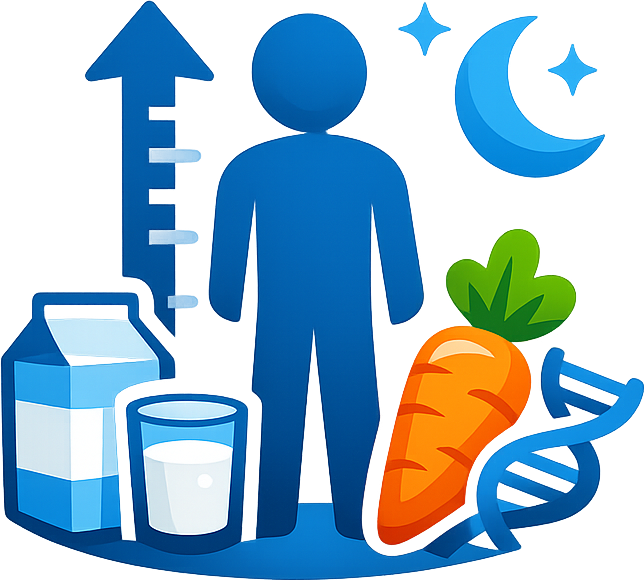
Eating the right foods supports healthy growth by giving your body the raw materials it needs to build bone, produce growth hormones, and hit the genetic height potential you were born with. Nutrition cannot add inches beyond what your DNA allows, but a poor diet absolutely can prevent you from reaching that ceiling. The nutrients that matter most are protein, calcium, vitamin D, zinc, and iron, and timing them across consistent meals matters almost as much as which foods you choose.
Eating Right Foods for Healthy Growth and Height Potential

Marcus Reeves
24 May 2026
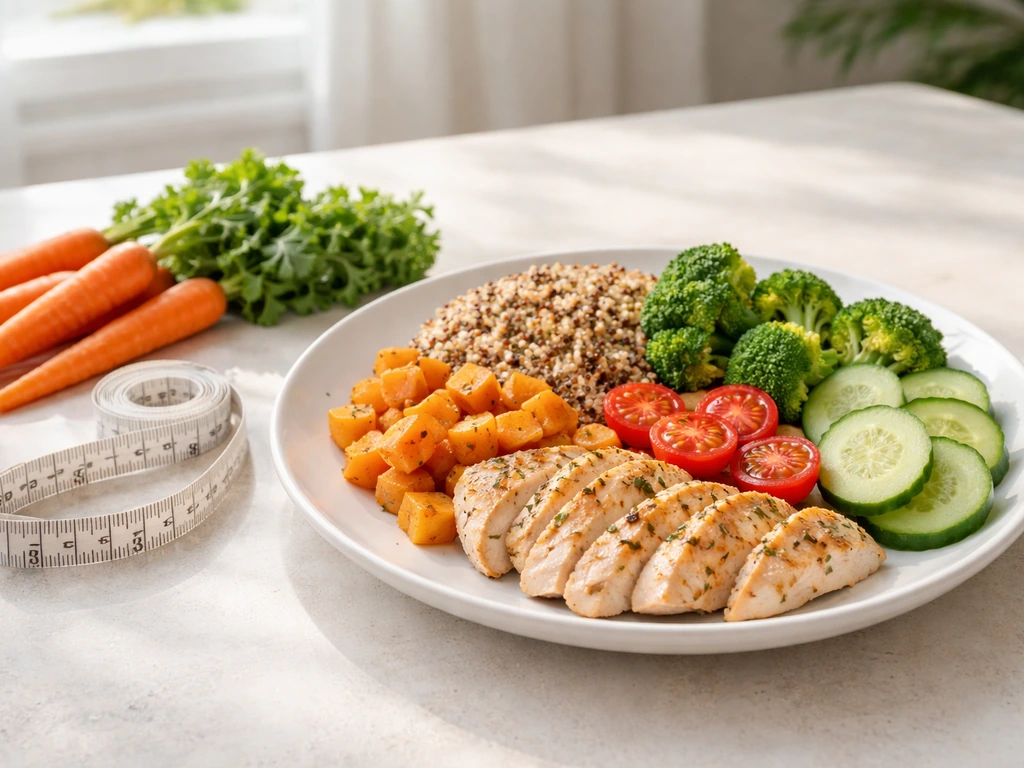
How height growth actually works
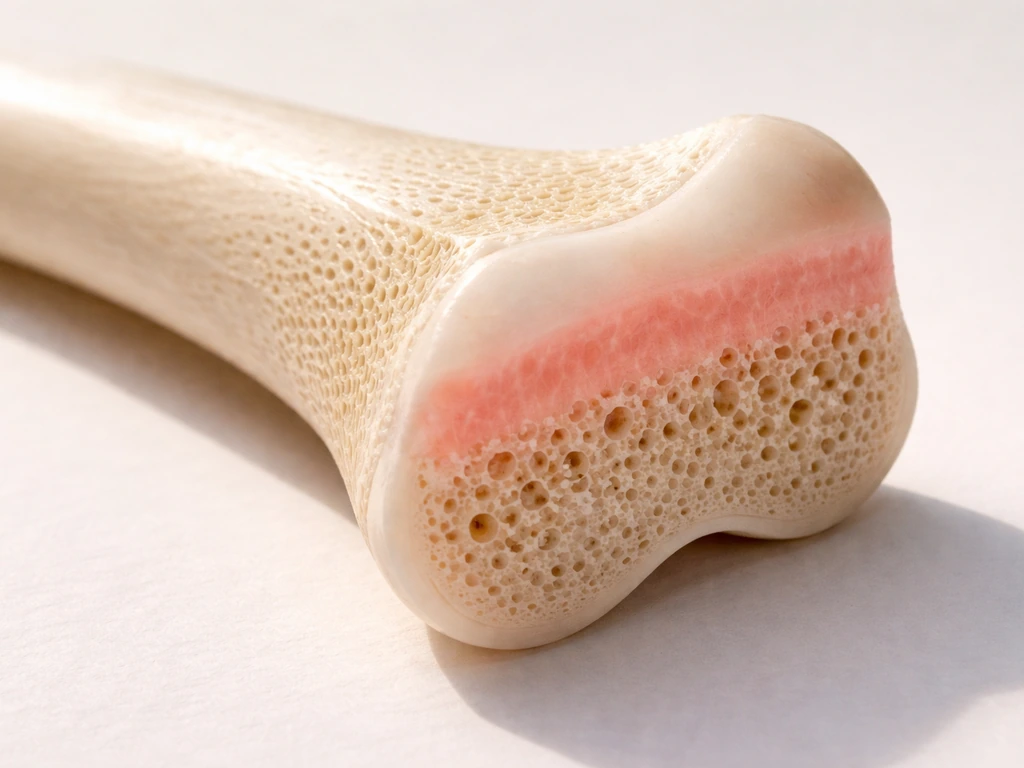
Linear height comes from growth plates, the soft cartilage zones near the ends of your long bones (femur, tibia, humerus). While those plates are open, the body can add length to the skeleton. Childhood drives steady growth, puberty triggers a rapid spurt, and then the plates fuse, permanently closing the window for new bone length. Once fusion is complete, no food, supplement, or exercise regimen changes your skeletal height.
The engine running this process is the growth hormone (GH) and IGF-1 axis. GH is released by the pituitary gland, travels to the liver and growth plate cartilage, and stimulates the production of IGF-1, which directly drives cartilage cell division and bone lengthening. Thyroid hormones, sex steroids (estrogen and testosterone), and other signals also regulate how fast and how long the skeleton grows. Nutrition feeds this entire system. Calorie restriction blunts GH secretion, protein deficiency reduces IGF-1, and micronutrient gaps disrupt the mineralization that makes new bone solid rather than soft.
One more timing point that often surprises people: the AAP notes that roughly 25% of peak bone mass is acquired in the two-year window around peak height velocity, and about 40 to 60 percent of adult bone mass is accumulated during adolescence as a whole. That is a very short, very high-stakes window. What you eat in those years has effects that last for decades, regardless of whether you are still trying to grow taller.
What "eating right" actually means for growth
"Eat healthy" is advice so vague it is almost useless. For growth specifically, eating right means consistently supplying six nutrient categories in adequate amounts. Here is what each one does and roughly how much you need.
Protein
Protein is the structural material for bone matrix and the key driver of IGF-1 production. Without enough of it, the GH-IGF-1 axis underperforms even when everything else is in place. Most children and teen males hit their protein targets reasonably well on a typical diet, but adolescent females ages 14 to 18 are a documented group that often falls short, according to the Dietary Guidelines for Americans. Aim for protein at every main meal, not just dinner. Good sources include eggs, chicken, fish, lean beef, Greek yogurt, cottage cheese, legumes, and tofu.
Calcium

Calcium is the primary mineral deposited into bone during growth. The problem is that nearly half of children and teens are not getting enough: NIH data from NHANES shows 49% of children ages 4 to 18 consume less than the estimated average requirement for calcium from food and supplements combined. Growing kids need between 1,000 and 1,300 mg per day depending on age. Dairy (milk, cheese, yogurt), fortified plant milks, canned salmon with bones, edamame, and leafy greens like bok choy are reliable sources.
Vitamin D
Vitamin D controls how well the gut absorbs calcium. Without it, you can eat all the calcium-rich food you want and still fall short because absorption drops sharply. Children and teens need roughly 400 to 600 IU (10 to 15 mcg) per day from the NIH perspective, though many clinicians recommend higher amounts for those with limited sun exposure. Children who are severely deficient develop rickets, a condition that directly deforms growing bones.
Food sources are limited (fatty fish, egg yolks, fortified milk and cereals), so a basic supplement is often warranted, especially in northern latitudes during winter. The AAP also cautions that there is insufficient evidence to support universal vitamin D deficiency screening in healthy children, and instead recommends focusing screening on children at higher risk for conditions associated with reduced bone mass or recurrent low-impact fractures basic supplement is often warranted.
Zinc
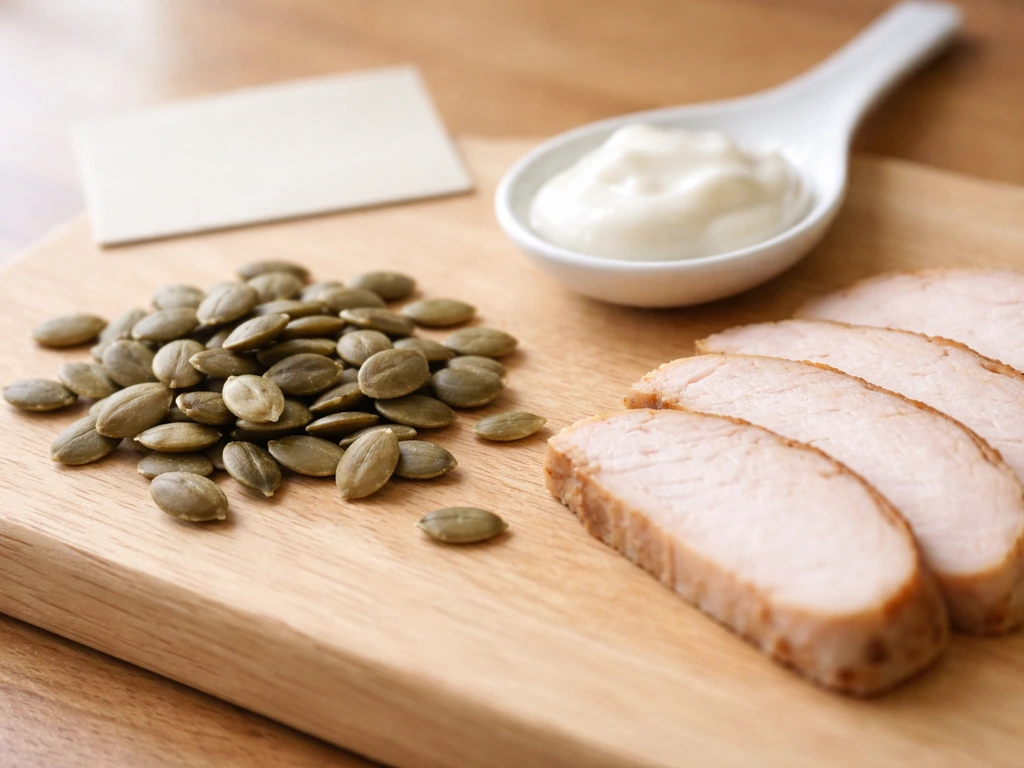
Zinc supports cell division at the growth plate and immune function. The RDA varies by age and sex: children ages 9 to 13 need 8 mg/day, teen males 14 to 18 need 11 mg/day, and teen females 14 to 18 need 9 mg/day. Absorption is reduced by phytates found in whole grains and legumes, so vegans and vegetarians need to account for that by eating zinc-rich whole foods (shellfish, meat, pumpkin seeds, hemp seeds, cashews) and possibly soaking or fermenting grains and legumes to reduce phytate load.
Iron
Iron deficiency is the most common nutrient deficiency globally and it impairs growth by limiting oxygen delivery to tissues and interfering with thyroid hormone metabolism. Children ages 9 to 13 need 8 mg/day; teen girls 14 to 18 need 15 mg/day (higher because of menstrual losses). Good sources include red meat, poultry, fish, lentils, fortified cereals, and spinach. Pairing plant-based iron sources with vitamin C (citrus, bell pepper, tomato) significantly improves absorption.
Vitamins A and K
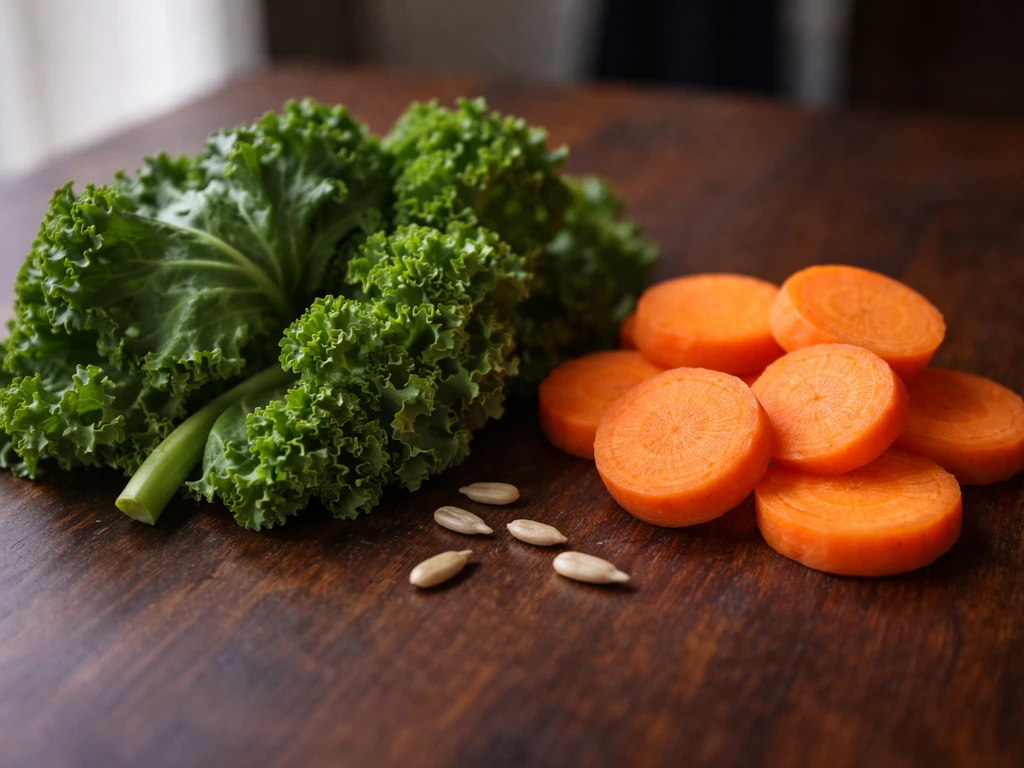
Vitamin A regulates cell growth and differentiation in bone tissue, and vitamin K activates the proteins that bind calcium into bone matrix. Neither gets as much attention as calcium and vitamin D, but both matter. Vitamin A comes from liver, dairy, eggs, and orange/yellow vegetables like sweet potato and carrots. Vitamin K comes from dark leafy greens, broccoli, and fermented foods. A diet with a variety of vegetables and some animal protein generally covers both.
Meal planning basics: calories, protein, and timing
Micronutrients matter, but overall calorie adequacy is the foundation. Growth hormone secretion is blunted during caloric restriction, and the body will prioritize survival functions over bone lengthening when energy is scarce. A growing teenager who is undereating, even unintentionally, is limiting their own growth potential. This does not mean eating everything in sight; it means consistently meeting energy needs with nutrient-dense food rather than skipping meals or relying on empty-calorie foods.
Structure meals around three main meals plus one or two snacks per day. Each meal should contain a protein source, a carbohydrate source (whole grains, starchy vegetables, or fruit), healthy fat, and at least one vegetable or fruit. Protein timing matters more than most people realize: spreading protein across meals rather than loading it all at dinner maximizes IGF-1 stimulus throughout the day. A practical target is roughly 20 to 30 grams of protein per meal for teens, with smaller amounts for younger children.
Do not skip breakfast. Growth hormone peaks overnight during deep sleep, and the breakfast meal provides the protein and micronutrients that support IGF-1 activity in the morning hours. A breakfast that includes eggs, Greek yogurt, fortified milk, or nut butter is far more useful than cereal with no protein. Evening meals should also be reasonably balanced, since another growth hormone pulse happens in the first hours of sleep.
| Meal | Example for a Teen | Key nutrients hit |
|---|---|---|
| Breakfast | 2 eggs + whole grain toast + glass of fortified milk + orange | Protein, calcium, vitamin D, vitamin C, iron |
| Mid-morning snack | Greek yogurt + handful of pumpkin seeds | Protein, calcium, zinc |
| Lunch | Grilled chicken wrap + spinach salad + tomatoes | Protein, iron, vitamin A, vitamin K |
| Afternoon snack | Apple + nut butter | Healthy fat, some protein, magnesium |
| Dinner | Salmon + roasted sweet potato + broccoli | Protein, vitamin D, vitamin A, vitamin K, calcium |
| Optional evening | Glass of milk or fortified plant milk | Calcium, vitamin D |
Stage-by-stage guidance: kids, teens, and adults
Infants and toddlers (0 to 3 years)
This is the fastest growth period of life outside of the womb. Breast milk or formula covers nutritional needs for the first 6 months. After that, WHO guidance is clear: complementary foods should be introduced around 6 months and must provide enough energy, protein, and micronutrients. Delayed or inadequate complementary feeding is one of the most common causes of early growth faltering. Iron-rich foods (pureed meat, iron-fortified cereals) and vitamin D drops (400 IU/day for breastfed infants) are the priorities most often missed.
Children ages 4 to 12
Growth is steady but less dramatic than infancy or puberty. Calcium needs step up significantly starting at age 9 (to 1,300 mg/day), which coincides with the pre-pubertal window where bone density is being accumulated ahead of the pubertal growth spurt. Parents often underestimate how much calcium a child this age actually needs. Three servings of dairy (or equivalent) per day covers it for most kids. Variety and consistency matter more at this stage than any single superfood.
Teenagers during the growth spurt
This is the highest-stakes nutritional window for height. Girls typically enter their growth spurt between ages 10 and 13; boys between 12 and 15. Calorie and protein needs jump sharply. Teen boys in peak puberty may need 3,000 calories or more per day depending on activity level. Teen girls often need 2,200 to 2,500 calories. The mistake most teens make is eating plenty of total calories from ultra-processed foods but running deficits in protein, calcium, iron, and zinc, all the nutrients that translate those calories into actual bone growth.
This is also the stage most relevant to the questions people ask about what foods make you grow faster or what helps your body grow, because the growth plates are still open and nutrition directly influences how much of that genetic height potential gets realized. Foods and nutrition only help you grow as fast as your growth plates allow, but they can affect how fully you realize your genetic height potential during your spurt what helps your body grow. If you want to know what foods make you grow faster, focus on meeting protein, calcium, vitamin D, zinc, and iron needs consistently. What helps you grow faster is mainly about covering key nutrients and getting enough calories during the window when growth plates are still open what foods make you grow faster.
Adults (growth plates fused)
Once growth plates close, typically by the late teens for girls and early to mid-twenties for males in rare cases, dietary choices cannot change skeletal height. Protein, calcium, vitamin D, zinc, and iron are the key nutrients linked with healthy growth and reaching your genetic height potential dietary choices cannot change skeletal height. That is a hard biological fact.
What nutrition can do for adults is protect bone density, maintain posture (a hunched spine from osteoporosis literally reduces standing height by inches over decades), and support overall health. Calcium (1,000 mg/day for adults under 50), vitamin D (600 IU/day), and adequate protein remain important for bone maintenance. Adults who are curious about height-related factors will find that posture, sleep, and body composition have more practical relevance than diet at this stage.
Common mistakes and myths worth busting

- Myth: A specific food (milk, spinach, ashwagandha) will make you taller. No single food triggers height growth. Growth depends on overall diet quality across months and years, not any one item.
- Myth: Supplements can add height in adults. Once growth plates are fused, no supplement changes bone length. Products marketed for adult height gain are not supported by credible evidence.
- Myth: Eating less keeps you lean and helps you grow better. Caloric restriction suppresses GH secretion. Undereating during childhood and adolescence is one of the clearest ways to limit height potential.
- Myth: Protein supplements are necessary for growth. Whole food protein works just as well and comes with additional micronutrients. Protein powders are only useful if someone genuinely cannot meet needs through food.
- Myth: You can compensate for years of poor nutrition with a sudden diet change in your late teens. Earlier is better. Nutrition in early and mid-puberty has the greatest effect on final height; late-stage corrections help but cannot fully reverse earlier deficits.
- Myth: Only height matters. Bone density, immune function, and metabolic health are all shaped by childhood nutrition. A growth-supporting diet pays dividends far beyond how tall you end up.
Your practical next steps
Rather than overhauling everything at once, use this checklist to identify the gaps and close them one at a time. The most impactful changes are usually the simplest ones done consistently.
- Add protein to every meal. If breakfast has no protein source right now, fix that first. Eggs, yogurt, milk, nut butter, or leftovers from dinner all work.
- Check calcium intake. Track for two or three days using a free app like Cronometer. If you or your child is not averaging 1,000 to 1,300 mg/day, add a serving of dairy or fortified milk at each meal.
- Consider a basic vitamin D supplement (400 to 1,000 IU/day) if sun exposure is limited, especially in winter or for children who spend most of the day indoors.
- Swap at least one processed snack per day for a whole food option that delivers zinc or iron (seeds, nuts, legumes, lean meat).
- Eat breakfast within an hour of waking. Do not skip it during the growth years.
- Plot height on a CDC growth chart every 6 months for children. Consistent tracking across percentiles is more informative than a single measurement.
- Watch for red flags: falling off a growth percentile, fatigue, brittle nails, poor wound healing, or signs of restricted eating. These are not normal and warrant a conversation with a clinician.
When to talk to a doctor or dietitian
See a pediatrician or pediatric endocrinologist if a child's height is consistently below the 5th percentile for age, if growth velocity has slowed noticeably over a 6 to 12 month period, or if bone age X-rays suggest growth is running significantly behind chronological age. If you want to focus on what helps you grow faster, start with consistent nutrition, enough calories, and adequate protein for your age and stage. The Endocrine Society recommends evaluating short stature to distinguish treatable conditions (growth hormone deficiency, thyroid dysfunction, celiac disease) from normal variation.
StatPearls (NCBI Bookshelf) notes that evaluating short stature uses height trends and additional indicators such as growth velocity and bone age, and it describes example clinical thresholds where low growth velocity prompts further evaluation [evaluating short stature to distinguish treatable conditions](https://www. ncbi. nlm. nih.
gov/books/NBK556031/). A registered dietitian is the right professional if the concern is primarily nutritional: inadequate intake, picky eating, a suspected eating disorder, or a vegetarian or vegan diet during adolescence that may be running micronutrient deficits. The USPSTF recommends eating disorder screening for adolescents because restricted intake is a direct risk factor for growth impairment. Early intervention matters far more than late correction.
FAQ
If I hit my protein target, can I ignore the other nutrients and still grow to my potential?
Not fully. Protein supports IGF-1 signaling, but calcium, vitamin D, zinc, and iron each handle different bottlenecks (bone mineralization, calcium absorption, growth-plate cell division, and oxygen delivery). If any one of these is consistently low, growth can stall even when protein is adequate.
Does taking a calcium or vitamin D supplement “make up” for a low-protein diet?
Supplements cannot replace protein when the growth plate needs building material and the IGF-1 pathway needs amino acids to function. If you are under-eating protein, focus on distributing protein at meals first, then add calcium and vitamin D to close mineral and absorption gaps.
What if my child does not eat dairy, will they still meet calcium needs?
Yes, but you need deliberate substitutions. Use fortified plant milks, yogurt-style alternatives with added calcium, canned salmon with bones, edamame, and calcium-rich leafy greens. Also pay attention to vitamin D status, since low vitamin D can reduce how much calcium is actually absorbed.
How much vitamin D is “enough” if we get some sun?
Sun exposure varies a lot by latitude, skin tone, season, and sunscreen use, so intake needs can still be higher even with outdoor time. A practical next step is to ask your clinician about checking a 25-hydroxy vitamin D level if deficiency risk is high, then follow a tailored dose rather than guessing.
Is it better to eat the most calories at night to support growth?
Calorie adequacy matters more than the exact time, but protein distribution does matter across the day. Aim for balanced meals including protein at breakfast and lunch, then top up with a nutrient-dense dinner and snack if appetite or activity levels require it.
Can “growth-boosting” foods like smoothies or juice help if they replace real meals?
They can help only when they contribute real nutrients and calories, not when they displace better options. Many smoothies and juices add sugar but lack protein and minerals like calcium and zinc, which are the nutrients that translate intake into bone growth.
Do vegan or vegetarian teens need different strategies for zinc and iron?
Often, yes. Zinc absorption can be reduced by phytates, so include zinc-rich foods like pumpkin seeds, hemp seeds, beans/legumes prepared by soaking or sprouting, and consider pairing with vitamin C sources. For iron, include vitamin C at the same meal and discuss with a clinician whether labs or supplementation are needed if intake is limited.
How can I tell if my teen is undereating without obsessing over the scale?
Watch growth signals and habits, not just weight. Signs include dropping growth velocity, frequent skipping of meals, constant fatigue, or restrictive eating patterns. If you suspect restriction, prioritize a consistent eating schedule with protein-containing meals and consider screening for an eating disorder if behaviors suggest it.
What are common “calcium traps” that lead to low intake in kids?
Two common issues are choosing calcium-free alternatives (such as some drinks labeled “nondairy” without added calcium) and relying on occasional dairy instead of daily servings. Another trap is assuming breakfast cereal provides meaningful calcium when fortification varies widely.
If growth plates are open, will exercise directly increase height?
Exercise supports overall health, muscle, and posture, which can help you look taller, but it does not reopen fused growth plates. For height potential, nutrition and adequate energy intake are the key drivers while exercise mainly complements by improving bone strength and maintaining healthy body composition.
When should a family stop focusing on diet and get medical evaluation for short stature?
If height is consistently far below expected range or growth velocity slows over 6 to 12 months, evaluation is important. A pediatric endocrinologist may use measurements, growth records, and sometimes bone age to distinguish treatable hormonal or nutritional problems from normal variation.
Can adults increase height by improving diet and taking supplements?
If growth plates are closed, skeletal length will not increase. Adult diet can still protect bone density and reduce long-term height loss from spinal changes, so calcium, vitamin D, protein, and overall calorie sufficiency matter for bone health even though they will not add inches.
Next Article
What Makes You Grow Faster: Evidence and Practical Steps
Boost growth velocity with proven nutrition, sleep, exercise, and health fixes, plus safe steps and timelines.