No single food makes you grow taller. That's the honest answer, and it's worth saying upfront before getting into anything else. What food actually does is supply the raw materials your body needs to reach the height your genetics allow. Get those materials consistently, and you give your growth its best shot. Fall short on key nutrients during the years when growth plates are open, and you may leave real height potential on the table. So the question isn't which magic food to eat, it's which nutrients are most likely to be the bottleneck in your diet, and which foods deliver them most efficiently. If you want to grow faster in a realistic way, focus on correcting those nutrient bottlenecks first with consistent, evidence-based choices nutrients are most likely to be the bottleneck. If you want to know what foods make you grow faster in practice, start by tracking which growth-supporting nutrients are most likely the bottleneck in your diet.
What Food Makes You Grow Most: Best Nutrients for Height

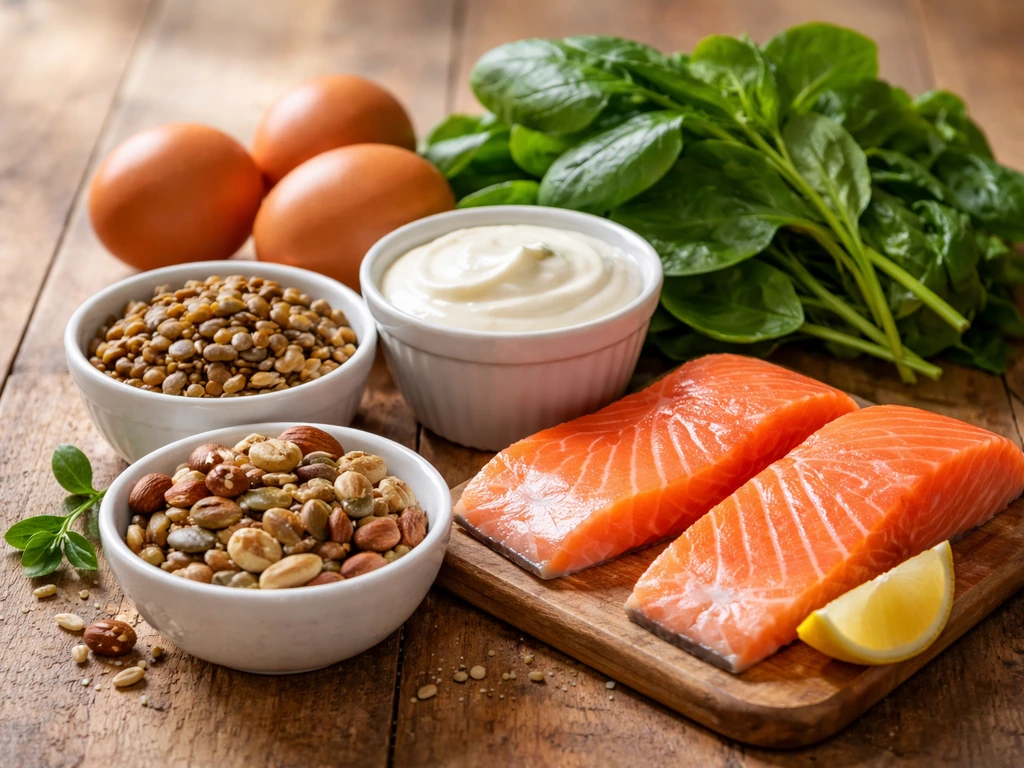
How height growth actually works (and why food isn't magic)
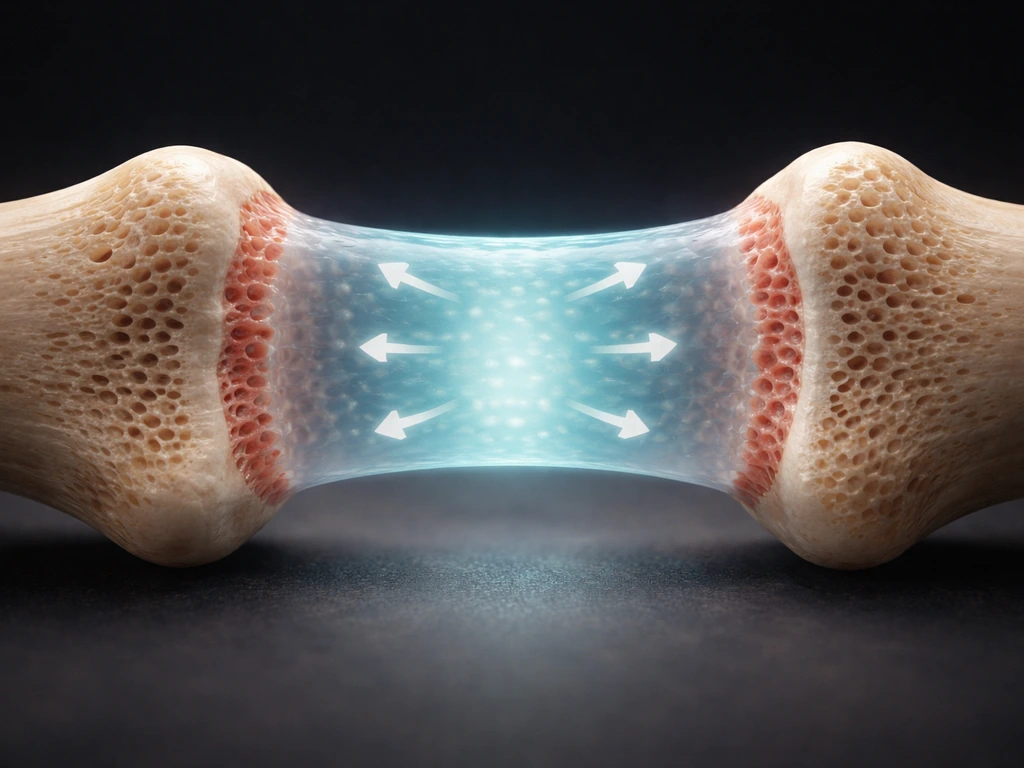
Height is determined by the growth plates, also called epiphyseal plates, located near the ends of your long bones. These are zones of actively dividing cartilage cells that gradually get replaced by bone, pushing the bone longer over time. They stay open and active throughout childhood and into adolescence, typically closing sometime in the mid-to-late teens for girls and the late teens to early twenties for boys. Once they fuse, linear bone growth stops, full stop. No food, supplement, or stretch routine changes that. Estrogen is one of the hormones that accelerates plate closure, which is partly why girls typically finish growing earlier than boys.
Growth hormone (GH), insulin-like growth factor 1 (IGF-1), thyroid hormones, and sex hormones all play coordinating roles in how fast and how much you grow. Nutrition plugs into this system by keeping those hormonal signals functional and by providing the literal building blocks, protein for new tissue, calcium and phosphorus for bone mineralization, and micronutrients that keep cell division and bone metabolism running. When the nutritional supply is adequate, biology takes over. When it isn't, even a child with excellent genetic height potential can fall short.
For adults whose plates have closed, better nutrition supports bone density and overall health, but it will not add meaningful height. If you're an adult reading this, that context matters and is worth keeping in mind as you go through the rest of this article.
The nutrient bottlenecks that matter most for height
Not every nutrient gap slows height the same way. A systematic review looking at nutritional interventions beyond the first two years of life found that zinc, vitamin A, protein, and multiple-micronutrient combinations showed measurable positive effects on linear growth. Iron and calcium interventions, interestingly, did not show consistent improvements in that analysis, though calcium is still essential for bone density and structural integrity. The takeaway isn't that calcium doesn't matter; it's that in populations already getting enough calcium, adding more didn't push kids taller. The real leverage comes from fixing actual deficiencies.
Here are the nutrients worth targeting specifically for growth, along with why each one matters:
- Protein and essential amino acids: the structural material for bone matrix, muscle, and growth-plate cartilage. Protein recommendations for growing children sit around 0.95 g per kg of body weight per day for ages 4 to 13, dropping slightly to about 0.85 g per kg for ages 14 to 18. A 50 kg (110 lb) teenager, for example, needs roughly 42 to 48 grams of protein daily at minimum, and active teens often need more.
- Zinc: deficiency is directly linked to impaired growth in children. Zinc supports cell division in the growth plates and is involved in IGF-1 signaling. It's one of the nutrients with the clearest evidence for growth impact when intake is inadequate.
- Vitamin A: involved in bone remodeling and cell differentiation in growth tissue. Studies show it's one of the micronutrients with a measurable effect on linear growth when corrected.
- Calcium: essential for bone mineralization and building peak bone mass during childhood and adolescence. Children ages 9 to 18 need 1,300 mg per day. Many kids and teens fall short of this target.
- Vitamin D: required for calcium absorption. Without enough vitamin D, even good calcium intake won't be used effectively. Deficiency is common in groups with limited sun exposure, darker skin pigmentation, and in breastfed infants who aren't supplemented.
- Vitamin K: supports bone protein function (specifically osteocalcin). Average daily intake in children ages 2 to 19 is around 66 mcg according to NHANES data, which is generally adequate from food, but leafy greens remain an important source.
- Magnesium: cofactor in bone formation and vitamin D metabolism. Often overlooked but important for overall bone health.
- Overall calorie adequacy: chronic undereating suppresses growth hormone output and starves every process above. This is especially relevant for teen athletes and kids in restrictive eating patterns.
The best foods to prioritize for growth-supporting nutrients
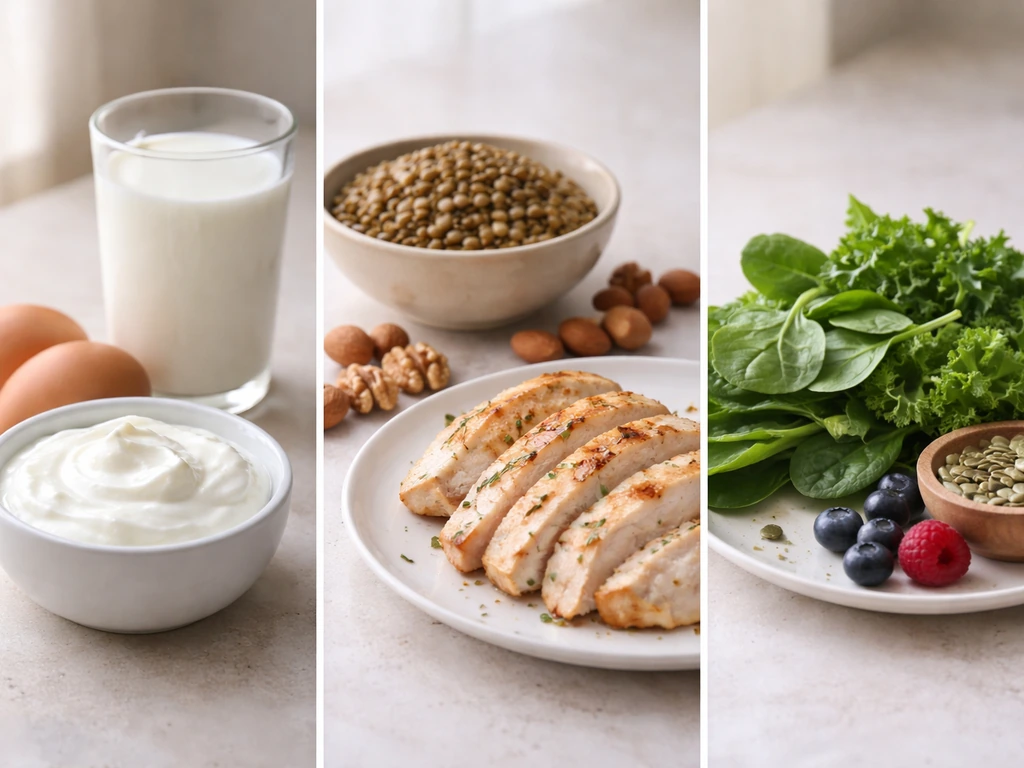
Rather than hunting for a single 'best' food, think in terms of which foods pack the most growth-relevant nutrients per serving. Below is a breakdown by category. Note that this covers both omnivore and plant-based options, since the nutrient targets are the same regardless of diet pattern.
| Food | Key Growth Nutrients | Notes |
|---|---|---|
| Eggs | Protein, vitamin D, vitamin A, zinc | One of the most nutrient-dense single foods; yolk provides most micronutrients |
| Dairy (milk, yogurt, cheese) | Calcium, protein, vitamin D (fortified), vitamin K2 | Convenient calcium source; 1 cup of milk provides ~300 mg calcium |
| Fatty fish (salmon, sardines) | Protein, vitamin D, omega-3s, zinc | Among the few natural food sources of substantial vitamin D |
| Lean meat and poultry | Protein, zinc, iron, vitamin A (liver especially) | Chicken liver is exceptionally high in vitamin A and zinc |
| Legumes (lentils, chickpeas, black beans) | Protein, zinc, iron, magnesium | Pair with vitamin C source to improve iron absorption; good plant zinc source |
| Tofu and tempeh | Protein, calcium (calcium-set tofu), magnesium | Calcium-set tofu can rival dairy for calcium content per serving |
| Fortified plant milks (soy, oat, almond) | Calcium, vitamin D, sometimes B12 | Check labels; fortification levels vary by brand |
| Leafy greens (kale, spinach, bok choy) | Calcium, vitamin K, magnesium, vitamin A (as beta-carotene) | Cooked spinach concentrates nutrients; oxalates in spinach reduce calcium absorption slightly |
| Nuts and seeds (pumpkin seeds, almonds, chia) | Zinc, magnesium, protein, calcium | Pumpkin seeds are particularly high in zinc |
| Sweet potato and orange/yellow vegetables | Vitamin A (beta-carotene), magnesium | Fat improves beta-carotene absorption |
| Whole grains (oats, brown rice, quinoa) | Magnesium, zinc, some protein, calories | Quinoa is a complete protein; soaking/sprouting reduces phytates that limit zinc absorption |
| Fortified cereals | Multiple micronutrients including iron, zinc, vitamin D | Can fill gaps but check sugar content; not a substitute for whole foods |
A quick word on dairy versus non-dairy: dairy is convenient and well-absorbed for calcium, but it's not irreplaceable. Calcium-set tofu, fortified soy milk, canned sardines with bones, and cooked leafy greens all contribute meaningfully. The key is consistency across the day, not any single source.
Meal and snack ideas that hit the targets
Hitting nutrient targets for growth doesn't require complicated meal planning. The goal is to anchor each meal around a protein source and layer in calcium, vegetables, and some healthy fat. Here's what a practical day could look like for a growing teenager, with vegetarian and vegan swaps included.
Sample day for omnivores
- Breakfast: 2 scrambled eggs with sautéed spinach, 1 cup fortified milk or orange juice, and a slice of whole-grain toast with nut butter. Hits protein, vitamin D, calcium, and vitamin A.
- Lunch: Grilled chicken or canned salmon sandwich on whole-grain bread with leafy greens, plus a small container of plain yogurt. Good zinc, protein, calcium, and vitamin K.
- Snack: A small handful of pumpkin seeds and an orange or bell pepper (vitamin C boosts zinc absorption from plant sources nearby in the meal).
- Dinner: Stir-fried beef or tofu with bok choy and broccoli over brown rice, seasoned with garlic and a drizzle of sesame oil. Calcium, zinc, magnesium, vitamin K, protein.
- Evening snack: A cup of milk or fortified soy milk with a small handful of almonds. Tops up calcium and magnesium before sleep, when growth hormone peaks.
Sample day for vegetarians and vegans
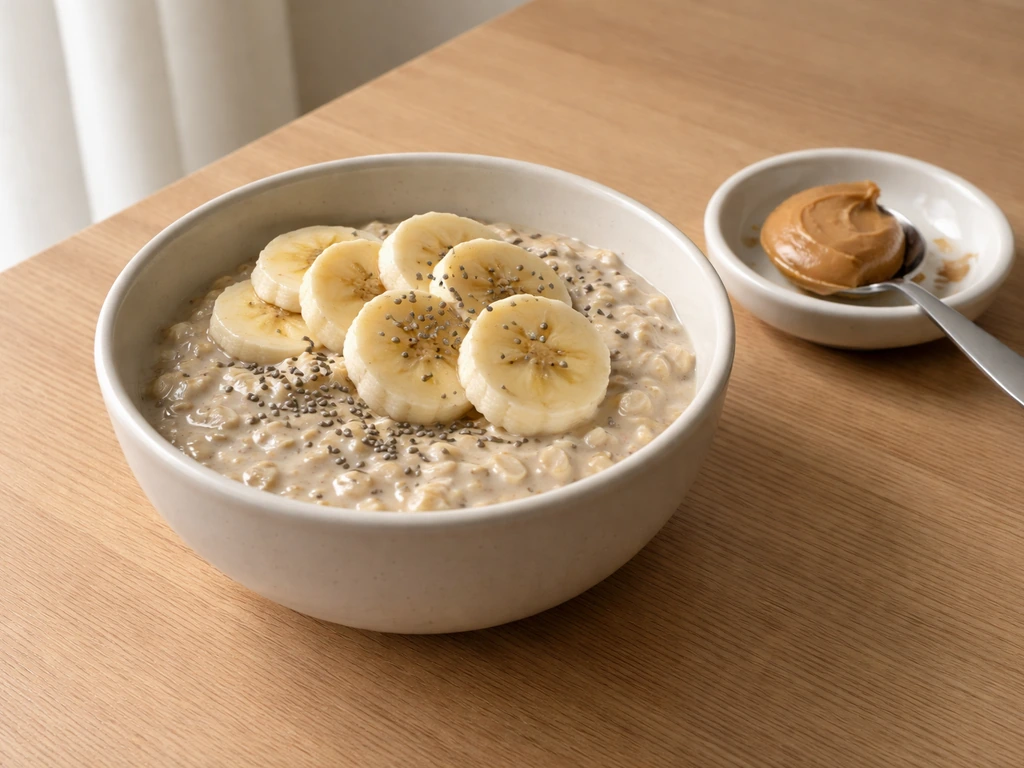
- Breakfast: Overnight oats made with fortified soy milk, chia seeds, and sliced banana. Stir in a tablespoon of almond butter. Protein, calcium, magnesium, zinc.
- Lunch: Lentil soup with kale and a side of calcium-set tofu. Serve with a squeeze of lemon for vitamin C to boost iron absorption. Strong zinc, calcium, and protein hit.
- Snack: Edamame (frozen, microwaved) with a sprinkle of sea salt. Surprisingly high in protein and zinc for a plant food.
- Dinner: Tempeh stir-fry with bok choy, bell peppers, and sweet potato over quinoa. Covers vitamin A, protein, calcium, magnesium, and zinc.
- Evening snack: Fortified oat milk or soy milk with a tablespoon of tahini stirred in. Tahini is a solid calcium source often overlooked in vegan diets.
For vegans especially, vitamin D and vitamin B12 are harder to get from food alone. A daily supplement of at least 600 to 1,000 IU of vitamin D3 (or D2 for strict vegans) is often practical, particularly in winter months or for children who spend limited time outdoors. Always check with a clinician before starting supplementation for children.
What to avoid and common mistakes that undercut growth
One of the most damaging things for growth potential isn't eating the wrong food, it's not eating enough overall. Eating right food can help you grow healthy by covering the key nutrients your growth plates need. Chronic calorie restriction suppresses growth hormone output and strips the body of protein and micronutrients it would otherwise direct toward bone and tissue growth. This is especially common in teen athletes doing endurance sports, dancers, and adolescents who've quietly developed restrictive eating habits. If a teenager is training hard and not growing at the expected rate, calorie intake is the first thing worth examining.
Low protein is the second most common mistake. Many teen diets are carbohydrate-heavy and protein-light, particularly in households where meat is expensive or deprioritized. It doesn't have to be animal protein, but hitting the roughly 0.85 to 0.95 g per kg per day target consistently matters. Skipping breakfast or eating a carbohydrate-only breakfast is an easy way to fall behind on daily protein without realizing it.
Calcium gaps are also more common than people think. NIH data consistently shows that many children and adolescents in the U.S. don't meet calcium recommendations. Replacing milk with sweetened beverages, juice, or even plain water without adding other calcium sources is a simple way this happens. Calcium isn't shown to push kids taller beyond normal, but inadequate calcium during bone-building years affects bone density and structural integrity for life.
On the myth side: there are no foods or supplements that add height quickly or 'instantly.' Any product, supplement, or article claiming otherwise is not grounded in physiology. Growth plates respond to sustained nutritional adequacy over months and years, not days. And for adults with closed plates, no nutritional intervention adds linear height. Compression from poor posture and spinal disc dehydration can reduce measured height by a centimeter or two, and addressing those factors can recover that, but that's not the same as actual bone growth.
A note on over-supplementing: tolerable upper intake levels exist for calcium, zinc, and iron for good reason. Excessive zinc supplementation, for example, can interfere with copper absorption. Too much supplemental iron in children carries safety risks. More is not better with minerals; food-first is the right approach, with targeted supplementation only when labs confirm a deficiency.
Age-specific expectations: what's realistic at different life stages
Children (ages 2 to 12)
This is the highest-leverage window after infancy. Growth plates are wide open, growth hormone output is high, and the body is extremely responsive to nutritional inputs. Zinc deficiency, vitamin A deficiency, and protein inadequacy all have measurable negative effects on height during this period, and correcting them has measurable positive effects. WHO guidance notes that severe zinc deficiency is linked with impaired growth, including stunting, which is why zinc matters for child growth discussions. Focus on variety, adequate calories, and consistent protein across the day. Picky eating is common and can create real micronutrient gaps, particularly in zinc and iron, so it's worth being thoughtful about preferred protein and zinc sources even within a limited palate.
Adolescents (ages 12 to 18, roughly)
The pubertal growth spurt is the last major window for adding height. Nutritional demands spike during this period, especially for protein, calcium, zinc, and calories overall. Active teenagers can easily need 2,500 to 3,500 or more calories per day depending on their activity level, and undershooting that blunts the spurt. Calcium needs are at their lifetime high (1,300 mg per day for ages 9 to 18), and bone mineralization during adolescence determines bone density for life. Once growth plates begin to fuse, the window narrows quickly, which is why consistent nutrition matters more than trying to 'catch up' later.
Adults (18 and older)
For most adults, growth plates have fused and linear height gain from nutrition is not realistic. That's not a pessimistic answer, it's just physiology. What good nutrition does for adults is maintain bone density, reduce fracture risk, and support overall musculoskeletal health. Getting adequate calcium, vitamin D, magnesium, and protein as an adult is still important, it just serves a different function. If you're an adult wondering about broader factors that influence growth and body development, the roles of sleep, exercise, and overall health habits are worth exploring alongside nutrition.
How to tell if you or your child might need more help
Most kids following a varied, calorie-adequate diet will grow along their genetic trajectory without any special intervention. But there are situations where a closer look is warranted. Signs worth paying attention to include:
- A child or teen who is consistently falling below their own growth curve on a pediatric growth chart, not just short, but actively slowing relative to their previous rate
- A teenager who hasn't started puberty by age 14 (girls) or 15 (boys)
- Unexplained fatigue, frequent illness, poor wound healing, or skin/hair changes alongside slow growth (these can signal zinc, iron, or vitamin A deficiency)
- A very restricted diet (selective eating, elimination diet without professional guidance, or disordered eating patterns)
- Known malabsorption conditions like celiac disease, inflammatory bowel disease, or a history of frequent gut illness
- Family history of very short stature combined with growth that seems unusually slow
If any of these apply, the right next step is a conversation with a pediatrician or family doctor, not more supplements. Lab work can screen for anemia, celiac disease, thyroid issues, and zinc or vitamin D status. The Endocrine Society and Pediatric Endocrine Society have clear clinical guidance for evaluating children with growth concerns, and an endocrinologist referral is appropriate if common causes have been ruled out and growth is still significantly lagging. Growth hormone deficiency, hypothyroidism, and other medical conditions can mimic nutritional problems, and they require medical management, not dietary tweaks.
For parents and teenagers who just want practical next steps today: start with an honest look at protein and calorie intake, add a reliable calcium and vitamin D source if dairy is limited or inconsistent, and make sure zinc is covered through regular servings of meat, seafood, eggs, legumes, or seeds. These are the highest-impact changes that are supported by the evidence. The other factors in the picture, sleep quality, physical activity, and managing chronic stress, interact with nutrition to influence how well the body uses what you feed it. Getting the food right is the foundation, but it works best alongside everything else. To grow faster, pair good nutrition with enough sleep, regular physical activity, and stress management. If you want your body to make the most of nutrition, prioritize getting enough sleep, moving regularly, and managing stress. To grow faster, focus on good nutrition alongside enough sleep, regular physical activity, and stress management.
FAQ
Can a single “growth food” make you grow taller faster?
No. The body needs several nutrients at once over months, because growth plates respond to overall adequacy, not one standout item. If you want the biggest practical impact, choose meals that reliably hit protein plus calcium (or a calcium-equivalent) and also cover zinc and vitamin A.
If my child is eating well, how can I tell whether nutrition is the limiting factor?
Look for consistent under-eating or specific gaps rather than general “healthy” food choices. Common clues are low protein at breakfast, very low dairy or fortified alternatives, picky eating that narrows zinc sources, or fatigue and poor weight gain. If height gain is significantly off, lab work for anemia, vitamin D status, thyroid issues, and celiac screening can identify non-diet causes.
What if my child is lactose intolerant or avoids dairy?
You can still meet calcium and vitamin D goals without milk. Use calcium-set tofu, fortified soy milk, canned sardines with bones, and cooked leafy greens, then keep vitamin D in mind (often harder from food alone). If you use supplements, discuss dosing with a clinician, especially for kids.
Do iron or calcium supplements help height if a child already gets enough calcium?
More is not always better. Calcium is essential for bone integrity, but adding extra often does not increase height when calcium intake is already adequate. Iron is similar, height benefits tend to appear when iron deficiency (or anemia) is actually present.
How much protein is “enough” for growth, and what’s the easiest way to reach it?
A practical target is about 0.85 to 0.95 g per kg per day, spread across the day. The easiest mistake to fix is protein distribution, for example adding a yogurt or eggs portion at breakfast or pairing legumes with grains at lunch and dinner rather than relying only on dinner.
Can too much of a nutrient like zinc, iron, or calcium hurt growth?
Yes. Minerals can interfere with each other, for example excessive zinc can reduce copper absorption, and extra supplemental iron can be risky for children if not needed. Food-first is usually safer, and supplements should be considered mainly when labs or a clinician confirm a deficiency.
Does skipping meals stunt growth even if the child eats “healthy” foods later?
It can. Chronic calorie restriction lowers growth hormone output and increases the odds of missing protein and micronutrients, even if the later meals are nutritious. If your child misses breakfast or regularly eats very little during the day, the pattern matters as much as the food quality.
At what age should parents be most focused on diet for height?
The highest responsiveness is during childhood when growth plates are open, and the pubertal growth spurt is the last big window. During adolescence, nutritional demands rise sharply, so shortfalls in calories, calcium, protein, and zinc can noticeably blunt the growth spurt.
If growth plates are closed, can nutrition still change how tall someone measures?
Nutrition will not create new linear bone growth after plate fusion. However, adults can sometimes see small changes in measured height from factors like posture and spinal disc hydration. Maintaining bone density with adequate protein and calcium plus vitamin D still matters for musculoskeletal health.
Could a vitamin deficiency be the reason a teen is not growing as expected?
Possibly, especially with zinc, vitamin A, or protein inadequacy, and vitamin D is often relevant for bone health. But not all “growth problems” are nutritional, thyroid disorders, anemia, celiac disease, and growth hormone deficiency can mimic diet-related issues. If growth is clearly lagging, medical evaluation is the correct next step.
What Helps You Grow Taller Faster: Sleep, Nutrition, Activity
Learn what helps you grow taller faster with sleep, nutrition, activity, realistic timing, and when to see a doctor.