
The factors that make you grow faster are nutrition, sleep, and overall health during the years your growth plates are still open. Get enough calories and protein, prioritize deep sleep, stay healthy, and avoid chronic stress. That combination gives your body the raw materials and hormonal environment it needs to grow at its fastest natural rate.
What Makes You Grow Faster: Evidence and Practical Steps

Marcus Reeves
11 May 2026
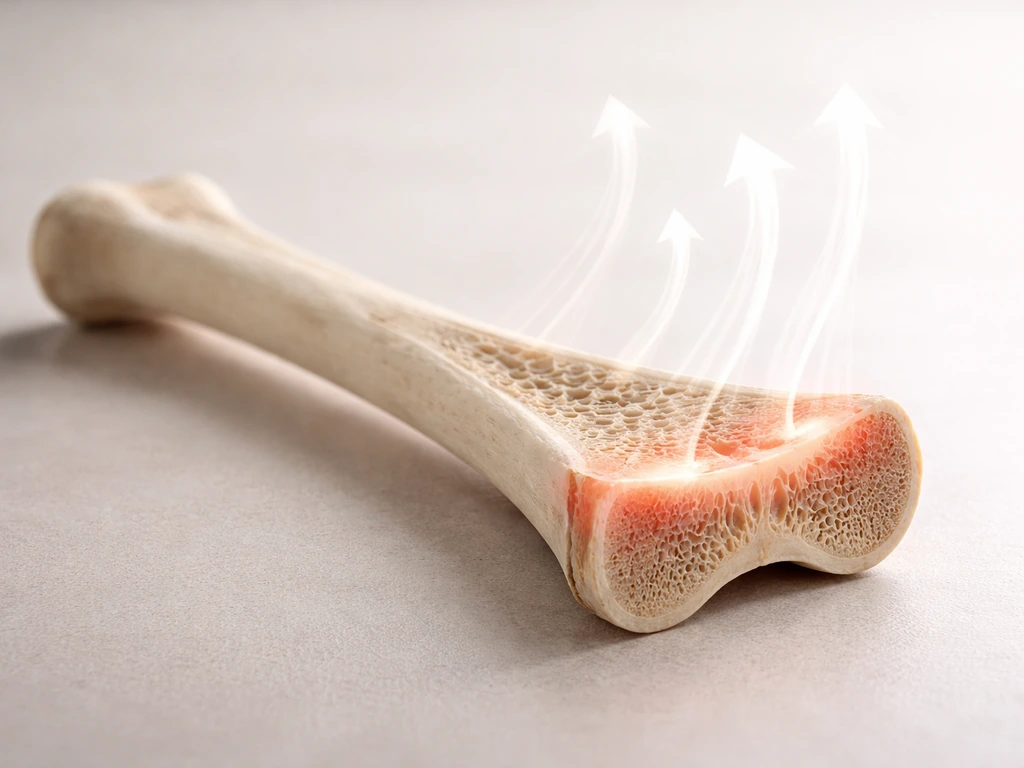
A review of endocrine regulation of the growth plate describes that longitudinal bone growth is governed by [endocrine signals including growth hormone/IGF-1, thyroid hormone, glucocorticoids, sex steroids (estrogen/androgen), vitamin D, leptin, and others](https://pubmed. ncbi. nlm. nih.
gov/16205094/). Genetics sets the ceiling, but most people never fully reach it because they shortchange one or more of these basics. If you are looking for what helps you grow faster, focus on nailing these basics early so you reach your fastest natural rate grow at your fastest natural rate.
How growth rate and 'taller faster' actually work
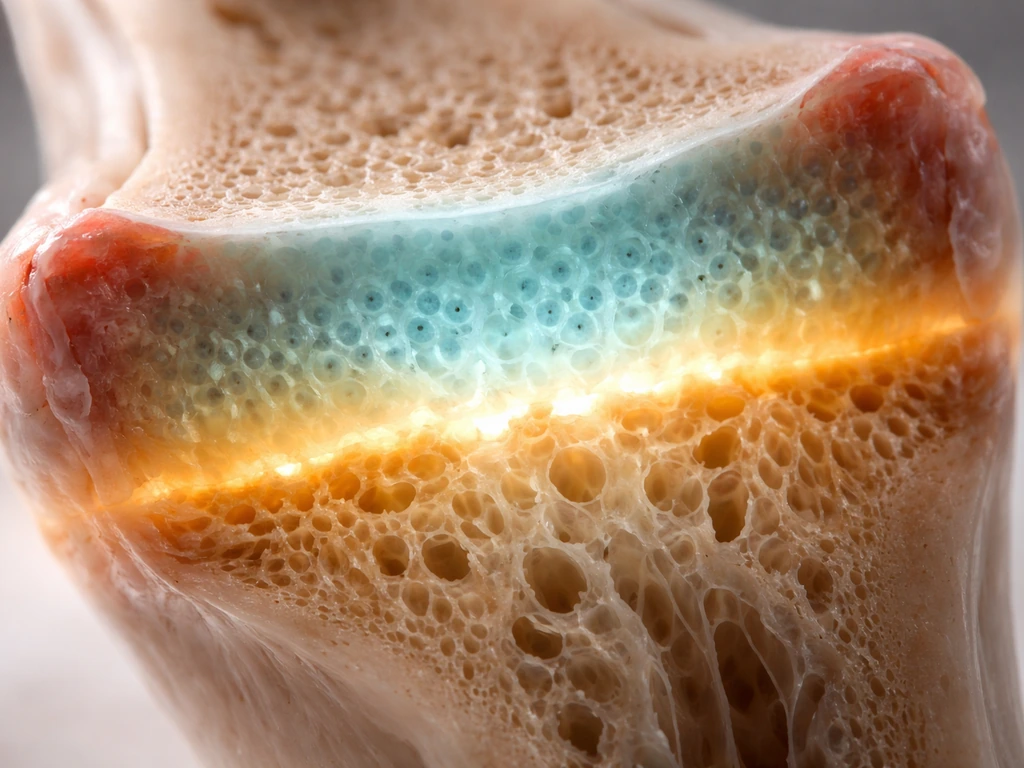
Height growth happens at the growth plates, the cartilaginous zones near the ends of your long bones. Cells there multiply, produce new bone tissue, and push the bone longer. The speed of that process is what clinicians call growth velocity, measured in centimeters per year. Pediatricians calculate it precisely: take the difference between two height measurements, divide by the number of months between them, and multiply by 12. A child measured at 130 cm and then at 133 cm five months later is growing at about 7.2 cm per year.
Two hormones drive most of that process. Growth hormone (GH), released by the pituitary gland, triggers the liver to produce IGF-1, which directly stimulates growth plate cells. Thyroid hormone keeps metabolism and bone turnover running at the right pace, and sex steroids during puberty supercharge the whole system before eventually signaling the plates to fuse. When the plates fuse, linear growth is essentially over, no matter what you do afterward.
So 'growing faster' really means removing the obstacles that slow your natural growth velocity and making sure your body has everything it needs to run that biological program at full speed. It does not mean forcing growth beyond your genetic potential, and no supplement, pill, or stretching routine changes that fundamental reality.
Age and puberty stage: when you can and can't grow faster
Your age and puberty stage are the single biggest determinants of how much growth potential you have left. Before puberty, typical growth runs around 5 to 6 cm per year. During the pubertal growth spurt, velocity accelerates to a peak (often 8 to 12 cm per year for boys, slightly less for girls), then decelerates until the growth plates fuse and height locks in. The timing of that peak varies by individual, which is why two teenagers the same age can be at completely different growth stages.
After puberty, once the growth plates have fused, you cannot add skeletal height through nutrition or exercise. What you can do is stop losing measurable height to poor posture, compressed spinal discs, or correctable deficiencies. A bone age X-ray of the left hand and wrist, a standard part of pediatric endocrine evaluation, reveals the maturity of the growth plates and gives a realistic read on how much growing time is left. If you are a teenager wondering whether optimizing your habits will actually pay off in more height, that X-ray is the most informative single test available.
The practical takeaway: if you are under 16 to 18 and have not yet reached your full pubertal development, the habits in this article can meaningfully move the needle. If you are in your early twenties or older with fully fused plates, the conversation shifts to maximizing measured height through posture, spinal health, and fixing any correctable deficiencies, not true skeletal elongation.
Nutrition that supports growth velocity

Nutrition is the most directly actionable lever after sleep. In practice, the foods that support growth velocity help you meet daily calories, protein, and key micronutrients like calcium and vitamin D. Growth is an energy-expensive process, and chronically undereating is one of the most reliable ways to suppress growth velocity in children and adolescents. Studies on populations with food insecurity consistently show height deficits that track directly with caloric shortfall.
This is not about eating huge amounts, but about consistently eating enough to fuel both daily activity and tissue growth. If you are wondering what food makes you grow, the most important answer is getting enough calories and protein consistently so your body has the building blocks it needs.
Calories and protein
Protein supplies the amino acids the body uses to build new bone matrix and muscle tissue. Adolescents generally need 0.85 to 1.0 grams of protein per kilogram of body weight per day at minimum, and active teenagers likely benefit from the higher end of that range. Practical sources include eggs, dairy, poultry, fish, legumes, and soy. Skipping meals or running a large caloric deficit routinely tells the body to slow down non-essential growth processes.
Key micronutrients

Two micronutrients come up repeatedly in the research on height and bone development: vitamin D and calcium. Calcium is the structural mineral of bone; without enough of it, the body cannot mineralize new bone tissue properly. The recommended intake for adolescents is 1,300 mg of calcium per day, achievable through dairy, fortified plant milks, leafy greens, and fish with edible bones. Vitamin D is essential because without it, the gut cannot absorb calcium efficiently.
Many adolescents, especially those in northern climates or who spend limited time outdoors, are deficient. A blood test (serum 25-hydroxyvitamin D) can confirm status. Other micronutrients worth paying attention to include zinc (deficiency is directly linked to growth faltering in children), iron (anemia suppresses growth and energy), and vitamin A and vitamin K2, which play roles in bone metabolism.
| Nutrient | Role in Growth | Main Food Sources | Adolescent Daily Target |
|---|---|---|---|
| Calcium | Bone mineralization | Dairy, fortified plant milk, leafy greens, canned fish | 1,300 mg |
| Vitamin D | Calcium absorption, bone metabolism | Sunlight, fatty fish, fortified foods, supplements if deficient | 600–1,000 IU (more if deficient) |
| Protein | Bone matrix, tissue building | Eggs, poultry, fish, legumes, dairy, soy | 0.85–1.0 g/kg body weight |
| Zinc | Cell growth and IGF-1 signaling | Meat, shellfish, pumpkin seeds, legumes | 9–11 mg |
| Iron | Oxygen transport, growth support | Red meat, legumes, fortified cereals, leafy greens | 11–15 mg |
One common myth worth addressing: taking extra calcium or vitamin D beyond your actual need does not make you grow faster than your genetic potential. Supplementation only helps when you are actually deficient. Eating the right foods in adequate amounts covers most people without a pill. If you want to know which specific foods to prioritize, the relationship between diet and growth velocity is worth exploring in detail, particularly around foods with the highest nutrient density for bone development.
Sleep and recovery: the biggest controllable lever for height growth
If there is one habit that directly affects growth hormone output more than anything else you can control daily, it is sleep. The majority of GH is secreted in pulses during slow-wave (deep) sleep, particularly in the first few hours after falling asleep. Chronically short or fragmented sleep literally reduces the total GH secretion over a 24-hour period. For a growing teenager, consistently getting 6 hours instead of 9 is not just a tiredness problem, it is a physiological signal that directly suppresses one of the main hormones driving height growth.
The recommended sleep duration for school-age children (6 to 12 years) is 9 to 12 hours per night. For teenagers (13 to 18), the American Academy of Sleep Medicine recommends 8 to 10 hours. Most adolescents in practice get significantly less, driven by early school start times, screen use at night, and social schedules. Addressing sleep is often the highest-yield change someone can make if they are not already hitting those targets.
Practically, the habits that protect sleep quality matter as much as duration. Keeping a consistent bedtime and wake time anchors your circadian rhythm, which in turn optimizes GH pulse timing. Reducing blue light exposure (screens) in the hour before bed helps melatonin kick in on schedule. Keeping the bedroom cool and dark is not just comfort advice, it genuinely affects sleep architecture and the depth of slow-wave sleep where most GH secretion happens.
Exercise that supports growth vs. myths that don't
Exercise supports growth in a few well-documented ways: it stimulates GH release, supports bone density, and keeps the body healthy enough to grow efficiently. Weight-bearing activity and sports that involve running and jumping apply mechanical stress to bone, which stimulates bone remodeling and density. This is a good thing for long-term skeletal health, and there is no credible evidence that normal sports participation stunts growth in healthy children.
The myth that weightlifting stunts growth has been thoroughly examined and largely dismissed for normal loads performed with proper technique. The concern historically was about compressive injury to growth plates from extreme loading in very young children, not normal strength training in teenagers. Sports medicine organizations generally support age-appropriate resistance training as safe and beneficial.
What exercise does not do is directly elongate bone or meaningfully increase your growth velocity beyond removing the floor created by inactivity. Stretching does not grow your bones. Hanging from a bar does not grow your bones. Specific 'height-increasing' workout programs are marketing, not physiology. What exercise does contribute to, indirectly, is better sleep, better GH secretion, lower stress hormones, and healthy body composition, all of which support an optimal hormonal environment for growth.
- Supports: running, jumping, swimming, team sports, age-appropriate resistance training
- Neutral but not magic: yoga, stretching (good for posture and flexibility, not height)
- Worth caution: extremely high-volume training in young athletes without adequate caloric intake (suppresses growth)
- Myths: 'height pills,' vibration platforms, inversion tables, hanging routines sold as bone elongation methods
Medical and lifestyle factors that slow growth
Several medical and lifestyle conditions can actively suppress growth velocity, and correcting them often produces a measurable catch-up growth response. These are worth taking seriously because they are frequently overlooked.
Chronic illness and anemia
Any chronic disease that affects nutrient absorption, inflammation levels, or energy availability can slow growth. Celiac disease, inflammatory bowel disease, poorly controlled asthma, and chronic kidney disease are classic examples. Iron deficiency anemia is especially common in adolescent girls and is strongly associated with growth faltering and fatigue. A basic blood panel including a complete blood count and iron studies can flag this quickly.
Hormonal issues
Thyroid hormone is a co-regulator of the GH-IGF-1 axis. Hypothyroidism (underactive thyroid) slows growth velocity noticeably and is one of the first things a pediatric endocrinologist checks when evaluating a child with unexplained short stature or growth slowdown. Similarly, growth hormone deficiency itself, while not common, produces a very characteristic pattern of slow growth that responds well to treatment when caught early. Cushing's syndrome (excess cortisol, whether from a medical condition or prolonged high-dose steroid use) directly inhibits growth by suppressing GH and promoting bone resorption.
Chronic stress and cortisol
Stress is underestimated as a growth factor. Elevated cortisol, the primary stress hormone, actively opposes GH and IGF-1 signaling and disrupts sleep architecture. Children in chronically stressful environments consistently show lower growth velocities. This is one of the mechanisms behind psychosocial short stature, a documented phenomenon where children in emotionally adverse conditions grow significantly below their potential. Managing stress through consistent sleep, physical activity, and a stable environment is not soft advice, it has real physiological implications for growth.
Early or delayed puberty
The timing of puberty affects final height independently of nutrition and lifestyle. Early puberty (precocious puberty) accelerates the growth spurt but also accelerates growth plate fusion, sometimes resulting in a shorter final height than predicted. Delayed puberty means the growth spurt starts later, which can worry parents and teenagers, but often still results in normal adult height. Both conditions can have medical causes worth investigating if they appear extreme or symptomatic.
A practical plan you can start today

The goal here is not a complicated protocol. It is removing the most common obstacles to your natural growth velocity and tracking whether they are working. Here is how to approach it concretely.
- Track your height every 3 months: Use a wall-mounted stadiometer or a consistent method (bare feet, morning measurement, same person measuring). Record the date and measurement. This lets you calculate your actual growth velocity and see whether your habits are making a difference.
- Audit your sleep first: How many hours are you actually getting on school or work nights? If it is under 8 hours as a teenager, this is your highest-priority change. Set a consistent bedtime, limit screens 60 minutes before bed, and aim for 8 to 10 hours.
- Eat enough, especially protein and calcium: If you are skipping meals, dieting heavily, or eating mostly processed foods, fix that before worrying about any supplement. Aim for three balanced meals with a protein source at each, plus dairy or a fortified alternative daily.
- Get basic labs if growth seems slow: Ask your doctor for a complete blood count, iron studies, vitamin D level, thyroid function (TSH), and if indicated, IGF-1. These four panels catch the most common correctable causes of slow growth.
- See a pediatric endocrinologist if warranted: If you or your child has been growing below the 3rd percentile on a growth chart, has had a noticeable slowdown in growth velocity, started puberty very early (before age 8 in girls, before age 9 in boys) or very late, or if there is a family history of growth disorders, a specialist evaluation including a bone age X-ray is worth pursuing. This is not alarmist; it is exactly what the evaluation is designed for.
- Skip the supplement aisle for height pills: No over-the-counter supplement has been shown in rigorous trials to increase height beyond what adequate nutrition achieves. Save the money and spend it on food quality instead.
- Do not neglect posture and spinal health: While this does not grow new bone, habitual slouching can reduce your standing height by 2 to 4 cm compared to your true skeletal height. Core strengthening, ergonomic awareness, and avoiding prolonged poor posture genuinely affect how tall you measure.
Realistic timelines matter here. If you have been deficient in sleep, calories, or vitamin D and you fix those things, you may see measurably faster growth within a single 3-month measurement interval. If your nutrition and sleep are already solid and you are growing normally for your age and puberty stage, there is no hack that unlocks faster growth on top of that. The honest answer is that optimizing the basics is both the most powerful and the most realistic strategy available, and the younger you are when you do it, the more it matters.
FAQ
If I start eating better and sleeping more, how soon would I notice faster growth?
You can only meaningfully “speed up” height during the years when growth plates are still open. If your plates have fused, nutrition, exercise, and sleep cannot create new skeletal length, so the focus shifts to preventing postural height loss and correcting correctable medical issues.
Can I track growth correctly at home, or will I misread my progress?
Look for changes over repeated measurements, not day to day. Height fluctuations from hydration, time of day, and measurement technique are common, so the most useful check is a consistent scale method and intervals of about 3 to 6 months (or what your pediatrician recommends).
Do vitamin D or calcium supplements make you grow faster even if my levels are normal?
If you are not already in a deficiency, supplements rarely increase growth beyond your genetic potential. The practical rule is to test first when possible (for example, vitamin D) and supplement only to correct a proven shortfall, because “more” is not the same as “better.”
What’s the difference between workouts that support growth vs those marketed to increase height?
Exercise supports growth indirectly through better sleep, lower stress hormones, and improved bone remodeling, but it does not elongate bones. If you are already training normally for general health, adding stretching or “height routines” will not outperform fixing sleep, calories, and protein.
Why do some friends seem to grow faster than me even when we eat similarly?
Yes, two teens with the same age can have different growth rates simply because puberty stage differs. Pubertal timing affects when growth velocity peaks, so the most informative comparison is often growth rate and bone age, not just chronological age.
Can I be “healthy” but still not eat enough to grow at my fastest natural rate?
Chronic under-eating is a common reason growth velocity lags, especially with dieting, skipping meals, or high daily activity without sufficient intake. If growth is a concern, reassess total calories first, then protein, and check for hidden patterns like missed breakfasts or inconsistent meals.
Does early or delayed puberty affect whether I can reach my maximum adult height?
If puberty is unusually early or late, it can change both the timing of the growth spurt and the eventual final height. Extreme timing, rapid height acceleration with concerning symptoms, or delayed puberty warrants a pediatric endocrinology evaluation rather than relying on general lifestyle changes.
When should I suspect a medical problem instead of just optimizing diet and sleep?
Several medical issues can suppress growth, and correcting them can lead to measurable catch-up. If there is clear growth slowdown, symptoms like fatigue, GI problems, frequent infections, or heavy menstrual bleeding, it is reasonable to ask about screening labs (for example CBC, iron studies, thyroid tests, celiac screening depending on symptoms).
Could dieting, being very lean, or recent weight loss slow my growth?
Body weight changes can temporarily affect growth rate. Adolescents who lose weight quickly (or are in a caloric deficit) may see slower growth while the body prioritizes energy conservation, so the most informative signal is growth velocity over months, along with consistent intake.
Is a bone age X-ray worth it, and when is it most useful?
If you are growing normally and your plates are still open, a bone-age X-ray can estimate remaining growth potential, but it is not usually the first step for every teen. It is most helpful when there is a mismatch between height trend and expected puberty timing, or when growth velocity has clearly slowed.
Next Article
What Food Makes You Grow Most: Best Nutrients for Height
Best foods for height growth: protein, calcium plus vitamin D, zinc, iron, vitamins A and K, magnesium, and calorie bala