Rice does not make you taller. No single food does. Rice is a carbohydrate staple that provides energy and a small amount of micronutrients, but it has no special ability to trigger height growth. WHO describes malnutrition and stunting as driven not only by inadequate nutrition, but also by infections and chronic disease that can impair growth and nutrient absorption blank" rel="noopener noreferrer">Rice is a carbohydrate staple that provides energy and a small amount of micronutrients. Fiber may support healthy digestion and gut health, but it does not have evidence-based effects on increasing height. That said, diet absolutely matters for reaching your genetic height potential, and rice can be a useful part of a growth-supportive plate when you pair it with the right foods. If you are a growing child or teenager eating too little overall, or missing key nutrients like protein, zinc, or vitamin A, fixing those gaps can help you grow closer to your true potential. But swapping in more rice by itself won't move the needle.
Does Rice Help You Grow Taller? Evidence and What to Eat

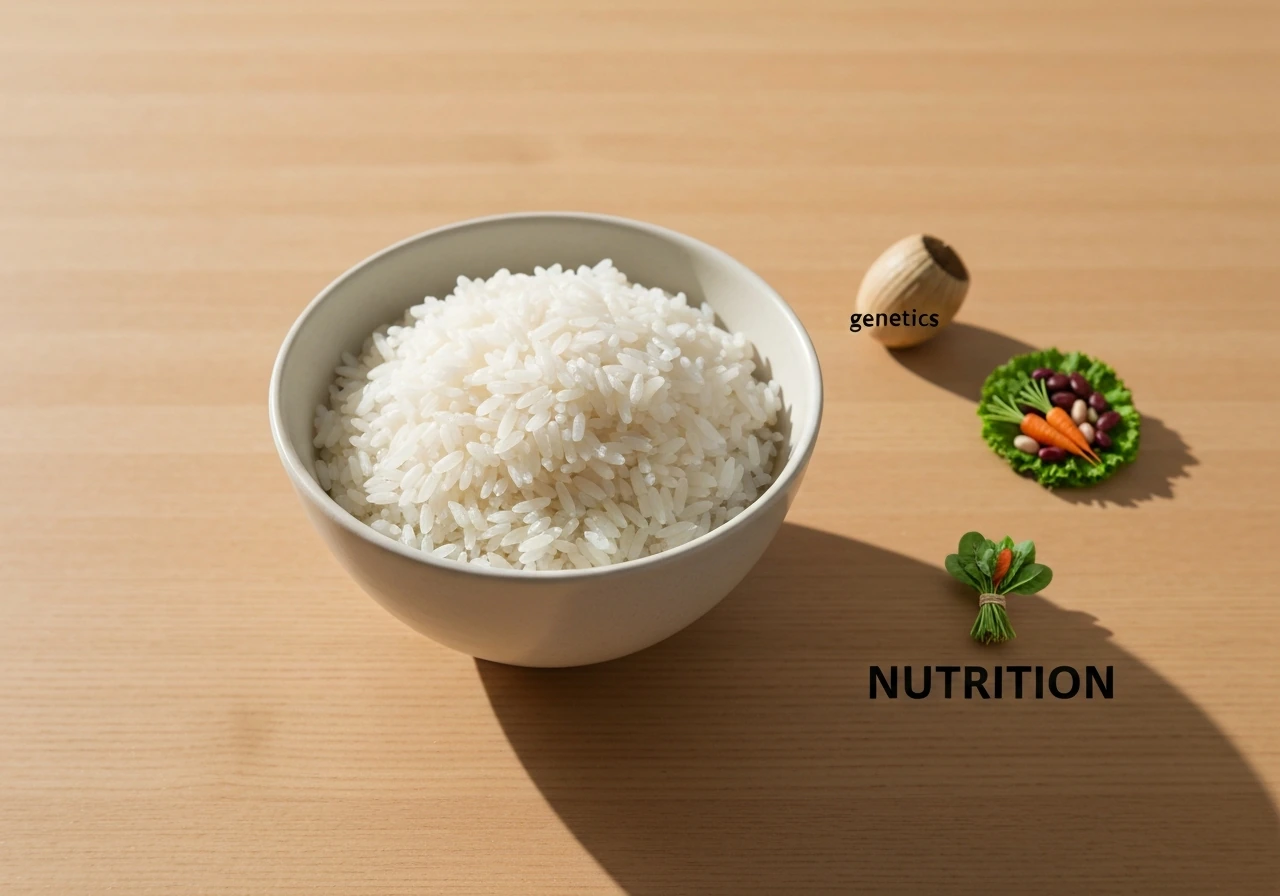
Height is mostly decided before you take your first bite
Genetics is the dominant driver of how tall you end up. Research consistently estimates that roughly 60 to 80 percent of adult height variation comes down to the genes you inherited from your parents. The rest is shaped by environmental factors, and nutrition is the biggest modifiable one. But even nutrition works through a specific biological mechanism: the growth plates.
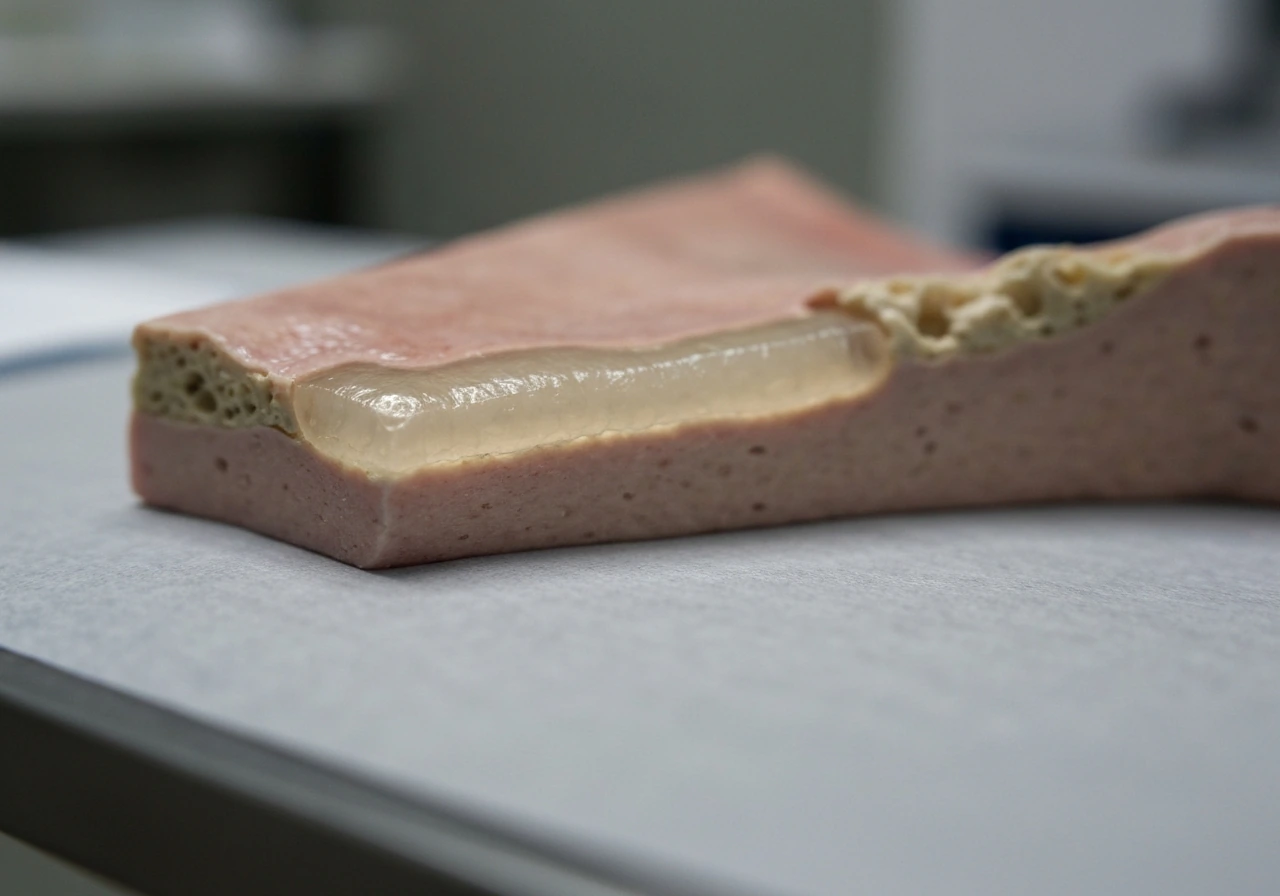
Growth plates, also called epiphyseal plates, are strips of cartilage near the ends of long bones that act as the site where new bone tissue is produced and where longitudinal bone growth actually happens. Hormones like growth hormone (GH), IGF-1, sex steroids, thyroid hormones, and insulin all send signals to these plates to regulate how fast and how long you grow. Nutrition feeds into this system by supporting hormone production and supplying the raw materials for bone and tissue development. It does not override the system.
Once the growth plates close, height gain stops. In girls, plates typically fuse somewhere in the mid-to-late teens, and in boys a few years later. MRI research shows complete fusion happens roughly two years earlier in girls than in boys, driven by the earlier rise in sex steroids. After fusion, no food, supplement, or exercise routine will add centimeters to your height. This is not pessimism, just physiology.
What nutrition actually does for growth
Think of nutrition as a floor, not a ceiling. Eating well cannot push you above your genetic ceiling, but eating poorly can prevent you from reaching it. WHO data on stunting makes this concrete: the most direct causes of stunted linear growth are inadequate calorie and nutrient intake combined with recurrent infections that impair absorption. Children who are undernourished or chronically deficient in key nutrients simply do not grow as tall as their genetics would otherwise allow.
The research on which nutrients matter most is more specific than many people realize. A systematic review of nutrition interventions in children over two years old found significant positive effects on linear growth from zinc, vitamin A, protein, and multiple-micronutrient combinations. Zinc stands out because it can limit growth even at mild-to-moderate deficiency levels, not just severe ones. Iron and vitamin A appear most limiting when deficiency is severe. Interestingly, calcium-only interventions were not supported by that same review as a driver of linear growth in this age group, which surprises a lot of people.
Protein deserves a specific mention. It is the structural building block for muscle, bone matrix, and the hormones involved in growth signaling. Inadequate protein intake suppresses IGF-1, which in turn slows growth plate activity. Calories matter too because the body will not prioritize growth if it is in an energy deficit. But here is the catch: single-nutrient supplementation has limited impact unless there is an actual deficiency. Malnourished children almost always have multiple deficiencies at once, which is why throwing extra zinc at the problem without addressing protein and overall calories rarely produces dramatic results.
What rice actually contributes
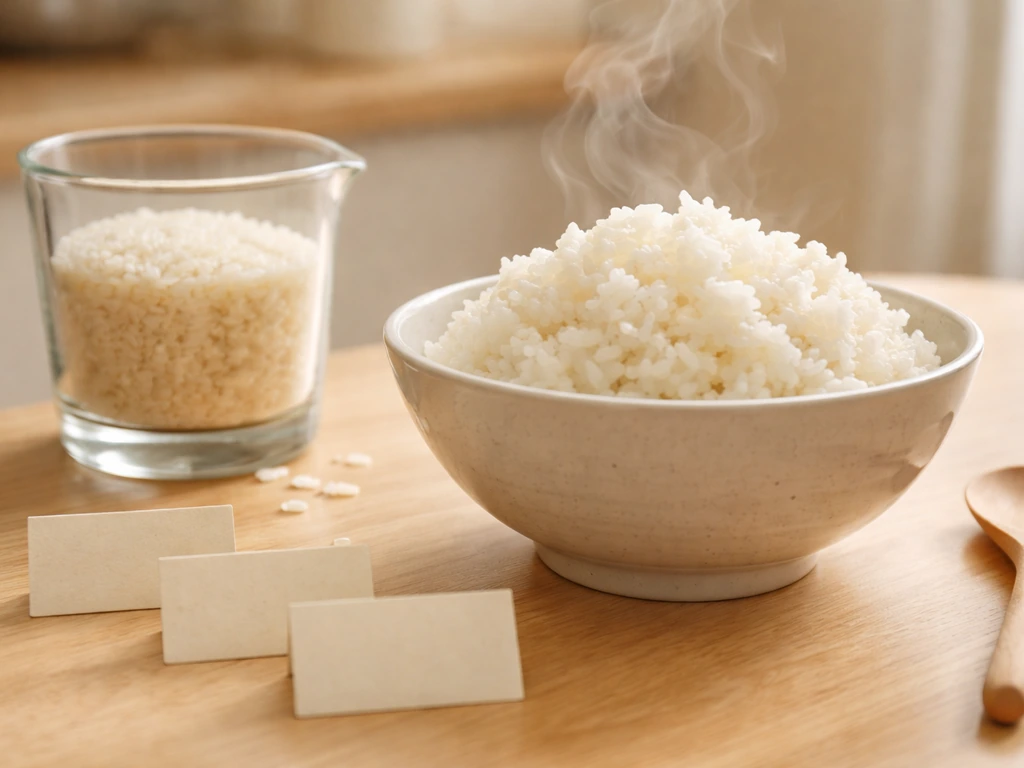
Rice is primarily a carbohydrate source. A cup of cooked white rice (about 158 grams) delivers roughly 200 calories and just under 4 grams of protein. It contains 0.77 mg of zinc per cup, which is a small contribution toward the recommended daily intake for children and teens (those daily targets range from about 3 mg for toddlers up to 11 mg for teenage boys). Enriched white rice adds iron, niacin, thiamine, and folic acid through fortification, but it contains essentially no vitamin D and is not a meaningful source of complete protein. Brown rice retains more of its bran and germ layers, giving it slightly more fiber, magnesium, and B vitamins than white rice, but neither variety is a concentrated source of the nutrients most tightly linked to linear growth.
The reason rice keeps getting mentioned in height conversations is probably cultural. Populations in parts of Asia where rice is the staple grain also include many tall individuals, but that correlation reflects total dietary patterns, genetics, and broader living conditions, not rice specifically. Rice's actual job on the plate is to provide affordable, filling energy so the body can allocate nutrients from other foods toward growth processes rather than just keeping the lights on.
How to build a plate that actually supports growth
Rice works well as the carbohydrate anchor of a meal. The key is what you put around it. If a growing child or teenager fills up mostly on plain rice and not much else, they are getting energy but falling short on protein, zinc, vitamin A, and other growth-supporting nutrients. Here is what a practical growth-supportive plate looks like using rice as the base:
- Rice (white or brown): fills energy needs and prevents the body from burning protein for fuel
- A protein source (eggs, chicken, fish, legumes, tofu, beef, dairy): provides amino acids for bone matrix, muscle, and IGF-1 support. Aim for a portion roughly the size of your palm at each main meal
- A zinc-rich food (meat, shellfish, pumpkin seeds, lentils): helps fill the gap rice leaves because rice alone is a modest zinc source
- A vitamin A source (orange/yellow vegetables like carrots and sweet potato, dark leafy greens, eggs, dairy): vitamin A has a demonstrated positive effect on linear growth when deficiency is corrected
- A colorful vegetable: contributes iron, folate, and antioxidants that support overall health and nutrient absorption
- A fat source (olive oil, nuts, avocado, fatty fish): fat-soluble vitamins A and D require dietary fat for absorption, and adequate fat intake also supports hormone production
A concrete example: rice with grilled salmon or canned tuna, a side of cooked spinach sauteed in a little olive oil, and some sliced mango or carrots. That combination covers energy, complete protein, zinc, vitamin A, iron, and fat-soluble vitamin support in one meal. Compare that to rice with a bit of soy sauce and nothing else, which is mostly just starch.
It is also worth noting that other questions about specific foods and height (including whether high-calorie supplements or particular herbs make a difference) follow the same logic: no single food is a height trigger, but the overall nutritional pattern matters enormously for kids and teens who are still in their growth window. Herbs are not a reliable way to grow taller, but the right overall nutrition can help you reach your height potential herbs make you grow taller.
Sleep and physical activity are not optional extras

Diet is not the only lifestyle factor that affects growth. Sleep is arguably just as important during childhood and adolescence. The majority of growth hormone secretion happens during slow-wave sleep, and research shows that sleep deprivation blunts the normal nighttime GH pulse. The National Sleep Foundation recommends 9 to 11 hours per night for school-aged children and 8 to 10 hours for teenagers. If a growing child is consistently sleeping 6 to 7 hours, better food alone is not going to compensate for the disrupted hormonal signaling.
Physical activity adds another layer. Weight-bearing and impact exercise (running, jumping, sports) applies mechanical load to the growth plates, which has a stimulating effect on bone development. Population studies have found associations between outdoor physical activity and height growth velocity in children. Structured jumping exercise programs have even been studied as an adjunctive approach in children with short stature. None of this means exercise makes everyone noticeably taller, but it does mean that sedentary, sleep-deprived kids with poor diets are stacking multiple disadvantages against their growth potential.
One more factor worth flagging: obesity. It sounds counterintuitive, but excess body weight can actually accelerate puberty onset, especially in girls, which means growth plates close earlier. While heavier children may be taller in the short term prepubertally, earlier plate closure can cap final adult height below what it might have been with a healthier weight trajectory.
When to stop guessing and talk to a doctor
If you are a parent worried about your child's height, a few benchmarks are worth knowing. The Pediatric Endocrine Society recommends evaluation when a child's height is more than 2.25 standard deviations below the mean for their age and sex, or when their growth velocity is declining (crossing down through percentiles after age 3). Normal growth roughly follows a consistent percentile channel over time. A child who consistently tracks at the 10th percentile is likely just small (possibly due to familial short stature or constitutional growth delay, which are normal variants) and is not the same situation as a child who drops from the 50th to the 20th to the 5th percentile over a few years.
Red flags that warrant a pediatric endocrinology referral include: significant drop in growth velocity, height well below what the parents' heights would predict, signs of hormone issues (fatigue, weight gain, delayed puberty), or suspected malabsorption (chronic diarrhea, poor weight gain alongside poor height gain). In these cases, dietary tweaks are not the answer and potentially treatable medical causes need to be ruled out, ranging from growth hormone deficiency to thyroid conditions to celiac disease.
For adults who have already reached skeletal maturity: the growth plate discussion is over. No food, supplement, or routine will increase bone length after the plates have fused. The focus shifts to maintaining bone density, posture, and overall health rather than height. And for teenagers still in their growth window, the honest message is this: make sure you are eating enough total calories, getting adequate protein and zinc-rich foods, sleeping properly, staying active, and not sabotaging growth with severe caloric restriction. Rice can be part of that picture, but it is the plate as a whole that counts. Ginseng has been studied for various health outcomes, but there is no strong evidence that it can make you grow taller by increasing your growth plates does ginseng help you grow taller.
| Factor | Does it affect height? | Rice's role |
|---|---|---|
| Genetics | Yes, the dominant driver (60-80%) | None |
| Total calorie intake | Yes, prevents energy deficit that limits growth | Yes, rice contributes calories |
| Protein intake | Yes, critical for bone matrix and IGF-1 | Minimal (under 4g per cup) |
| Zinc | Yes, limits growth even at mild deficiency | Small contribution (0.77mg per cup) |
| Vitamin A | Yes, positive effect when deficiency corrected | None |
| Vitamin D | Modest or limited effect on linear growth | None |
| Sleep (9-11 hrs for kids) | Yes, GH secreted primarily during sleep | None |
| Weight-bearing activity | Supports bone development and growth plate activity | None |
| Growth plate status | Determines whether any growth is possible | None |
FAQ
If rice is a staple, how much would a child need to eat for height support?
Rice can contribute calories and some nutrients, but it is not enough by itself to support growth. If a child’s rice intake replaces protein sources or limits total calories, growth can still fall below genetic potential.
Is it helpful to add extra rice to meals to help a kid grow taller?
Focus on meeting daily protein needs and overall calories first, then use rice as the carb anchor. A common mistake is “adding rice” while keeping protein low, which raises carbs without fixing the growth-limiting nutrients.
Does enriched or fortified rice help more than regular rice for height?
Enriched or fortified rice can help with certain micronutrients like iron and B vitamins, but it will not supply vitamin D and it is rarely a complete-protein source. For growth support, pair rice with foods that provide protein (fish, eggs, dairy, legumes) and at least some vitamin A and zinc (for example, eggs, dairy, meat, or fortified foods).
My child eats rice daily, but with very little else. Is that still okay for growth?
If rice is eaten with low-nutrient add-ons like soy sauce, sweeteners, or mostly vegetables with little protein, it will not correct the nutrient gaps that matter for growth plates. The meal pattern matters more than the grain variety.
Does brown rice help you grow taller more than white rice?
For people trying to maximize nutrient density, brown rice can add a bit more fiber and B vitamins than white rice, but neither type is “high impact” for height compared with protein and specific micronutrients. Switching to brown rice helps digestion and fullness, but it should not be the only strategy.
Can eating more rice offset poor sleep and still help growth?
Rice cannot “counteract” poor sleep or heavy caloric restriction. If sleep is short or there is consistent energy deficit, the body is less likely to support normal growth signaling even if rice intake is increased.
Is it possible to overeat rice and actually harm growth?
Yes, but the risk is mainly for overall nutrition quality. If large portions crowd out protein-rich foods and vegetables, growth-supportive nutrients like zinc, vitamin A, and protein can remain low.
Does rice help increase height for adults or fully grown teens?
If a teen’s growth plates have fused, height gain is no longer possible regardless of diet. The practical next step is confirming growth status, especially if there are signs of puberty completion and no recent growth spurt.
What if my child is a picky eater and mainly wants rice?
Unintentional undernutrition matters. If a child is picky, skipping meals, or drinking mostly low-nutrient beverages, they may not reach adequate calories and protein. In that case, “more rice” can help only if it improves total intake, not if it replaces nutrient-dense foods.
When should I stop focusing on food changes and ask a doctor about my child’s height?
If height is far below expected range or growth velocity is dropping, dietary changes may not be sufficient. The article’s red-flag scenarios (declining growth rate, symptoms suggesting hormonal issues, or possible malabsorption like chronic diarrhea) are situations where a pediatric evaluation is important.
Does Sugar Help You Grow Taller? Science and What Matters
Sugar does not make you grow taller. Learn what affects height and how nutrition, protein, calcium, vitamin D, sleep mat