
Fiber does not directly make you taller. There is no solid evidence that eating more fiber adds inches to your height. What fiber does do is support gut health, regular digestion, and a balanced diet, and those things matter indirectly because good nutrition during childhood and adolescence is what allows your body to reach its genetic height potential. If your diet is poor enough to cause nutrient deficiencies or chronic GI problems, that can blunt growth. Fiber plays a supporting role in preventing that from happening, but it is not a growth nutrient in the way that protein, zinc, or total calories are.
Does Fiber Help You Grow Taller? Science, Limits, Tips

Marcus Reeves
1 Jul 2026

What fiber actually does in the body
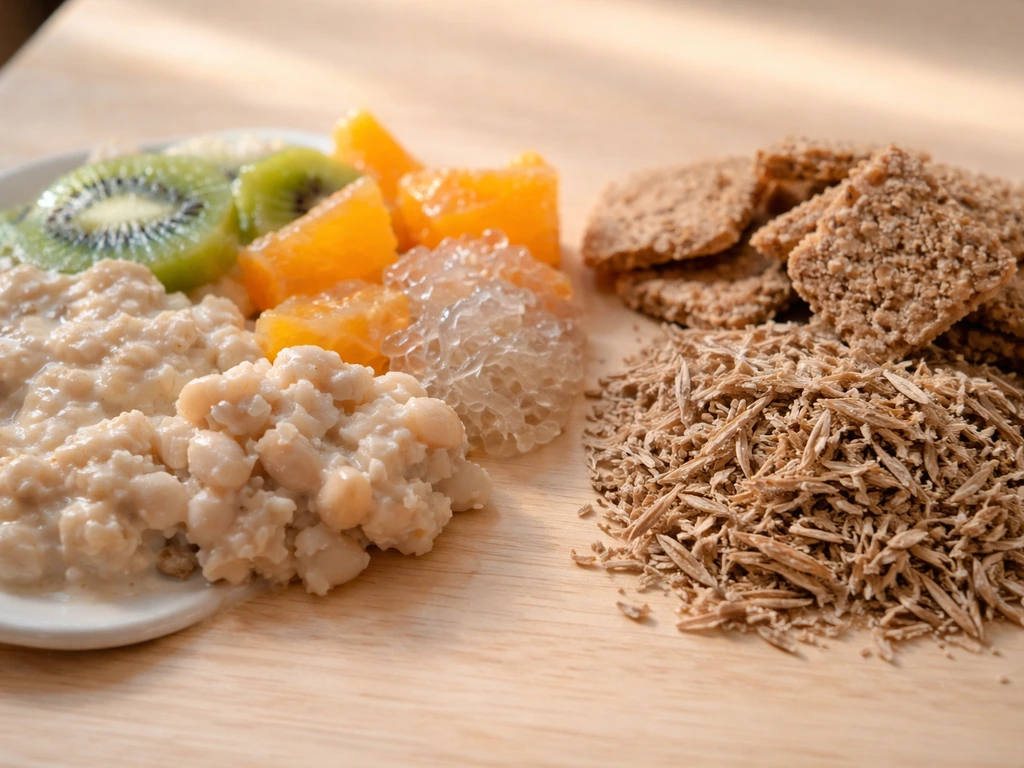
Dietary fiber is the indigestible portion of plant foods. It comes in two main forms: soluble fiber (found in oats, beans, and fruit) dissolves in water and forms a gel-like substance in the gut, while insoluble fiber (found in whole grains, vegetables, and nuts) adds bulk to stool and keeps things moving. Neither type is broken down by your digestive enzymes, but soluble fiber gets fermented by gut bacteria in your large intestine, which is where things get interesting for growth biology.
When gut bacteria ferment soluble fiber, they produce short-chain fatty acids (SCFAs) like butyrate, propionate, and acetate. Research has identified a plausible pathway where SCFAs may influence insulin-like growth factor 1 (IGF-1), a hormone closely tied to bone growth and linear height. Animal studies have also shown that SCFAs can increase bone mass and protect against inflammation-driven bone loss. This is biologically interesting, but it is a long way from confirming that eating more fiber makes a child taller in practice.
Fiber also affects how well you absorb certain nutrients. The picture here is more complicated than people realize. Some fibers can interfere with iron and zinc absorption, while certain insoluble fibers may actually help counteract other absorption blockers like phytates. A systematic review found no clear consensus on whether dietary fiber reliably improves or worsens iron status, so it is not something you should be optimizing fiber around specifically. Nationwide Children’s Hospital notes that chronic constipation may take time to correct and that fiber changes can help soften stools, which is useful when adjusting fiber for GI comfort optimizng fiber around specifically. The more useful takeaway is that a varied, whole-food diet naturally balances these effects.
The nutrients that actually drive height growth
When researchers have tested specific nutrition interventions on linear growth in children over age two, the nutrients that show the clearest positive effects are zinc, protein, vitamin A, and multiple micronutrients together. Zinc in particular has consistent evidence behind it. Protein provides the raw building blocks for bone and muscle. Total calorie intake matters enormously because energy restriction directly suppresses growth. Iron deficiency does not have the same strong direct effect on height as zinc does in the research, and vitamin D has a less consistent record than many people expect, with pooled estimates across trials showing little to no difference in linear growth in many settings.
| Nutrient | Evidence for Height Effect | Key Food Sources |
|---|---|---|
| Protein | Strong: directly supports bone and tissue growth | Meat, eggs, dairy, legumes, fish |
| Zinc | Strong: meta-analyses show significant positive effect on height | Red meat, shellfish, seeds, legumes |
| Vitamin A | Moderate: positive effects in deficient populations | Liver, dairy, orange/yellow vegetables |
| Calcium | Moderate: bone mineral density, but height effects mixed | Dairy, fortified foods, leafy greens |
| Iron | Limited direct height effect in trials; matters via energy/anemia | Red meat, beans, fortified grains |
| Vitamin D | Inconsistent in trials; important for bone but height effects small | Fatty fish, fortified dairy, sunlight |
| Dietary Fiber | No direct height effect demonstrated | Vegetables, fruits, legumes, whole grains |
This is worth keeping in mind when you see claims about specific foods or supplements. Fiber is not in the same category as zinc or protein when it comes to height. It belongs in your diet for plenty of other reasons, but adding fiber supplements on top of an otherwise adequate diet is not going to translate to extra centimeters.
Age matters a lot here

Height is determined by your growth plates, the areas of cartilage near the ends of long bones where new bone tissue forms. These plates are active from birth through adolescence and typically close in the late teens, earlier in girls (around 15 to 17) and a bit later in boys (around 17 to 19). Once they close, no amount of nutrition, fiber, or anything else can make you taller. This is a hard biological ceiling.
Before the growth plates close, nutrition quality genuinely matters. Severe or chronic undernutrition during childhood and especially during the adolescent growth spurt can permanently reduce final height. This is well established. The question is just whether fiber is the limiting factor in any realistic scenario, and for most children in countries with adequate food supply, it is not. The limiting factors are more likely to be total calories, protein, zinc, or specific micronutrient gaps, not fiber intake per se. Sugar does not help you grow taller either, so it is better to focus on overall nutrition and adequate calories whether sugar helps you grow taller.
For adults whose growth plates have already closed, the conversation is simpler: no nutritional intervention, fiber or otherwise, will increase height. Fiber remains valuable for metabolic health, gut function, and disease prevention, but height is off the table. Ginseng has been marketed for height, but there is no good evidence it can increase linear growth in the way needed to make someone taller. If you are an adult asking this question, the honest answer is that your height is set.
Can gut health and diet quality influence height indirectly?
Yes, and this is where fiber becomes at least somewhat relevant. The strongest evidence comes from children with gastrointestinal diseases. Kids with inflammatory bowel disease (IBD) often experience impaired growth, not because of fiber specifically, but because chronic inflammation and nutritional disruption interfere with normal growth mechanisms. Children with untreated celiac disease frequently show growth failure, and many catch up after starting a gluten-free diet that allows proper nutrient absorption to resume. These cases make a clear case that GI health is a real lever for height outcomes during childhood.
Fiber's role in this picture is indirect. A diet with adequate fiber tends to support a healthier gut microbiome, which in turn supports better absorption of nutrients and lower levels of chronic low-grade inflammation. Randomized trials in children have shown that fiber, including prebiotic types like inulin, can modestly reduce inflammatory markers. Given that inflammation is one pathway through which GI disease impairs growth, fiber could theoretically help preserve the gut environment that allows growth-supporting nutrients to be absorbed properly. But this chain of reasoning is mechanistically plausible, not yet proven in human height trials. A 2022 systematic review looking directly at fiber and growth in children aged 0 to 5 concluded the evidence is limited and that more studies are needed.
The honest summary is this: fiber supports the conditions that allow growth to proceed normally, but it is not a growth driver itself. Think of it less like a gas pedal and more like making sure the road is clear.
A practical eating plan that supports both fiber and real growth nutrients

The good news is that foods high in fiber are often the same foods that deliver growth-relevant nutrients. You do not need to choose between them. The strategy is to build meals around whole, minimally processed foods that do double or triple duty.
In terms of daily fiber targets, the Dietary Reference Intakes set an Adequate Intake (AI) of roughly 14 grams per 1,000 calories consumed. For a teenager eating around 2,000 calories a day, that works out to about 28 grams of fiber daily. For younger children eating fewer calories, the target is proportionally lower. These are the practical benchmarks to aim for, not specific supplement doses.
- Legumes (lentils, black beans, chickpeas): high fiber plus zinc, iron, and protein in one package
- Whole grains (oats, quinoa, brown rice): fiber plus B vitamins and some zinc
- Leafy greens (spinach, kale, broccoli): fiber plus calcium, vitamin A, and iron
- Nuts and seeds (pumpkin seeds, almonds): fiber plus zinc and healthy fats
- Fruit (berries, pears, apples with skin): fiber plus vitamin C, which helps iron absorption
- Dairy or fortified plant alternatives: calcium and vitamin D with meals that also include fiber-rich sides
- Lean meats and eggs: not high in fiber, but provide zinc and protein that fiber-rich plant foods may not fully cover
One important thing to watch for, especially with younger children: fiber is very filling. A child who fills up on raw vegetables and whole grains may not eat enough total calories or protein to support optimal growth. Growth during the teen years demands a lot of energy. Fiber is part of a healthy diet, but it should not crowd out the calorie-dense and protein-dense foods that growing bodies need. Balance matters more than maximizing any single nutrient.
It is also worth noting that this question sits in similar territory to others about specific foods and height, like whether rice, sugar, or particular supplements are growth-relevant. The pattern tends to be the same: no single food is the answer. Total diet quality and nutrient sufficiency across the board is what supports healthy development.
Common mistakes, safety tips, and when to see a doctor
Mistakes to avoid
- Increasing fiber too fast: jumping to high fiber intake abruptly causes bloating, gas, and abdominal discomfort. Increase gradually over a few weeks and drink plenty of water alongside it.
- Using fiber supplements without water: fiber supplements (like psyllium husk) taken without adequate fluids can worsen constipation rather than help it, according to the American Academy of Pediatrics.
- Letting fiber displace calories and protein: if a child is eating large volumes of fiber-rich but calorie-light foods and is not meeting energy or protein needs, growth can be impacted. Watch total intake.
- Confusing correlation with causation: children who eat high-fiber diets tend to eat generally healthier diets overall. The height benefits from those diets come from the overall nutrient pattern, not from the fiber itself.
- Over-supplementing: there is no established upper intake limit for fiber, but more is not always better in children. Stick to food-first approaches rather than loading up on supplements.
When to get a medical evaluation
Diet adjustments are not the right first move if a child is showing signs of a growth problem. There are situations where poor growth has a medical cause that needs proper diagnosis and treatment. Talk to a pediatrician or pediatric endocrinologist if you notice any of the following:
- A child is consistently below the 3rd percentile for height on growth charts
- Growth velocity has slowed significantly (crossing two major percentile lines downward over time)
- Puberty has not started by age 13 in girls or age 14 in boys
- There are GI symptoms like chronic diarrhea, fatty stools, or persistent abdominal pain alongside poor growth (these can signal celiac disease or IBD)
- Height is well below what you would expect based on both parents' heights
- The child has other symptoms suggesting a systemic condition, like fatigue, poor appetite, or unexplained weight loss
A proper evaluation typically includes accurate serial height measurements, assessment of growth velocity, bone age X-ray, and midparental height calculation. From there, a clinician can distinguish between normal variants like familial short stature or constitutional delay and conditions that actually warrant treatment, such as growth hormone deficiency, hypothyroidism, or undiagnosed celiac disease. Optimizing fiber intake is irrelevant if one of those underlying conditions is the real issue.
The bottom line is straightforward: eat enough food, get adequate protein and zinc especially, include a wide variety of vegetables, fruits, legumes, and whole grains to cover your micronutrient bases and support gut health, and make sure any real growth concerns get a proper medical look rather than a dietary workaround. If you're specifically asking about what herbs make you grow taller, the evidence still doesn’t point to herbs as a reliable way to increase height beyond genetics and growth plate timing.
FAQ
If fiber does not directly make you taller, should I still increase it for kids?
Fiber by itself is not a height “supplement.” If you want to adjust it, do it only after basic growth supports are already covered (enough total calories, adequate protein, and key micronutrients like zinc). In practice, adding fiber should replace some empty calories or ultra-processed carbs, not reduce food intake or displace protein-rich meals.
What’s the safest way to add more fiber without affecting a child’s growth?
Yes, but increase gradually. Too much fiber too fast can cause gas, bloating, constipation, or diarrhea, which can reduce overall intake and indirectly affect growth if a child stops eating enough. A practical approach is to add one serving of high-fiber food at a time over 1 to 2 weeks and ensure adequate water.
Can high-fiber diets cause mineral deficiencies that would limit height?
Fiber can sometimes reduce absorption of minerals like iron and zinc when the diet is marginal. The best workaround is meal variety and timing, for example pairing iron- or zinc-rich foods (meat, fish, beans, fortified cereals) with vitamin C rich produce, and not relying on one single high-fiber source every day.
How do I know if fiber is crowding out enough calories and protein?
For most children with normal growth and adequate calories, the biggest risk is under-eating because fiber is filling. If a child repeatedly skips meals, gets full quickly, or consistently falls short on protein, prioritize calorie and protein density first (milk or yogurt, eggs, lean meats, nut butters) and then top up fiber with smaller portions.
Do fiber supplements or prebiotics help kids grow taller?
Not in the way people hope. Prebiotic fibers and gut-supportive eating patterns may reduce inflammatory signals, but there is no established evidence that fiber supplements or specific prebiotic powders translate into centimeters gained. Food-based fiber is still useful for gut health, but don’t treat supplements as a growth intervention.
My child is not growing as expected, should we change fiber first?
If growth concerns are present, the right next step is medical evaluation, not higher fiber. Clinicians often track growth velocity over time, compare it to peers, and consider causes like celiac disease, hypothyroidism, growth hormone deficiency, or chronic inflammation. Diet changes come after the cause is addressed.
When should I avoid increasing fiber and seek medical advice instead?
If your child has diarrhea, severe abdominal pain, blood in stool, persistent constipation, or very poor weight gain, increasing fiber may worsen symptoms. In those cases, focus on getting an evaluation for gastrointestinal disease and nutrient issues before making aggressive fiber changes.
Does fiber help adults become taller if they are “still young”?
Once growth plates have closed, nutrition cannot reopen them, so no diet or fiber strategy increases adult height. Fiber can still improve metabolic health and gut function, but if someone is targeting height change, the realistic options are orthodontic or cosmetic height-related approaches, not diet.
Is there a best type of fiber for height, like soluble vs insoluble?
Moderate fiber can be part of a supportive diet, but the key is not to rely on a single gut-targeting food. A balanced pattern that includes legumes, vegetables, fruit, and whole grains typically provides both fiber and growth-relevant nutrients, which is more effective than trying to “dose” fiber for height.
How should we track daily fiber goals in a practical way?
A good rule is to aim for fiber in line with total calories, roughly proportional to intake (about 14 grams per 1,000 calories as a benchmark). If you’re tracking, do it alongside protein and total food intake, because a child can hit a fiber number and still fall short on calories or zinc.
What if increasing fiber makes my child constipated?
For constipation-prone kids, fiber can help, but only if paired with enough fluids and gradual increases. If constipation persists despite these steps, it may indicate an underlying issue or inadequate hydration, and a clinician should guide whether fiber type or other measures are needed.
Next Article
What Herbs Make You Grow Taller? Evidence and Safety
Evidence on herbs for height: what may affect growth plates, safety risks, and realistic steps for teens and adults.