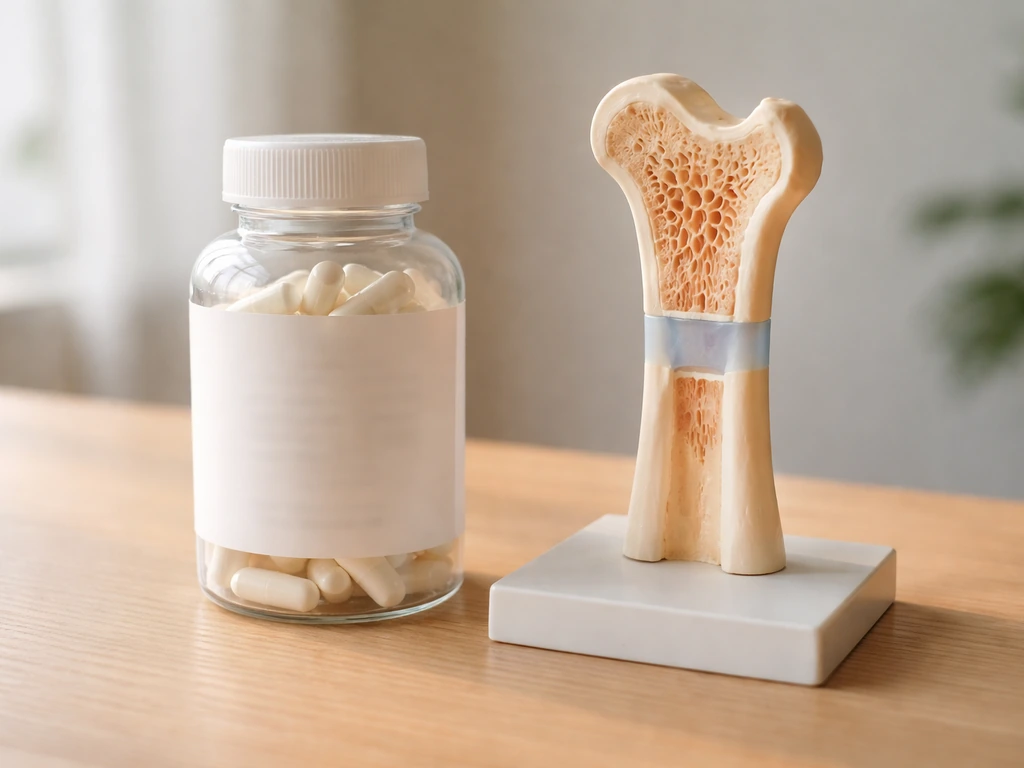
Ensure can help a child grow taller, but only under one specific condition: they are not getting enough nutrition to begin with. It is not a height-boosting supplement. If you are wondering whether rice can help you grow taller, it is the same idea: height depends on nutrition and growth-plate timing, not on a single specific food or supplement. It is a calorie and nutrient delivery tool. If a child or teenager already eats enough and has no deficiencies, adding Ensure to their diet will not add centimeters to their height. But if undernutrition is holding back their growth, correcting that gap, whether through Ensure or better food, can allow catch-up linear growth to happen. That is the full, honest answer.
Does Ensure Help You Grow Taller? Evidence and Next Steps

Marcus Reeves
16 May 2026

What Ensure actually is (and what it is not)

Ensure is a commercially produced oral nutrition shake made by Abbott Nutrition. The standard Ensure Original comes in an 8 fl oz bottle and delivers 220 calories, 9 grams of protein, and a range of micronutrients including vitamin D3, calcium, and various vitamins and minerals. It was designed primarily for people who struggle to meet caloric or nutritional needs through food alone, including older adults recovering from illness, people with poor appetite, and in some clinical settings, children who are undernourished or at risk of undernutrition.
It is not a growth hormone. It does not contain any compound with a direct pharmacological effect on height. What it contains are the raw nutritional building blocks that the body uses to grow, and that distinction matters enormously when you are evaluating whether it can actually make someone taller.
What the research actually says about nutrition supplements and height
The clinical evidence on oral nutritional supplementation and linear growth is fairly consistent, and the pattern is clear: supplementation helps most when baseline nutrition is inadequate. A randomized controlled trial called the SPROUT study tested oral nutritional supplementation combined with dietary counseling against dietary counseling alone in children who were undernourished or at risk of undernutrition. The supplementation group showed improved linear catch-up growth. That is a meaningful finding, but the critical word is catch-up. These children were not growing at their full genetic potential because nutrition was limiting them. Supplementation removed that limit.
A meta-analysis of randomized trials found that multimicronutrient interventions (addressing several nutrients simultaneously) improved linear growth in children, while single-nutrient approaches like vitamin A or iron alone did not show the same consistent benefit. A separate review looking at zinc and iron specifically found modest effects on linear growth, but only in populations that were deficient in those nutrients to begin with. And a systematic review of 31 studies on vitamin D supplementation in children under five found that vitamin D alone made little to no meaningful difference in linear growth. The takeaway from all of this: no single supplement is a growth booster, and combined nutritional correction only matters when there is an actual deficit to correct.
Age is everything: growth plates and why timing matters
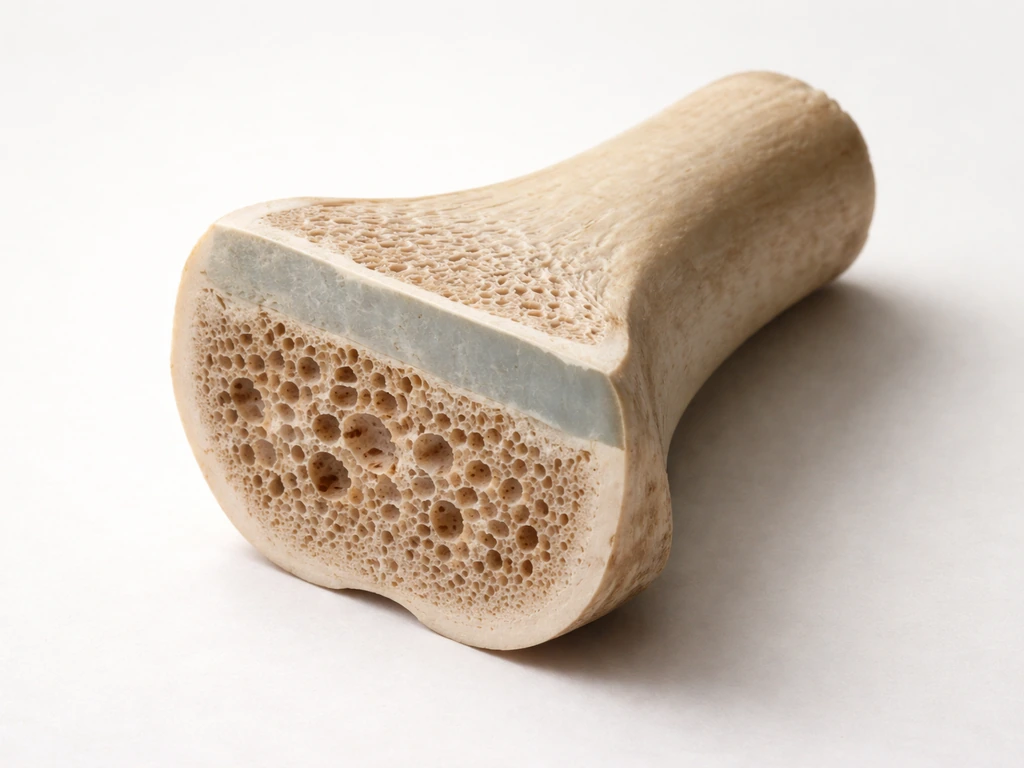
Human height is determined by the growth plates, the strips of cartilage near the ends of long bones where new bone tissue is generated. During childhood and adolescence, these plates are active and responsive to growth hormone, sex hormones, and nutrition. When puberty ends, the growth plates fuse and ossify. blank" rel="noopener noreferrer">Once that happens, no amount of nutrition, supplementation, or exercise can make you taller. Some herbs may support healthy digestion or appetite, but they do not have evidence-based power to make someone grow taller once growth plates are closed herbs make you grow taller. This is basic bone physiology and it is not negotiable.
Growth velocity follows a predictable arc. From birth to 6 months, infants grow roughly 2.5 cm per month. That slows to about 1.3 cm per month from 7 to 12 months, then averages around 7.6 cm per year from age 1 through age 10. As puberty begins, a growth spurt kicks in, reaching roughly 6 to 10 cm per year for girls and 7 to 12 cm per year for boys at peak velocity. After puberty, the AAP notes that most teens grow no more than an inch or two before growth stops entirely. Nutrition during the childhood and early adolescent years, when growth plates are most active and the pubertal spurt has not yet peaked, is when dietary support has its greatest potential impact.
For adults, this means Ensure has essentially zero effect on height. The growth plates are already closed. For older teens near the end of puberty, the window is nearly shut. For younger children with open growth plates and documented undernutrition, there is a real biological opportunity.
How to actually use nutrition to support growth
If you want nutrition to support a child's height potential, the goal is not to add a shake on top of an already adequate diet. It is to make sure the foundational requirements are consistently met. Here is what the evidence points to as the key nutritional drivers of linear growth:
- Total calories: A child who is chronically undereating will not reach their growth potential, regardless of micronutrient intake. Energy sufficiency is the floor, not the ceiling.
- Protein: Adequate protein is essential for the cellular machinery of bone growth. Ensure Original provides 9 grams per serving, which can meaningfully contribute if a child's total daily intake is insufficient.
- Zinc: One of the most consistently studied micronutrients for linear growth. Deficiency is linked to impaired growth, and correction in deficient children produces modest but real gains.
- Iron: Similarly linked to growth in deficient populations, though the effect is specific to those with actual deficiency, not those with normal iron status.
- Calcium and vitamin D: Important for bone mineralization and overall skeletal development. Vitamin D supplementation alone has not been shown to dramatically boost height, but severe deficiency can impair bone health broadly.
- Iodine and vitamin A: Deficiencies in these nutrients are associated with stunting, particularly in low-resource settings, and correcting them as part of a broader nutritional approach matters.
Ensure covers several of these bases in one bottle, which is why it can be useful when a child has a generally poor diet rather than one specific gap. But if a child eats a well-balanced diet with adequate calories and protein, the marginal benefit of adding Ensure is minimal. Better food is almost always the better path. This is similar to asking whether other single foods or supplements, like rice or fiber, can make you taller: the honest answer is that individual foods and supplements rarely drive height gains on their own. What matters is the whole diet, and whether it meets the child's total nutritional needs.
Sleep and exercise matter more than any supplement

This is worth saying plainly: sleep and physical activity drive growth more powerfully than any supplement, including Ensure. Growth hormone is released primarily during deep sleep, and the pattern is pulsatile, meaning most of the daily secretion happens overnight. The CDC, citing American Academy of Sleep Medicine consensus, recommends that children ages 6 to 12 get 9 to 12 hours of sleep per night, and teenagers ages 13 to 18 get 8 to 10 hours. A child who sleeps 6 hours a night and takes an Ensure daily is not getting the same growth stimulus as a child who sleeps 10 hours and eats a balanced diet. Sleep is not optional when it comes to growth.
Exercise, particularly weight-bearing and resistance activities appropriate for a child's age, supports bone density and overall physical development. It does not force bones to grow longer, but it supports the hormonal environment and physical infrastructure of healthy growth. Chronic sedentary behavior, by contrast, is associated with poorer health outcomes across the board, including metabolic markers that can affect development.
If someone is trying to optimize a child's height potential and is focused primarily on Ensure, that is the wrong lever to pull first. Get sleep dialed in, make sure overall food intake is consistent and adequate, and ensure the child is physically active. Supplementation fills gaps; it does not replace fundamentals.
What results to expect, and when to see a doctor
If a child genuinely has nutritional deficits and those are corrected, whether through Ensure or improved diet, the expected result is catch-up linear growth toward their genetic potential. That is not the same as growing taller than they would have otherwise. It means recovering growth that was being suppressed by undernutrition. The gains are real but not infinite. Research consistently shows that even well-designed multimicronutrient interventions produce modest improvements in linear growth, not dramatic height jumps.
If there is no nutritional deficit and growth is still slow or stalling, a supplement shake is not the answer. Genetics set a strong ceiling on height, and factors like chronic illness, hormonal issues, or constitutional growth delay can all affect height in ways that Ensure cannot fix.
The Endocrine Society considers it a concern when a child fails to grow at least 2 inches (about 5 cm) per year, or when their height percentile is consistently dropping on a growth chart. Those are signals to bring to a doctor, not signals to add a nutrition shake. A proper evaluation includes tracking growth velocity over time, calculating midparental height to estimate genetic potential, and potentially ordering blood tests to check for anemia, thyroid function, celiac disease sensitivity, kidney function, and hormone markers like IGF-1. Bone age imaging, a simple wrist X-ray, can also tell a clinician how much growth potential remains based on growth plate status.
Here is a practical decision framework for figuring out what to do:
- Check actual food intake first. Is the child consistently eating enough calories and protein? If not, improving the diet or adding a supplement like Ensure may help.
- Confirm growth plate status matters for your situation. If the person asking is an adult or older teenager post-puberty, no nutritional intervention will increase height. That window is closed.
- Plot height on a growth chart. If the child's height has been consistently tracking along one percentile channel, they are likely growing normally for their genetic potential. If they are dropping percentile lines, that is worth investigating.
- Track growth velocity. Less than 5 cm per year outside of infancy is a threshold worth bringing up with a pediatrician.
- See a doctor if concerned. A clinician can order the right labs and assess whether the cause is nutritional, hormonal, structural, or simply familial short stature. Ensure cannot diagnose or treat any of those.
The bottom line is this: Ensure is a useful nutritional tool for children who are not eating enough, and in those cases it can support the linear growth that adequate nutrition makes possible. It is not a height supplement in any meaningful sense. If your goal is to help a child reach their genetic height potential, the most powerful interventions are consistent adequate nutrition (from food first), sufficient sleep every night, regular physical activity, and a doctor's evaluation if growth looks genuinely slow. Ensure can play a supporting role in the nutrition piece, but it is one piece of a much larger picture.
FAQ
At what age is Ensure most likely to help with height-related catch-up growth?
The best chance is during childhood and early adolescence, when growth plates are still open and growth velocity is responsive to nutrition. For adults it is essentially not helpful for height, and for teens near the end of puberty the window is close to shutting.
How can I tell whether my child has a nutrition gap where Ensure could matter?
Look for patterns like poor appetite, consistently low total calories, weight loss or failing to gain weight, fatigue, frequent illness, or dietary restrictions that make it hard to meet protein and micronutrients. The most objective approach is a pediatric visit with growth-chart review and, if needed, targeted blood tests.
If Ensure is calories and nutrients, should I give it even when my child is already at a healthy weight?
Not automatically. If intake is already adequate and there is no deficiency, adding Ensure usually provides little extra height benefit. In that situation, a better lever is improving the quality and consistency of meals rather than stacking supplements on top.
Can Ensure replace sleep and physical activity for growth?
No. Even if Ensure improves nutrition, sleep and appropriate activity drive the overall growth environment. If sleep is short or inconsistent, growth hormone signaling will not match what is needed, and the nutrition benefit may be limited.
What happens if the growth plates are already closed but the child is still not very tall?
Closed growth plates mean height cannot increase from nutritional supplementation. The focus shifts to finding and addressing other causes of slow growth or poor growth velocity, such as hormonal issues, chronic illness, celiac disease, thyroid problems, anemia, or constitutional delay.
Is there a risk in using Ensure long-term if we are not sure it is needed?
Possible downsides include displacing real food intake, excess calories leading to unwanted weight gain, and missing the underlying cause of poor growth. If a shake is used, it is best as a short-term bridge while meals, sleep, and activity are optimized, with periodic follow-up.
How much Ensure should a child take to support growth?
There is no one-size dose for height. The practical method is to align calories and protein with the child’s needs based on weight, age, and activity, then reassess growth every few months. Use the label only as general guidance, and involve the pediatrician if growth is slow.
If a child is not growing fast, should we start Ensure immediately or see a doctor first?
If growth velocity is concerning, it is safer to get an evaluation rather than relying on a supplement first. The article notes that clinicians look for issues like low growth rate (for example, under about 2 inches per year) or a dropping height percentile, and may use blood tests and bone age imaging.
Does Ensure help more when it is combined with diet counseling?
Yes, evidence supports that supplementation works best when baseline intake is insufficient, especially alongside counseling that improves overall diet quality. The key is correcting total nutritional inadequacy, not just adding one product.
Can Ensure increase height beyond a child’s genetic potential?
No. When nutrition has been limiting, catch-up growth can occur toward genetic potential, but it does not override genetics or reopen fused growth plates.
Are there signs of specific deficiencies that would make Ensure more relevant?
If there are clues like low iron leading to anemia, vitamin D insufficiency, or inadequate protein intake, addressing the deficit matters. However, Ensure is not a substitute for diagnosis, since some causes require targeted treatment beyond nutrition alone.
Next Article
Does L-Arginine Help You Grow Taller? Evidence and Safety
Evidence on whether L-arginine can increase height, its biology, limits by growth plates, and safe, better alternatives.