
No, weed does not make you grow taller. There is no credible scientific evidence that cannabis or THC increases height, stimulates growth plates, or meaningfully boosts the hormones responsible for linear bone growth in humans. If anything, heavy cannabis use during the teen years raises real concerns about developmental health, and none of the major health bodies, including the CDC, the American Academy of Pediatrics, or the Endocrine Society, list height gain as an effect of cannabis use. If you are hoping to maximize your height potential, there are evidence-based levers that genuinely matter, and cannabis is not one of them.
Does Weed Make You Grow Taller? Evidence-Based Answer

Marcus Reeves
3 Jun 2026
How you actually grow taller
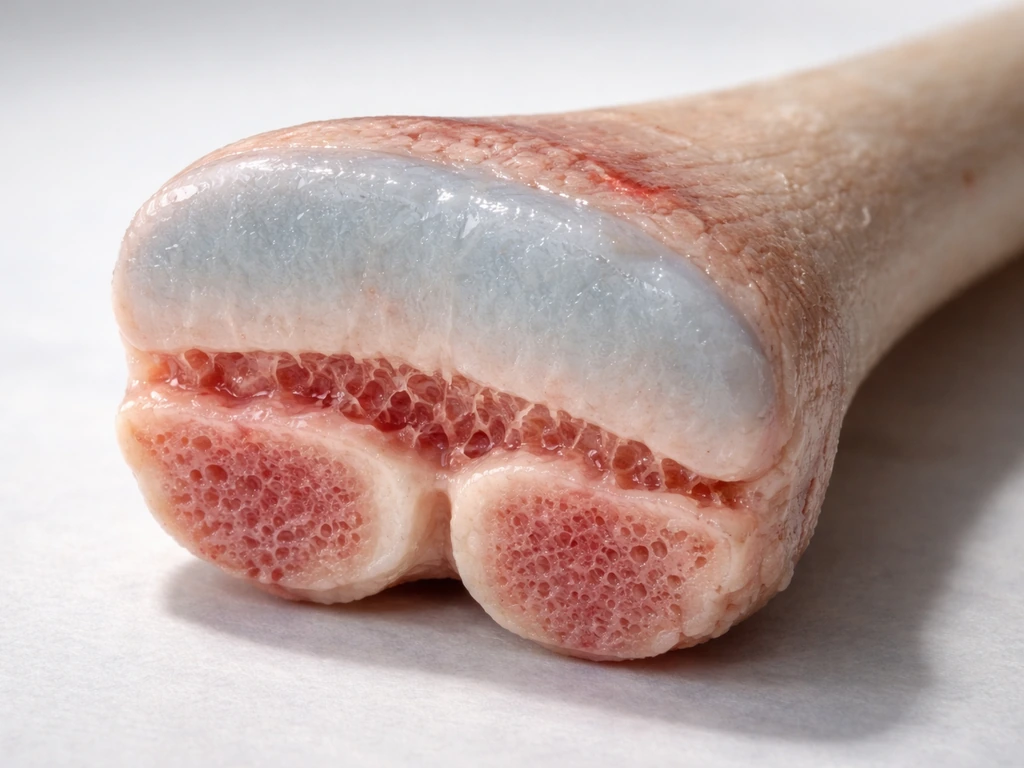
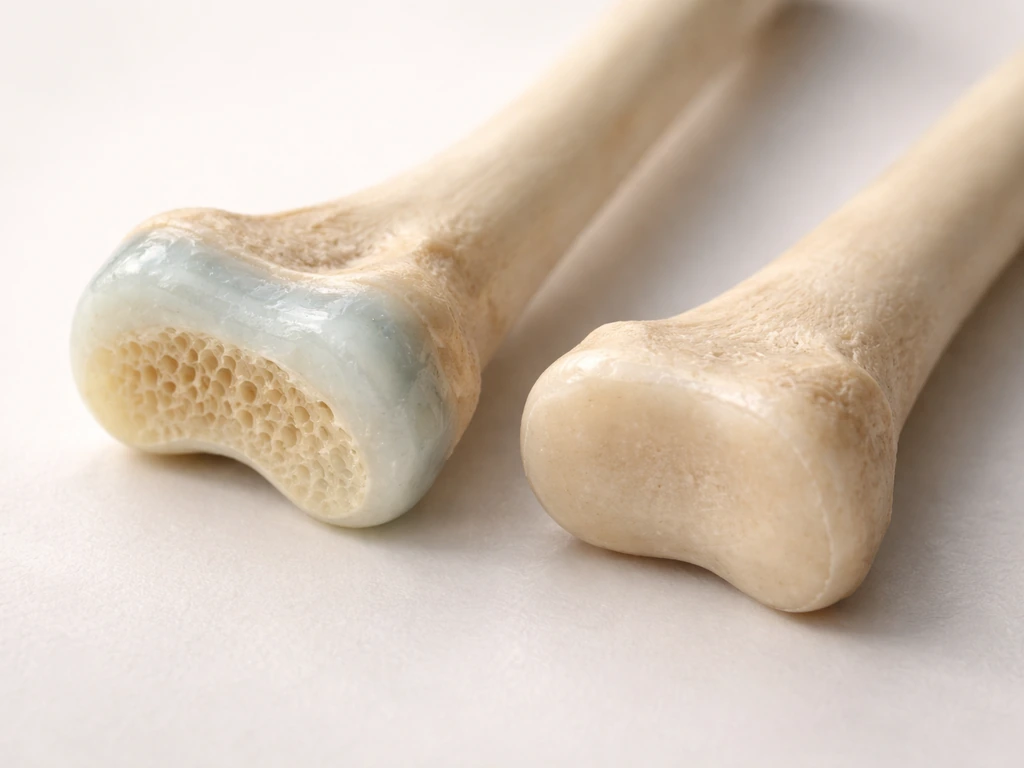
Height is determined by what happens at your growth plates, which are strips of cartilage near the ends of your long bones (femur, tibia, humerus, and so on). During childhood and puberty, these plates actively produce new cartilage cells that gradually harden into bone, pushing your bones longer. This is the only biological mechanism for increasing your standing height. Once puberty winds down, the plates fuse shut, longitudinal growth drops to zero, and no substance, supplement, or lifestyle change can reopen them.
The timing of all this is controlled primarily by sex hormones and growth hormone. Puberty triggers a surge in estrogen and testosterone, which accelerate growth plate activity in the short term but ultimately cause epiphyseal fusion, ending growth for good. Growth hormone, released in pulses by the pituitary gland (mostly during deep sleep), drives the liver to produce IGF-1, which is the molecule that directly tells growth plate chondrocytes to divide and elongate. This GH-to-IGF-1 pathway is the core engine of height growth.
Genetics sets the ceiling. About 60 to 80 percent of your final height is determined by the genes you inherited. The rest is shaped by nutrition, sleep, overall health during childhood and adolescence, and whether any medical conditions disrupted normal development. Once your growth plates have closed, usually in the late teens for girls and early-to-mid twenties for some late-developing males, that genetic ceiling is effectively locked in.
Could cannabis theoretically affect growth biology?
This is where the science gets interesting, even if the practical answer stays the same. Your body has an endocannabinoid system (ECS) built from CB1 and CB2 receptors, endogenous signaling molecules, and enzymes that regulate them. The ECS does play a role in bone biology. CB2 receptors are found on osteoblasts and osteoclasts, the cells responsible for building and breaking down bone tissue. Preclinical research shows that endocannabinoid signaling participates in bone remodeling and that it interacts with other growth-related pathways, including retinoic acid signaling. So the ECS is not irrelevant to bone, but bone remodeling is not the same thing as linear growth at the growth plates.
THC, the main psychoactive compound in cannabis, binds to CB1 receptors heavily expressed in the brain and nervous system. One theoretical concern, not a proven benefit, is that THC could disrupt normal hormonal signaling during puberty. Some research suggests cannabinoids may influence the hypothalamic-pituitary axis, which is exactly the system controlling GH and sex hormones. Whether this causes clinically meaningful changes in pubertal timing or final height in humans is an open question with very limited data.
Cannabis also affects appetite (the well-known munchies effect) and sleep architecture. Both of those are genuinely relevant to growth. Better nutrition and deeper sleep support height potential. But the appetite boost from THC is not a targeted nutritional intervention, and cannabis use is associated with disrupted REM and slow-wave sleep patterns in some users, which could counteract rather than support the nocturnal GH pulses that drive growth.
What the research actually shows

A 2018 systematic review looked specifically at cannabis exposure and pubertal outcomes, including effects on hormone levels and final height. The authors found the evidence to be limited, sparse, and low quality, with significant methodological problems including confounding variables and small sample sizes. They called for adequately powered prospective studies before any firm conclusions could be drawn. That is a polite scientific way of saying: we do not actually know the full picture yet, but there is certainly no positive evidence that cannabis increases height.
The CDC, the AAP, and the NCCIH all address cannabis use in adolescents, and none of them list height gain or growth stimulation as an effect. The CDC is explicit that teen marijuana use is associated with harm to the developing brain. The AAP frames cannabis risks in adolescents around cognitive development, mental health, and cannabis use disorder, not around height changes in either direction. The absence of any height-promotion finding across all of these bodies is itself meaningful. And the same conclusion applies to ashwagandha, where there is no solid evidence that it makes you grow taller height gain.
The myth that weed makes you taller likely comes from a few mixed-up ideas: cannabis increasing appetite could theoretically support caloric intake, the ECS does touch bone biology, and anecdotal reports of teens growing during periods of cannabis use exist. But correlation during puberty is almost always just puberty. Teens grow regardless of cannabis use, and attributing height gains to cannabis is like attributing them to a particular brand of shoes worn during the same period.
What to actually do based on where you are right now
If you're still growing (teens and young adults)

Your growth plates are still open, which means you still have real opportunity to reach closer to your genetic height ceiling. This is the window that matters most, and the levers that work are nutrition, sleep, and avoiding things that suppress growth. Cannabis does not help here. Nicotine, which is in cigarettes and vapes, is associated with impaired growth and is something to actively avoid if maximizing height is a priority. Heavy alcohol use is also problematic for hormonal development.
A practical starting point: track your height every three to six months. If you are still gaining height, your plates are still open. If growth has stalled for more than a year before you would expect puberty to be complete, that is worth discussing with a doctor. You can also look at your family history to get a rough sense of your genetic target height.
If you're done growing (adult)
Once your growth plates have fused, no supplement, drug, or lifestyle change will add skeletal height. What you can influence is how tall you appear and how your spine holds up over time. Posture correction, core strengthening, and maintaining spinal disc health can recover height that has been compressed by poor posture or disc dehydration. Adults can lose half an inch to an inch from postural collapse that is reversible with targeted work. Beyond that, maintaining bone density through calcium, vitamin D, and weight-bearing exercise matters for long-term skeletal health even if it will not make you taller.
Evidence-based ways to genuinely support height potential
These are the interventions backed by actual growth physiology research. If you are wondering about do gummy vitamins help you grow, that is not an evidence-based intervention compared with sleep, nutrition, and growth-plate physiology evidence-based interventions. If you are still in your growth years, these are where your attention should go.
| Factor | What to do | Why it matters |
|---|---|---|
| Sleep | 8–10 hours per night for teens 13–18 (AASM and AAP consensus) | Growth hormone is released in pulses during deep sleep; consistently short nights reduce total GH output |
| Protein | Adequate daily protein from whole food sources (meat, eggs, legumes, dairy) | IGF-1 production depends partly on dietary protein; deficiency directly limits growth plate activity |
| Calories | Enough total calories to support growth, not chronic restriction | Undereating suppresses GH/IGF-1 signaling and slows growth velocity |
| Calcium and vitamin D | Dairy, leafy greens, fortified foods, and sunlight or supplementation if deficient | Calcium is the raw mineral for bone; vitamin D enables its absorption and supports bone mineralization |
| Physical activity | Weight-bearing exercise and sports during growth years | Mechanical loading on bones stimulates growth plate activity and bone density development |
| Avoiding growth suppressants | No nicotine, minimize heavy alcohol, avoid chronic stress | Nicotine is associated with impaired linear growth; chronic stress elevates cortisol, which suppresses GH |
Sleep is genuinely the most underrated factor here. Getting 8 to 10 hours consistently is not just general health advice for teenagers, it directly supports the nocturnal GH pulses that drive growth. Cutting sleep to scroll or stay out late is a real cost during these years. Similarly, if nutrition is limited by food access, dieting, or an eating disorder, growth will suffer. These are not supplements or hacks. They are the actual biological inputs the growth system runs on. For comparison, questions about whether things like spinach or specific vitamins actually help you grow follow the same logic: what matters is whether you are genuinely getting the nutrients your growth system needs, not whether any single food or supplement is magic.
When to see a doctor and what to bring up
If you or your child is concerned about height, a pediatrician or pediatric endocrinologist is the right starting point. The Endocrine Society recommends evaluation when a child is dropping percentiles on the growth chart or when height velocity is slowing beyond what is expected for age and pubertal stage. The CDC growth charts provide a reliable framework for tracking this. A single height measurement tells you much less than a series of measurements over time, which reveal whether growth is on track or stalling.
When you see a clinician, here is what they are likely to evaluate and what you can ask about specifically:
- Bone age x-ray: an x-ray of the left hand and wrist shows skeletal maturity of the growth plates and estimates how much growing time remains. This is one of the most useful single tests for understanding height potential.
- Blood panels: screening for hypothyroidism, celiac disease, anemia, kidney function, and growth hormone markers or IGF-1 levels can identify treatable medical causes of slow growth.
- Pubertal hormone assessment: checking estrogen, testosterone, LH, and FSH helps determine whether puberty is progressing normally, too early, or delayed.
- Growth history review: bring any prior height measurements you have, including baby and childhood records if available. A growth curve drawn over years is far more informative than a single data point.
- Family height history: your mid-parental target height (calculated from parents' heights) gives the clinician a genetic reference point to compare your actual trajectory against.
If a treatable condition is found, addressing it early can make a meaningful difference in final height. Growth hormone deficiency, hypothyroidism, celiac disease causing malabsorption, and several other conditions are diagnosable and treatable. The key is not to wait and assume everything is fine if you have genuine concerns about growth trajectory. Earlier evaluation leaves more biological time to intervene if something is off.
FAQ
If weed makes some teens eat more, could that lead to getting taller?
No. Even if cannabis increases appetite for some people, that is not the same as providing the specific, consistent calories and micronutrients needed for growth plate activity. If you are gaining weight but your growth velocity is low, that points to a growth issue rather than a “need more weed” problem.
What if I (or my teen) started using cannabis and grew quickly right after? Would that mean it caused the growth?
You should not rely on cannabis exposure timing to judge height potential. Teens can have growth spurts while using or while not using cannabis, so the practical answer stays the same: cannabis is not a controllable lever for linear growth, and anecdotal timing is usually explained by normal pubertal variation.
Does using cannabis in a different form (edibles vs smoking vs vaping) change the chance of growing taller?
Smoking or vaping cannabis can indirectly be harmful during growth years through sleep disruption and respiratory irritation, and the overall developmental risks are the reason major medical groups focus on harm rather than benefits. If you are trying to maximize height outcomes, prioritize sleep, nutrition, and avoiding substances linked to worse development (including nicotine and heavy alcohol).
If my growth plates are probably closed, can cannabis still make me taller?
In general, no. Once epiphyseal plates fuse, you cannot reopen them with any substance, including THC. What can change after fusion is measured height if posture improves, or if spinal compression is reduced, but true bone length increase is not achievable.
How can I tell whether my height stall is normal puberty or something that needs medical evaluation?
Not as a reliable approach. If you want to estimate your genetic target, use a family-based height method and watch your height velocity over time. If your growth seems to be slowing beyond what is expected for your age and puberty stage, bring that up with a pediatrician or pediatric endocrinologist.
Is nicotine or alcohol worse than weed for growth and height outcomes?
Yes. Nicotine exposure is more clearly linked to impaired growth and overall health risks than cannabis is. If height is a priority, the safer decision is to avoid nicotine (including vapes with nicotine), and also be cautious with alcohol, which can interfere with healthy hormonal and sleep patterns.
Do gummy vitamins or “tall height” supplements help if weed does not?
Gummy vitamins can support growth only if you are deficient, but they do not “activate” growth plates the way growth physiology already requires (sleep-driven GH pulses, adequate nutrition, and overall health). If your diet is adequate, extra gummies usually do not add height, and if you have a deficiency, the right treatment depends on the specific deficiency.
What should I ask a doctor to check if height growth seems slow?
The most useful early check is height velocity plus pubertal stage, measured repeatedly. A clinician may order targeted tests only if there are red flags like dropping percentiles, delayed puberty, or symptoms suggesting endocrine or GI problems (for example, suspected malabsorption).
Should I tell my pediatrician if I use cannabis, even if the question is about height?
It is a good idea to be honest about all cannabis use when discussing growth concerns. That information helps clinicians interpret possible sleep issues, appetite changes, and mental health or adherence patterns that can indirectly affect nutrition and overall development.
What is the practical next step if a teen is already using cannabis and is worried about their height?
If you have been using cannabis heavily, the immediate benefit to growth outcomes is not height gain from THC, it is reducing factors that can worsen sleep quality and nutrition consistency. The best next step is a structured plan for consistent meals and sleep, and if growth is a concern, get assessed rather than trying to “correct” it with more cannabis.
Next Article
Does Coffee Not Make You Grow? Evidence on Height Growth
Does coffee stunt height growth? Evidence on caffeine, growth plates, sleep, and practical limits for kids and adults.