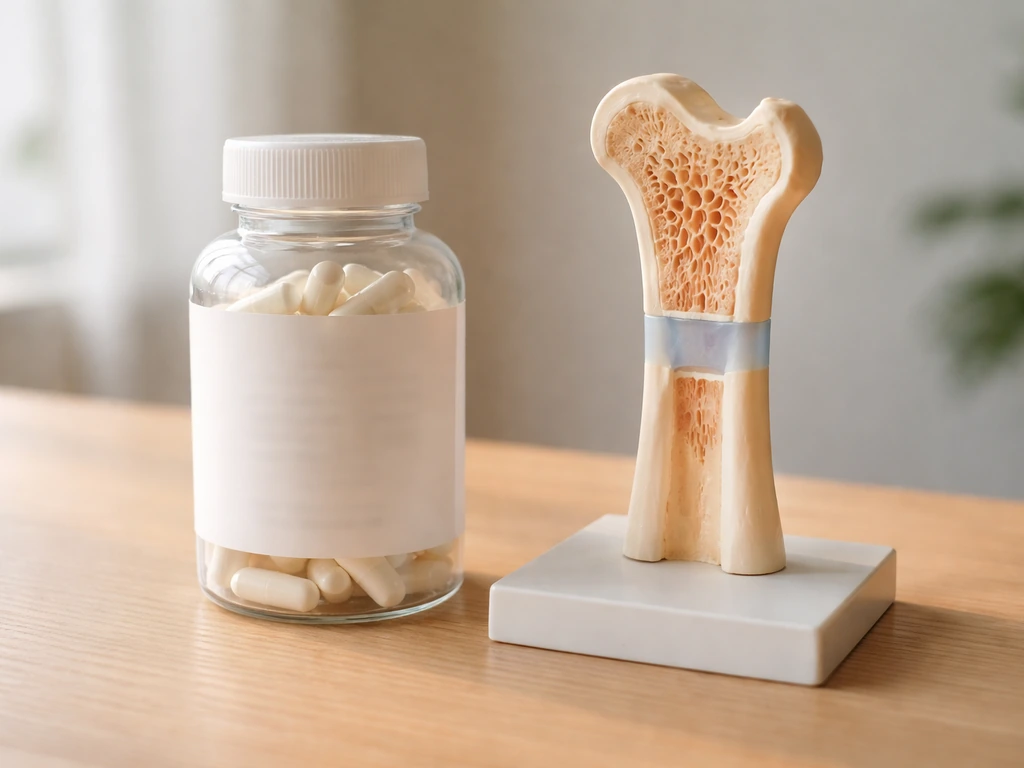
Ashwagandha does not make you grow taller in any meaningful, measurable way. There is no credible human evidence that taking ashwagandha (Withania somnifera, including popular extracts like KSM-66) increases height in children, teenagers, or adults. It can reduce cortisol, support sleep quality, and may modestly influence hormone levels in some adults, but none of those effects translate into actual bone length gains that show up on a measuring tape.
Does Ashwagandha Make You Grow? Height Evidence, Safety

Marcus Reeves
15 May 2026
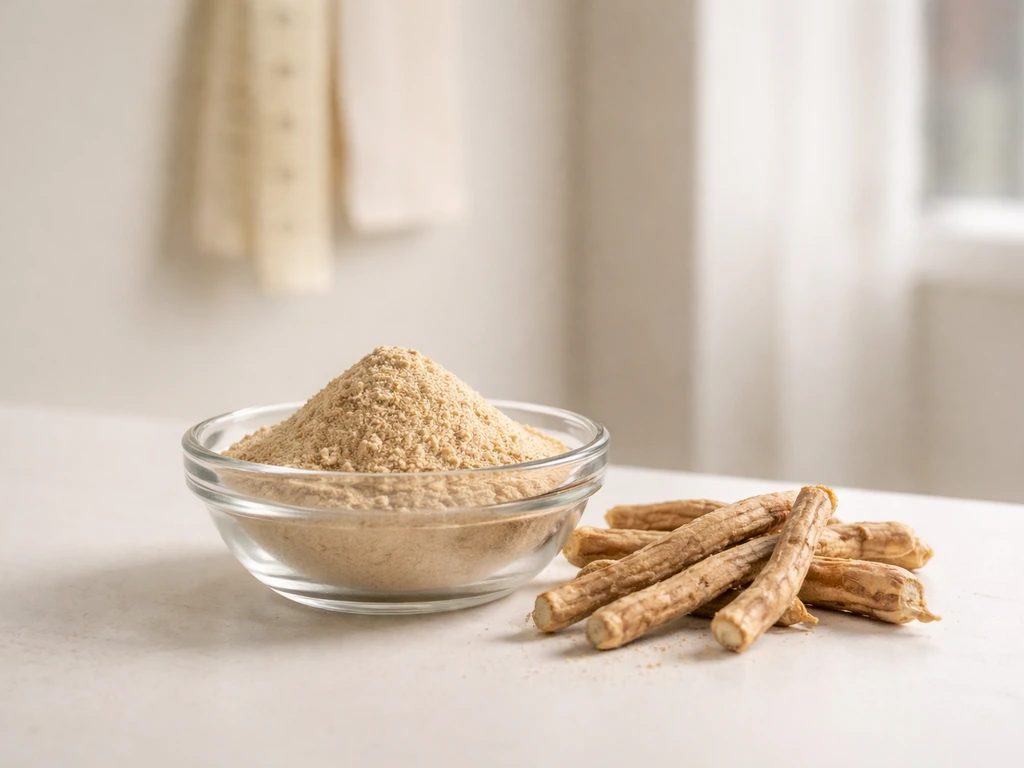
Why people think ashwagandha could make you taller

The logic people follow is actually not completely absurd, even if the conclusion is wrong. Ashwagandha is classified as an adaptogen, meaning it is thought to help the body handle stress more effectively. Several randomized controlled trials in adults have shown it reduces serum cortisol levels. From there, the reasoning goes: chronically elevated cortisol suppresses growth hormone (GH) and IGF-1 signaling, so lowering cortisol should open the door to more GH activity, which could theoretically support growth. Add in separate trials showing modest increases in testosterone in adult men, and supplement marketers have enough puzzle pieces to assemble a compelling but misleading story about height. This claim is consistent with randomized controlled trial findings on standardized ashwagandha extracts reporting small increases in testosterone and related reproductive hormones in adult males add in separate trials showing modest increases in testosterone in adult men.
You also see this claim spread because ashwagandha is genuinely popular with teenagers and young adults looking to optimize everything, and height is one of the most searched growth-related topics in that age group. When someone is 16 and still growing, it is tempting to believe a natural supplement could squeeze out an extra inch. That emotional context is worth understanding, because it is part of why the claim sticks around despite the evidence.
What ashwagandha actually does in your body
The best-supported effects of ashwagandha in humans are in three areas: stress and anxiety reduction, sleep quality, and modest hormonal shifts. On the stress side, multiple double-blind placebo-controlled trials using KSM-66 and other standardized root extracts have found meaningful reductions in perceived stress scores and measurable drops in morning cortisol. The NIH Office of Dietary Supplements similarly describes clinical findings showing ashwagandha can reduce perceived stress and lower morning cortisol reductions in perceived stress scores and morning cortisol. That is a real physiological effect, not just placebo.
Sleep quality improvements are also consistently reported, particularly reduced sleep onset time and better self-rated sleep quality. This matters for growth conversations because deep sleep (specifically slow-wave sleep) is when the pituitary releases the largest pulses of growth hormone. Poor sleep genuinely does blunt GH output, so anything that improves sleep has at least a theoretical path to supporting normal GH physiology in someone whose sleep was previously disrupted.
On hormones, some trials in adult men show small but statistically significant increases in testosterone and DHEA-S after eight to twelve weeks of supplementation. One randomized controlled trial using a standardized root extract reported improvements in testosterone, reproductive hormones, and self-reported well-being in adult males. These are real signals, but they are being measured in adults whose growth plates are already closed, which is a critical distinction that marketing materials tend to skip over entirely.
What the human evidence actually says about growth hormone and height

Here is where the story breaks down. Even if ashwagandha does nudge cortisol down and GH pulses up slightly in some adults, no human clinical trial has demonstrated that this translates into measurable increases in standing height or long-bone length. Growth hormone activity in an adult without open growth plates does not make you taller. GH in adults affects body composition, muscle protein synthesis, and metabolism, but bones can only lengthen at the epiphyseal growth plates, and those fuse during puberty, typically between ages 14 and 19 depending on sex and individual variation. Once fused, no hormone, supplement, or exercise protocol makes the bones longer.
IGF-1, which mediates many of GH's effects on bone, follows the same logic. Elevated IGF-1 in a child or adolescent with open plates can support normal skeletal growth. In an adult with fused plates, higher IGF-1 has other metabolic roles but does not translate to added height. The extrapolation from 'ashwagandha raises GH/IGF-1' to 'ashwagandha makes you taller' requires skipping over the most important biological constraint in the whole equation.
It is also worth noting that the GH and IGF-1 data for ashwagandha specifically in humans is thin. Most of the mechanistic reasoning is borrowed from general endocrine physiology about cortisol's suppressive effects on the HPA and HPG axes, not from direct measurements of GH pulsatility in ashwagandha-supplemented individuals over a growth-relevant time horizon. The honest summary is: the GH angle is largely theoretical, and even the theory has a ceiling.
Does it work differently for kids and teens versus adults?
This is the most important distinction in the entire question. Children and adolescents who still have open growth plates are the only people who could theoretically benefit from any intervention that supports GH/IGF-1 signaling, because their bones are still capable of longitudinal growth. If a teenager is experiencing significant chronic stress, poor sleep, and nutritional deficiencies that are actively blunting GH output, then addressing those factors (including stress) could help them reach their genetic height potential. But that is a very specific scenario, and it has nothing to do with ashwagandha specifically.
For adults, the answer is simply no. Bone growth stops when the growth plates fuse. You can optimize posture, which can recover an inch or two of apparent height that poor posture was masking, and you can improve spinal disc hydration and core strength, but your femurs and tibias are not getting longer. Ashwagandha's cortisol and sleep effects do not change that biology.
For children and teens who are genuinely concerned about growth, the right move is a conversation with a pediatrician, not a supplement purchase. A clinician can check where a child sits on standardized growth charts, assess pubertal stage using Tanner staging, and order bone age X-rays if there is concern about whether growth plates are still open. Those tools give you actual information. Ashwagandha does not.
What to actually focus on if you want to maximize height potential

If you or your child still has growth potential remaining, the evidence-based levers are well established and far more impactful than any supplement. The biggest ones are nutrition, sleep, and physical activity.
- Adequate total calories and protein: chronic energy restriction and low protein intake are among the most reliably documented suppressors of linear growth in children and adolescents. Getting enough food is foundational, not optional.
- Calcium and vitamin D: these are directly required for bone mineralization and are commonly insufficient, particularly in teenagers who avoid dairy or have limited sun exposure. Deficiency actively impairs bone development.
- Sleep quality and duration: this is genuinely one of the highest-leverage factors. Children aged 6 to 12 need 9 to 12 hours; teenagers need 8 to 10. Slow-wave sleep drives the nightly GH pulse that supports skeletal growth. Protecting sleep is more effective than any supplement stack.
- Resistance training and physical activity: weight-bearing exercise and resistance training stimulate bone remodeling and support healthy IGF-1 levels in growing individuals. It is not going to force extra growth, but it supports the normal process.
- Posture and spinal health: for adults specifically, working on posture, core strength, and flexibility can recover apparent height that was lost to habitual slouching or compressed discs. This is real and measurable, even if it is not true bone growth.
- Managing chronic stress and illness: prolonged psychological stress and unmanaged chronic illness (including untreated conditions like celiac disease or hypothyroidism) suppress normal growth signaling. These deserve proper medical attention, not supplement workarounds.
You will notice ashwagandha is not on that list. Some of those same levers (sleep, stress) are things ashwagandha can support at the margins, but the supplement itself is not the mechanism. If sleep is the problem, addressing sleep hygiene, screen time, and sleep schedule will do more than any adaptogen. If stress is the problem, the same principle applies. Think of ashwagandha as potentially helpful for supporting those conditions, not as a direct growth intervention. Other factors like spinach and leafy greens for micronutrients, and the evidence on specific vitamins in gummy or supplement form, follow the same logic: they can fill genuine nutritional gaps but they are not height magic.
How to use ashwagandha safely, and how to decide if it is worth it for you
If your goal is specifically height gain, ashwagandha is not the right tool and there is no dose that changes that. But if your goal is better stress management, improved sleep, or general adaptogenic support, the evidence is more supportive and the risk profile is relatively manageable in healthy adults. Here is what the current safety picture looks like.
| Factor | Details |
|---|---|
| Typical studied doses | 300 to 600 mg per day of standardized root extract (e.g., KSM-66 or Sensoril); most trials run 8 to 12 weeks |
| Common side effects | GI upset, loose stools, nausea, drowsiness (especially at higher doses) |
| Pregnancy | Contraindicated; may have uterotonic effects and should be avoided entirely during pregnancy |
| Autoimmune conditions | Use with caution or avoid; ashwagandha may stimulate immune activity and could worsen autoimmune flares |
| Thyroid conditions | May increase thyroid hormone levels; people on thyroid medication should consult a clinician before use |
| Sedation interactions | Can enhance sedative effects of medications including benzodiazepines, sleep aids, and some anticonvulsants |
| Liver safety | Rare cases of liver injury have been reported; discontinue and seek medical attention if jaundice or abdominal pain develops |
| Children and teens | Safety data in pediatric populations is limited; not recommended without clinician guidance |
The clearest advice: if you are an adult with no contraindications and your interest is stress or sleep support, ashwagandha is a reasonable option to discuss with your doctor. If you are considering it for a child or teenager with growth concerns, talk to a pediatrician first and get a proper growth evaluation. A bone age X-ray and growth chart review will tell you far more about actual growth potential than any supplement ever could.
Signs that a growth concern deserves medical investigation include: height consistently below the 3rd percentile on standardized growth charts, a noticeable drop across percentile lines over 12 to 24 months, delayed puberty relative to peers, or a significant gap between a child's height and what would be predicted from parental heights. These are signals for a clinician, an endocrinologist if needed, and real diagnostic tools. Not a supplement order.
Bottom line: ashwagandha is a legitimate adaptogen with real effects on stress and sleep, and it may have modest hormonal benefits in some adults. But it does not make you taller, and the chain of reasoning that leads people there contains several broken links. Gummy vitamins are marketed for growth, but the same biology about growth plates and credible evidence applies to them as well do gummy vitamins help you grow. Focus on the fundamentals, get evaluated by a doctor if growth is a genuine concern, and use ashwagandha only if it addresses a real need you have, with appropriate expectations and medical clearance.
FAQ
Can ashwagandha help kids or teens reach their genetic height potential, even if it cannot increase height directly?
It might help indirectly only if it improves factors that already affect normal growth, like chronic stress or disrupted sleep. But that is not the same as proven height gain from ashwagandha itself, and the safest approach is to identify the real limiter with a pediatrician, growth chart review, and sometimes bone age testing.
If someone is 14 to 19 years old, could ashwagandha extend the period of growth plate activity?
There is no evidence it keeps growth plates open longer or increases bone length. Growth plate fusion is driven by developmental timing and puberty biology, so supplements cannot be relied on for that outcome.
What would count as “proof” that ashwagandha makes you grow, for example in a clinical trial?
You would want height outcomes measured objectively over at least 6 to 12 months, with changes in standing height (or long-bone length in research settings), ideally alongside indicators like bone age. Lab markers like cortisol or testosterone shifts alone would not be enough to claim height growth.
Could ashwagandha make you look taller because of posture improvements?
Potentially, by improving sleep quality, stress, and activity habits, you might stand or move differently. But that effect is appearance-related, such as straighter posture, not true increases in femur and tibia length.
I’ve heard ashwagandha increases growth hormone, does that mean it will raise IGF-1 enough to add height?
Even if GH or IGF-1 signals rise modestly in some adults, the missing requirement is open growth plates. In adults with fused plates, higher IGF-1 mainly affects metabolism and tissue function, not added bone length.
Does taking ashwagandha earlier in puberty matter for height outcomes?
No human evidence shows timing changes height results. The key variable is whether growth plates are still open, which depends on pubertal stage, and ashwagandha has not been shown to change that timing meaningfully.
If I use ashwagandha for sleep, could that indirectly boost height during puberty?
Better sleep can support normal GH physiology and deep sleep patterns, which is biologically plausible. However, that does not equal evidence that it increases measured height, so the best plan is to fix sleep consistently and monitor growth with your clinician if there are concerns.
Are there any doses or specific formulations of ashwagandha that are known to increase height?
No dose or formulation has been shown to cause measurable height increases. Standardized extracts may affect cortisol or stress measures, but that benefit has not been translated into bone-length growth.
What are the most common mistakes people make when using ashwagandha for “growth”?
They assume hormonal marker changes automatically become bone-length changes, ignore growth plate fusion in adults, and do not check whether a child is actually tracking appropriately on growth charts (or whether puberty timing is delayed).
Is it ever reasonable to combine ashwagandha with nutrition supplements marketed for growth?
Only if the person has a proven nutritional gap or medical need, for example low vitamin D or insufficient total calories. “Growth” marketing does not replace evaluation, and stacking products increases the chance of side effects without improving height.
Should adults avoid ashwagandha if they are worried about height or growth?
There is no reason to take it for height because it will not change bone length after growth plate fusion. If an adult wants it for stress or sleep, they should still screen for contraindications with a doctor, especially if they have thyroid disease, autoimmune conditions, or take sedatives.
When should a parent stop researching supplements and seek medical evaluation for a child’s growth?
If a child drops percentiles over 12 to 24 months, is under the 3rd percentile, has delayed puberty compared with peers, or there is a large mismatch between observed height and what genetics predicts, it is time for a pediatrician review and possibly bone age assessment.
If a child’s growth concern turns out to be normal variation, can ashwagandha be used safely for stress or sleep?
It may be considered only after a pediatrician approves, because safety and dosing in children are not the same as in adults. Also, if sleep and stress are the real targets, clinicians will often prioritize sleep routine changes first.
Next Article
Does L-Arginine Help You Grow Taller? Evidence and Safety
Evidence on whether L-arginine can increase height, its biology, limits by growth plates, and safe, better alternatives.