Spinach can support healthy growth, but only in specific circumstances, and it will not make you taller on its own. If a child or teenager is deficient in key micronutrients, adding nutrient-dense foods like spinach to their diet can help them reach closer to their genetic height potential. But if nutrition is already adequate, eating more spinach won't add a single centimeter. And for adults whose growth plates have already fused, no food, spinach included, can increase height.
Does Spinach Help You Grow Taller? Evidence and Tips

Marcus Reeves
23 May 2026

How you actually grow taller (the biology first)
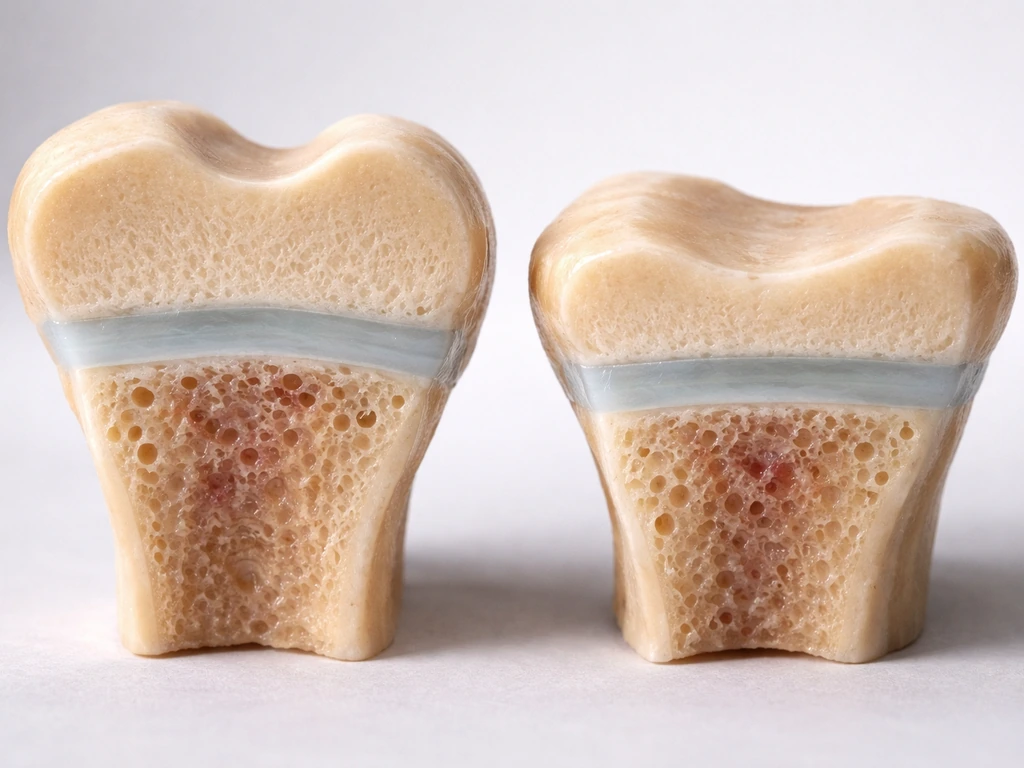
Height comes down to what happens at your growth plates, also called the physis. These are thin bands of cartilage near the ends of your long bones (femur, tibia, humerus, and others) where new bone tissue is produced during childhood and adolescence. Chondrocytes in those plates divide and stack, pushing the bone longer. When that process is active, you grow. When the plates close and fuse, growth stops permanently.
The growth plate process is driven by two main hormonal systems. Growth hormone (GH), released by the pituitary gland, stimulates production of IGF-1 (insulin-like growth factor 1) mainly in the liver, and that GH/IGF-1 axis is the primary regulator of linear bone growth. Sex steroids, especially estrogen, fuel the growth spurts of puberty but also accelerate growth plate closure, which is why girls often stop growing a few years earlier than boys. Thyroid hormone and other factors also play supporting roles.
Genetics sets the upper limit for how tall you can grow. A commonly used rough estimate is mid-parental height: average the two parents' heights, add 6.5 cm if the child is male or subtract 6.5 cm if female, and you get a reasonable target range. Nutrition, sleep, activity, and overall health determine how close to that genetic ceiling a person actually gets. That gap between potential and reality is where food choices (including spinach) can actually matter.
What spinach actually contains, and what that means for growth
Spinach is genuinely nutrient-dense. One cup of raw spinach provides about 144.blank" rel="noopener noreferrer">9 mcg of vitamin K, 58.2 mcg of folate, blank" rel="noopener noreferrer">2,813 IU of vitamin A, 0.81 mg of iron, and 23.7 mg of magnesium. Let's go through what those nutrients can realistically do for growth.
Iron
Iron deficiency is one of the most common nutritional deficiencies in children worldwide, and it's associated with impaired linear growth in observational studies. Correcting an iron deficiency, through food or supplementation, can help restore normal growth trajectory in children who were falling short because of it. Spinach contains non-heme iron, which is absorbed less efficiently than heme iron from meat, and spinach also contains oxalates that can further reduce absorption. Eating spinach alongside a vitamin C source improves iron uptake.
Folate (vitamin B9)
Folate is essential for DNA synthesis and rapid cell division, both of which matter enormously during periods of fast growth. Deficiency during early development is well established as harmful. For a child eating an otherwise adequate diet, spinach is a solid folate source. Spinach won't be a meaningful source of zinc, though, and zinc is arguably the micronutrient with the best evidence for modest linear growth effects in deficient populations, with randomized controlled trials showing growth improvements in zinc-deficient children.
Vitamin A
Vitamin A supports bone remodeling and immune function, both of which indirectly relate to growth. Interestingly, clinical trial data on vitamin A supplementation and linear growth have generally shown little or no direct benefit, even in populations where deficiency is common. That doesn't mean vitamin A is unimportant, it means it's rarely the single limiting factor for height when other nutrients are also low.
Vitamin K and magnesium
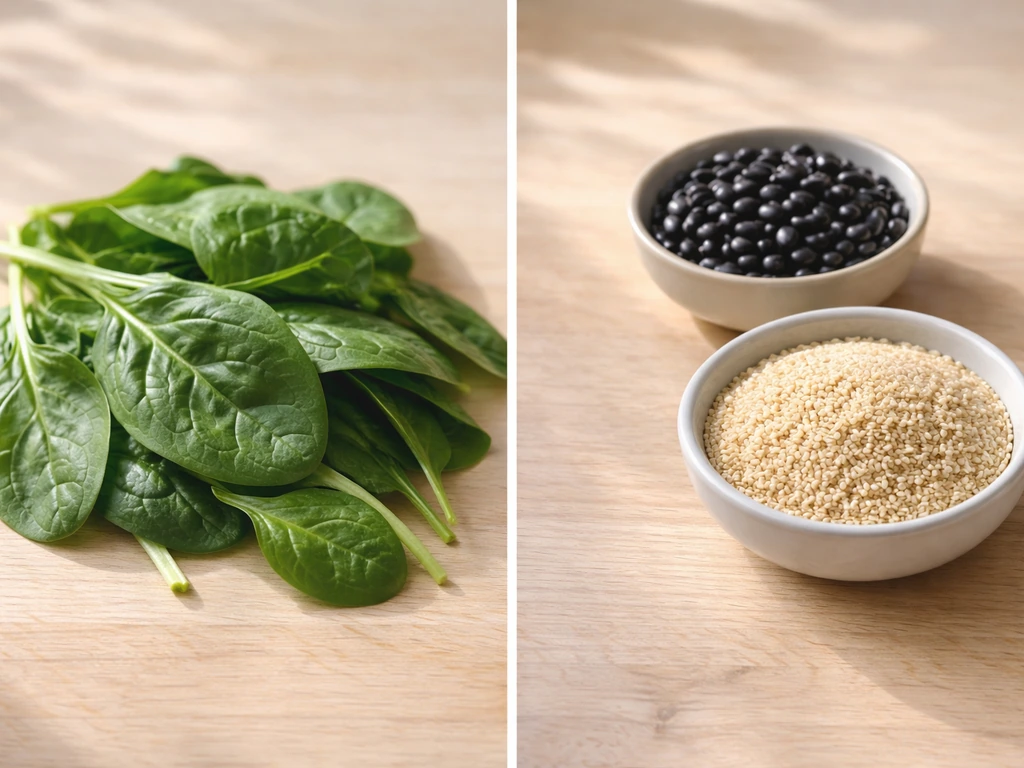
Vitamin K plays a role in bone mineralization, helping proteins like osteocalcin bind calcium into bone properly. Magnesium is a cofactor in hundreds of enzymatic reactions and is involved in bone matrix formation. Neither nutrient has strong direct trial evidence for increasing linear growth, but both contribute to the skeletal health that underpins normal development. Think of them as part of the foundation, not the accelerator.
What spinach doesn't provide much of
Spinach is low in zinc, low in calcium (and its oxalate content can actually interfere with calcium absorption when spinach is consumed alongside dairy), and contains essentially no protein in a meaningful serving. Zinc, calcium, and protein are arguably more directly tied to height growth than most of what spinach offers. So while spinach fills real gaps, it shouldn't be treated as a growth-focused superfood when those other nutrients are being ignored.
When diet actually affects height (and when it doesn't)
This is the part that matters most practically. The effect of nutrition on height is almost entirely relevant during the years when growth plates are still open, which typically means from infancy through mid-to-late adolescence. The WHO uses height-for-age as a measure of cumulative nutritional and health status over time precisely because chronic malnutrition shows up as stunting (low height for age). Improving nutrition during that window can genuinely help a child reach closer to their potential.
The impact is largest when there's an actual deficiency. A child who isn't getting enough iron, zinc, or folate and starts eating a more varied diet including leafy greens can see measurable growth improvements. A child who is already well-nourished, eating enough protein, calories, and micronutrients, will not grow taller from adding spinach. That same logic applies to coffee: unless it affects nutrition or sleep in a harmful way, it is not a true height-growth driver coffee affects growth. Nutrition doesn't work like a growth booster on top of adequacy. It works by removing deficiency as a limiting factor.
For adults, the conversation is different. Growth plates typically fuse fully by the late teens or early twenties. Once that happens, no amount of nutrition, spinach or otherwise, will lengthen your bones. Diet still matters enormously for bone density, posture, and overall health, but not for height. This is one of the most important myths to address directly: eating spinach as an adult will not make you taller.
| Life Stage | Growth Plates Status | Can Spinach/Nutrition Affect Height? | Realistic Impact |
|---|---|---|---|
| Infants and toddlers (0-3 years) | Open and very active | Yes, if deficient | Significant if correcting deficiency |
| Children (4-12 years) | Open | Yes, if deficient | Moderate if correcting deficiency |
| Teenagers (13-18 years) | Open, closing during late puberty | Yes, earlier in this window | Decreasing as plates close |
| Adults (18+ years) | Fused | No | None for height specifically |
How to actually eat spinach for growth support
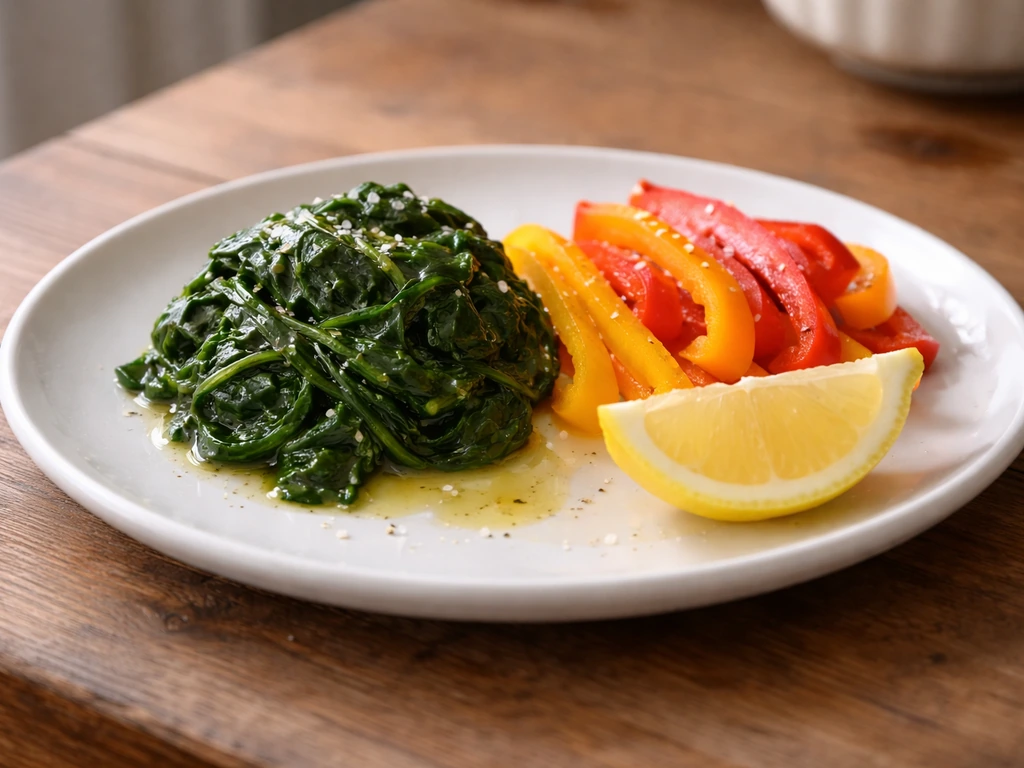
If you're trying to support healthy growth in a child or teenager, spinach is a genuinely useful part of a balanced diet. Here's how to make it work practically rather than just adding it and hoping for results.
- Pair spinach with a vitamin C source (citrus, tomatoes, bell pepper) to improve iron absorption from the non-heme iron in spinach.
- Don't rely on spinach as your primary calcium source since its oxalate content can block calcium absorption. Get calcium from dairy, fortified plant milks, or broccoli instead.
- Cook spinach to reduce oxalate content slightly, which can modestly improve mineral availability.
- Add spinach to meals that already contain protein and zinc (eggs, meat, legumes, nuts) so you're filling in gaps rather than creating an isolated vegetable meal.
- Aim for a genuinely varied diet. The evidence points to zinc and protein as having the strongest direct link to linear growth, so spinach works best as part of a broader nutrient strategy, not a standalone fix.
- For children who resist leafy greens, blending spinach into smoothies, pasta sauces, or scrambled eggs is an effective workaround.
For context on what else influences this picture: some other foods and substances have weaker or actively negative relationships with growth. The research on things like caffeine (explored in questions about whether coffee affects growth) and cannabis exposure during adolescence suggests the nutrition side of height potential is just one piece of a larger lifestyle picture during development. Cannabis exposure during adolescence is linked to growth effects in some studies, which is why the answer depends on the age and the presence of nutritional or medical limiting factors.
If you're genuinely worried about your height or a child's growth
If a child appears to be falling behind on growth charts, the right move is to get an actual evaluation, not to just add spinach. Pediatricians use CDC and WHO growth charts to track height-for-age over time. A consistent drop across percentile lines, or a height-for-age below roughly the 3rd percentile, is worth investigating. The CDC recommends the WHO growth standards for children under 2 years, and the CDC reference charts for ages 2 through 20.
A clinical evaluation for growth concerns typically includes blood tests to rule out treatable causes. The Endocrine Society notes that standard screening looks at anemia (iron status), celiac disease, thyroid function, and sometimes growth hormone markers and puberty hormones. The goal is to distinguish a medical cause from normal genetic variation like familial short stature or constitutional growth delay, which is a pattern where kids grow more slowly but eventually reach a normal height.
For teenagers or adults who are simply concerned about their height without any sign of medical delay, the realistic next steps are: ensure consistent sleep (growth hormone is released mostly during deep sleep), maintain a diet with adequate protein, zinc, calcium, and vitamin D, stay physically active, and have honest conversations with a doctor about growth expectations based on family history. These won't override genetics, but they ensure nutrition and lifestyle aren't artificially limiting what's genetically possible.
Spinach fits neatly into that picture as one useful food among many. Gummy vitamins can supply some micronutrients, but they do not change growth plate biology in the absence of a real deficiency do gummy vitamins help you grow. It's not a height-growth food in any special or magical sense, but it's a micronutrient-dense vegetable that can help close real nutritional gaps during the years when those gaps genuinely matter for development. Eat it regularly, pair it smartly, and keep expectations grounded in the biology.
FAQ
How much spinach should a child eat to support growth, and does more mean taller results?
There is no growth-specific dose. If a child is already meeting calorie and micronutrient needs, extra spinach will not increase height. If iron or folate intake is low, having spinach regularly as part of a varied diet can help, typically by serving it a few times per week. Focus on overall protein, calories, iron sources, and other vegetables, not a single “target cup” for height.
Does spinach help if my child is short but otherwise healthy?
If height is low because genetics sets a smaller target or because of a normal growth pattern, spinach usually will not change the outcome. The useful question is whether there is a limiting factor, such as iron deficiency, poor overall intake, celiac disease, thyroid problems, or other medical issues. If the growth percentile is dropping or height-for-age is very low, an evaluation matters more than dietary tweaks.
What’s the best way to eat spinach to improve iron absorption?
Because spinach contains non-heme iron that is absorbed less efficiently, pairing it with vitamin C can improve uptake. Practical options include serving spinach with citrus fruits, strawberries, bell peppers, tomatoes, or adding a vitamin C rich side. Also consider not relying on spinach alone for iron, since meat and other iron sources generally provide more bioavailable iron.
Can spinach reduce calcium absorption if a child drinks milk with it?
It can interfere somewhat due to oxalates, particularly when spinach is a large part of the meal. This does not mean spinach is “bad,” but if calcium intake is borderline, you may want to ensure other reliable calcium sources are consistently included and avoid making spinach and dairy the only plan for that meal.
Is it better to use cooked spinach or raw spinach for growth-related nutrients?
Both can help, but cooked spinach often makes iron and some nutrients easier to eat and portion consistently, while raw spinach may be harder for some kids to eat enough of. Cooking also reduces water content, which changes volume, so “cups” can be misleading. Choose a form your child will tolerate and pair it with vitamin C and other nutrient sources.
Do spinach smoothies or spinach gummies help children grow?
A smoothie can work if it still provides real servings of spinach and is not replacing more nutrient-dense whole meals. Gummies are different, they usually deliver limited nutrients and do not recreate the nutrient matrix of foods, so they are not a substitute for addressing an actual deficiency or ensuring adequate protein, calories, and multiple micronutrients.
Should I give spinach to a teenager who already eats well and sleeps enough?
If the teenager is already well-nourished, additional spinach is unlikely to increase height, because height is limited by open growth plates plus genetics and overall nutrient adequacy. At that point, the higher-yield steps are adequate protein, zinc and calcium plus vitamin D, consistent sleep, and activity, and checking medical issues if growth is unusually slow.
If a child has iron-deficiency anemia, should we rely on spinach instead of supplements?
Not usually. Food can support improvement, but iron-deficiency anemia often needs medical treatment and lab monitoring, because correcting iron stores can require higher doses than food provides. If labs show deficiency, ask the pediatrician about supplementation and dietary strategy together, and do not delay treatment while relying only on spinach.
At what age do growth plates usually fuse, and does spinach still matter for height after that?
Growth plates typically fuse in late teens to early adulthood, varying by sex and individual development. After fusion, nutrition cannot lengthen bones, so spinach will not increase height, though it can still support general health and bone health. The value of spinach then shifts from “height growth” to overall nutrition.
My child’s height percentile drops over time, what should we do next beyond changing diet?
A declining percentile is a reason for medical review, not just a food experiment. Ask the pediatrician to assess growth velocity and consider blood tests for common treatable causes such as anemia and other nutrient-related conditions, thyroid issues, and gastrointestinal problems. Track height at regular intervals rather than waiting for a dramatic change.
Next Article
Does Ashwagandha Make You Grow? Height Evidence, Safety
Science on ashwagandha and height: myth vs human evidence, safety, and practical steps to support growth safely.