
Almond milk won't make you grow taller or increase your breast size in any meaningful, direct way. What it can do is contribute to overall nutrition, and good nutrition is one of the real levers you have on growth during childhood and puberty. The distinction matters, because the mechanism is 'supports the system that drives growth,' not 'triggers growth itself.' If you're choosing almond milk over dairy or soy, the fortified versions can cover some of the same nutritional bases, but you need to pick carefully, because not all almond milks are nutritionally equivalent.
Does Almond Milk Help You Grow Taller or Breasts?

Marcus Reeves
28 Apr 2026

Does almond milk affect height or only overall nutrition?
Almond milk's relationship to height is indirect at best. It doesn't contain a growth-triggering compound. What it can provide, if it's fortified, is calcium, vitamin D, and some potassium, all nutrients that matter for bone health and normal development. Unfortified almond milk is mostly water with a small amount of ground almonds, so the nutrient profile is thin. The FDA specifically advises consumers to check the label because nutrient amounts in plant-based milk alternatives vary widely depending on the plant source, processing method, and what's been added. Two cartons of almond milk from different brands can have dramatically different calcium or vitamin D levels, so the label check isn't optional if nutrition is your goal.
Where almond milk fits well is as a vehicle for nutrients you'd otherwise get from dairy, particularly for people who are lactose intolerant, allergic to cow's milk, or avoiding dairy for other reasons. In that context, a well-fortified unsweetened almond milk closes some nutritional gaps. Where it falls short compared to cow's milk and fortified soy milk is protein. A cup of cow's milk has around 8 grams of protein; most almond milks have 1 gram or less. Protein is genuinely important for growth, so if almond milk is your primary milk substitute, you need to get protein from elsewhere in your diet.
Height growth basics: growth plates, age, puberty, and genetics

To understand why no single food or drink 'makes you taller,' you need a clear picture of how height growth actually works. Height is primarily determined by the activity of growth plates, which are zones of cartilage near the ends of your long bones. Growth hormone (produced by the pituitary gland) stimulates the liver to release IGF-1, which then signals those plates to produce new cartilage and bone tissue.
During childhood and especially during puberty, this system runs at high speed. After puberty, sex hormones (estrogen and testosterone) cause the growth plates to harden and fuse. Once fused, the bones can no longer lengthen, and height gain is essentially over. This happens around ages 16 to 18 in girls and 18 to 21 in boys, though it varies individually.
Genetics is the dominant factor. Studies on twins consistently show that about 60 to 80 percent of height variation between people is attributable to genetics. Your parents' heights are the strongest single predictor of your final height. The Endocrine Society's guidance on growth and short stature explicitly notes that evaluating growth problems includes family history and bone age, precisely because genetic potential sets the ceiling, and endocrine or pubertal factors can explain deviations from that ceiling. Nutrition, sleep, and physical activity influence whether you reach that genetic potential, but they don't extend beyond it.
Can almond milk help you grow taller? What research would need to be true
For almond milk to specifically help you grow taller, the research would need to show one of two things: either that almond milk contains something that directly stimulates the growth hormone or IGF-1 axis, or that people drinking almond milk have better height outcomes than people who don't, controlling for everything else. Neither of those findings exists. What does exist is evidence that adequate nutrition generally supports growth velocity in children and adolescents.
The same principle applies to Lactaid milk: it can support nutrition, but it doesn't act like a direct growth trigger does lactaid milk help you grow. A meta-analysis of randomized controlled trials in children and adolescents aged 6 to 18 examined blank" rel="noopener noreferrer">milk and milk product consumption and growth outcomes, finding a measurable effect on height velocity for dairy milk.
A meta-analysis of randomized controlled trials in children and adolescents found that dairy milk consumption improves height velocity, reflecting dairy-related factors rather than a direct growth effect from a single food [a meta-analysis of randomized controlled trials in children and adolescents aged 6 to 18 examined milk and milk product consumption and growth outcomes, finding a measurable effect on height velocity for dairy milk. ](https://pmc. ncbi. nlm.
nih. gov/articles/PMC10509403/). That effect is attributed primarily to protein, calcium, vitamin D, and potentially bioactive compounds specific to dairy, none of which are native to almonds.
Almonds themselves are a good source of vitamin E, magnesium, and some calcium, and they contain protein, but the amounts that end up in a glass of almond milk after processing are small. If you drank almond milk as part of a diet that otherwise met all your nutritional needs, the contribution to growth would be as part of that overall diet, not because of anything special about almonds or almond milk specifically. The more honest framing: fortified almond milk can be a useful piece of a growth-supportive diet, not a growth driver. If you are asking specifically about Pediasure, it can help when it fills nutrition gaps, but it does not act like a direct growth trigger does pediasure help you grow.
Breast size myths: why almond milk and phytoestrogens aren't a reliable solution
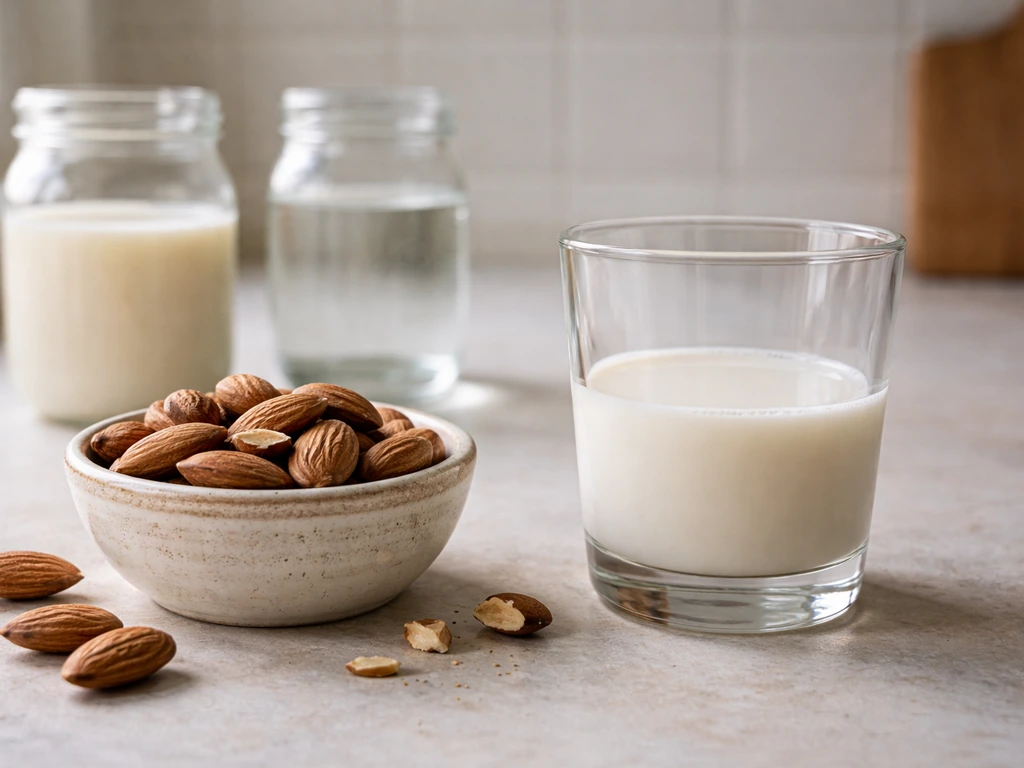
A persistent claim online is that almond milk (or soy milk) can increase breast size because almonds contain phytoestrogens, plant compounds that have weak estrogen-like activity in the body. The reasoning sounds plausible on the surface but falls apart quickly when you look at the physiology. Breast tissue development during puberty is driven by estrogen produced by your own ovaries, and the amount of estrogen involved in that process is many times more potent than what any dietary phytoestrogen can deliver. Phytoestrogens from food sources actually bind to estrogen receptors weakly and incompletely, and in many tissues they act as partial estrogen blockers rather than boosters.
The phytoestrogen content of almonds is also low compared to foods like flaxseed or soy. So even the starting premise, that almond milk is a significant phytoestrogen source, is shaky. More importantly, breast size in adults is determined by genetics, body fat distribution, age, hormonal history, and pregnancy or breastfeeding. Diet doesn't reliably change it after development is complete. During puberty, adequate nutrition and healthy hormonal function support normal breast development, but no specific food accelerates or enlarges that process. If someone tells you almond milk will grow your breasts, that's a myth, not a nutrition fact.
If you want to support growth: what to eat, and how almond milk fits in
If you or your child are in a growth phase and want to support it nutritionally, the goal is meeting overall nutritional needs consistently, not finding a magic food. The nutrients that matter most for height growth are calories (you can't grow if you're chronically underfed), protein, calcium, vitamin D, zinc, and iron. Here's how to think about each and where almond milk can help or fall short.
| Nutrient | Why it matters for growth | Almond milk's contribution (fortified) | Better sources if needed |
|---|---|---|---|
| Protein | Builds bone matrix and muscle; supports IGF-1 signaling | Low (about 1g per cup) | Meat, eggs, legumes, dairy, soy milk |
| Calcium | Bone mineralization during growth plate activity | Good if fortified (often 350–450mg per cup) | Dairy milk, tofu, fortified soy milk, leafy greens |
| Vitamin D | Helps calcium absorption; supports bone development | Good if fortified (often 100–120 IU per cup) | Sunlight, fatty fish, fortified dairy, supplements |
| Zinc | Involved in growth hormone function and cell division | Small amounts | Meat, shellfish, nuts, seeds, legumes |
| Calories | Energy substrate for all growth processes | Low (30–60 kcal per cup unsweetened) | Whole foods across the diet |
If almond milk is your primary milk alternative, choose a brand fortified with calcium and vitamin D, and make sure protein comes from other sources throughout the day. Unsweetened is almost always the better option since added sugar has no growth benefit and displaces other nutrients. For children under two, the FDA and major pediatric bodies recommend whole cow's milk or fortified soy milk rather than almond milk, because the protein and calorie density of almond milk is too low for that stage of development. For older kids and teens, fortified almond milk can work as part of a varied diet.
Sleep and physical activity also matter here, not just food. Deep sleep is when growth hormone is secreted in its largest pulses, so consistent, adequate sleep during childhood and adolescence is genuinely growth-supportive. Weight-bearing exercise supports bone density. None of this is as exciting as a single food answer, but it's what the evidence actually supports.
Choosing a fortified almond milk: what to look for on the label
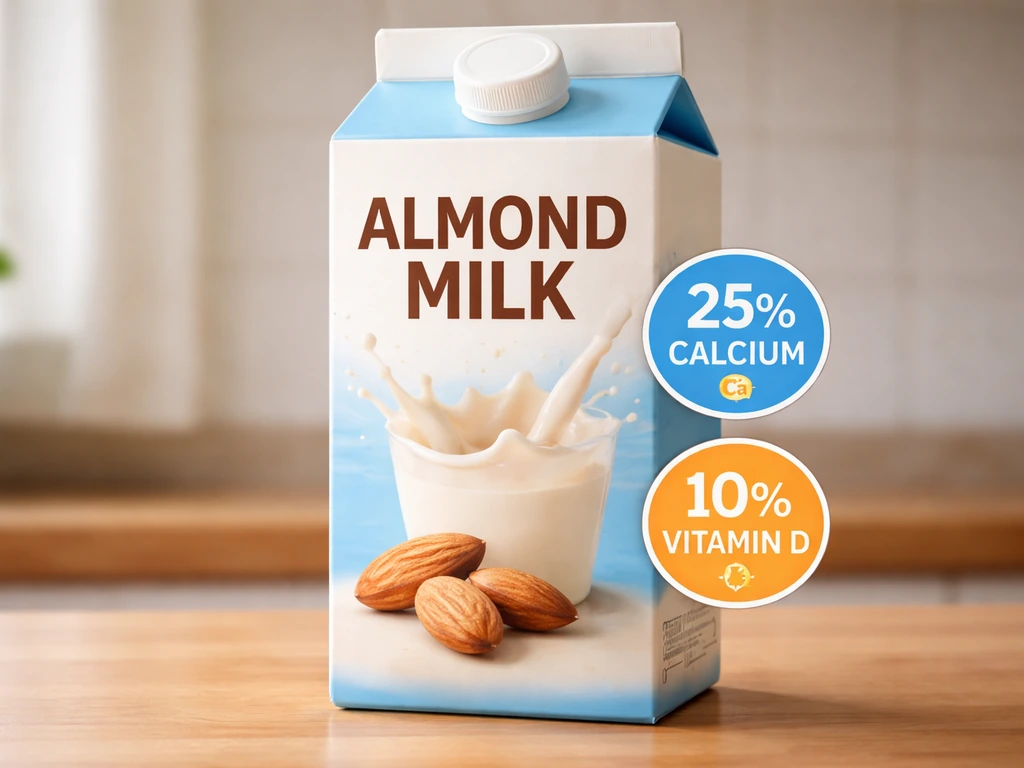
- Calcium: aim for at least 25 to 30 percent of the daily value per serving (around 300mg), which is comparable to cow's milk
- Vitamin D: look for at least 10 to 15 percent daily value per cup
- Protein: check the label and compensate elsewhere if protein is under 2g per cup
- Unsweetened: added sugars add calories without nutritional benefit for growth
- Shake the carton before pouring, since calcium fortification can settle at the bottom
Adult vs teen expectations, and when to talk to a doctor
If you're a teenager still in puberty, nutrition genuinely matters and you have real biological potential to work with. Eating well, sleeping enough, staying active, and managing stress are the levers available to you. Almond milk, as part of a nutrient-dense diet, contributes to that. If you're an adult with fused growth plates, no dietary change will add height. That's not a pessimistic claim, it's just physiology. Your bones have completed their longitudinal growth. What nutrition does for adults is maintain bone density, reduce fracture risk, and support overall health, which is still valuable, just different.
If a child or teenager seems to be growing significantly slower than expected based on family history, or if growth has stalled and puberty seems delayed or abnormal, that's a conversation for a pediatrician or pediatric endocrinologist, not a nutrition fix. The Endocrine Society's approach to growth and short stature involves assessing bone age through X-ray, evaluating hormone levels, and reviewing growth charts over time. These are medical evaluations that dietary changes can't replace. Similarly, if you're concerned about breast development being absent or significantly delayed during puberty, that's worth discussing with a doctor, not addressing with dietary phytoestrogens.
It's also worth noting that other milk alternatives occupy different positions on the nutrition spectrum. Dairy milk and fortified soy milk tend to be the most nutritionally complete for growth support, which is why they're the options most frequently cited in pediatric guidance. Chocolate milk can similarly help with growth mainly by providing calories, protein, calcium, and vitamin D as part of an overall balanced diet fortified soy milk tend to be the most nutritionally complete for growth support.
Almond milk, oat milk, rice milk, and other alternatives each have different nutrient profiles, and the right choice depends on the overall diet, any allergies or intolerances, and which nutrients are being covered by other foods.
AAP News cautions that milk alternatives such as rice and soy, along with almond and oat beverages, can look similar to milk but may cause nutritional deficiencies in children, especially those age 2 and younger, when they replace milk Almond milk, oat milk, rice milk, and other alternatives each have different nutrient profiles.
There's no reason to avoid almond milk if it works for you, but it shouldn't be treated as nutritionally equivalent to cow's milk unless you're specifically checking that the fortification closes the gap.
The bottom line
Almond milk won't make you taller or grow your breasts. Does chocolate milk help you grow <a data-article-id="3B37997F-0FC4-45B3-8608-7F97CD8DD4EF">chocolate milk can help you grow. </a> Those outcomes are driven by genetics, hormones, growth plate activity, and the overall nutritional environment during your developmental years, not by any single beverage. Where fortified almond milk earns its place is as a practical dairy alternative that contributes calcium and vitamin D when you choose the right product. If you're in a growth phase, focus on the full picture: adequate calories and protein, consistent sleep, weight-bearing activity, and a varied diet. If growth seems off compared to what your family history would predict, talk to a doctor rather than looking for a nutritional shortcut.
FAQ
If my child drinks fortified almond milk, will it replace dairy for growth?
It can help with calcium and vitamin D, but it usually does not replace dairy’s protein and calorie density. For growth, confirm the daily protein plan is met from other foods (for example, eggs, yogurt alternatives that are higher protein, beans, lentils, poultry, fish) and that total calories are sufficient to avoid underfeeding.
How can I tell whether a specific almond milk brand is “good for growth” nutritionally?
Use the nutrition facts panel, not the marketing. Check calcium and vitamin D per serving, then look at protein grams. If protein is very low, treat almond milk as a supplement for micronutrients rather than the main growth-driving milk source.
Is unsweetened almond milk better for growth than sweetened almond milk?
Usually yes. Added sugar offers no direct growth benefit and can crowd out more nutrient-dense foods if it increases overall calories or reduces appetite for protein-rich meals. Choose unsweetened unless your pediatrician has a specific reason to allow added sugar.
Can almond milk help with bone health even if it does not increase height?
Yes. In a properly fortified product, calcium and vitamin D can support bone mineralization during childhood and adolescence. That can reduce long-term risk issues, but it will not reopen fused growth plates after puberty.
What if my teen is almost done with puberty, is almond milk still worth it?
It may still support general nutrition and bone health, especially if dairy is avoided. But it will not lengthen bones after growth plates start hardening and fusing, so expectations should focus on maintenance and nutrient adequacy rather than extra height gain.
If I switch from dairy to almond milk, will I lose protein and affect growth?
Potentially, yes. Many almond milks contain around 1 gram of protein per cup or less, while dairy is typically much higher. If you remove dairy, adjust the rest of the diet to keep protein and overall calories on target.
Are almonds or almond milk sources of “phytoestrogens” strong enough to increase breast size?
Generally no. Even if phytoestrogens exist in the diet, dietary amounts from almond products are usually too low and too weak to override the body’s own estrogen signaling during puberty, when breast development is primarily driven by internal hormone activity.
Could almond milk affect puberty timing or hormones?
There’s no good evidence that almond milk directly shifts puberty timing. If puberty seems delayed or abnormal, it’s more useful to review growth charts, nutrition adequacy overall, and consult a clinician rather than trialing a single beverage.
What are better next steps if height gain seems slower than expected?
Track growth using a pediatric growth chart over time and compare it to family pattern. Ask about bone age and possible endocrine evaluation if growth velocity is low or puberty seems delayed, because that is different from fixing a nutrition gap.
Should adults who drink almond milk expect any height or breast-size changes?
No for height after growth plates have fused, and breast size changes in adults are not reliably influenced by diet. Almond milk can still be reasonable for meeting calcium and vitamin D needs, but it should be viewed as health support, not a body-size changer.
Next Article
Does Pediasure Help You Grow Taller? What Research Says
Can Pediasure help kids grow taller? Evidence on height gain, when it helps growth faltering, and when it won’t.