
Pediasure can help a child grow, but only under specific conditions. If a child is falling behind on their growth chart because they're not eating enough, struggling with picky eating, or dealing with a nutrient gap, then adding Pediasure can genuinely improve weight gain and, over time, support better height outcomes. But if a child is already eating well and tracking normally on their growth chart, Pediasure isn't going to make them taller than their genetics allow. The product is a nutritional supplement, not a growth-stimulating drug.
Does Pediasure Help You Grow Taller? What Research Says

Marcus Reeves
26 Apr 2026

What 'help you grow' actually means here

When parents ask whether Pediasure helps kids grow, they usually mean one of three things: Will it make my child taller? Will it help them gain weight? Or will it just fill in nutritional gaps? These are different questions with different answers, and conflating them is where a lot of confusion comes from.
Height gain (linear growth) is driven by growth plates, hormones, genetics, and the raw nutritional building blocks needed to fuel bone elongation. Weight gain is more directly influenced by calorie intake. And general nutritional status, which is what Pediasure primarily addresses, affects both, but through different mechanisms and with different timelines. A child who is undernourished can have both weight and height affected, because when the body doesn't have enough calories and protein, it deprioritizes growth. Getting nutrition back on track can restore growth velocity. But a child who is simply on the shorter end of the normal range, eating fine and growing at a normal rate, won't get taller by drinking Pediasure.
What's actually in Pediasure and how it works
Pediasure Grow and Gain delivers 240 calories per 8-ounce serving, with a balance of protein, fat, and carbohydrates alongside a broad micronutrient profile. The key ingredients from a growth standpoint aren't exotic. They're the essentials: protein for muscle and tissue repair, calcium and vitamin D for bone development, zinc for cell growth and immune function, and iron for oxygen transport and energy metabolism. DHA, an omega-3 fatty acid, is also included, which matters more for brain development than height, but rounds out the nutritional picture.
The mechanism is straightforward. When a child is in a calorie or protein deficit, their body doesn't have the inputs needed to grow normally. Pediasure closes that gap in a palatable, shelf-stable format. Clinical studies have tested it at 2 servings per day, which adds 480 calories to a child's daily intake. That's a meaningful nutritional contribution for a young child, especially one who's a reluctant eater.
It's worth noting that Pediasure is not a single product. The standard Grow and Gain formula is for children aged 2 to 13 eating by mouth. The Peptide versions (1.0 Cal and 1.5 Cal) are designed for children with malabsorption or GI conditions who can't properly digest standard formulas, and those can be used orally or via tube feeding. If a child has an underlying absorption issue, the standard Grow and Gain formula won't fix a problem it isn't designed to address.
What the research actually shows about height

The evidence here is real but comes with important context. Multiple studies and systematic reviews have looked at whether oral nutritional supplements improve linear growth (height) in children beyond the first two years of life. The honest summary is: yes, in children with growth faltering or undernutrition, supplementation improves height outcomes, but the effect size isn't huge and the benefit is most consistent in kids who genuinely needed the extra nutrition.
One randomized controlled trial tested PediaSure specifically in children aged roughly 3 to 7 years who were at nutritional risk, defined by their weight-for-height and height-for-age percentiles falling below set thresholds. The supplement was given at 2 servings per day alongside dietary counseling for 6 months. Children showed improvements in weight-for-height percentiles and growth-related measures compared to the counseling-only group. Another prospective multicenter study looked at children with nonorganic faltering growth and found catch-up growth, including height-related improvement, with nutritional supplementation. A separate RCT in children with malnutrition risk and picky eating behaviors found that oral nutritional supplementation improved growth indicators compared to controls.
A systematic review and meta-analysis on nutritional interventions for linear growth in children aged 2 to 20 years pooled findings from multiple trials and found that nutritional supplementation can meaningfully support height gain in undernourished children. Interestingly, the analysis found that baseline height-for-age z-score and study length weren't strong predictors of effect size, which suggests the benefit is fairly consistent across different levels of growth deficit rather than being limited to only the most severely affected children.
The key caveat: almost every positive study enrolled children who were already behind on growth charts or at identified nutritional risk. The research doesn't support Pediasure as a height booster for children who are growing normally.
When Pediasure is likely to help vs when it won't
Pediasure is most likely to make a real difference in height and growth outcomes in these situations:
- Growth faltering: the child's weight-for-length or BMI-for-age is below the 5th percentile (roughly the -1.65 z-score mark), or their weight gain velocity is dropping significantly across major percentile lines on their growth chart
- Picky eating or low appetite: the child consistently doesn't eat enough across multiple food groups, creating genuine calorie and micronutrient shortfalls
- Nutritional gaps: identified deficiencies in protein, zinc, calcium, vitamin D, or iron that are affecting growth velocity
- Post-illness recovery: children who lost weight or growth momentum during a significant illness and need calorie-dense support to catch back up
- Children with chronic conditions: when underlying GI or systemic issues (addressed separately) have compromised nutritional intake
Pediasure is unlikely to affect height in these situations:
- The child is eating well, growing at a normal velocity, and tracking consistently on their growth chart, even if they're on the shorter end
- Short stature is familial (based on parent heights) with no underlying nutritional deficit
- Growth plates are already closing or closed, typically in late puberty and beyond
- The cause of poor growth is hormonal, such as growth hormone deficiency or thyroid issues, which need medical treatment rather than nutritional supplementation
- A malabsorption issue is present but unaddressed, meaning calories consumed aren't being properly absorbed anyway
Age, growth plates, and why timing is everything
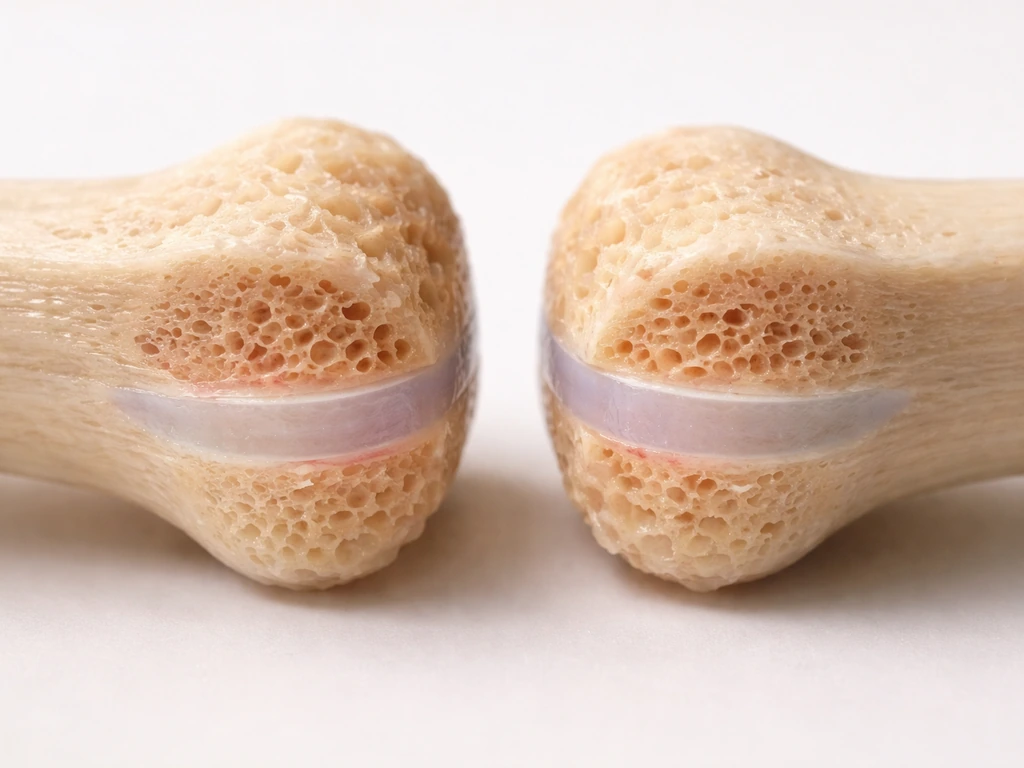
Height is fundamentally limited by biology, specifically by the growth plates (epiphyseal plates) at the ends of long bones. These are the active zones where bone elongation happens during childhood and adolescence. Once they close, which happens gradually through puberty and is typically complete by the late teens, no amount of nutrition can add more height.
Growth velocity varies significantly by age and pubertal stage. Young children in the 2 to 5 age range grow roughly 5 to 6 cm per year under normal conditions. A practical benchmark in clinical settings is that linear growth velocity below 4 cm per year in a child is considered a signal of growth failure worth investigating. The pubertal growth spurt, when height velocity peaks, occurs around ages 11 to 12 in girls and 13 to 15 in boys on average, though there's meaningful individual variation. After peak height velocity, growth decelerates quickly as the growth plates begin to close.
What this means practically: catching a nutritional deficit early, ideally in the preschool years or before the peak pubertal growth spurt, gives a child the best window to benefit from supplementation. A child who is nutritionally deficient at age 4 has far more correctable height potential than a 16-year-old who is already past their growth spurt. This doesn't mean supplementation is useless in older kids, but the realistic height benefit shrinks significantly as puberty progresses. Nutrition in the teen years still matters for bone density and overall health, even if the height ship has largely sailed.
How to use Pediasure responsibly
Pediasure is designed to supplement a diet, not replace meals. The standard clinical approach for children with faltering growth is 2 servings (two 8-ounce bottles) per day, adding 480 calories to their intake. Abbott's own dosing guidance links the number of daily servings to a child's age and estimated calorie deficit, so the serving count isn't one-size-fits-all.
Timing matters. Giving Pediasure immediately before a meal tends to blunt appetite, which can make it harder for children to eat real food, an outcome you really want to avoid. Offering it as a between-meal snack or after a meal tends to work better for maintaining interest in eating a varied diet. Some early clinical data suggests weight improvements can appear within 4 weeks of starting supplementation, but height velocity changes are slower to materialize and usually take months to show up clearly on a growth chart.
The AAP's guidance on high-calorie oral supplements explicitly warns against force feeding and grazing, and recommends regular follow-up to monitor for excess weight gain. This is an important caveat: more calories always increase weight, but weight gain doesn't automatically translate to improved height velocity. A child gaining weight rapidly without corresponding height improvement is a signal to reassess.
Here's a practical monitoring framework to track whether supplementation is working:
- Get a baseline measurement: height, weight, BMI-for-age, and weight-for-height percentile plotted on a CDC growth chart before starting
- Recheck at 4 to 8 weeks for weight response, and at 3 to 6 months to assess whether height velocity is improving
- Watch appetite: if the child's interest in eating real food is declining, pull back on the supplement or shift the timing
- Track weight gain quality: both weight and height should be trending upward; disproportionate weight gain without height change warrants a pediatrician visit
- Involve a pediatrician or dietitian if growth doesn't respond within 3 to 6 months, or sooner if the child is significantly behind
The real height drivers, and what Pediasure can't replace
Pediasure is a useful tool in a narrow set of circumstances, but it's easy to overweight its importance in the broader picture of how children grow. The evidence-based drivers of healthy height development are sleep, overall diet quality, physical activity, and absence of underlying medical problems. Supplementing around a bad diet or poor sleep doesn't fully offset those deficits.
If your goal is specifically to answer “does chocolate milk help you grow,” the same principle applies: it can add calories and nutrients, but it does not override genetics or an underlying growth-limiting condition. If your goal is specifically to answer “does chocolate milk help you grow,” the same principle applies: it can add calories and nutrients, but it does not override genetics or an underlying growth-limiting condition does lactaid milk help you grow.
For most children, the same nutrition principle applies: milk can support bone development as part of an overall balanced diet, but it won't override genetics or a growth-limiting condition does milk help your bones grow. Almond milk can be a healthy part of a balanced diet, but it is unlikely to fix the same growth-limiting issues that adequate calories, protein, and overall nutritional status address milk can support bone development.
- Sleep: growth hormone secretion peaks during deep sleep, particularly in the first few hours after a child falls asleep. Consistently poor sleep impairs the hormonal environment for growth regardless of calorie intake
- Overall diet quality: a varied diet with adequate protein, dairy or dairy alternatives, vegetables, and whole grains provides the full nutrient matrix that growth requires. Questions about whether milk specifically helps children grow follow the same logic as Pediasure: it helps when there's a deficit, but doesn't override genetics
- Physical activity: weight-bearing exercise stimulates bone density development and general physical growth; it's not a height-adding intervention on its own, but it supports the biological infrastructure of healthy growth
- Medical checkups: if a child is falling significantly below the 5th percentile for height-for-age, or dropping across two major percentile lines, a pediatrician evaluation is non-negotiable before relying on supplementation. The Endocrine Society and Pediatric Endocrine Society both emphasize that underlying causes, including growth hormone deficiency, hypothyroidism, celiac disease, and other systemic issues, need to be ruled out before assuming nutrition alone is the problem
If your child's doctor identifies an endocrine cause for poor growth, Pediasure will not address it. The same is true for malabsorption conditions: if the gut isn't absorbing nutrients effectively, adding more calories through a standard formula won't fix the underlying problem, and a specialized formula or medical treatment may be needed instead.
Your next steps, based on your situation
If you're wondering whether Pediasure is right for your child, the practical answer depends almost entirely on their current growth status. Start by plotting your child's height and weight on a CDC growth chart and looking at the trend over the last 6 to 12 months. A child consistently tracking along a percentile line, even the 10th or 15th, who is eating reasonably well, is growing normally. Pediasure isn't likely to move that needle upward.
If your child is dropping across percentile lines, eating very little, or was recently identified as at nutritional risk by their doctor, Pediasure used as a supplement alongside real food and under pediatric guidance is a reasonable short-term strategy with clinical evidence behind it. The goal is to close the nutritional gap, restore normal growth velocity, and eventually transition back to meeting nutritional needs through a varied diet alone. It's not a long-term solution, and it works best when it's part of a plan that includes regular monitoring, dietary counseling, and a pediatrician keeping an eye on the growth chart.
If growth concerns are significant, meaning your child is well below the 5th percentile for height or has shown a sharp unexplained drop in growth velocity, skip straight to a pediatric evaluation rather than starting supplements on your own. Nutrition matters enormously, but it can't substitute for identifying and treating a medical cause when one is present.
FAQ
If my child is short but still on their growth curve, should I try Pediasure to help them grow taller?
Pediasure is most useful when your child has a measurable nutrition gap, so your first step is to check growth patterns (height-for-age trend, growth velocity, weight status) and review the diet with your pediatrician. If height is stable on the curve and appetite is adequate, the expected height change from supplementation is unlikely to be meaningful.
How long does it take to see height changes after starting Pediasure?
Yes, but the timeline is different. Weight or appetite changes can show up within weeks, while height velocity usually takes months to shift. That is why monitoring matters, look for changes in centimeters per year and growth chart trajectory rather than hoping for a quick height jump.
Can I give Pediasure long-term if it helps my child gain weight?
A common mistake is using supplementation to “make up” for poor meals indefinitely, which can lead to extra weight without correcting the underlying dietary habits. A better approach is time-limited use, then transition back to meeting calorie and protein needs through meals once growth velocity and intake improve, with pediatric follow-up.
What’s the best time of day to give Pediasure so it does not replace real meals?
Avoid giving it right before meals if it reduces appetite, since that can make children eat less of their regular food. If your child refuses meals, consider offering it between meals or after eating, and discuss any ongoing appetite suppression with the pediatrician or dietitian.
What signs mean Pediasure dosing is going too far for my child?
With high-calorie supplements, excess weight gain is a red flag, especially if height is not improving at the same pace. Ask your pediatrician how often to recheck weight and length/height, and use those data points to decide whether to continue, adjust servings, or switch strategies.
What if Pediasure does not help, could it be because of an underlying medical problem?
If your child has a medical reason for poor growth, Pediasure alone will not correct it. For example, endocrine problems, chronic inflammatory conditions, or significant malabsorption can require specific treatment or a specialized feeding plan rather than a standard oral supplement.
Does Pediasure work differently for teens or for children close to puberty?
If your child is older or already past peak growth velocity, the realistic height benefit is smaller because growth plate activity is declining. In that situation, supplementation may still support overall nutrition and bone health, but expectations for linear catch-up height should be modest and guided by your clinician.
Should I choose Pediasure Grow and Gain or a peptide version for my child?
Not always, because “peptide” formulas are intended for specific digestive or malabsorption needs. If your child can digest standard formulas and does not have a diagnosed absorption issue, a specialized peptide product is typically not the first choice, so it is important to match the formula type to the reason it is being used.
If my child is gaining weight on Pediasure, does that mean it will automatically improve their height?
Weight gain can be misleading. You want to see improvements in growth velocity and height-for-age trend, not just scale weight. If your child gains weight rapidly but height percentile or growth rate does not improve, reassess the plan with the pediatrician rather than increasing calories automatically.
What if my child is a picky eater and also drinks Pediasure, how should we handle the rest of the diet?
Yes, but it should be part of a broader plan. For picky eaters, pairing a supplement with structured eating routines (predictable meals, limited grazing, gradual exposure to foods) tends to work better than relying on the supplement to carry all nutrition.
Next Article
Does Milk Help Your Bones Grow and Help You Grow Taller?
Explains how milk nutrients support bone health, whether they affect height in kids, and practical intake tips.