
Milk does support bone health, and for kids and teenagers whose growth plates are still open, getting enough calcium, vitamin D, and protein from milk can help their bones develop properly and may contribute to reaching their full height potential. But here's the honest answer: milk doesn't add height beyond what your genetics allow, and it can't grow bones that have already finished growing. It's a supporting player in a bigger picture, not a magic growth tonic.
Does Milk Help Your Bones Grow and Help You Grow Taller?

Marcus Reeves
24 Apr 2026

How bone growth actually works at different ages
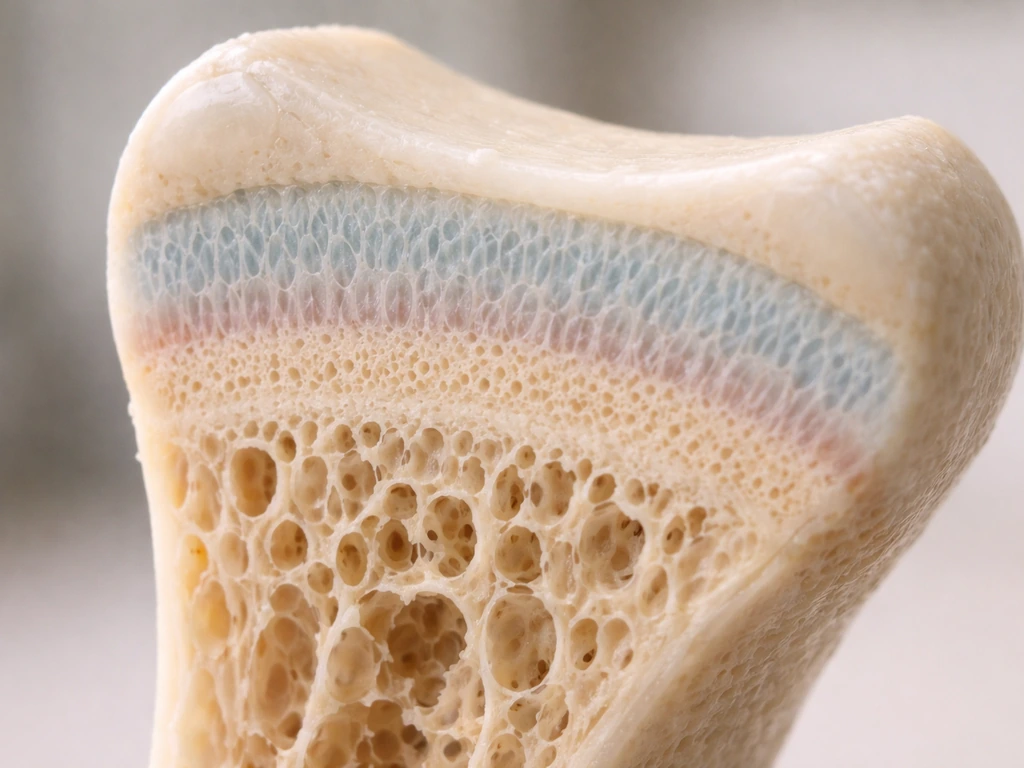
Bones grow longer from structures called growth plates (or epiphyseal plates), which are thin zones of cartilage near the ends of long bones. During childhood and adolescence, cells in these plates divide and produce new cartilage that gradually hardens into bone, pushing the bone ends further apart and making you taller. Growth plates are most active during childhood and especially during the adolescent growth spurt, when hormonal changes drive rapid bone growth.
At some point during late adolescence, typically somewhere between ages 16 and 19 for most people (though this varies), rising estrogen levels signal the growth plates to fuse. Once fused, they can no longer produce new bone length. Research confirms that after growth plate fusion, no measurable natural height gain occurs, regardless of diet or supplementation. This is why the conversation about milk and height only really applies to children and teenagers with open growth plates.
For adults, the bones are done growing taller, but bone health still matters enormously. Adults are actively maintaining bone density, and inadequate calcium and vitamin D intake speeds up bone loss over time. So while milk won't make an adult taller, it's still a relevant food for keeping bones strong, preventing osteoporosis, and reducing fracture risk later in life.
What's in milk that helps bones
Milk isn't just about calcium, though that's the nutrient most people think of first. The combination of nutrients in milk is what makes it particularly useful for growing bones.
Calcium
Calcium is the primary mineral in bone tissue, and the body accumulates most of its lifetime bone mass during childhood and the teenage years. The recommended daily intake climbs as kids get older: 700 mg/day for ages 1 to 3, 1,000 mg/day for ages 4 to 8, and 1,300 mg/day for ages 9 to 18. One cup of fat-free milk provides roughly 298 mg of calcium, making it one of the more efficient ways to hit those targets. The problem is that many children don't consistently meet calcium recommendations, which can genuinely limit how well their bones develop.
Vitamin D

Calcium can't do its job properly without vitamin D. Vitamin D helps the body absorb calcium from food and supports the process of bone mineralization, where the bone matrix actually becomes hard and strong. The recommended intake for children and teenagers is around 600 IU (15 mcg) per day. Most plain milk sold in the US is fortified with vitamin D specifically for this reason, and the CDC recognizes fortified cow's milk as a good source of vitamin D for children 12 months and older. Without enough vitamin D, calcium absorption drops and bone development suffers, which in severe cases leads to rickets in children.
Protein
Protein is the structural scaffold that calcium and other minerals attach to in bone. Milk proteins, particularly casein, also appear to improve how evenly the body distributes calcium intake throughout the day, which research suggests helps bone mineral accumulation more effectively than getting calcium in one large hit. Protein also supports the growth of muscle and other tissues alongside bone, which matters during the years when the body is growing quickly.
What the evidence actually shows about milk, bones, and height
The research here is genuinely mixed, and it's worth being honest about that rather than overselling what milk does. On the bone density side, the picture is reasonably clear: a meta-analysis of randomized controlled trials found that dairy supplementation during childhood significantly increases bone mineral content, and milk supplementation has been shown to enhance bone acquisition in the forearm and heel, with measurable changes in hormones like IGF-1 that are tied to bone growth.
On the height question, the data is more nuanced. One systematic review estimated that an extra 245 mL of milk per day (about one cup) was associated with roughly 0.4 cm of additional height per year in supplemented children, though the researchers noted the evidence quality was moderate due to study limitations. A 17-year birth cohort study found higher milk intakes over time were associated with greater height outcomes. On the other hand, a meta-analysis of randomized controlled trials in children and adolescents aged 6 to 18 found no statistically significant height differences between milk supplementation and control groups, while body weight and lean mass did increase.
The most honest read of all this evidence: milk is more likely to influence height when children are genuinely falling short of their calcium and vitamin D needs. If a child is already well-nourished and meeting all their nutritional targets, adding more milk probably won't push them beyond their genetic height ceiling. But if a child's diet is deficient, adequate milk intake can help them reach the height their genes programmed them for, rather than falling short of it. Teenagers who are still growing may also show a greater response to dairy supplementation than older adolescents whose plates are nearly fused.
How much milk to drink and what to look for

The USDA recommends 3 cups of dairy per day for children ages 9 and older, including teenagers. For younger children, the recommendations are slightly lower. That 3-cup target is designed to help meet calcium and vitamin D needs across the day rather than all at once, which aligns with what the research suggests about more evenly distributed calcium intake being better for bone accumulation.
When choosing milk, look for these features:
- Vitamin D fortification: Most cow's milk sold in the US is already fortified. Check the nutrition label to confirm it lists vitamin D, ideally around 15 to 20% of the daily value per cup.
- Fat content by age: For children 2 and older, the FDA recommends fat-free or low-fat milk. Whole milk is generally recommended for children under 2.
- Pasteurization: Always choose pasteurized milk to avoid foodborne illness risk.
- Fortified plant-based alternatives: If you're using non-dairy milk, choose varieties fortified with both calcium and vitamin D to closely match cow's milk's nutrient profile. Fortified soy beverages are recognized by the CDC as a comparable alternative for children.
It's also worth noting that dairy isn't the only way to get these nutrients. Yogurt, cheese, fortified orange juice, leafy greens, canned fish with bones, and tofu made with calcium sulfate all provide meaningful amounts of calcium. The goal is meeting the daily targets, not fixating on any single food.
Limits, trade-offs, and who should be careful
Lactose intolerance
Lactose intolerance means the body doesn't produce enough lactase enzyme to digest the sugar in milk, leading to digestive discomfort. It's not the same as a milk allergy. The good news is that lactose-free milk retains all the same calcium, vitamin D, and protein as regular milk, just without the lactose. Hard cheeses and yogurt are also lower in lactose and generally tolerated better. The key is not abandoning dairy entirely without having a plan to replace those nutrients.
Milk allergy
A true cow's milk allergy is an immune response to milk proteins and requires avoiding dairy products entirely. In this case, fortified plant-based beverages (particularly soy, oat, or pea protein milks with added calcium and vitamin D) become important alternatives. A dietitian can help ensure a child with a milk allergy still hits their calcium and vitamin D targets during the critical growing years.
Excess calories and weight
Whole milk is calorie-dense. For most young children under 2, that's actually a feature, but for older children and teenagers who drink multiple glasses a day on top of an otherwise adequate diet, the extra calories can contribute to undesirable weight gain. Switching to low-fat or fat-free milk after age 2 handles this concern while preserving the bone-relevant nutrients. FDA advises that children age 2 years and older should drink fat-free or low-fat (1%) milk; children ages 12 months through 23 months should drink whole milk Switching to low-fat or fat-free milk after age 2.
Adults and bone growth
As covered above, adults cannot grow taller by drinking more milk. Pursuing milk consumption with that expectation as an adult is just not supported by biology. What milk can do for adults is contribute to maintaining bone density and reducing long-term fracture risk, which is still a genuinely valuable health outcome.
Your practical action plan for maximizing height potential
If you're a parent trying to support a child's growth, or a teenager who is still growing, here's what the evidence actually supports doing right now:
- Hit the calcium targets daily: Aim for age-appropriate calcium intake (700 mg for ages 1 to 3, 1,000 mg for ages 4 to 8, 1,300 mg for ages 9 to 18). Two to three cups of fortified milk spread across the day is one of the most practical ways to do this.
- Make sure vitamin D is covered: Check that any milk you use is vitamin D-fortified. Children and teens need around 600 IU (15 mcg) per day. Outdoor sunlight also contributes, but food sources and fortification are more reliable, especially in winter months.
- Prioritize protein from whole foods: Alongside dairy, include other quality protein sources like eggs, poultry, fish, beans, and tofu to support overall tissue growth.
- Protect sleep: Growth hormone is released in pulses during deep sleep, and inadequate sleep measurably blunts this release. Children and teenagers need 8 to 10 hours of quality sleep per night. This is not optional for growth.
- Stay physically active with weight-bearing exercise: Activities like running, jumping, basketball, and resistance training put mechanical stress on bones, which stimulates bone formation and density. This works alongside good nutrition rather than replacing it.
- Eat a varied, balanced diet overall: No single food drives growth. Zinc, magnesium, vitamin K, and overall caloric sufficiency all contribute to bone development. A diet built around whole foods, fruits, vegetables, and lean proteins covers these bases far better than a diet that's heavy in ultra-processed foods even if milk intake is high.
- If you can't drink regular milk, substitute thoughtfully: Lactose-free milk, fortified soy beverages, or other fortified plant-based milks can fill the same nutritional role. The nutrient content matters more than the specific source.
One last thing worth keeping in mind: genetics sets the ceiling for height, and nutrition determines how close you get to it. Milk, alongside a good overall diet, sleep, and activity, gives a growing child the best shot at reaching that ceiling. That's a meaningful contribution, even if it's not the miracle-growth story some hope for.
If you're exploring how other drinks and dairy alternatives compare for growth, it's worth looking at how options like almond milk, chocolate milk, or even specialized supplements differ in their actual nutrient profiles and evidence base, since not all dairy and dairy alternatives are equal when it comes to supporting bone development. If you're wondering does almond milk help you grow, focus on whether it provides similar calcium, vitamin D, and protein levels to support bone development.
If you're wondering does lactaid milk help you grow, use the same checklist for calcium, vitamin D, and protein as you would for regular milk. Does chocolate milk help you grow? The key is still whether your child is meeting calcium, vitamin D, and protein needs.
FAQ
If my child already drinks milk, will more milk make them taller?
For most kids, milk is most helpful when it replaces a calcium and vitamin D gap. If your child is already meeting their calcium and vitamin D targets, adding extra milk is unlikely to increase height beyond genetics, though it can still support overall diet quality. A practical approach is to check typical daily intake (not just whether milk is offered) and aim for the recommended calcium, vitamin D, and protein totals.
Does it matter when a child drinks milk for bone growth? (Morning vs evening)?
Milk timing usually matters less than meeting the daily nutrient targets. However, spreading intake across the day can support better calcium utilization, since calcium appears to be used more effectively when not all consumed in one large amount. For example, having milk at breakfast and with another meal is often easier than trying to meet needs with a single large serving.
What if my child gets plenty of calcium from milk, but vitamin D is low?
Yes. Milk can support bone health only if the nutrients that drive bone mineralization are present and absorbed. That means the milk should be fortified with vitamin D, and the child needs enough total protein and overall calories. If vitamin D status is low due to limited sun exposure or another dietary issue, just adding calcium without addressing vitamin D may not produce the same benefit.
Are lactose-free or fortified plant-based milks as good for bone growth as regular milk?
Plain milk fortified with vitamin D generally is a strong option. If you switch to a non-fortified milk alternative, you must verify it provides meaningful calcium, vitamin D, and protein, because many alternatives are high in calories or carbohydrates but low in one or more bone-critical nutrients. Lactose-free milk keeps the same bone nutrients as regular milk, it only changes digestion of the milk sugar.
Is lactose intolerance the same as a milk allergy for growth and bones? What should parents do differently?
For many children who can’t tolerate lactose, lactose-free dairy or smaller portions of yogurt and hard cheeses can work well because they are easier on digestion. For a true milk allergy (immune reaction), dairy must be avoided, and you need a plan for calcium, vitamin D, and protein using fortified alternatives or other foods. If allergy is involved, label reading and guidance from a clinician or dietitian matters.
Can drinking a lot of milk be bad for growing kids because of calories?
Sometimes. Milk can add calories, so if a child drinks several glasses daily on top of an already calorie-rich diet, it may contribute to excess weight gain. Weight gain can affect health and activity, even if it does not change growth plate biology. Choosing low-fat or fat-free milk after age 2 can reduce calorie load while keeping protein and bone-related nutrients.
If milk helps bones, why are some kids still at risk for weak bones? (What else matters?)
Bone health needs are broader than just calcium. Milk provides calcium, vitamin D (when fortified), and protein, but bone strengthening also depends on total diet pattern, physical activity (especially weight-bearing exercise for kids), and adequate overall energy intake. If a child is very inactive or misses other nutrients like vitamin K and magnesium, milk alone will not fully compensate.
Does milk help adults strengthen bones, or can it also increase height in late adulthood?
For adults, milk will not reopen growth plates or add height, even if someone is not drinking enough earlier in life. The main potential benefit in adults is slower bone loss and reduced fracture risk over time if intake supports adequate calcium and vitamin D. If an adult has concerns about bone density, screening and a healthcare plan matter more than increasing milk volume.
Should kids take calcium or vitamin D supplements if they drink milk?
Not reliably. Over-supplementing beyond what your child needs can crowd out other foods, add unnecessary calories, and still leave gaps if vitamin D status or overall nutrition is poor. If you suspect a deficiency, the safer next step is to assess intake and discuss supplementation with a pediatrician, especially for vitamin D, rather than assuming “more dairy” will solve the problem.
How can a child get enough calcium, vitamin D, and protein if they cannot drink dairy?
Yes, and the plan should be individualized. If a child avoids dairy, ensure each day includes fortified sources of calcium and vitamin D plus enough protein, for example from fortified soy milk or other fortified plant milks, fortified yogurt alternatives, or other calcium-rich foods paired with adequate protein. It helps to target totals, not just “how many cups,” since products vary a lot by brand and fortification.
Next Article
Does Chocolate Milk Help You Grow Taller or Breasts Grow?
Chocolate milk supports growth only if kids lack calories and nutrients; it won’t change adult height or breast size.