
Vitamin D3 and K2 will not make you taller if your growth plates have already closed or if your levels are already adequate. What they can do is help you reach your genetically determined height potential if a deficiency is actively holding back bone mineralization and growth during childhood or adolescence. Think of them as removing a barrier, not adding inches beyond what your biology allows.
Does Vitamin D3 and K2 Help You Grow Taller?

Marcus Reeves
6 Jun 2026

How height growth actually works
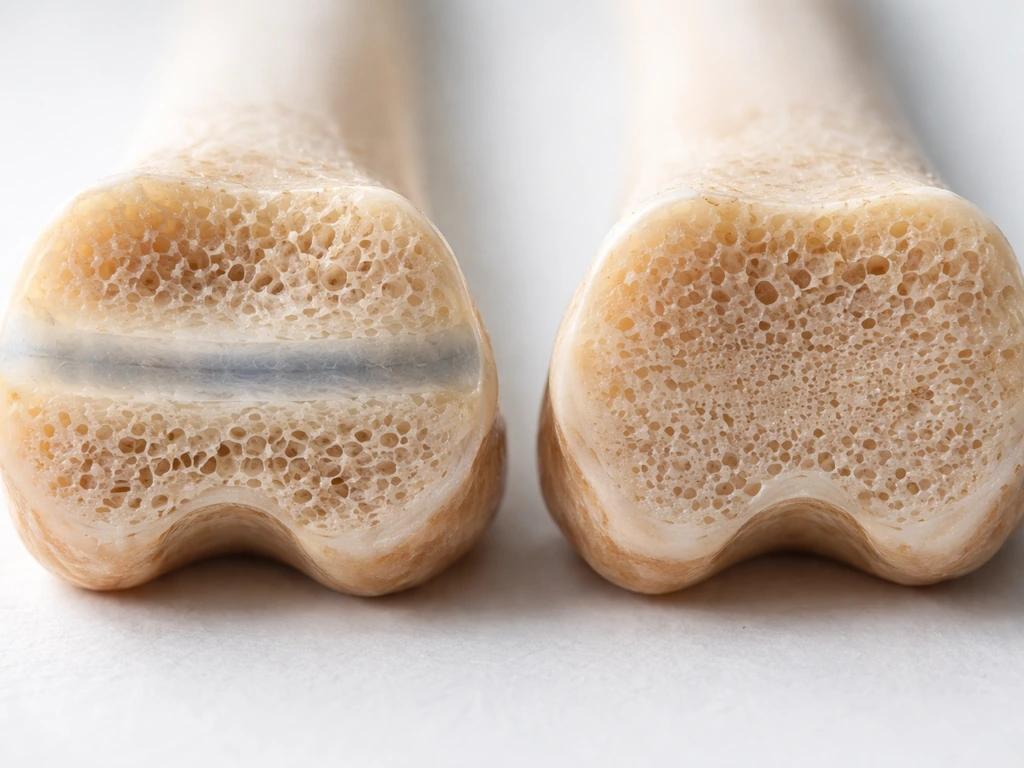
Your height is determined almost entirely by what happens at your growth plates, also called epiphyseal plates. These are thin layers of cartilage near the ends of your long bones (femur, tibia, radius, and others) where new bone tissue is produced. As long as those plates are open and active, you can grow taller. If your goal is to grow taller, the key factor is whether your growth plates are still open, not just whether you take D3. Once they fuse, linear growth stops, full stop.
The timing of plate closure matters a lot. A cross-sectional MRI study found that growth plates close in a predictable sequence across different bones, with female growth plates closing roughly two years earlier than male. In practical terms, most girls finish growing around 15 to 17 and most boys around 17 to 19, though there is real individual variation. After fusion, no supplement, exercise, or nutritional strategy can reopen those plates.
The engine driving this whole process is the GH/IGF-1 axis alongside sex steroids. During puberty, rising levels of sex hormones (estrogen and testosterone) ramp up growth hormone production and push peak height velocity, which hits around age 12 in girls and 14 in boys on average. A 2023 Endocrine Reviews clinical review describes how sex steroids stimulate pubertal growth by increasing GH production and are also responsible for growth-plate fusion in both males and females blank" rel="noopener noreferrer">rising levels of sex hormones (estrogen and testosterone) ramp up growth hormone production. Estrogen in particular is what eventually signals growth plate fusion in both sexes. Research shows that blank" rel="noopener noreferrer">estrogen receptor mutations or aromatase deficiency, conditions that disrupt estrogen activity, can actually prevent fusion and lead to abnormally tall stature. So paradoxically, the hormone that drives puberty also closes the window for growth. Genetics sets the ceiling, hormones drive you toward it, and nutrition either lets you get there or holds you short.
What vitamin D3 does and why being deficient is a real problem
Vitamin D3 (cholecalciferol) is converted in your liver and kidneys into its active hormone form, calcitriol, which regulates calcium and phosphate absorption in the gut. Without enough vitamin D3, your intestines absorb far less calcium from food, blood calcium drops, and your body pulls calcium out of bone to compensate. In children and adolescents, that means actively growing bone tissue does not mineralize properly. The clinical result is rickets in severe cases, but even moderate, subclinical deficiency slows bone mineralization and can reduce height velocity.
The threshold that most labs flag as deficient is a 25(OH)D blood level below 20 ng/mL (50 nmol/L), with 20 to 30 ng/mL considered insufficient. Studies consistently find that children with low vitamin D levels have reduced bone density and, in populations with widespread deficiency, measurably shorter stature compared to replete peers. Correcting a deficiency in a still-growing child or teen restores normal mineralization and gives growth the raw materials it needs.
For adults whose plates are fused, adequate vitamin D3 is still important for bone density and reducing fracture risk, but it does not translate into height gains. For people whose growth plates are still open, correcting a vitamin D deficiency can support healthy bone mineralization and help you grow closer to your genetic height potential. That distinction is critical and often glossed over in supplement marketing.
What vitamin K2 does for bone

Vitamin K2 (primarily as MK-4 and MK-7 forms) activates two key proteins: osteocalcin, which binds calcium into bone matrix, and matrix Gla protein (MGP), which prevents calcium from depositing in soft tissues like arteries. Think of K2 as the traffic director that routes calcium to where it should go (bone and teeth) and keeps it out of where it should not go (arteries and soft tissue).
The reason D3 and K2 are often paired is straightforward. Vitamin D3 increases calcium absorption and can raise circulating calcium levels significantly. Without sufficient K2, that extra calcium does not necessarily end up in bone as efficiently, and some of it may deposit elsewhere. K2 activates osteocalcin to anchor calcium into the bone matrix properly. The combination is better for bone quality than D3 alone, especially at higher D3 doses. This is about bone density and structural integrity, not about adding height.
Does taking D3 and K2 together actually increase height?
Here is the honest answer: there is no clinical evidence that supplementing D3 and K2 in already-sufficient individuals increases height above their genetic potential. The research that links vitamin D to height shows an association between deficiency and reduced height, not a positive dose-response where more D3 means more inches. Correcting a deficiency normalizes growth; exceeding normal levels does not accelerate it.
K2 specifically has not been studied as a height-growth agent. Its role in bone research focuses on bone density, fracture prevention, and calcium metabolism, not linear growth. The mechanism simply does not connect to growth plate activity in a way that would add height.
What the evidence does support is this: a child or adolescent who is vitamin D deficient and still has open growth plates can see improved bone mineralization and potentially recover some height trajectory when the deficiency is corrected. That is a meaningful benefit. But it is categorically different from a healthy, well-nourished teenager taking D3 and K2 supplements and expecting to grow an extra inch or two.
Who might actually benefit from D3 and K2
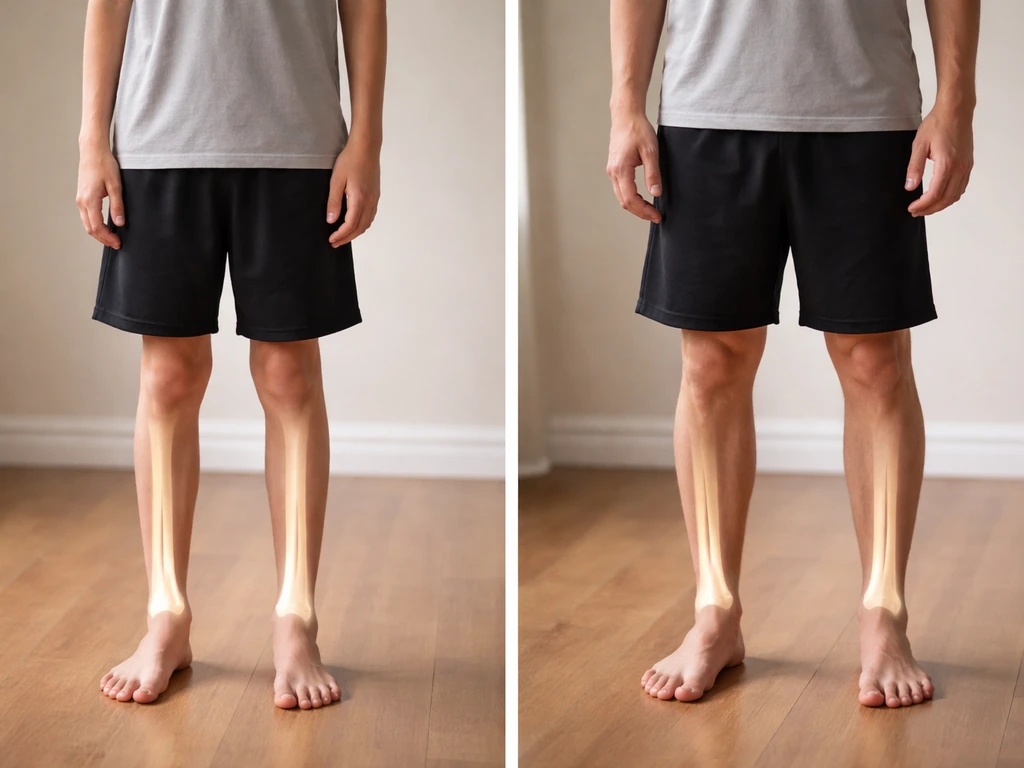
Not everyone is in the same boat here. The potential benefit depends heavily on your current vitamin D status, your age, and whether your growth plates are still open.
| Who you are | Likely benefit from D3 + K2 | Realistic expectation |
|---|---|---|
| Child or teen with confirmed vitamin D deficiency | High | Restores normal bone mineralization; may recover stunted growth trajectory |
| Child or teen with low-to-insufficient vitamin D (20-30 ng/mL) | Moderate | Supports optimal mineralization during active growth |
| Child or teen with normal vitamin D levels | Low | No additional height gain; general bone health maintenance |
| Adult with open growth plates (rare, late teens) | Low to moderate | May support remaining growth if deficient, but window is closing |
| Adult with fused growth plates, any vitamin D level | None for height | No height gain possible; benefits limited to bone density and health |
| Anyone with malabsorption conditions (Crohn's, celiac) | High for health, unclear for height | Correcting deficiency improves bone health; height benefit depends on age |
Children and adolescents living in northern latitudes, spending most of their time indoors, eating dairy-free or plant-heavy diets without fortified foods, or with darker skin tones (which reduces cutaneous vitamin D synthesis) are at notably higher risk of deficiency and stand to gain the most from correction. If you are a parent asking this about your child, that context matters far more than which supplement brand to buy.
It is also worth keeping in mind that vitamin D is just one nutritional variable. Other nutrients covered in related discussions (like vitamin B12, niacin, and other bone-supporting vitamins) also play roles in overall growth and development, and a broader nutritional picture is always more informative than focusing on a single supplement.
Practical steps: what to actually do
Check your levels first
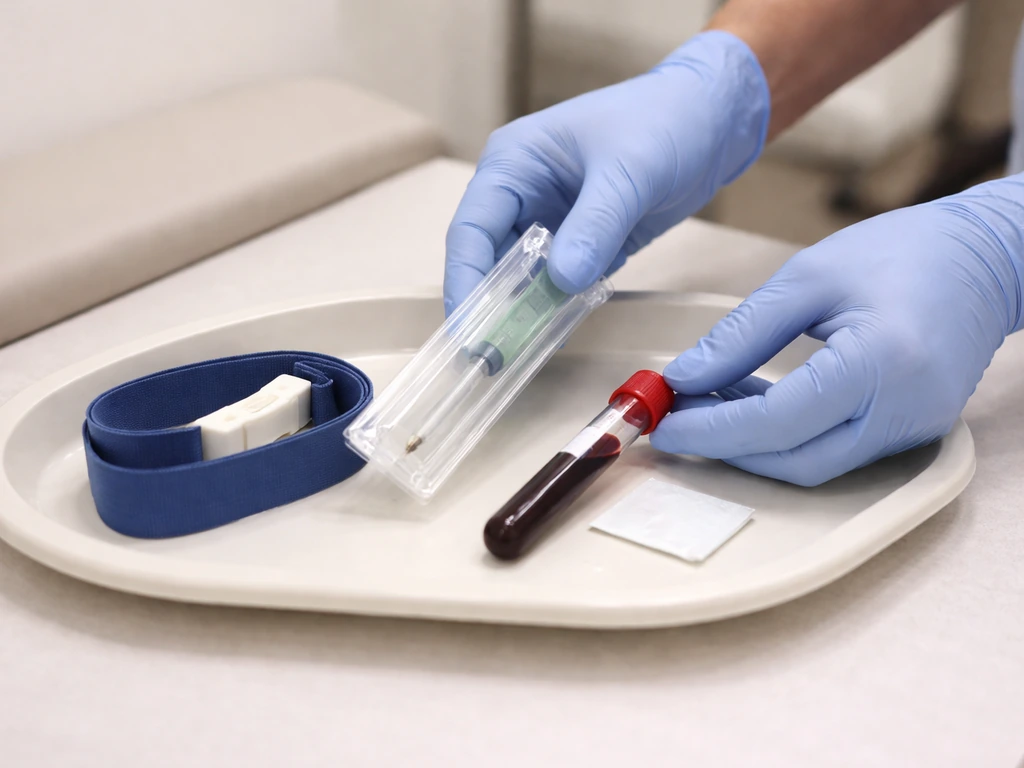
Before supplementing, get a 25(OH)D blood test. This is a standard, inexpensive test your doctor can order. It gives you an actual number so you are not guessing. Target range for most people is 40 to 60 ng/mL (100 to 150 nmol/L), with levels below 20 ng/mL indicating clear deficiency. There is no meaningful benefit to pushing levels above 80 to 100 ng/mL, and high doses without monitoring can eventually cause toxicity (hypercalcemia).
Dosing guidance
For children under 12, the standard preventive dose recommended by most guidelines is 400 to 1,000 IU of D3 daily, with therapeutic doses for confirmed deficiency ranging from 1,000 to 2,000 IU daily under medical supervision. For teens and adults, 1,000 to 2,000 IU daily is a reasonable maintenance dose if levels are low-normal; correcting actual deficiency often requires 2,000 to 4,000 IU daily for several months, followed by retesting. When pairing with K2, 90 to 200 mcg of MK-7 daily is the commonly used range in research on bone health. Always take D3 with a fat-containing meal since it is fat-soluble and absorption drops significantly without dietary fat.
Sun and diet before supplements
Ten to twenty minutes of midday sun exposure on arms and legs (without sunscreen) several times per week produces meaningful D3 in lighter skin types. Darker skin needs longer exposure. Dietary sources of vitamin D3 include fatty fish (salmon, mackerel, sardines), egg yolks, and fortified dairy or plant milks. K2 is found in fermented foods like natto (extremely high, 200+ mcg per 100g), aged cheese, and some fermented dairy products. Getting these from food is preferable when practical, and supplements fill the gap where food sources fall short.
A real safety note on K2 and medications
If you or anyone in your household takes warfarin (a blood thinner that works by blocking vitamin K), adding K2 supplements can interfere with the medication's effectiveness and alter INR levels. This is not a theoretical concern, it is a real drug-nutrient interaction. Anyone on anticoagulant therapy should speak with their prescribing doctor before adding any form of vitamin K.
When to bring in a clinician
If a child or teenager is growing noticeably slower than peers, has confirmed vitamin D deficiency, or has symptoms like bone pain and muscle weakness, that warrants a visit to a pediatrician or pediatric endocrinologist rather than a self-directed supplement protocol. A clinician can also assess whether there are underlying issues (growth hormone deficiency, thyroid disorders, or other conditions) that need direct treatment, not just nutritional support. Supplementing around an undiagnosed condition delays the right intervention.
The bottom line
Vitamin D3 and K2 are genuinely important nutrients for bone health, but they are not height-growth supplements in the way marketing sometimes implies. If you are deficient and still growing, fixing that deficiency can help you reach your genetic height potential. In the same way, making sure you are not deficient in B12 can support normal growth and bone health, but it is not a guaranteed way to grow taller. If your levels are already fine, or your growth plates have already closed, no amount of D3 and K2 is going to add centimeters. The most useful thing you can do is test your levels, correct any actual deficiency, get adequate sun and eat well, and work with a doctor if growth concerns are serious. If you are wondering what vitamins help you grow taller, the key is correcting a vitamin D deficiency during childhood or adolescence rather than expecting supplements to reopen closed growth plates. That is a realistic plan with real upside, not a promise of extra inches.
FAQ
If my vitamin D level is “normal,” will D3 and K2 still help me grow taller?
Usually no. If your 25(OH)D is already in the sufficient range and you are past the main growth window, supplements are unlikely to increase linear height because growth plate activity, not extra vitamin support, is the limiting factor.
How can I tell whether my growth plates are still open?
The most direct way is imaging, typically an X-ray of the hand or knee that looks for epiphyseal closure. Blood tests cannot confirm growth plate status, so if height gain matters, ask your clinician about a growth-plate assessment.
Is it safer to take a high-dose vitamin D3 to “force” height gains?
No. Going above what you need increases risk of hypercalcemia and other complications, especially without repeat blood testing. A better approach is to test first, dose to correct deficiency, then retest.
Do D3 and K2 help adults at all, even if they cannot get taller?
They may help maintain or improve bone density and reduce fracture risk, which can protect posture and reduce height loss over time. That is different from increasing stature through growth plates.
If I take K2, do I still need to worry about calcium levels?
Yes. Vitamin D3 raises calcium absorption, but overall bone mineralization depends on adequate calcium intake and normal vitamin D status. If you have low dietary calcium or kidney issues, ask a clinician before making big supplement changes.
Can K2 cause problems with my arteries if I take it incorrectly?
K2 is studied for supporting calcium handling away from soft tissues, but the key is dosing and overall health context. If you have a complex medical history (kidney disease, vascular disease, or are on multiple meds), get individualized guidance rather than relying on general supplement dosing.
What if a child is taking D3 but growth still seems slow, what should be checked next?
Slow growth is not always nutritional. Ask about a pediatric evaluation for growth hormone deficiency, thyroid disorders, celiac disease, chronic inflammation, and overall calorie or protein adequacy, because treating an underlying cause matters more than adding vitamins.
Does dark skin or indoor living mean I should take D3 year-round?
Not automatically. It increases the likelihood of deficiency, so the practical step is testing. Many people do better with a tailored maintenance dose or seasonal plan based on lab results instead of guessing.
Are there symptoms of vitamin D deficiency I can watch for in kids?
Common clues include bone pain, muscle weakness, frequent falls, and in more severe cases rickets signs. However, symptoms are not specific, so confirmation with a 25(OH)D blood test is the reliable next step.
If vitamin D helps growth plate mineralization, why doesn’t “more D3” accelerate height?
Because once deficiency is corrected, growth plate biology is driven by hormones and genetics, and extra vitamin D does not reopen closed plates or override the timing set by puberty. In a non-deficient person, the limiting factor becomes growth plate activity and skeletal maturation.
How should someone on warfarin handle vitamin K2 supplements?
They should not start K2 on their own. Vitamin K can reduce warfarin effectiveness and shift INR, so only change it with the prescribing doctor’s guidance and closer INR monitoring.
Is sun exposure always better than supplements for D3?
Sun can raise D3, but it depends on latitude, skin tone, season, clothing, and UV index. It also carries skin cancer and burn risk, so supplements with lab-guided dosing are often a more controllable option.
Do I need to take K2 if I’m only correcting vitamin D deficiency?
Not necessarily. Many people correct vitamin D deficiency with D3 alone first and focus on adequate calcium intake. Adding K2 can be reasonable for bone health in some contexts, but height is not expected to improve just from combining them.
Next Article
Does Vitamin D Make You Grow Taller? Evidence and Dosage Guide
Vitamin D can’t increase adult height; for kids it helps only if deficient. Learn testing, dosing, targets, and safety l