
Vitamin D3 can support normal height growth, but only under a specific condition: if you or your child are actually deficient in vitamin D during the years when growth plates are still open. Correcting a deficiency removes a real obstacle to healthy bone development. But if vitamin D levels are already adequate, taking more D3 won't add a single centimeter to your height. And once growth plates have closed, typically by the late teens or early twenties, no amount of vitamin D3 or any other supplement can make you taller.
Does Vitamin D3 Help You Grow Taller? Evidence-Based Guide

Marcus Reeves
5 May 2026
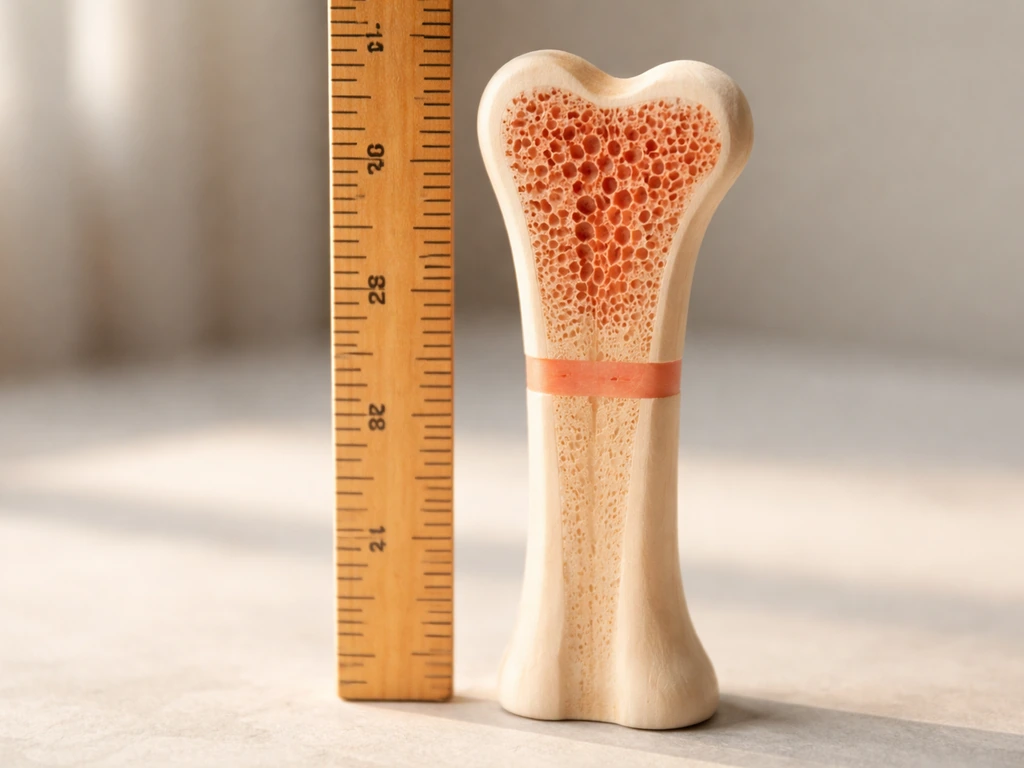
How height actually works: growth plates, hormones, and age
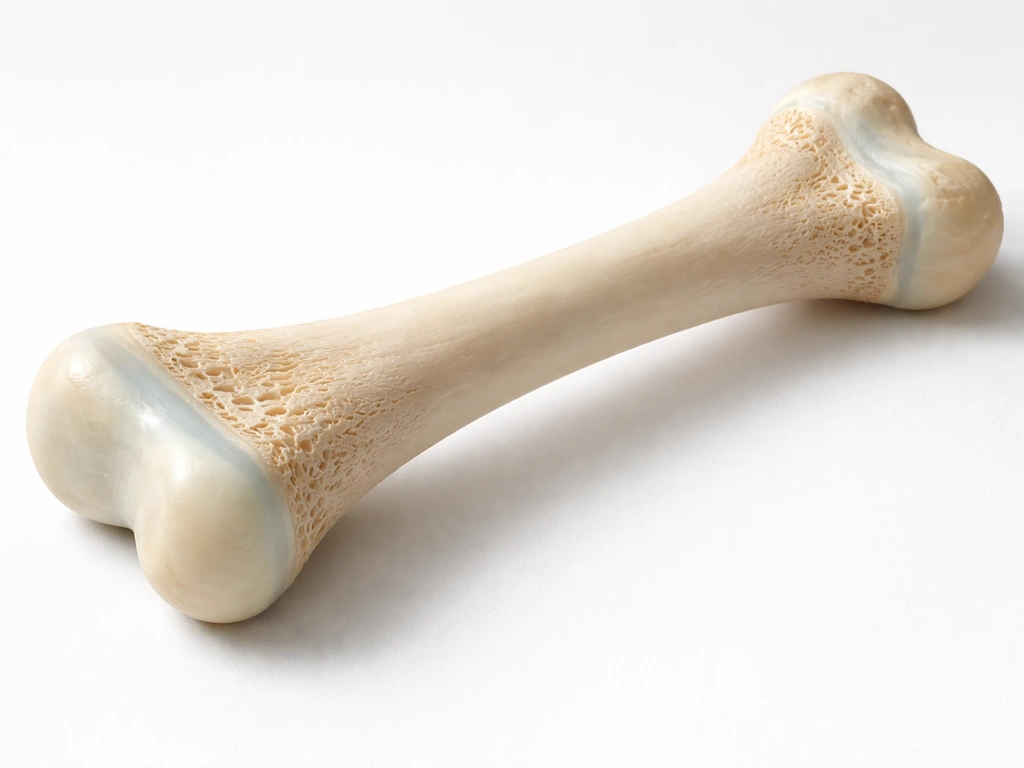
Height comes from the long bones in your legs and spine lengthening over time. This happens at growth plates, also called physes, which are zones of cartilage tissue near the ends of bones that are actively dividing and producing new bone. Growth plates respond to hormones, especially growth hormone and insulin-like growth factor 1 (IGF-1), as well as sex hormones during puberty. When puberty finishes, sex hormones cause the growth plates to harden and fuse, permanently stopping length growth.
The clinical way to know how much growing potential is left is a bone age X-ray, which shows how mature the growth plates are. This is actually how endocrinologists approach short stature workups: they look at bone age, not blood nutrient levels, to estimate remaining growth potential. If plates are fused, that's it regardless of nutrition. If they're still open, then optimizing nutrition, sleep, and overall health gives those plates the best possible environment to do their job.
This means the question of whether vitamin D3 helps you grow taller is really age-dependent. If you want the full picture on does vitamin D make you grow taller versus simply supporting bone health, check the growth-plate basics. For a growing child or teenager with open growth plates, adequate vitamin D is genuinely important. For a fully grown adult, the honest answer is no, it won't change your height.
What vitamin D3 actually does in the body
Vitamin D3 (cholecalciferol) is converted in the liver to 25-hydroxyvitamin D, or 25(OH)D, which is the form measured in blood tests. Its primary job in bone health is promoting calcium absorption in the gut. Without adequate vitamin D, you absorb far less calcium from food, which means less raw material for bone mineralization. The bones that form end up softer, weaker, and more prone to deformity.
That's the mechanism behind rickets, the childhood bone disease caused by severe vitamin D or calcium deficiency. Rickets can cause bowed legs, stunted growth, and skeletal deformities. Treating rickets with vitamin D and calcium reverses these problems and allows more normal growth to resume. But the key word is 'normal.' Correcting deficiency restores your growth potential; it doesn't unlock extra growth beyond what your biology would have produced anyway.
Vitamin D doesn't act like a growth hormone. It doesn't stimulate growth plates directly. It doesn't tell bones to grow longer. Think of it more like a supporting crew member: essential when absent, but adding more when the crew is already at full capacity doesn't speed anything up.
What the research actually says

The evidence on vitamin D and height is pretty clear once you look at it carefully. A 2021 randomized controlled trial in stunted Afghan children found that vitamin D3 supplementation over 18 months produced no significant improvement in height-for-age z-scores (mean difference of just 0. 05, P=0. 3).
A Cochrane review from 2020 reached essentially the same conclusion: vitamin D supplementation probably makes little to no difference for linear growth in children under five overall, with maybe a slight improvement in height-for-age z-scores at best.
blank" rel="noopener noreferrer">Cochrane’s evidence summary reports that, among children under 5, vitamin D supplementation may make little to no difference in linear growth versus placebo or no intervention, and probably makes little to no difference in stunting, with at most a slight improvement in height-for-age z-scores Cochrane review from 2020 reached essentially the same conclusion. Another Cochrane review found no significant benefit on bone density in healthy children with normal vitamin D levels.
Interestingly, the Afghan trial did find that children consuming more than 300 mg of calcium per day showed a slightly better response to vitamin D supplementation. That's a useful signal: vitamin D's ability to support bone outcomes depends heavily on whether calcium intake is also adequate. Vitamin D without enough calcium is like a construction crew showing up to a site with no building materials.
One Mendelian randomization study found a modest association between genetically predicted higher vitamin D levels and slightly greater adult height. That's interesting, but Mendelian randomization evidence isn't the same as proof that supplementing raises height, especially not in already-sufficient people. The Endocrine Society's 2024 clinical practice guideline is pretty blunt: healthy adults under 75 are unlikely to benefit from vitamin D intakes beyond standard recommendations, and pediatric guidance focuses on preventing rickets, not increasing height.
When vitamin D3 might actually help with growth
There are real scenarios where getting vitamin D right does matter for growth outcomes. They all involve removing a deficiency-related obstacle during the growth years.
- A child or teen with true vitamin D deficiency (serum 25(OH)D below 20 ng/mL) may have impaired calcium absorption, softer bones, and suboptimal growth. Correcting that deficiency restores normal bone development and removes a growth barrier.
- Nutritional rickets, caused by severe vitamin D or calcium deficiency, directly stunts growth and deforms bones. Treatment with vitamin D and calcium allows healing and more normal growth to resume.
- During peak growth years (roughly ages 2 to 17), maintaining adequate vitamin D status ensures the skeleton has what it needs to mineralize properly as bones lengthen.
- If dietary calcium is also low, vitamin D supplementation appears more beneficial, since vitamin D's main role is enabling calcium absorption.
What doesn't hold up: taking vitamin D3 when levels are already sufficient, hoping it will trigger extra growth. The research simply doesn't support that. And taking high doses chasing a height benefit you've already read about online is not just ineffective, it carries real toxicity risk.
How to check your vitamin D status and supplement safely

Get tested first
Symptoms of vitamin D deficiency (fatigue, muscle weakness, bone aches) are vague enough that you can't reliably self-diagnose. The only way to know your status is a blood test measuring serum 25(OH)D. That's the right test; don't confuse it with 1,25(OH)2D, which is not used for assessing deficiency status. Here's what the numbers generally mean:
| 25(OH)D Level | Status | What it means practically |
|---|---|---|
| Below 30 nmol/L (< 12 ng/mL) | Deficient | Associated with rickets in children, osteomalacia in adults; corrective supplementation clearly warranted |
| 30–49 nmol/L (12–19 ng/mL) | Inadequate | Below optimal for bone health; supplementation is generally recommended |
| 50 nmol/L or above (≥ 20 ng/mL) | Adequate | Sufficient for bone health and overall health for most people; extra supplementation unlikely to help growth |
Dosing guidance
For most children, adolescents, and adults, standard dietary reference intakes for vitamin D are in the range of 600 to 800 IU daily. The tolerable upper intake level set by the NIH for ages 9 and older is 4,000 IU per day (100 mcg), and vitamin D toxicity, while rare, is almost always caused by excessive supplementation. Toxicity causes hypercalcemia and hypercalciuria, meaning too much calcium in the blood and urine, which can damage the kidneys. Toxicity is typically associated with serum 25(OH)D above 375 nmol/L (150 ng/mL).
If a blood test confirms deficiency, a doctor will often prescribe higher corrective doses for a period of weeks before stepping down to a maintenance dose. Do not self-prescribe high-dose vitamin D over thousands of IU per day without medical supervision, especially for children. After supplementing, recheck your 25(OH)D after roughly 2 to 3 months, which aligns with the roughly 15-day half-life of 25(OH)D and gives enough time to see meaningful change. Pair vitamin D with adequate calcium from food (dairy, fortified foods, leafy greens), since the two work together.
It's also worth knowing that vitamin D3 is often paired with vitamin K2 in supplements, and there's a separate but related question about whether that combination does anything extra for height. If you're curious about that pairing, it's worth exploring separately.
Beyond vitamin D: what actually maximizes height potential
Vitamin D is one piece of a much bigger picture. If you're in the growth years and want to give yourself or your child the best shot at reaching full genetic height potential, here's what actually matters based on the physiology:
- Sleep: Human growth hormone is released in pulses during deep sleep, particularly in the first few hours of the night. Consistently getting 8 to 10 hours of quality sleep during childhood and adolescence is one of the highest-leverage things you can do for growth.
- Total calories and protein: Chronic undernutrition is one of the most common reasons children don't reach their genetic height potential worldwide. Adequate total energy intake and sufficient protein (needed for IGF-1 production and bone matrix synthesis) are non-negotiable.
- Micronutrient adequacy across the board: Vitamin D is one of many nutrients that matter. Zinc, magnesium, vitamin A, vitamin C, and B vitamins all play roles in bone and tissue growth. Addressing the full nutritional picture, not just one supplement, is the smarter approach. This is worth exploring when looking at what vitamins support height in general.
- Weight-bearing exercise: Physical activity, especially weight-bearing types like running, jumping, and resistance training, applies mechanical stress to bones that stimulates remodeling and healthy bone development during growth years.
- Manage underlying health conditions: Hormonal conditions (like growth hormone deficiency or delayed puberty), chronic illness, and malabsorption disorders can all impair growth. These require medical diagnosis and management; no supplement substitutes for that.
- Posture and spinal health: For adults whose growth plates have closed, improving posture and spinal health can recover some of the height that poor posture compresses away. This isn't growing taller in the biological sense, but it's a real and achievable adjustment.
The Endocrine Society is explicit that no specific food, diet, or exercise has been proven to improve growth for most causes of short stature. When intervention works, it's because an underlying diagnosis was treated: growth hormone for growth hormone deficiency, or treatment for delayed puberty. Supplements fill nutritional gaps; they don't override physiology.
The practical bottom line
If you're a growing child or teen and you're deficient in vitamin D, fixing that deficiency genuinely matters and can support normal height development. Get tested, correct a real deficiency with appropriate dosing under medical guidance, make sure calcium intake is adequate, and pair it with good sleep, nutrition, and overall health habits. If you're already sufficient in vitamin D, adding more won't make you taller.
And if your growth plates are closed, vitamin D3, at any dose, won't change your height. Vitamin D3 and vitamin K2 are often marketed together, but for height the evidence still comes down to whether you were deficient and whether your growth plates are still open. Direct your energy toward the factors that actually move the needle during the window when growth is still happening.
FAQ
How can I tell if vitamin D3 could affect my height or my child’s height?
The deciding factor is whether there is a true deficiency during the growth years. Ask for a blood test for serum 25(OH)D, then address deficiency with a clinician-guided plan and adequate calcium intake. If levels are already in the sufficient range, extra vitamin D3 is unlikely to change height.
Is it possible to “guess” deficiency from symptoms like fatigue or bone aches?
Not reliably. Those symptoms overlap with many other conditions, so self-diagnosis is a common mistake. The actionable next step is getting a 25(OH)D blood test and evaluating overall nutrition and health rather than starting high-dose supplements.
What’s the safest way to correct low vitamin D3 without risking toxicity?
Do not self-prescribe very high doses, especially for children. If a clinician recommends higher corrective dosing, recheck serum 25(OH)D after about 2 to 3 months and then step down to a maintenance dose. Toxicity risk rises with excessive supplementation that drives high 25(OH)D and can cause hypercalcemia and kidney stress.
Does vitamin D3 work better if calcium intake is low?
Yes, vitamin D’s benefits depend on having enough calcium to support bone mineralization. A useful practical approach is pairing vitamin D with consistent dietary calcium (fortified foods, dairy, or other calcium sources). If calcium is low, vitamin D alone may not improve bone outcomes.
If my vitamin D3 is low, can vitamin D help me if my growth plates are already closed?
No. Once growth plates are fused, vitamin D3 cannot make bones lengthen, so it will not change height. If you are not sure about remaining growth potential, the clinician method to evaluate is bone age assessment via X-ray.
Should I request a 25(OH)D test or a different vitamin D lab?
Request serum 25(OH)D. It’s the standard measure used to assess vitamin D status. A different marker, 1,25(OH)2D, is not typically the right test for deficiency screening.
What dose of vitamin D3 should a growing child take?
Use the child’s lab results and clinician guidance rather than a one-size-fits-all plan. General reference intakes often fall around 600 to 800 IU per day, but corrective dosing for documented deficiency can differ. The key safety point is avoiding “chasing” height with high doses.
Can vitamin D3 raise height-for-age percentiles quickly?
Even when deficiency is corrected, you should not expect immediate or dramatic changes in stature. Height changes reflect long-term growth biology, so improvements, if any, are gradual and usually linked to normalizing deficiency rather than adding extra growth.
Does taking vitamin D3 with vitamin K2 increase the chance of getting taller?
Not in a straightforward, height-specific way. The evidence for height still comes down to deficiency status and whether growth plates are open. If you are considering K2 in addition to D3, treat it as a separate question and still prioritize getting vitamin D status right.
If I want to maximize height potential, what should I do besides vitamin D3?
Start with fundamentals that support the growth process: adequate sleep, overall calorie and protein intake, and correcting any confirmed nutritional gaps. Also consider whether the short stature has an underlying medical cause, since addressing diagnoses like growth hormone deficiency or delayed puberty matters more than supplements.
Next Article
What Vitamins Help You Grow Taller and When They Work
Evidence-based vitamins linked to taller growth in teens, when they work, and safe deficiency testing plus supplements.