
Fish oil does not make you grow taller. There is no credible evidence from clinical trials that taking fish oil or omega-3 supplements increases height in children, teenagers, or adults. Multiple randomized controlled trials have measured height as an outcome in children supplemented with fish oil or DHA/EPA and consistently found no difference compared to placebo. The honest answer is that fish oil is a useful nutrient with real health benefits, but growing taller is not one of them.
Does Fish Oil Help You Grow Taller? What Science Says

Marcus Reeves
11 Jun 2026

How height growth actually works
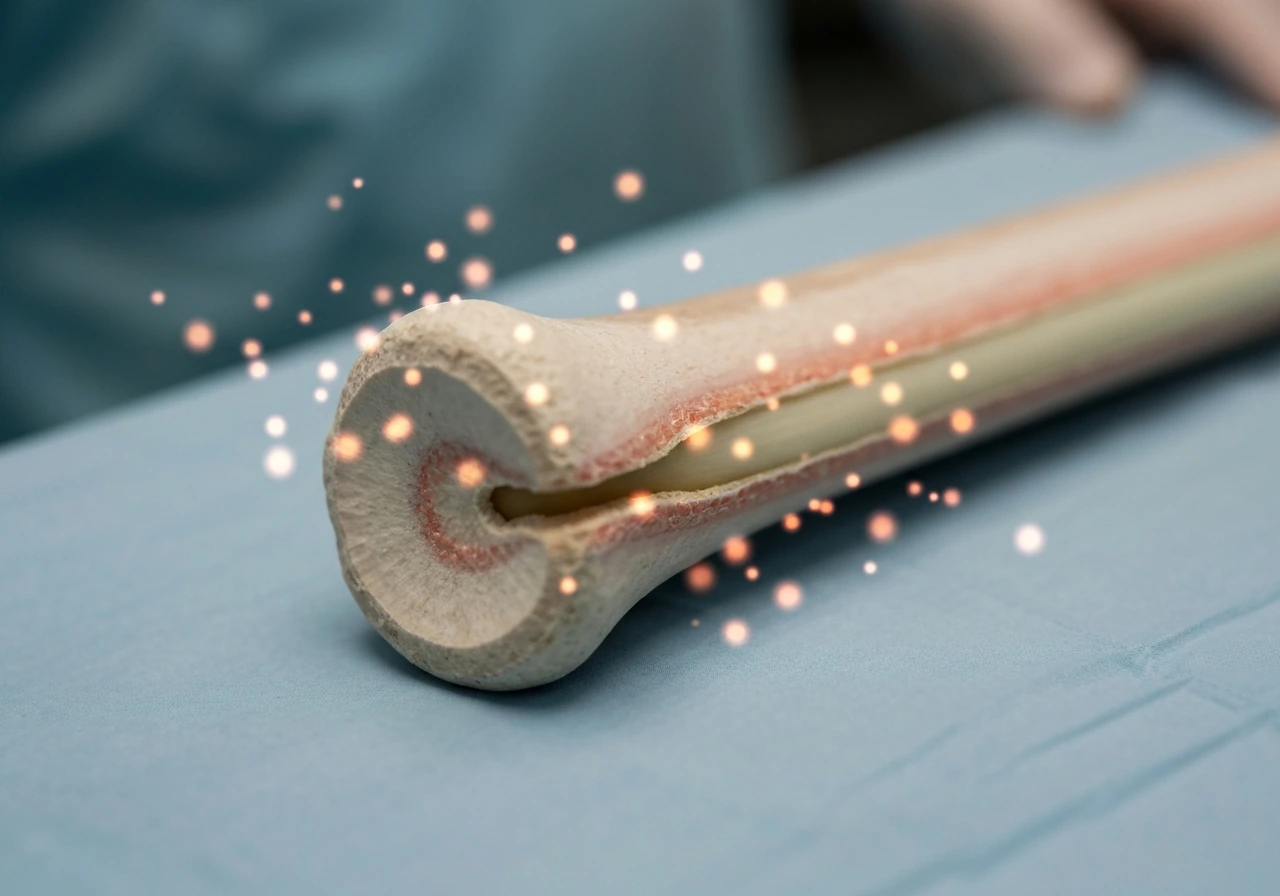
Your height is determined by the length of your bones, and bones grow at specific sites called growth plates (also called epiphyseal plates). These are thin layers of cartilage near the ends of your long bones that actively produce new bone tissue during childhood and adolescence. When growth plate cells (chondrocytes) divide and stack up, they eventually mineralize into hard bone, pushing the total bone length upward.
Growth plates are heavily regulated by hormones, especially growth hormone (GH) and its downstream mediator IGF-1, thyroid hormone, and sex steroids. During puberty, rising levels of estrogen (in both girls and boys) accelerate bone maturation and ultimately signal the growth plates to fuse, which permanently ends linear growth. Once the plates are closed, no supplement, exercise, or dietary change can reopen them. This is why timing matters so much: the window for influencing height is childhood and early adolescence, and even within that window, genetics and hormonal signals dominate.
Genetics accounts for roughly 60 to 80 percent of adult height variation. The rest is shaped by overall nutrition, sleep quality, physical health, and whether any underlying medical conditions (thyroid disorders, celiac disease, growth hormone deficiency) are present and treated. No single supplement sits near the top of that list.
What fish oil actually does in your body
Fish oil is a concentrated source of omega-3 long-chain polyunsaturated fatty acids, primarily EPA (eicosapentaenoic acid) and DHA (docosahexaenoic acid). These are genuine essential nutrients. They play important roles in brain development, cardiovascular health, reducing systemic inflammation, and supporting healthy cell membranes throughout the body. DHA in particular is critical for brain and retinal development in infants.
When it comes to bone, there is some interesting mechanistic biology: omega-3s may influence calcium absorption, reduce bone resorption via prostaglandin pathways, and modulate the activity of osteoblasts (bone-building cells) and osteoclasts (bone-dissolving cells). Some research has explored omega-3-derived mediators called resolvins as potential regulators of bone metabolism. A few trials have shown modest effects on bone mineral density in adults. This is worth knowing because it tells you that omega-3s do interact with bone biology, just not in a way that translates to getting taller. Omega-3s are essential for overall health, but the research does not support them as a way to grow taller get taller. Supporting bone density is not the same as lengthening bones.
The growth plate is controlled by sex steroid signaling and local cellular programs that are not meaningfully altered by omega-3 intake. Omega-3s cannot substitute for or amplify the hormonal signals that drive longitudinal bone growth, and they definitely cannot reopen fused growth plates.
What the research actually shows

In children and teenagers
The trial evidence is consistent and pretty clear. A Cochrane review found no association between omega-3 supplemented formula and height or weight outcomes in children up to age 3. A randomized trial comparing DHA plus arachidonic acid to placebo in toddlers born preterm found no effect on linear growth over 180 days. An RCT in healthy infants from 9 to 18 months comparing fish oil to sunflower oil found no meaningful difference in anthropometric outcomes. A double-blind placebo-controlled trial in 8 to 9-year-old children specifically measured height as an endpoint and found no effect. An NCBI evidence summary reviewing RCTs of DHA/EPA versus olive oil in early childhood reported similar length outcomes at 12 months, 2.5 years, and 5 years. A long-term follow-up of a prenatal fish oil RCT found no association with offspring height at age 19. The American Academy of Pediatrics, reviewing the evidence on fish and children's health, does not identify omega-3 supplementation as a method for improving height.
In adults
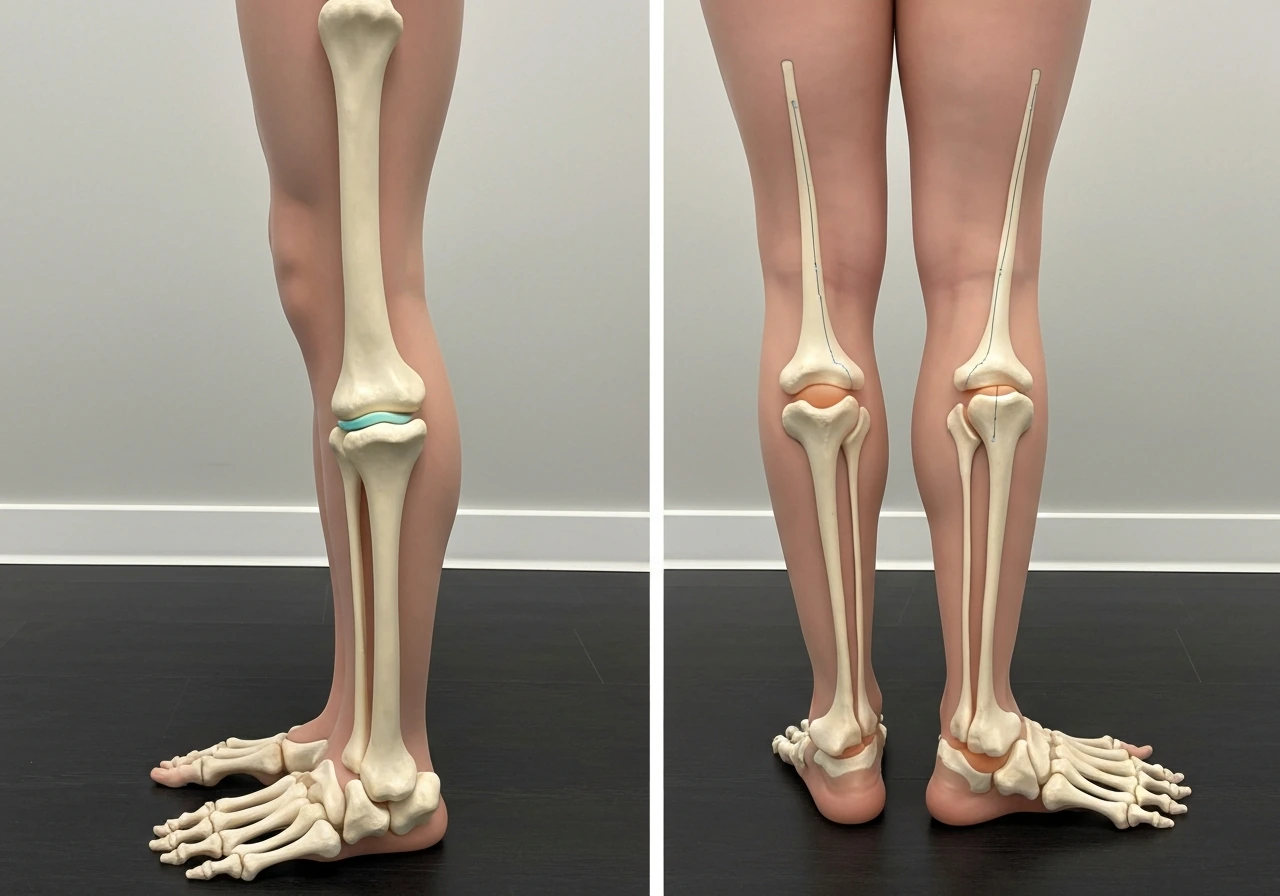
Adults with fused growth plates simply cannot grow taller, regardless of what they take. Some adult trials have looked at whether omega-3s can help maintain bone density or reduce vertebral fracture risk (relevant to the height loss that can come with osteoporosis), with the large DO-HEALTH trial studying vertebral fractures as an outcome. Results on bone mineral density have been mixed and inconsistent across studies. A 2-year RCT in adults with knee osteoarthritis found no effect of fish oil on bone mineral density at all. This is important context: the realistic value of omega-3s for adults is not height gain but potentially some modest bone health support, and even that evidence base is not rock solid.
The one scenario where fish oil might matter indirectly
There is one genuine exception worth mentioning: essential fatty acid deficiency. If someone is severely deficient in omega-3s (and omega-6s), their overall growth and metabolism can be impaired. Research has shown that fish oil can prevent essential fatty acid deficiency and restore normal growth patterns in that specific context. However, true symptomatic essential fatty acid deficiency is extremely rare in developed countries with adequate food access. For the vast majority of children and adults in the US or similar settings, supplementing with fish oil is not correcting a deficiency that was suppressing height.
A related consideration is that fish oil is often discussed alongside vitamin D and calcium, and those nutrients have a more direct and better-documented connection to bone growth and density. If a child has low vitamin D or inadequate calcium intake, correcting that deficiency does matter for bone health and can support normal growth. If calcium intake is low, fixing that can support bone health and help children reach their normal growth potential. Fish itself (especially fatty fish like salmon and sardines) naturally contains vitamin D, which is one reason eating fish has real nutritional value. But the vitamin D in fish is doing that work, not the omega-3s specifically. Similar sibling questions about calcium, zinc, magnesium, and iron and height involve nutrients that are more directly tied to bone metabolism and growth, and those are worth understanding in their own right.
What actually does maximize remaining height potential
If growth plates are still open (you are a child or teenager who has not yet completed puberty), the evidence-based levers are real but unsexy. None of them are supplements. Here is what the research consistently supports:
- Total calorie and protein intake: undernutrition and inadequate protein directly suppress linear growth. Studies of nutritional supplementation plus dietary counseling show measurable catch-up growth in children at risk of undernutrition. Getting enough food overall matters more than any single nutrient.
- Sleep: deep sleep is when growth hormone is secreted in its largest pulses. Consistently poor sleep in children and adolescents reduces GH output. Aim for 9 to 11 hours for school-age children and 8 to 10 hours for teenagers.
- Physical activity and weight-bearing exercise: regular physical activity supports healthy bone development and GH secretion. There is no evidence that any specific exercise makes you taller, but staying active matters for overall growth health.
- Vitamin D and calcium adequacy: if these are genuinely low, correcting them is important for normal bone mineralization and growth. Blood testing can confirm whether this is relevant for you.
- Treating underlying conditions: thyroid abnormalities, celiac disease, anemia, and growth hormone deficiency can all suppress height. These are medical diagnoses requiring medical treatment, not nutrition fixes.
- Avoiding growth-suppressing factors: chronic stress, long-term use of corticosteroids, and significant sleep deprivation all have documented negative effects on height potential.
Eating fish as part of a varied diet is genuinely good nutrition. Fatty fish provides high-quality protein, vitamin D, omega-3s, and zinc (all nutrients that support healthy development). Encouraging children to eat fish regularly makes sense from a whole-diet perspective. But eating more salmon will not make someone taller than their genetics and hormonal trajectory allow. Think of good nutrition as removing barriers to reaching your ceiling, not raising the ceiling itself.
When to stop self-researching and see a doctor
If you are a parent concerned about your child's height, the most useful thing you can do is track it properly. Measure height every three to six months and plot it on a standard growth chart (the CDC and WHO provide free ones). What you are watching for is growth velocity: children typically grow about 5 to 6 cm per year during the school-age years. Pediatric endocrinology referral guidelines flag growth velocity under 4 cm per year sustained for more than a year, or height that has dropped more than two centile lines after age 3, as reasons to get a proper evaluation.
A clinician can check bone age (via wrist X-ray), measure IGF-1 and thyroid function, screen for celiac disease, and assess puberty staging. This workup identifies treatable causes, and the Endocrine Society is explicit that when growth concerns exist, the priority is medical evaluation to find those causes, not trying supplements. Growth hormone deficiency, hypothyroidism, and celiac disease are all conditions where early diagnosis and treatment genuinely improve final height.
For adults worried about height loss (which is a real concern with aging), the mechanisms are different: spinal disc compression, postural changes, and vertebral bone density loss account for most height reduction after 30. Staying physically active, maintaining adequate calcium and vitamin D, avoiding smoking, and doing resistance and weight-bearing exercise are the evidence-based strategies here. Omega-3s have a plausible but unproven supporting role in bone density maintenance, so including them in your diet is reasonable, just do not expect them to reverse height loss.
Fish oil vs other height-linked supplements: a quick comparison

| Nutrient | Direct evidence for increasing height | Role in bone/growth biology | Who might benefit most |
|---|---|---|---|
| Fish oil (omega-3) | None from RCTs | Modest anti-inflammatory bone effects, no growth plate signaling | Those with essential fatty acid deficiency (rare) |
| Calcium | Indirect: supports bone mineralization | Essential for bone matrix formation | Children/teens with low dietary intake |
| Vitamin D | Indirect: deficiency stunts growth | Required for calcium absorption and bone mineralization | Those with confirmed deficiency |
| Zinc | Some evidence in deficient children | Supports IGF-1 activity and cell division in growth plates | Children in lower-income settings with dietary deficiency |
| Magnesium | Indirect via bone health | Cofactor in bone mineralization and hormone regulation | Those with inadequate intake |
| Iron | Indirect via correcting anemia | Anemia suppresses linear growth; correction helps | Children with iron-deficiency anemia |
| Protein/total calories | Strong in undernourished children | Direct substrate for tissue and bone growth | Undernourished children and adolescents |
The pattern across all these nutrients is the same: deficiency correction can remove a barrier to normal growth, but supplementing beyond adequacy in an otherwise well-nourished person does not push height above its genetic ceiling. Fish oil sits at the weaker end of even that framework, since omega-3 deficiency severe enough to impair growth is genuinely uncommon in most populations.
The bottom line on fish oil and height
Take fish oil if you want to support cardiovascular health, reduce inflammation, or ensure you are getting adequate omega-3 intake. Eat fatty fish regularly as part of a balanced diet because it is excellent food with multiple nutritional benefits. But do not take it expecting to grow taller. The biology does not support it, and the clinical trials have checked specifically and found nothing. If height is a genuine concern for you or your child, the most productive path is accurate growth tracking, a balanced whole-diet approach that covers protein, calories, calcium, and vitamin D, good sleep, and a conversation with a pediatrician or endocrinologist if the numbers are not tracking normally. That is where the real levers are.
FAQ
Can fish oil help adults regain lost height or stand taller?
If growth plates are already fused, height cannot increase from any supplement, including fish oil. For adults, omega-3s might support bone density or reduce fracture risk indirectly in some people, but they will not lengthen bones or restore lost spinal height. If the goal is height-related changes after age 30, focus on posture, weight-bearing exercise, and ensuring adequate calcium and vitamin D, and consider medical evaluation if height loss is rapid or accompanied by back pain.
Is there any situation where fish oil could affect height indirectly?
The only scenario where fish oil could relate to “growing” is preventing or correcting a true essential fatty acid deficiency, which is uncommon in well-fed populations. If someone has adequate nutrition, taking fish oil is not expected to change linear growth outcomes because the limiting factor is growth plate biology and hormones. If you suspect deficiency, discuss it with a clinician rather than assuming fish oil will fix height.
My child eats little or has low calcium or vitamin D, will fish oil make up for it?
Don’t treat fish oil as a substitute for vitamin D, calcium, or total calories and protein. Growth and bone health depend on multiple inputs, and the nutrients with clearer ties to growth potential are energy/protein adequacy, calcium intake, and vitamin D status. If those are insufficient, addressing them can remove a real barrier, whereas adding fish oil on top usually does not raise the ceiling.
What should I do if my child’s height percentiles are dropping?
Height concerns in children are best handled by measuring accurately and tracking growth velocity over time. Use the same method each visit, measure every 3 to 6 months, and plot on a growth chart. If growth velocity is persistently below about 4 cm per year or the child crosses more than two centile lines after age 3, ask for pediatric assessment rather than trying supplements.
If I start fish oil early in childhood, will it boost height before puberty?
There is not good evidence that “earlier is better” for fish oil beyond normal nutrition, because RCTs that measured height endpoints still showed no benefit. If your child is not getting enough omega-3s from food, choosing fatty fish can be reasonable, but dosing fish oil to try to accelerate growth is unlikely to work. Prioritize overall diet quality and medical evaluation when growth is abnormal.
Should I ask a doctor for tests instead of trying fish oil?
Fish oil can have mild effects on health and lab markers in some people, but it is not a reliable tool for changing growth outcomes. A more evidence-based approach is to check for specific conditions that affect growth, such as thyroid disorders, celiac disease, growth hormone deficiency, or delayed puberty. Ask a pediatrician about targeted tests if height trajectory is concerning.
Is there a safe dose of fish oil to try, or could it cause harm?
Fish oil dosing and product quality vary a lot across brands, and “more” does not equal “taller.” Overuse can cause side effects such as gastrointestinal upset and, at higher doses, increased bleeding tendency in susceptible people, especially if taking anticoagulant or antiplatelet medications. If you are considering supplementation, choose an appropriate dose with clinician guidance, particularly for children or people on blood thinners.
My adult child or I are worried about height loss, what are more evidence-based options than fish oil?
If the concern is height loss in adulthood, fish oil is not a substitute for fracture prevention fundamentals. Evidence-based strategies include adequate calcium and vitamin D, resistance and weight-bearing exercise, not smoking, and addressing conditions that affect bone density. If height loss is noticeable, consider evaluation for osteoporosis or vertebral fractures, especially with back pain.
Next Article
Does Iron Help You Grow Taller? What Research Says
Explains whether iron affects height by preventing deficiency, plus labs, safe supplements, food tips, and limits after