Iron can support normal height growth in children and teens, but only if they are actually iron deficient. Correcting a deficiency removes a real obstacle to growth. But if your iron levels are already adequate, adding more iron will not make you taller. Iron is not a height booster. It is a foundational nutrient that keeps the body running the way it should, and when it is missing, growth can suffer along with a lot of other things.
Does Iron Help You Grow Taller? What Research Says

Marcus Reeves
21 May 2026

Does iron actually increase height potential?
The honest answer is: it depends entirely on whether a child is deficient. Iron deficiency is one of the most common nutritional shortfalls in the world, and it disrupts several processes that matter for normal growth. When you correct a deficiency, you remove a brake that was slowing the body down. Studies on micronutrient supplementation in young children (including a Cochrane Review of children under two in low-income countries) found that even interventions that successfully reduced anemia and iron deficiency had no measurable effect on growth measurements. NIH Office of Dietary Supplements (ODS) notes that a Cochrane Review in children under 2 years in low-income countries found micronutrient powder with elemental iron reduced anemia and iron deficiency, with no effect on growth measurements Cochrane Review in children under two in low-income countries. That finding is worth sitting with because it tells us something important: fixing iron deficiency does not produce bonus height, it restores the conditions for normal growth.
So the real question is not 'can iron make my child taller?' It is 'is my child iron deficient in a way that is holding back their growth?' Those are very different questions with very different answers.
How iron connects to growth biology
Oxygen delivery and energy for growth
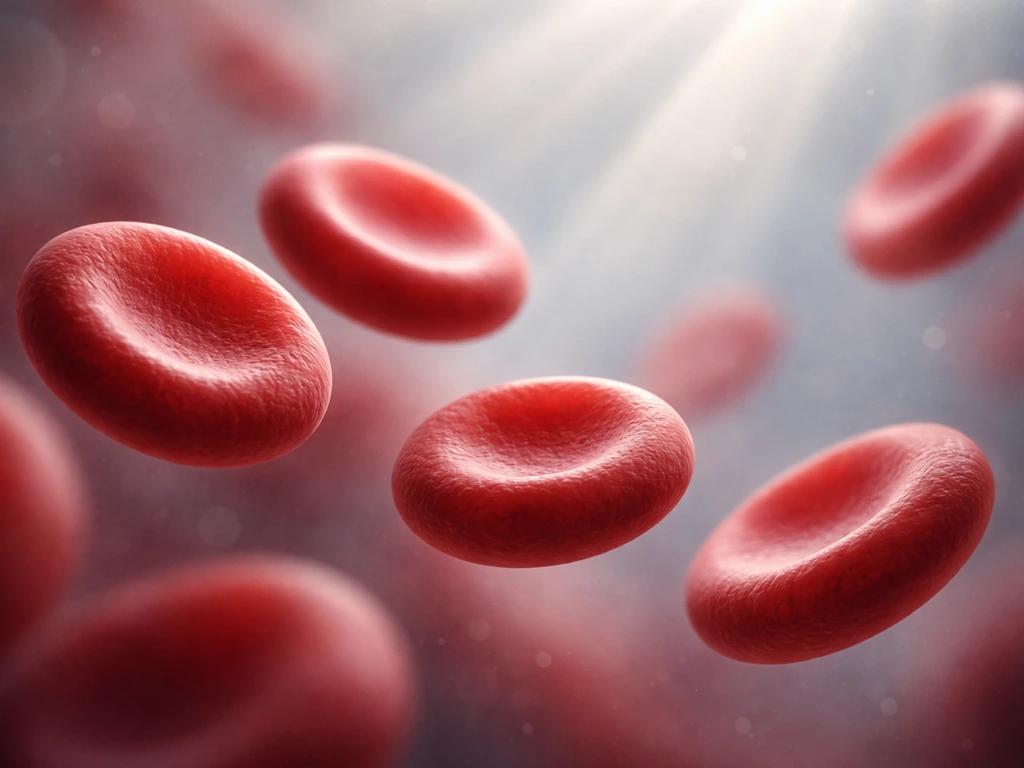
Iron's primary job in the body is building hemoglobin, the protein in red blood cells that carries oxygen from the lungs to every tissue. When iron is low, hemoglobin production falls, red blood cells carry less oxygen, and the body essentially operates under an energy ceiling. Growing is metabolically expensive. Bone elongation, muscle development, and organ growth all demand well-oxygenated tissue. A child running on low iron is running on a reduced fuel supply, and the body will prioritize survival functions over growth.
Growth plates and hormonal signaling
Height comes from the growth plates, the zones of cartilage near the ends of long bones that gradually mineralize and lengthen bones during childhood and adolescence. Growth hormone and IGF-1 (insulin-like growth factor 1) are the main hormonal drivers of this process. Iron deficiency has been linked to disruptions in thyroid hormone metabolism, and thyroid hormones work closely with growth hormone in regulating skeletal development. A poorly oxygenated, anemic body also produces inflammatory signals that can suppress appetite and interfere with the hormonal environment needed for efficient growth. None of this means iron is the master switch for height, but it illustrates why severe or chronic deficiency creates real physiological problems that ripple into growth.
Iron deficiency in kids and teens: what to look for
Signs that warrant a closer look

Iron deficiency exists on a spectrum. In the early stages, there are often no obvious symptoms at all. As stores deplete and hemoglobin falls, symptoms start to appear. Common signs in children and teens include persistent fatigue or low energy, pallor (especially noticeable in the inner lower eyelid, gums, or nail beds), frequent headaches, difficulty concentrating in school, reduced physical endurance, and unusual food cravings like ice or dirt (called pica). Teens, especially girls after menstruation begins, may notice heavier fatigue than expected.
Who is at higher risk
- Infants and toddlers, especially those who were exclusively breastfed beyond 6 months without iron-rich complementary foods introduced
- Adolescent girls after menstruation starts, due to monthly blood losses
- Teen athletes, particularly those doing high-volume endurance training
- Children following vegetarian or vegan diets without careful meal planning
- Kids from food-insecure households with limited access to meat, legumes, or iron-fortified foods
- Premature infants and babies with low birth weight, who start life with lower iron stores
- Anyone with a condition that impairs iron absorption, such as celiac disease or inflammatory bowel disease
How to actually confirm iron status: labs, targets, and safe dosing
Get the right tests
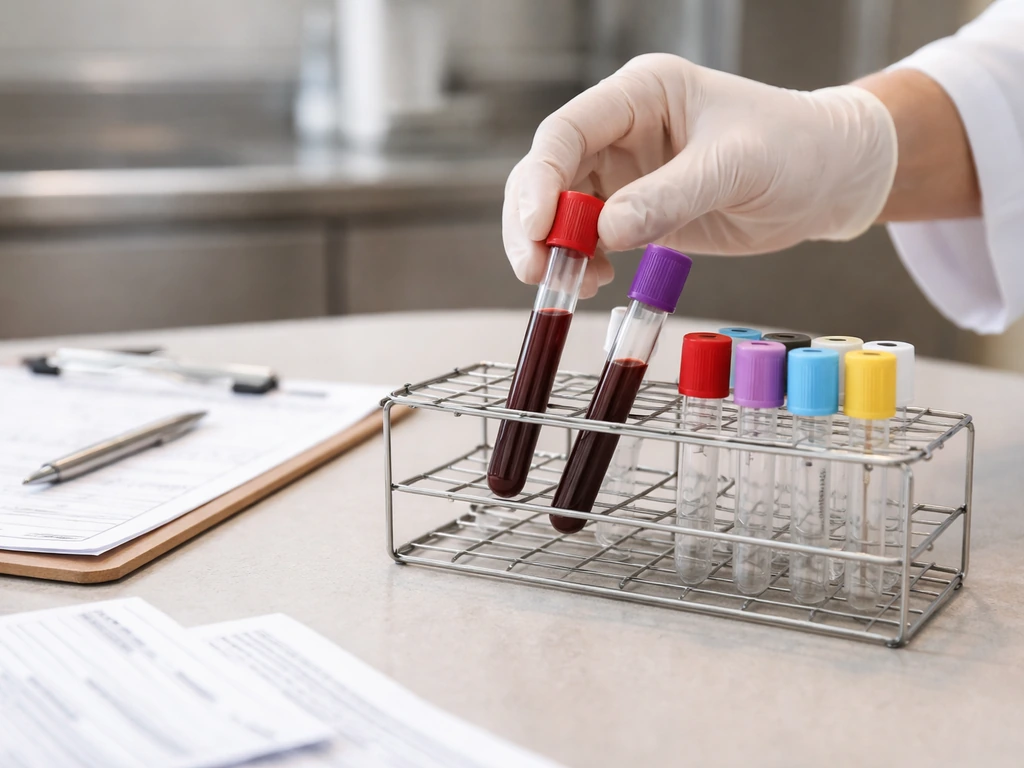
Do not guess based on symptoms alone. A lot of things cause fatigue and pallor. The right move is to ask your child's doctor for a complete blood count (CBC) and a serum ferritin test. The CBC tells you about red blood cell size and hemoglobin levels, which flag anemia. Ferritin tells you about iron stores before anemia even develops, making it the earlier and more sensitive marker. These two together give a much clearer picture than either alone.
Understanding the numbers
Ferritin cutoffs vary by age and health status. WHO guidelines set the threshold for iron deficiency at ferritin below 12 µg/L for apparently healthy children under 5 years, and below 15 µg/L for children 5 years and older. In children who have an active infection or inflammation, ferritin rises artificially because it is an acute-phase protein, so a higher cutoff of below 30 µg/L is used in those situations. Your doctor will interpret results in the context of your child's full clinical picture, which is exactly why testing matters more than self-diagnosing.
Supplementing safely
If a deficiency is confirmed, a pediatrician will typically recommend supplemental iron at a dose calculated to the child's weight and severity of deficiency. Do not supplement on your own without confirmed deficiency. Iron overload is a real and serious problem: excess iron generates oxidative stress, can damage organs over time, and acute overdoses are dangerous, especially in young children. Always keep iron supplements out of reach of small children and follow the exact dose prescribed. Retest ferritin after a few months of supplementation to confirm stores have recovered and to avoid overshooting.
Getting iron from food first
High-absorption iron sources
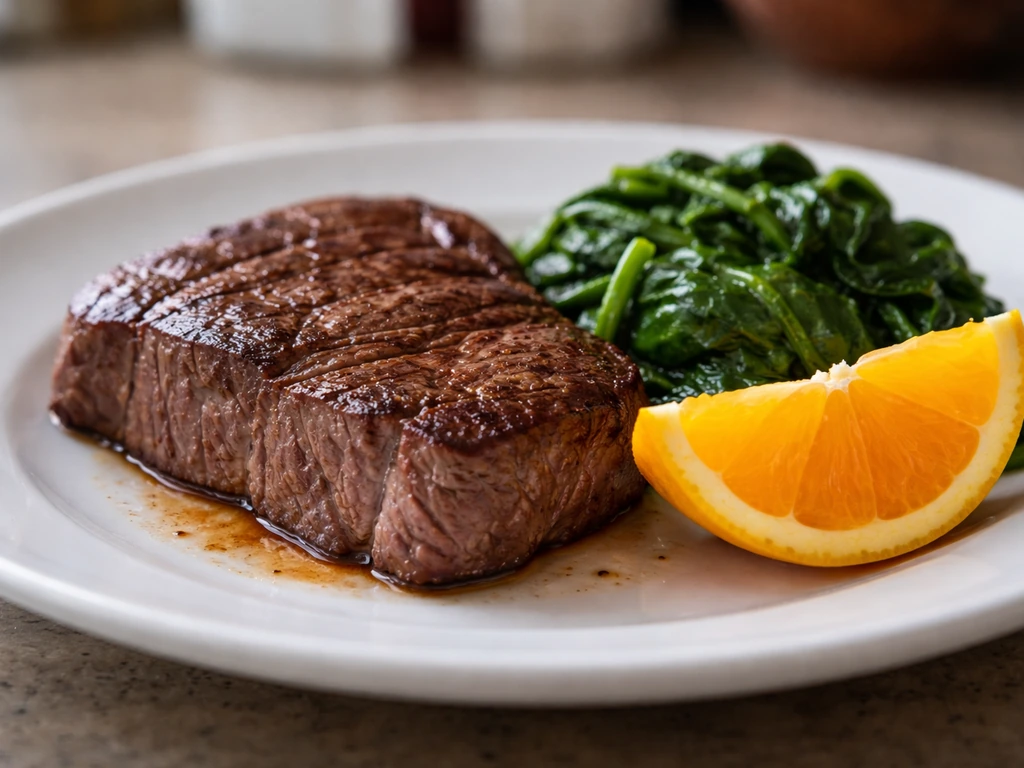
There are two forms of dietary iron: heme iron from animal foods and non-heme iron from plant foods. Heme iron is absorbed at a rate of roughly 15 to 35 percent and is not significantly affected by other foods in the meal. Non-heme iron absorbs at 2 to 20 percent and is strongly influenced by what else is eaten at the same time. Prioritizing heme iron sources is the most reliable food-first strategy for building and maintaining iron stores.
| Food | Iron type | Practical notes |
|---|---|---|
| Red meat (beef, lamb) | Heme | One of the richest and most bioavailable sources |
| Dark poultry meat (chicken thighs) | Heme | More iron than white meat; good everyday option |
| Shellfish (clams, oysters) | Heme | Exceptionally high iron content per serving |
| Canned tuna and sardines | Heme | Affordable, convenient, and consistent |
| Lentils and beans | Non-heme | Good plant source; pair with vitamin C to boost absorption |
| Tofu and tempeh | Non-heme | Useful for vegetarian/vegan diets; absorption enhanced by acidic foods |
| Fortified breakfast cereals | Non-heme | Check labels; absorption is variable but can be meaningful |
| Pumpkin seeds and cashews | Non-heme | Good snack options but absorption is modest without pairing strategies |
| Spinach and dark leafy greens | Non-heme | Contains oxalates that limit absorption; pair with lemon juice or citrus |
How to absorb more iron from every meal
- Eat vitamin C alongside non-heme iron sources: a glass of orange juice, sliced bell peppers, or a squeeze of lemon can meaningfully boost absorption
- Include a small amount of meat or fish with plant-based iron foods; even a few bites of chicken with a lentil dish improves overall absorption
- Cook acidic foods (like tomato sauce) in a cast-iron pan, which can leach small amounts of iron into the food
What blocks iron absorption
- Calcium: high calcium intake at the same meal competes with iron for absorption pathways; separate calcium-rich foods or supplements from iron-rich meals by at least two hours
- Tea and coffee: polyphenols in these drinks bind iron and significantly reduce absorption; avoid drinking them within an hour of an iron-rich meal
- Phytates: found in whole grains and legumes; soaking, sprouting, or fermenting these foods reduces phytate content and improves iron availability
- Oxalic acid: found in spinach, rhubarb, and beet greens; limits iron from those specific foods
Iron is one piece of a much bigger height puzzle
Even if iron is optimized, height is determined by a combination of factors, and genetics accounts for roughly 60 to 80 percent of final adult height. That does not mean nutrition is irrelevant. It means nutrition, sleep, and other lifestyle factors are what allow a child to reach the height their genetics intended rather than falling short of it.
Sleep
Growth hormone is released in pulses during deep sleep. Children who consistently get inadequate sleep are not receiving the full hormonal signal for growth. School-age children need 9 to 11 hours per night, and teens need 8 to 10. This is not optional for growth biology.
Total calories and protein
Chronic under-eating, even without being severely malnourished, can suppress growth. The body needs adequate total energy to build tissue, and it needs protein as the raw material for bone matrix, muscle, and structural proteins. Children and teens in active growth phases have higher relative protein needs than adults. Skimping on either total calories or protein is a real, underappreciated constraint on height potential.
Vitamin D and calcium
Bone is not just mineral, but mineral is a big part of it. Calcium provides structural density to bones, and vitamin D is required for calcium absorption in the gut. So while calcium matters for building bone, it does not work as a stand-alone height booster calcium provides structural density to bones. A child who is consistently low in vitamin D absorbs far less calcium from their diet than their growth plates need. These two nutrients work together and are worth monitoring alongside iron, especially in kids who spend little time outdoors or avoid dairy.
The broader micronutrient picture
Iron is one nutrient in a network. Zinc supports growth hormone signaling and is involved in cell division at growth plates. Magnesium plays a role in bone mineralization and vitamin D activation. Omega-3 fatty acids support the hormonal environment and reduce chronic inflammation that can suppress growth. Thinking about any single nutrient in isolation misses the point. A diet that is rich and varied covers most of these bases simultaneously, which is why food-first strategies outperform single-supplement approaches in the long run.
Physical activity
Weight-bearing activity, particularly things like running, jumping, and resistance training appropriate for age, stimulates bone remodeling and healthy bone density. Exercise also supports healthy appetite and sleep, creating a positive feedback loop for growth.
If you are an adult: what iron cannot do
Once growth plates close, typically in the late teens for girls and early-to-mid twenties for males, bones can no longer lengthen. Iron, calcium, zinc, or any other nutrient will not reopen those plates or add millimeters to your frame. does fish oil help you grow taller. If you are an adult and iron deficient, correcting it will almost certainly make you feel significantly better: more energy, better cognitive function, improved exercise tolerance. But it will not change your height. Full stop.
For adults who are self-conscious about height, the realistic focus shifts to posture, core strength, and overall health rather than pursuing height gain through nutrition. Chronic iron deficiency in adults is still worth addressing for all the other reasons it matters, just not for height.
Practical next steps
If you are a parent wondering whether iron is limiting your child's growth, the path forward is straightforward. Start with a conversation with your child's doctor and request a CBC and serum ferritin test. If deficiency is confirmed, work with the doctor on supplementation dose and duration, then retest to confirm recovery. In parallel, audit the diet for iron-rich foods and apply the absorption-boosting strategies above. Separate calcium supplements or high-calcium foods from iron-rich meals, and reduce tea and coffee consumption around iron-containing meals if those are habits in the household.
Do not go straight to supplements without testing. Iron is one of the few nutrients where self-supplementing without confirmed deficiency carries real downside risk. Get the data first, then act on it. That approach is both safer and more likely to actually help.
FAQ
If my child already eats iron-rich foods, can iron still help them grow taller?
Not typically. If a child is not iron deficient, adding iron will not increase height or growth plate activity. The most practical check is labs, especially a serum ferritin test (iron stores), since symptoms can overlap with other issues like low sleep, chronic inflammation, or under-eating.
If iron deficiency is corrected, how quickly will height catch up?
Yes, timing matters. If deficiency is corrected during active growth, it can remove a real barrier and help them get back to their normal growth trajectory, but it is not a shortcut to “catch up” beyond what genetics allows. Expect benefits to show up first as improved energy and appetite, with height following the usual growth schedule.
Should we wait to test ferritin until after an illness?
Schedule the bloodwork when your child is not in the middle of a significant infection if possible, because inflammation can temporarily raise ferritin and make deficiency look less severe. If testing happens during illness, ask the clinician how they are interpreting results in the context of inflammation markers or symptoms.
Why can ferritin results be confusing in children?
Serum ferritin is the key early marker, but interpretation depends on context. Ferritin can read higher during inflammation, so doctors may use a higher cutoff (often around 30 µg/L) when infection or inflammation is suspected. That is one reason self-diagnosis based on a single number can mislead.
What should I do if I already started an iron supplement before testing?
You can, but the doses and formulation matter, and overdosing is a real risk. A better approach is to test first (CBC plus ferritin), then follow the pediatrician’s weight-based dose. If you already started supplements, tell the doctor before repeating labs so they can interpret ferritin trends safely.
How should iron supplements or iron-rich meals be paired with calcium?
Iron absorption depends on what comes with it. To improve absorption, avoid giving iron with tea, coffee, or calcium-rich drinks at the same time, and do not combine iron supplements with high-calcium products unless your doctor tells you otherwise. Separating iron from calcium by a few hours can make a difference.
If symptoms are mild, is it still worth getting labs?
Many children with iron deficiency have subtle or no symptoms early. If you see persistent fatigue, pallor, pica, headaches, or reduced stamina, do not assume it will resolve with diet alone. Ask for the CBC and ferritin so you can distinguish iron deficiency from other causes.
What dietary changes help iron levels the most, especially from plants?
Heme iron sources (from animal foods) tend to be more reliably absorbed, while non-heme iron from plants is more affected by other foods. A practical food-first tactic is to include a heme source when possible and pair non-heme iron meals with vitamin C foods (like citrus or peppers) to boost absorption.
How long should iron supplementation continue, and when should ferritin be rechecked?
Typically, you should retest after a course of treatment rather than guessing it worked. The common practical approach is rechecking ferritin after a few months (exact timing depends on the doctor and severity) to confirm stores are replenished and avoid overshooting.
If iron deficiency is found in adulthood, will it affect height at all?
Correcting chronic deficiency might improve appetite, sleep quality, and exercise tolerance, which supports growth indirectly, but it still will not reopen closed growth plates. For adults, addressing iron deficiency is important for health and energy, but it will not change height.
Can exercise “fix” slow growth if iron is low?
Choose age-appropriate, growth-safe activity, since weight-bearing activity supports bone remodeling and overall growth physiology. However, exercise alone cannot replace correcting confirmed iron deficiency, because oxygen delivery and hemoglobin levels still matter for healthy tissue growth.
Next Article
Does Zinc Help You Grow Taller? Evidence, Risks, and Next Steps
Learn if zinc boosts height, when deficiency matters, risks of excess zinc, and safer next steps for kids and teens.