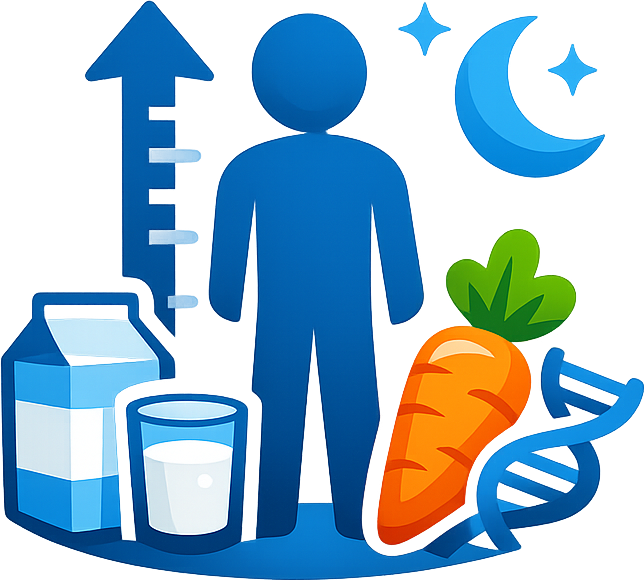
Zinc can support height growth, but only if you're actually low in it. If your zinc levels are already adequate, taking extra zinc is very unlikely to make you any taller. The research is fairly consistent on this: zinc deficiency does slow growth, and correcting that deficiency can get growth back on track, especially in children and teens whose growth plates are still open. But zinc isn't a height-boosting supplement for well-nourished people. Does fish oil help you grow taller? The evidence does not show that it meaningfully increases linear height, especially if you are already well-nourished. It's a nutrient that removes a brake when that brake is the problem.
Does Zinc Help You Grow Taller? Evidence, Risks, and Next Steps

Marcus Reeves
3 May 2026

How human height actually grows (and where nutrients fit)
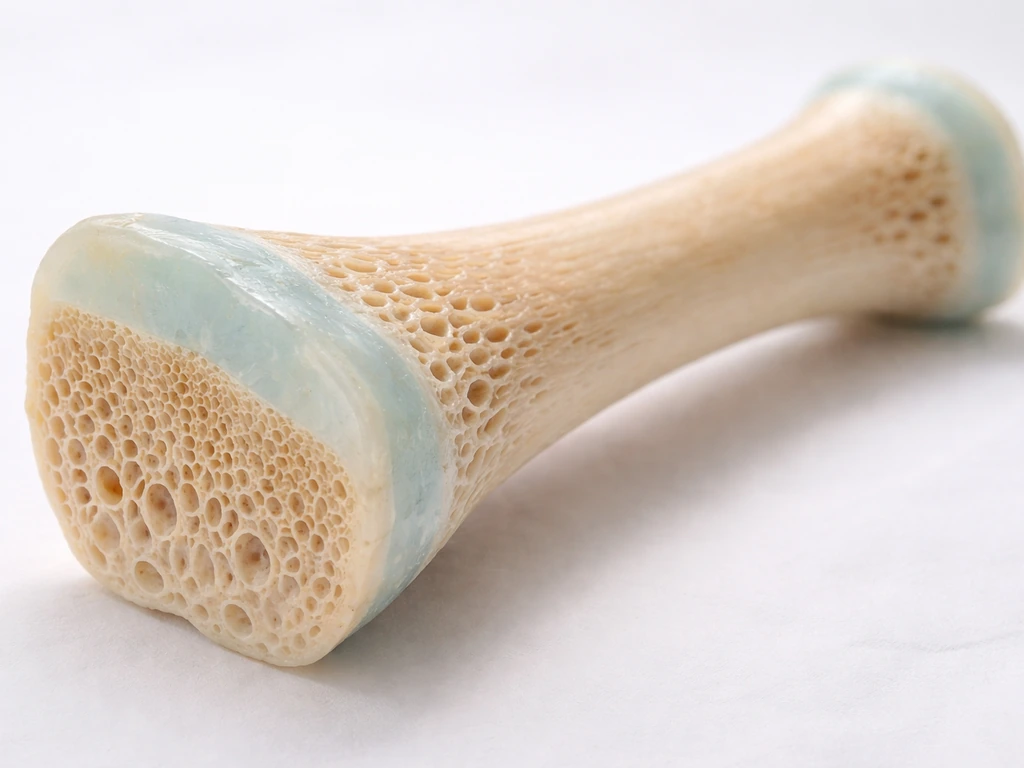
Height comes from your bones getting longer, and that happens at specific regions near the ends of your long bones called growth plates (or physes). These plates are made of cartilage, and specialized cells inside them called chondrocytes keep dividing and expanding, gradually pushing the ends of bones further apart. Over time, those cartilage zones harden into bone, and when growth plates fully fuse, that's it for linear height growth. This process is largely finished by the late teens for most people, though the exact timing varies.
The hormonal machinery driving all of this centers on growth hormone (GH), which the pituitary gland releases in pulses, especially during sleep. GH then triggers the liver (and local tissues) to produce insulin-like growth factor 1 (IGF-1), which is what actually stimulates chondrocyte activity at the growth plates. Other hormones matter too: thyroid hormone, androgens, estrogen, glucocorticoids, and vitamin D all play roles in regulating how fast and how long bones grow. The adolescent growth spurt happens when sex hormones surge and interact with this GH/IGF-1 system. For boys, peak growth velocity typically falls around ages 13 to 14, with gains of more than 10 cm possible in a single year.
Nutrients don't drive this process directly, but they're essential supporting infrastructure. Without adequate protein, energy, vitamins, and minerals, the hormonal system can't function properly and bone tissue can't be built fast enough to keep up with what growth demands. Think of hormones as the engine and nutrients as the fuel. You can have a great engine, but if the fuel supply is compromised, output suffers. Zinc is one of those fuels.
What zinc does for the body and growth
Zinc is involved in over 300 enzymatic reactions in the body. It's needed for cell division, DNA and RNA synthesis, protein synthesis, and immune function. For growth specifically, zinc matters in a few ways. It's required for the activity of enzymes involved in building collagen and bone matrix. It also appears to support IGF-1 activity and is needed for normal GH receptor signaling. When zinc is low, IGF-1 production tends to drop even if GH secretion remains relatively normal, which means the hormonal signal is there but the downstream response is blunted.
Zinc also plays a role in thyroid hormone function and in the regulation of appetite, which can have indirect effects on growth. If a child is zinc-deficient, they often have reduced appetite on top of all the other direct effects, compounding the nutritional shortfall.
Does zinc deficiency actually affect height? What the evidence says

Yes, and the evidence is pretty solid here. Multiple randomized controlled trials have found that zinc-deficient children who receive zinc supplementation show improved growth velocity. In one trial of short children with mild-to-moderate zinc deficiency, zinc supplementation significantly increased linear growth velocity along with serum zinc, calcium, phosphorus, and alkaline phosphatase levels. Plasma IGF-1 also increased. Studies in prepubertal children with idiopathic short stature and low serum zinc have reported IGF-1 rising from around 67 ng/mL to around 98 ng/mL after supplementation, along with increases in other bone markers like osteocalcin and IGFBP-3.
A 2023 Cochrane review that pooled 74 studies with over 20,700 children (aged roughly 6 months to 12 years) found that preventive zinc supplementation led to a small but statistically meaningful increase in height, with a standardized mean difference of 0.12 (95% CI: 0.09 to 0.14). A separate meta-analysis on linear growth beyond age 24 months found a mean effect size of about 0.15, with larger effects in stunted children. These are modest numbers, but they're real, and they make biological sense: if deficiency is what's limiting growth, fixing it helps.
It's worth noting, though, that not every zinc supplementation trial shows growth benefits. Some studies in specific populations or contexts have found no significant improvement in height velocity with zinc alone. The overall picture is that the effect is most consistent and most meaningful when children are actually deficient or stunted to begin with.
Will zinc help if you're not deficient? Realistic expectations
This is the part most people searching this topic really need to hear. If you're already getting enough zinc from your diet, adding more is almost certainly not going to make you or your child taller. The research showing growth benefits from zinc supplementation is concentrated in populations with documented deficiency or stunting, often in low- and middle-income countries where dietary zinc intake is genuinely inadequate. For a well-nourished teenager in a country with diverse food access, zinc status is usually sufficient, and there's no meaningful evidence that supplementing beyond your needs moves the growth needle.
There's also the matter of growth plate status. Once your growth plates fuse (typically by the late teens for most people, though it varies), no nutrient, including zinc, can reopen them. Adults who have finished growing cannot gain height through zinc supplementation, full stop. The biology just doesn't allow it.
The honest framing is this: zinc deficiency is a brake on growth, and removing that brake matters. But if the brake isn't engaged, pressing harder on the accelerator with extra zinc won't make the car go faster.
How to figure out if you might be low in zinc
Dietary patterns and risk factors
The best dietary sources of zinc are animal proteins: beef, lamb, oysters, crab, pork, chicken, and dairy. Plant-based sources like legumes, nuts, seeds, and whole grains contain zinc, but they also contain phytates, compounds that bind to zinc in the gut and inhibit absorption. This means vegetarians and vegans are at higher risk of low zinc status even if their total intake looks adequate on paper. Other groups at elevated risk include people with malabsorptive conditions (like Crohn's disease or celiac), those with very low overall caloric intake, infants who are exclusively breastfed for extended periods without introduction of zinc-rich foods, and people with chronic alcohol use.
NHANES data from 2011 to 2014 found that about 8. In the Journal of Nutrition analysis of NHANES 2011, 2014, low serum zinc was present in a minority of the US population, and prevalence varied by sex, age, and time of blood draw rather than by dietary or supplemental zinc NHANES data from 2011 to 2014. 6% of US males aged 10 and older had serum zinc below sufficiency cutoffs, and about 8.2% of females in the same age range. So while outright deficiency is not the norm in the US, it's also not rare, especially in certain dietary and health contexts.
Testing and its limitations
Serum or plasma zinc is the most widely used biomarker, and it does respond to supplementation and depletion, making it useful in practice. However, it has real limitations: serum zinc is affected by time of day (morning levels differ from evening), inflammation, and infection. It doesn't always correlate neatly with total body zinc status.
The NIH notes that clinicians typically assess zinc status by combining lab values with clinical risk factors and signs like impaired growth in children rather than relying on a single blood result alone. If you're concerned about a child's growth and think zinc might be involved, the right move is to talk to a pediatrician who can evaluate the full picture, not just order a zinc level in isolation.
Safe ways to increase zinc
Food first

Getting zinc through food is the safest and most effective approach for most people. A 3-ounce serving of beef chuck provides around 7 mg of zinc. Oysters are exceptionally concentrated (over 70 mg per 3 ounces, though that's far beyond daily needs). Dairy, eggs, poultry, legumes, pumpkin seeds, and fortified cereals all contribute meaningfully. If you eat a varied diet that includes animal protein regularly, hitting the recommended daily intake is usually straightforward.
Supplements: when they make sense and how to use them carefully
If a clinician has confirmed low zinc or identified strong risk factors, supplementation can be appropriate. The key is staying within safe dosing limits, which are much lower than most people assume, especially for children. The tolerable upper intake level (UL) for zinc is 40 mg per day for adults. For children, the ULs are substantially lower and age-specific: just 4 mg for ages 1 to 3, 5 mg for ages 4 to 8, 23 mg for ages 9 to 13, and 34 mg for ages 14 to 18. Exceeding these levels isn't just wasteful, it's potentially harmful.
The copper problem you need to know about

Zinc and copper compete for absorption in the gut, and this is a genuinely important safety concern. Taking 50 mg or more of zinc per day for even a few weeks can significantly impair copper absorption and lead to copper deficiency. Copper deficiency can cause anemia, neurological symptoms, and reduced immune function. Clinical copper deficiency in the US is most commonly caused by excess zinc intake.
High-dose zinc supplements, including some over-the-counter products, can quietly deplete copper over time. If you're taking zinc long-term at meaningful doses, your clinician should also monitor copper status. This interaction is also relevant when thinking about other mineral supplements: iron and zinc also compete for absorption, which is worth considering if multiple mineral supplements are in play.
Dosage reference by age
| Age Group | Recommended Daily Intake (RDA/AI) | Tolerable Upper Level (UL) |
|---|---|---|
| 1–3 years | 3 mg/day | 4 mg/day |
| 4–8 years | 5 mg/day | 5 mg/day |
| 9–13 years | 8 mg/day | 23 mg/day |
| 14–18 years | 9–11 mg/day | 34 mg/day |
| Adults (19+) | 8–11 mg/day | 40 mg/day |
High-dose zinc supplements can also cause short-term gastrointestinal side effects including nausea, abdominal discomfort, and diarrhea. These tend to occur with doses well above the UL, but they're a signal that the body is being overloaded. More is genuinely not better with zinc.
Better height growth steps beyond zinc
Even if zinc deficiency is corrected, it's just one piece of the height puzzle. If you or your child is in an active growth phase and you want to support every realistic inch of genetic potential, these are the areas that matter most:
- Sleep: This is the single most underrated factor. Growth hormone is released primarily during deep sleep, particularly in the first few hours after falling asleep. Children and teens who consistently get 8 to 10 hours of quality sleep per night are giving their GH/IGF-1 system the best possible conditions to work. Cutting sleep short routinely is genuinely a growth limiter.
- Protein and overall caloric adequacy: The body can't build bone and tissue without raw materials. Protein is the structural component of growth, and chronically low protein intake is associated with poor height outcomes. Getting enough total calories matters too because the body deprioritizes growth when energy is scarce.
- Calcium and vitamin D: These are the primary building blocks of bone mineral density and are directly involved in growth plate activity. Getting enough calcium through dairy, fortified foods, or leafy greens, alongside adequate vitamin D (from sunlight or diet), supports the bone formation that makes height gains permanent.
- Physical activity: Weight-bearing exercise and play support bone development and stimulate growth-related hormones. High-impact activities like running, jumping, and sports that load the skeleton are particularly beneficial during childhood and adolescence. Resistance training is safe for teens when done properly and does not stunt growth, despite the persistent myth.
- Genetics and puberty timing: The largest determinant of your final height is your genetic potential, primarily your parents' heights. Pubertal timing also matters: late bloomers often catch up and may ultimately reach similar heights to early developers, though the trajectory looks different along the way. There's no supplement or habit that overrides genetic ceiling.
- Avoiding things that suppress growth: Chronic stress, smoking exposure, poorly controlled chronic illness, and long-term use of corticosteroids can all impair growth. Addressing these factors matters as much as optimizing nutrition.
It's also worth knowing that other minerals get asked about in similar contexts. Calcium, magnesium, and iron all have roles in bone development and overall health, and deficiencies in any of them can affect growth outcomes. If you’re wondering about iron specifically, it matters mainly when someone is iron-deficient or has anemia, rather than as a general height booster Calcium, magnesium, and iron all have roles in bone development.
Magnesium matters too, but it doesn't reliably increase height if your overall diet and growth factors are already adequate calcium, magnesium, and iron. Calcium also plays a role in bone development, and low intake can limit growth, especially in children. Omega-3 fatty acids are another nutrient that shows up in this conversation. As with zinc, the pattern is consistent: deficiency correction helps, but supplementing beyond needs in already-adequate individuals doesn't reliably produce extra height.
The bottom line on zinc specifically: if there's a genuine reason to suspect deficiency, especially in a growing child with poor dietary zinc intake or a relevant health condition, it's absolutely worth investigating and addressing. But zinc alone isn't a height hack, and treating it like one while missing sleep, skimping on protein, or ignoring the broader nutritional picture would be getting the priorities backwards.
FAQ
If my child is “normal” on a zinc intake estimate, should they still take zinc for height?
Not reliably. If someone is already meeting zinc needs, added zinc usually does not translate into extra linear growth. The main exception is when there is documented low zinc status or high-risk dietary patterns plus impaired growth, where correcting the deficiency can improve growth velocity.
My child is short for age, how do I know if zinc is actually the problem?
Do not assume the cause of slow growth is zinc. Ask the pediatrician to look at overall growth trend (growth velocity), caloric and protein adequacy, thyroid status, celiac or other malabsorption, sleep, chronic inflammation, and family history. Zinc testing can be part of that workup if risk factors or dietary red flags exist, but it should not be the only step.
Can zinc supplements make adults taller if they were zinc deficient as a child?
Zinc can help only while growth plates are open, which for most people means through late teens. Even if you correct zinc deficiency in adulthood, it cannot reopen fused growth plates, so it will not increase height.
How accurate is a blood zinc test for predicting whether zinc will affect growth?
Yes, serum or plasma zinc levels can be misleading. Levels can vary with time of day and are affected by inflammation or recent illness, so a single blood draw may not reflect long-term zinc status. Clinicians often interpret results alongside dietary risk, symptoms, and growth data rather than relying on one test.
What dose is “safe” for a teen, and how do I avoid taking too much?
Generally, higher is not better. For children and teens, dosing should stay under age-specific tolerable upper limits, and long-term supplementation at higher doses should include monitoring for copper status due to the zinc-copper absorption interaction.
What symptoms or risks should I watch for if my child takes zinc for months?
If you supplement zinc beyond needs, copper deficiency is a real risk because zinc competes with copper for absorption. Signs can include anemia, fatigue, and sometimes neurologic symptoms. If zinc is being used for weeks to months at meaningful doses, it is reasonable to ask the clinician whether copper (and CBC) should be checked.
Are vegetarians and vegans more likely to have a zinc deficiency that affects growth?
Plant-based diets can still provide enough zinc for many people, but absorption can be lower because phytates bind zinc in the gut. If someone is vegetarian or vegan and especially if they rely heavily on grains and legumes without zinc-optimized habits, they may be at higher risk for low zinc status even when intake looks adequate.
Who is most likely to benefit from zinc testing and supplementation for growth?
Yes, several groups have higher odds of low zinc status, including people with malabsorption (for example, celiac disease or Crohn’s disease), very low overall calorie intake, certain patterns of exclusive breastfeeding without timely introduction of zinc-rich foods, and chronic alcohol use. These situations increase the value of medical evaluation rather than self-treating with high-dose supplements.
What should I do if zinc upsets my stomach, especially in a kid?
If zinc causes side effects like nausea, stomach pain, or diarrhea, that can be a sign the dose is too high for that person. In that situation, stop and talk to a clinician before continuing, especially for children, because you may need dose reduction, product change, or evaluation of whether zinc is actually needed.
If zinc helps, what other factors most strongly affect whether a child reaches their growth potential?
Zinc is one piece of the growth picture. Even with corrected zinc, poor sleep, insufficient calories, inadequate protein, low vitamin D, and untreated medical conditions can still limit growth. If the goal is maximizing growth potential in a growing child, prioritize sleep and total nutrition first, then address specific deficiencies if testing or risk suggests they are present.
Next Article
Does Magnesium Help You Grow Taller? Evidence and Plan
Does magnesium, including glycinate, increase height? Evidence on deficiencies, bone growth, and practical steps plus sa