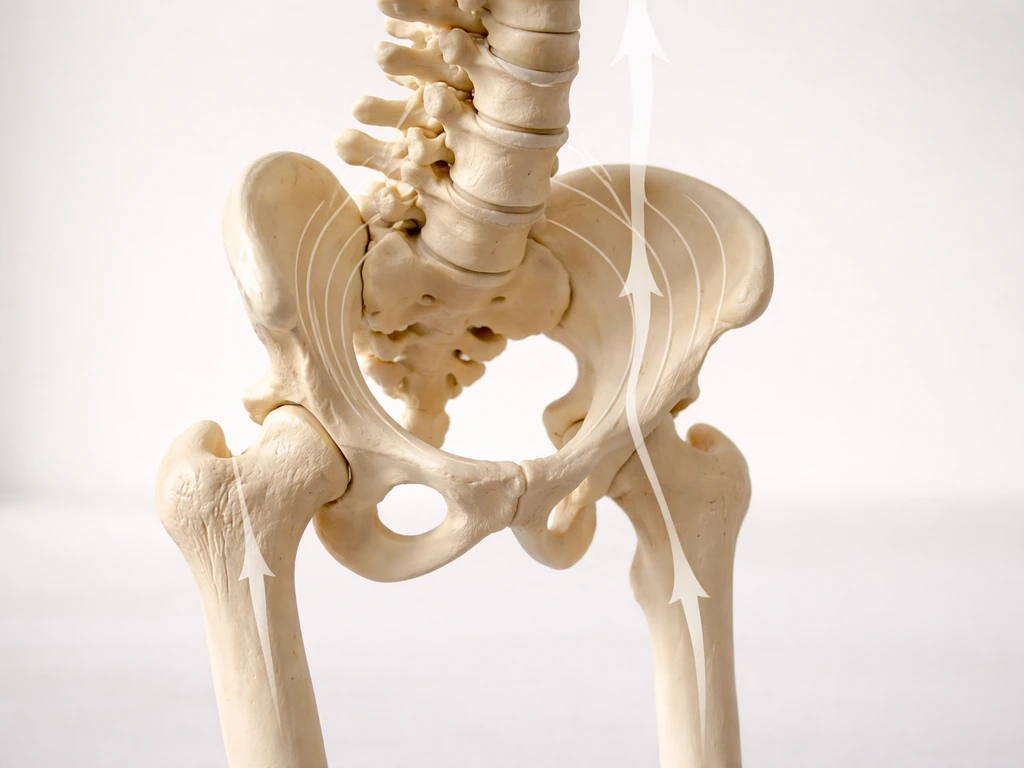
Whether you can still grow taller depends almost entirely on one thing: whether your growth plates are still open. In NIAMS / NIH guidance, growth plates close during adolescence and are replaced by solid bone, limiting further linear growth after closure. If you're a child or early teenager, the answer is almost certainly yes, and there's a meaningful amount you can do to reach your genetic ceiling. If you're a late teen or adult whose plates have already fused, true bone lengthening isn't happening, but posture, spinal health, and a few other factors can still recover an inch or so of functional height. The honest answer sits somewhere between "yes, absolutely" and "not in the way you're hoping," depending on where you are in development right now.
Can Grow Taller? Height Potential by Age and What Helps


How height growth actually works
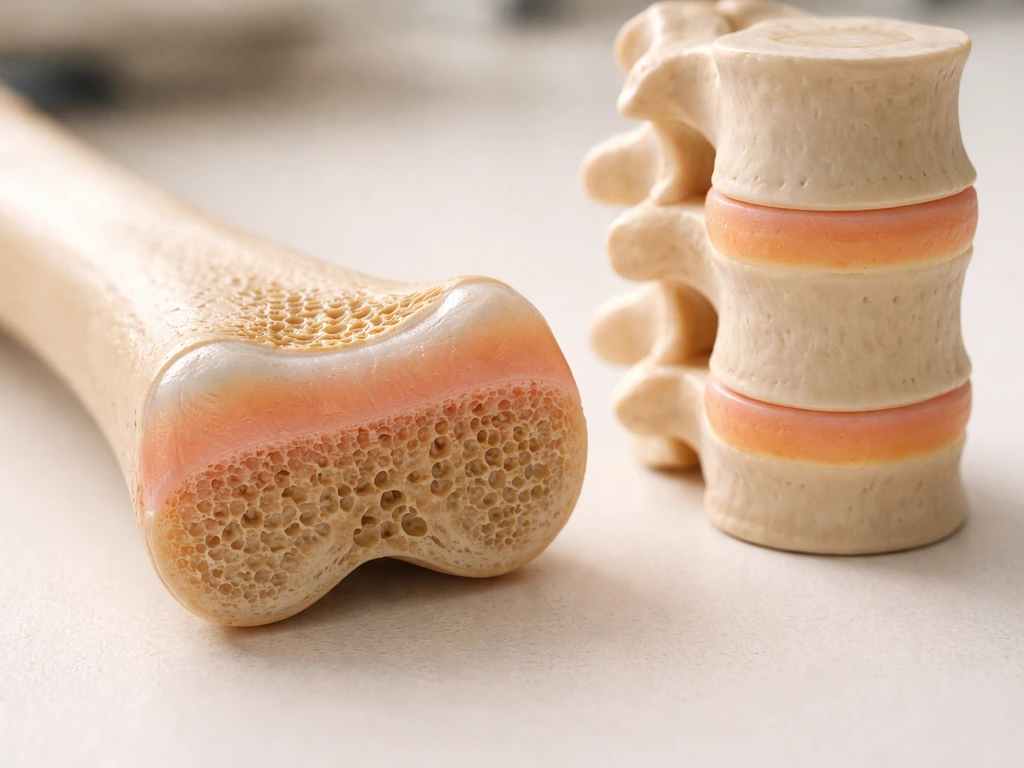
Your height is determined by the length of your bones, specifically the long bones in your legs and spine. Those bones grow at specialized structures called epiphyseal plates, or growth plates. These are thin layers of cartilage near the ends of your long bones where new bone tissue is continuously produced during childhood and adolescence. The chondrocytes (cartilage cells) inside the plate multiply, stack up, and then mineralize into solid bone, pushing the ends of the bone further apart and making you taller.
The whole process is regulated by your endocrine system, primarily the growth hormone and IGF-1 axis. Your pituitary gland releases growth hormone (GH), which then triggers the liver to produce insulin-like growth factor 1 (IGF-1), and it's IGF-1 that acts directly on the growth plate to drive that chondrocyte multiplication. Thyroid hormone, cortisol, and sex hormones all play supporting or modifying roles too.
Puberty is where things get interesting and complicated. Rising levels of estrogen (in both males and females, since testosterone is converted to estrogen via aromatase in males) accelerate growth initially, producing the classic growth spurt. But those same estrogen signals are also what eventually trigger growth plate senescence, meaning the plates gradually run out of proliferative capacity and fuse into solid bone. Once fused, no further linear growth is possible through normal physiology. This is why aromatase deficiencies or estrogen receptor defects, which are rare conditions, can result in unusually tall adults: the plates never get the signal to stop.
Age-based answer: can you still grow?
Children (under 12 or pre-puberty)

Yes, with a long runway ahead. Growth plates are wide open, GH and IGF-1 are active, and the biggest levers here are nutrition, sleep, and avoiding factors that suppress the growth axis (like chronic stress or undereating). Kids at this stage are building the foundation of their adult height. Tracking height on a standard growth chart every 6 to 12 months is a practical way to confirm they're growing along their expected percentile curve.
Teenagers during puberty
This is the most critical window. The growth spurt during early-to-mid puberty can add 2 to 3 inches per year in some individuals. Girls typically reach peak height velocity around ages 11 to 13, boys around 13 to 15. Growth continues after the peak but slows significantly. Most girls finish growing by 15 to 17, and most boys by 17 to 19, though late bloomers can continue into their early 20s. If you started puberty later than expected, you may have more time before your growth plates fuse and your height potential is usually easier to access late bloomers. If you are a late bloomer, the key is to focus on growth-plate-friendly basics and to understand whether you still have time left based on your stage of puberty late bloomers. If you're a teenager who started puberty late, there's good reason to think you have more growth time left than your peers. The question of whether late developers consistently reach a taller adult height is nuanced and worth exploring separately.
Adults with fused growth plates
Once growth plates have fully closed, your skeletal length is fixed. A bone density scan (DEXA) or X-ray can confirm fusion, and most adults over 20 to 22 are fully closed. That said, your measured height can still vary by as much as 0.5 to 1.5 inches across a single day due to spinal disc compression from gravity and loading. Morning height is typically the tallest. Addressing chronic postural issues or disc health can recover some of that functional height, but it won't lengthen your bones.
Evidence-based factors that influence height potential
Genetics sets the range. About 60 to 80 percent of your adult height is determined by your genetic blueprint. But that means 20 to 40 percent is environmental, and those environmental factors are most powerful during childhood and adolescence. Here's what actually moves the needle:
Nutrition

Protein is the most critical macronutrient for linear growth. It provides the amino acids needed for IGF-1 production and bone matrix synthesis. Children and teenagers should be eating adequate total calories first (undereating is the fastest way to suppress GH secretion), then prioritizing protein from quality sources like meat, fish, eggs, dairy, and legumes. Calcium and vitamin D are the mineral foundations of bone mineralization: kids aged 9 to 18 need around 1,300 mg of calcium daily and at least 600 IU of vitamin D, though many researchers argue for higher vitamin D levels in the range of 1,000 to 2,000 IU daily given widespread deficiency. Zinc deficiency is specifically associated with stunted growth and delayed puberty, so adequate zinc from meat, seeds, and whole grains matters too. Chronic malnutrition, even moderate caloric restriction during key growth years, is one of the most reliably documented causes of not reaching genetic height potential.
Sleep
Growth hormone is released in pulses, and the largest pulse happens in the first few hours of deep (slow-wave) sleep. Children and teenagers who consistently get inadequate or poor-quality sleep are suppressing the very hormone that drives their growth plates. School-age children need 9 to 11 hours; teenagers need 8 to 10 hours. This isn't about just getting more hours but getting the right kind: consistent sleep timing, dark and cool room, no bright screens in the hour before bed. Disrupted circadian rhythms genuinely blunt GH secretion in ways that matter over months and years.
Body weight and energy availability
Both extremes are problematic. Obesity in childhood can accelerate puberty onset (which shortens the total growth window), while being significantly underweight or in a prolonged caloric deficit suppresses GH and IGF-1 directly. The goal is adequate energy availability: eating enough to support both normal activity and growth, not crash dieting or aggressively restricting food groups during the growth years.
Hormones
Beyond GH and IGF-1, thyroid hormone is essential for normal growth plate function, and hypothyroidism in childhood is a documented cause of growth failure. Cortisol chronically elevated from stress or steroid medications suppresses GH secretion and can independently impair growth. Precocious puberty (puberty starting too early) compresses the growth window, sometimes resulting in shorter adult stature despite an early growth spurt.
Exercise and training: what helps vs what's mostly myth
Exercise has a real but modest and indirect role in height growth. It stimulates GH release, supports bone density, and improves overall metabolic health, all of which create a better environment for growth. Specific sports or movements do not mechanically make your bones longer. Here's the honest breakdown:
| Strategy | What the evidence actually shows |
|---|---|
| Resistance/strength training | Safe for children and teens when age-appropriate; stimulates GH pulses; does NOT stunt growth when done correctly |
| High-impact sports (basketball, volleyball, sprinting) | Promote bone density and GH release; popular belief that jumping sports make you taller is unproven as a causal mechanism |
| Swimming | Excellent for overall development; no evidence it specifically increases height beyond general fitness benefits |
| Stretching and yoga | Improves posture and flexibility, which can recover postural height loss; does NOT lengthen bones |
| Hanging exercises | May temporarily decompress the spine (recovering intra-day height loss); does not cause lasting bone lengthening |
| Heavy overtraining in youth | Potential for growth plate stress injuries in skeletally immature athletes; avoid repetitive high-load training without adequate recovery |
The myth that heavy lifting stunts growth in kids is not well supported by evidence. What matters is appropriate load, good technique, and adequate recovery. An active kid who lifts weights sensibly is not at a meaningful disadvantage; in fact, the GH stimulus from resistance training and the bone-loading from impact sports are both positive for development. What you do want to avoid is repetitive overuse stress on open growth plates, particularly in young specialized athletes doing the same movement patterns year-round without rest.
Medical reasons you might not be growing as expected
If a child or teenager is consistently falling off their growth curve, crossing downward through percentiles on a standard chart over 6 to 12 months, that warrants a medical evaluation. A single snapshot height measurement is less useful than a growth velocity tracked over time. Here are the main medical causes of impaired growth to be aware of:
- Growth hormone deficiency: Rare but treatable; GH replacement therapy is effective and well-studied when started before plate closure. Diagnosis involves stimulation testing, bone age X-ray, and IGF-1 levels.
- Hypothyroidism: Thyroid hormone is essential for normal growth plate function; even subclinical hypothyroidism can slow growth velocity.
- Celiac disease and inflammatory bowel disease: Chronic intestinal inflammation impairs nutrient absorption and can cause significant growth delay that resolves with treatment.
- Chronic kidney disease: Impairs the GH/IGF-1 axis and is a well-known cause of growth failure in pediatric patients.
- Constitutional delay of growth and puberty (CDGP): The most common cause of short stature with delayed puberty; these individuals are often "late bloomers" who reach normal adult height but on a delayed timeline.
- Precocious puberty: Early puberty triggers an early growth spurt but also causes early plate fusion, potentially limiting adult height.
- Medication effects: Long-term corticosteroid use (for asthma, autoimmune conditions) can significantly suppress GH secretion and impair growth.
- Idiopathic short stature: Short stature without an identified cause; GH therapy is approved in some countries for this indication but results are modest.
When to see a doctor: if a child's height is below the 3rd percentile for age, if they're growing less than 2 inches per year during childhood, if puberty hasn't started by age 13 in girls or 14 in boys, or if there's a sudden drop in growth velocity. A pediatric endocrinologist can order bone age assessment (a left-hand X-ray), IGF-1 and IGFBP-3 levels, thyroid function, and a comprehensive metabolic panel to start ruling in or out the main causes.
Adult goals: posture, spine health, and what's actually achievable
If your growth plates are closed, your bones are the length they are. That's not going to change without surgical intervention (limb-lengthening surgery exists but is a major, expensive, risky procedure reserved for genuine medical need, not cosmetic height gain). However, you can recover meaningful functional height through postural work and spine health, and that's worth taking seriously.
Chronic forward head posture, thoracic kyphosis (excessive upper back rounding), and anterior pelvic tilt can collectively compress your apparent height by an inch or more. Strengthening your posterior chain (glutes, erector spinae, lower and mid traps), stretching hip flexors, and improving thoracic mobility can genuinely change how tall you stand. This isn't cosmetic trickery; you're recovering height that was always structurally there but obscured by muscular imbalances.
Spinal disc hydration is another real factor. Your intervertebral discs act as shock absorbers and spacers between vertebrae. They lose fluid throughout the day under gravitational loading (hence the morning vs. evening height difference) and can chronically compress with dehydration, sedentary behavior, or heavy axial loading without decompression work. Staying well hydrated, sleeping adequately, and incorporating spinal decompression movements (hanging, yoga inversions, swimming) supports disc health and helps maintain your full standing height over time.
Myths, supplements, and quick fixes to skip
The height supplement market is almost entirely myth dressed up in scientific-sounding language. Here's the direct breakdown of what doesn't work and what to do instead:
| Claim / Product | Reality | What to do instead |
|---|---|---|
| "Height growth pills" or herbal supplements | No peer-reviewed evidence supports any supplement causing bone lengthening in humans | Focus on protein, calcium, vitamin D, and zinc from real food |
| Ashwagandha for height | Some adaptogen research exists for GH, but no reliable height outcome data in healthy individuals | Prioritize sleep quality, which has robust GH-related evidence |
| Stretching to lengthen bones | Bones do not lengthen in response to stretching; only growth plate activity does that | Use stretching to improve posture and flexibility, which can recover postural height |
| Inversion tables for height gain | Temporary spinal decompression; no lasting bone length change | Fine for back decompression and comfort; don't expect permanent height gains |
| HGH injections for healthy individuals | Illegal without a prescription in most countries, expensive, and carries real side effects including joint pain, insulin resistance, and organ enlargement | Only pursue GH therapy under medical supervision for diagnosed deficiency |
| Specific "grow taller" exercises online | No exercise mechanically lengthens bone after plates close | Exercise for posture improvement, GH stimulus, and general health |
There's one thing worth acknowledging about the Wolff's Law angle that shows up in some height-focused content: the law correctly states that bone remodels in response to mechanical stress, which is relevant for bone density and shape, but this remodeling does not translate to meaningful longitudinal bone lengthening in adults. The growth plate is the only mechanism for that, and it's closed.
Your practical next steps right now
The most useful thing you can do today depends on where you are developmentally. If you are wondering does asta grow taller, the answer similarly depends on whether growth plates are still open and where you are in puberty. Here's a concrete action plan based on your situation: If you're wondering does Maomao grow taller, the answer depends mainly on whether her growth plates are still open and what stage of development she is in.
- Determine your puberty stage and estimated remaining growth. If you're under 18 and still in puberty, you almost certainly have growth potential left. Track your height every 3 months and plot it on a standard CDC or WHO growth chart.
- Audit your nutrition. Are you eating enough total calories? Getting at least 1 gram of protein per pound of body weight? Getting calcium from dairy, fortified foods, or leafy greens? If you're unsure about vitamin D, a simple blood test (25-OH vitamin D) is cheap and informative.
- Prioritize sleep. Set a consistent bedtime and wake time. Aim for 8 to 10 hours if you're a teenager. Make your room dark and cool. This single habit has more documented impact on GH secretion than any supplement you could buy.
- Exercise regularly but smartly. Strength training, sports, and high-impact activity are all positive. Don't overtrain, and don't restrict calories while training hard. If you're a young athlete specializing in a single sport year-round, consider incorporating rest periods and cross-training.
- See a doctor if something seems off. If you're a child or teen growing less than 2 inches per year, falling off your growth curve, or haven't started puberty at the expected age, get a pediatric workup. Ask specifically for a bone age X-ray, IGF-1 level, and thyroid panel.
- If you're an adult, shift focus to posture and spine health. Work on thoracic mobility, strengthen your posterior chain, and address any chronic forward head posture. This is where you can realistically gain measurable height without gimmicks.
The honest reality is that most people searching this question are looking for reassurance or a real answer, not a miracle. If your plates are open, the fundamentals (food, sleep, exercise, medical attention when needed) genuinely matter and can make a real difference in reaching your potential. If they're closed, posture and spine health are your practical levers. Either way, there's something concrete you can do today, and it doesn't require a single supplement.
FAQ
How can I tell if my growth plates are still open without an X-ray or bone age scan?
Home clues are limited, but puberty stage helps. If you are still in early to mid puberty, your plates are very likely open. If puberty is essentially complete, plates are often close to fusing. The most reliable non-symptom approach is a bone age study (left-hand X-ray) with a clinician, especially if your growth pattern has slowed unexpectedly or you want a clear yes or no.
What growth rate should I expect, and when does “normal” start looking like a problem?
A single height number can mislead, so focus on velocity over 6 to 12 months. The article notes evaluation if a child is growing less than about 2 inches per year, but also pay attention to crossing percentiles downward, especially if it keeps happening across multiple checkups. If growth slows along with fatigue, weight changes, or delayed or early puberty signs, it is worth prompt medical review.
Do height spurts always predict a taller final adult height?
Not necessarily. You can grow fast during a spurt but still end shorter if the overall window is compressed, for example from early puberty, chronic illness, or endocrine issues. Final height depends on both peak growth and how long the growth plates stay active, so late teens who had an early spurt do not always end up taller.
If I’m underweight, will gaining weight automatically make me grow taller?
Not automatically, but adequate energy availability is a prerequisite. Prolonged undereating can suppress GH and IGF-1, so restoring calories can help the growth axis work properly if growth plates are still open. The best target is a gradual, clinician-guided plan if needed, because rapid weight changes and crash diets can worsen hormonal and growth disruption.
Is protein timing important for height growth, or is total daily intake what matters?
Total daily protein matters most, but spacing can help you consistently meet the target. Many kids do better with protein in multiple meals and snacks, rather than relying on one large serving. If appetite is an issue, adding protein-dense options (milk or yogurt, eggs, beans, nut butters) can raise intake without huge volume.
Can vitamin D supplementation make a noticeable difference if my level is low?
It can, especially if deficiency is present, because vitamin D supports bone mineralization and overall growth physiology. However, dosing should be individualized, since excessive intake is not ideal. A common practical step is to ask a clinician about checking 25-hydroxy vitamin D levels if deficiency is suspected, rather than guessing high doses blindly.
Does strength training in adolescence help height potential or hurt it?
For most kids, appropriately designed strength training is not a stunting risk, provided technique and recovery are sensible. The article points out the myth around heavy lifting, but the practical caution is to avoid repetitive overuse and year-round specialization on one movement pattern. If joints or growth-plate-adjacent pain persists, training should be modified and evaluated.
Will stretching, yoga, or posture exercises make me measurably taller on the day-to-day scale?
They can change measured height by improving posture and reducing compressive factors, especially when slumped posture is flattening your apparent height. The change is usually “functional” rather than true bone lengthening. Best practice is to measure at the same time of day (morning is typically tallest) and track averages, not single-day results.
Why do I look shorter in the evening, and can anything prevent that compression?
That pattern is largely disc and soft-tissue compression from daily loading. Hydration, regular movement, and not staying in one posture for long periods can help maintain disc health. The article also mentions decompression-friendly habits like hanging and swimming, but if you have back pain, numbness, or worsening symptoms, get assessed rather than self-treating.
Do height pills or “growth supplements” work at all if my growth plates are closed?
They generally do not increase bone length after plates have fused. Some supplements might change general nutrition status, but they cannot substitute for the growth-plate mechanism. If a supplement claims adult height gains, it is usually using misleading language, and it is better to spend effort on posture, spine health, and managing any medical contributors.
When should I see a doctor for possible hormone or growth issues?
Seek evaluation if you have red flags like falling downward through percentiles, low stature (for example below the 3rd percentile), significant slow growth velocity, delayed puberty onset, or a sudden drop in growth speed. For teens, persistent fatigue, headaches, abnormal weight change, or symptoms of thyroid problems also justify medical review, because multiple endocrine causes can mimic “normal variation.”
If I am a late bloomer, will I definitely catch up to the tallest potential for my genetics?
No guarantees. Late puberty increases the chance that growth plates are still active, which helps, but final height still depends on overall health, nutrition, sleep, and whether there is any underlying endocrine or chronic condition. Tracking growth velocity during late adolescence is the most informative way to judge whether catch-up is actually happening.
Is limb-lengthening surgery something to consider, and who is it for?
It is generally reserved for specific medical needs or severe functional concerns, because it is major, expensive, and carries real risks. For most people seeking cosmetic height, it is not a practical tradeoff. If someone is exploring it, decisions should come after a thorough orthopedic evaluation, a discussion of risks and timelines, and a clear medical rationale.
Wolff’s Law Grow Taller: What It Can and Can’t Do
Learn how Wolff’s law affects bone density and shape, what it can’t do for height, plus safe training steps.