
Wolff's law cannot make you grow taller in the way most people hope. Wolff's law cannot make you grow taller in the way most people hope, and the same expectation applies when you ask does asta grow taller. It describes how bone tissue remodels in response to mechanical stress, not how bones lengthen. That said, applying the principles behind it through smart loading, posture work, and impact exercise does matter for bone density, spinal health, and how tall you actually stand day to day. If your growth plates are still open (you're a child or teenager), mechanical loading plays a real supporting role in development. If you're an adult with closed growth plates, you're not going to add centimeters of true height, but you can recover posture-based losses and protect what you have.
Wolff’s Law Grow Taller: What It Can and Can’t Do

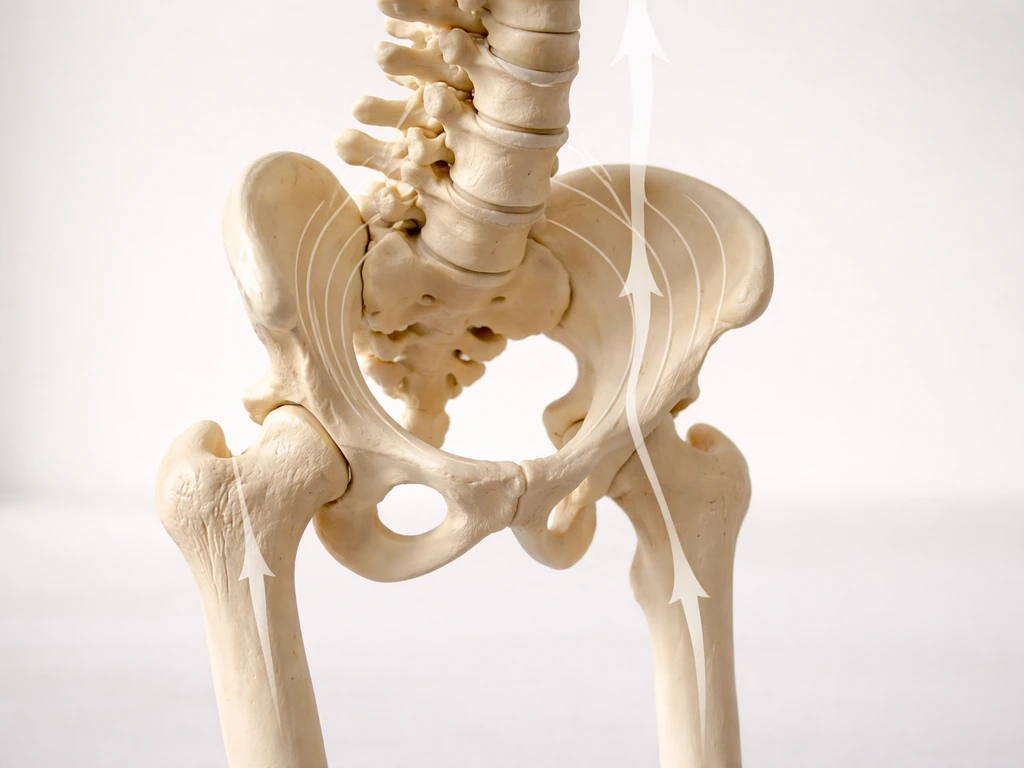
What Wolff's Law Actually Says
Julius Wolff proposed in the 19th century that bone adapts its structure in response to the mechanical demands placed on it. In plain terms: put stress on bone, and the bone responds by reorganizing to handle that stress better. Modern science has fleshed this out enormously through a framework called mechanotransduction, which describes a multi-step process: mechanical forces are sensed by bone cells, converted into biochemical signals, transmitted through the tissue, and then acted on by osteoblasts (cells that build bone) and osteoclasts (cells that break it down).
The central players in this system are osteocytes, which are osteoblasts that have become embedded in the bone matrix. Research has established that osteocytes play a pivotal role in what's called the mechanostat model, first proposed by Harold Frost. Think of the mechanostat like a thermostat: bone continuously monitors typical strain levels and adjusts its formation and remodeling activities to match the demand. Load the bone above its adapted threshold, and osteoblast activity increases, adding mass and adjusting structure. Let it sit idle below that threshold, and resorption takes over.
What this means practically is that weight-bearing exercise, resistance training, and impact loading do produce measurable changes in bone mineral density and bone geometry. High-intensity loading is generally more effective for increasing bone mineral density than low-impact activities. But here's the important nuance: remodeling changes the density, strength, and internal architecture of bone. It does not make bones longer.
Can Wolff's Law Make You Grow Taller? True Height vs Posture and Disc Spacing
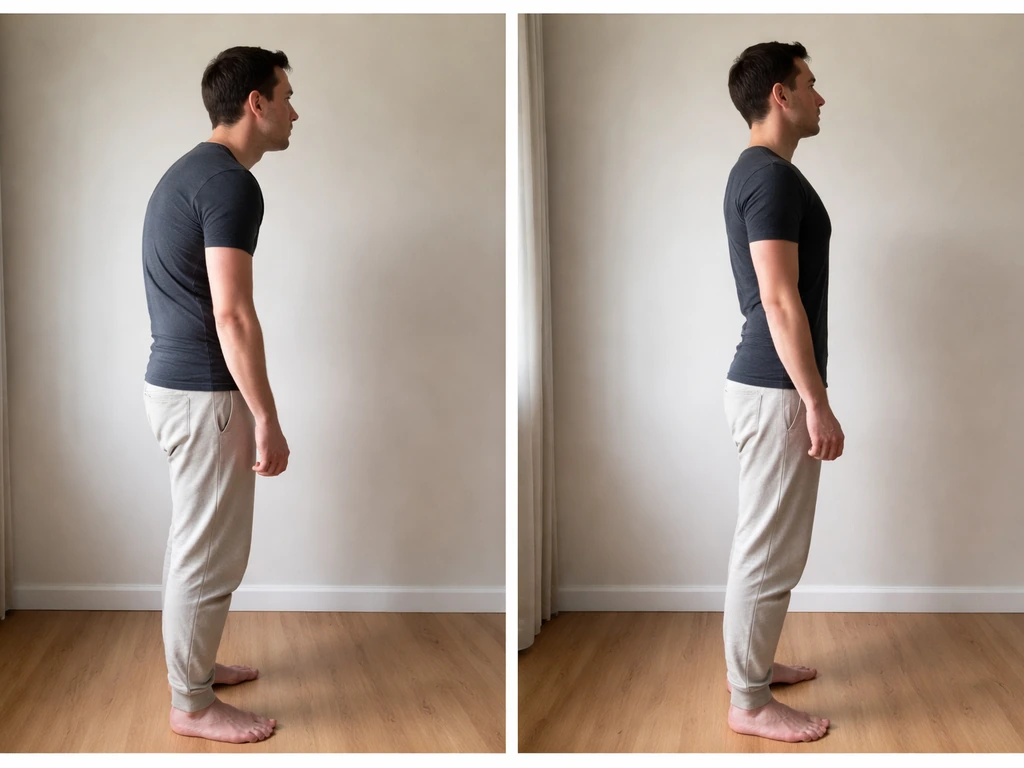
This is where the Reddit threads get confused, and understandably so. There are two very different things happening when someone reports 'getting taller' from exercise or posture work. One is true longitudinal bone growth (bones actually getting longer), and the other is a change in how much of your potential height you're actually expressing at any given moment.
Your height fluctuates more than you probably realize. Research using a precise measurement technique called stadiometry shows that people are measurably taller in the morning than in the evening, with intervertebral disc hydration accounting for changes of up to nearly 2 cm through the course of a single day. When you sleep, compressive loading on your spine is removed, discs rehydrate, and you recover that height. By evening, gravity and daily loading have compressed those discs again. This is not bone growth. It is temporary disc mechanics.
Studies on hyperextension postures show that lying prone or in specific extension positions can temporarily increase measured spinal height through the same disc hydration mechanism. A stadiometer-based study on hyperextension found significantly increased height recovery compared with prone posture, consistent with intervertebral disc rehydration effects hyperextension produced significantly increased height recovery compared with prone posture. And devices marketed as spinal decompression tools have been shown to restore spinal height lost after an acute compression bout, which sounds impressive until you realize they're just helping you recover to baseline, not adding permanent stature. The bone length itself has not changed.
So what can Wolff's law actually contribute to height? Indirectly, a few things. Better posture means you stand closer to your true skeletal height. Stronger spinal muscles reduce the compressive loading your discs experience during the day, which helps you lose less height by evening. And in children whose growth plates are still active, the mechanical environment genuinely influences how the skeleton develops. But for adults, Wolff's law is a bone density and bone health tool, not a height-gain tool.
Age Changes Everything: Growth Plates, Teens, and Adults
The single biggest factor in whether loading can influence your height is whether your epiphyseal growth plates are still open. Growth plates are zones of cartilage near the ends of long bones where new bone tissue is produced during childhood and adolescence. Once puberty concludes and these plates fuse, longitudinal bone growth stops entirely. No amount of mechanical loading, stretching, or supplementation changes that.
For children and teenagers with open growth plates, the mechanical environment does matter. Research shows that physical activity influences growth plate function and that the mechanostat model applies to developing bone, with mechanical loading acting as an organizing influence on skeletal development. Impact exercise during growth years is associated with meaningful gains in bone mineral content, and the mechanical stimulus from activities like jumping, running, and resistance training supports healthy skeletal architecture during a window when it actually can make a structural difference.
One important caveat: research tracking youth who engage in impact exercise over eight years found that while bone mineral content improved compared to controls, overall height trajectories between groups did not differ significantly. So even in growing kids, the primary payoff from loading is bone strength and density, not extra centimeters of height. For late bloomers, that means you may still see normal individual variation, but loading mainly supports bone strength rather than reliably changing adult height outcomes height trajectories.
For adults with closed growth plates, the target shifts entirely. The goal becomes maintaining bone density, preserving disc health, optimizing posture, and protecting against the compressive height losses that come with aging. These are genuinely worthwhile goals, they just have nothing to do with growing taller.
| Factor | Children/Teens (Open Growth Plates) | Adults (Closed Growth Plates) |
|---|---|---|
| True bone lengthening possible? | Yes, until plates fuse | No |
| Mechanical loading effect on height | Supports healthy development; may not add extra height beyond genetic potential | No height increase; posture recovery only |
| Bone density response to loading | Significant gains possible | Gains possible with high-intensity loading |
| Main benefit of impact/resistance exercise | Bone mineral content, structural integrity | Bone density maintenance, posture, disc health |
| Disc hydration height variation | Present, same physiology | Up to ~2 cm daily variation; fully recoverable |
Mechanical Loading That Actually Supports Bone Health
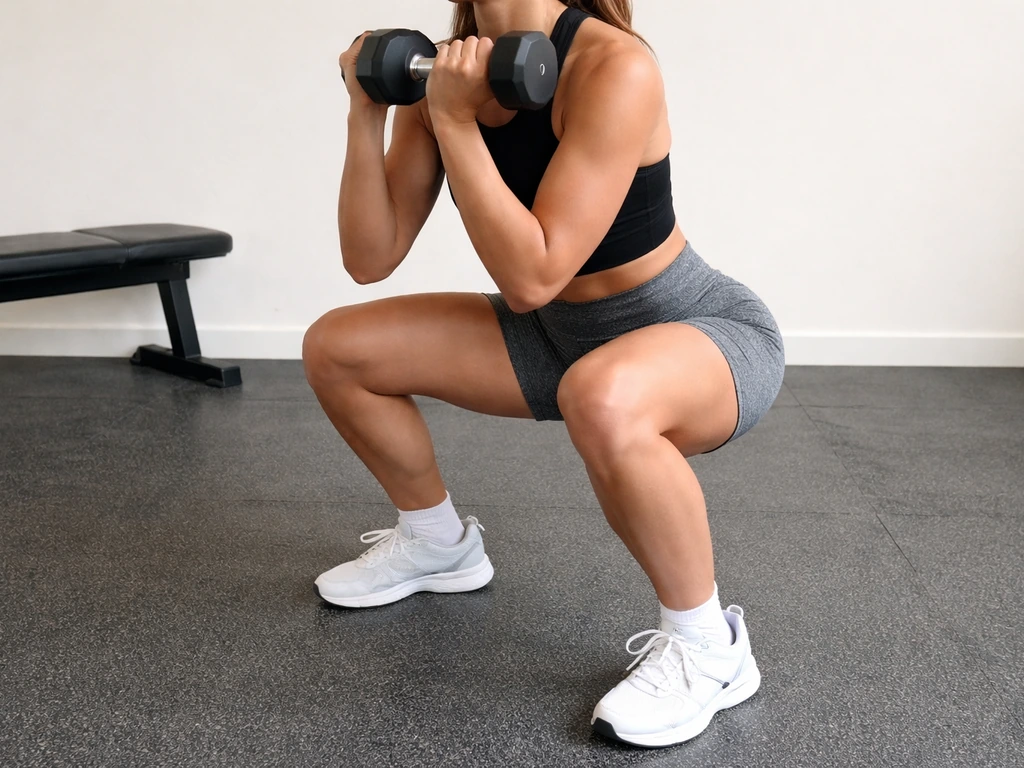
If you want to apply Wolff's law principles in a way that is evidence-backed, the research points clearly toward high-intensity mechanical loading as the most effective stimulus for bone adaptation. Low-impact activities like walking are generally not sufficient to drive meaningful bone mineral density gains, though they offer plenty of other health benefits. Low- and moderate-intensity endurance-type activities, such as brisk walking, generally increase bone less than impact activities because impact can increase bone mass more than purely low-to-moderate intensity activities Low-impact activities like walking. What works for bone is loading that exceeds what bone is already adapted to.
The Bone Health and Osteoporosis Foundation recommends two main categories of exercise for bone health: weight-bearing impact exercises performed about 30 minutes per day, 5 to 7 days per week, and muscle-strengthening exercises 2 to 3 days per week. Examples of effective impact exercises include jumping, running, dancing, stair climbing, and sports with frequent directional changes. Resistance training with progressively increasing loads falls into the strengthening category and also produces bone-site-specific adaptations.
The key principle from the mechanostat model is progressive overload: the stimulus needs to exceed the bone's current adapted state to drive formation. This is exactly the same logic as progressive resistance training for muscle, just applied to bone tissue. You need to keep increasing the challenge over time for the adaptation to continue.
For children and teens, research on resistance training confirms it is safe and effective when performed with appropriate supervision and progressive loading. There is no credible evidence that properly performed resistance training closes growth plates prematurely or stunts growth, despite persistent myths to the contrary.
A Practical Routine You Can Start Today
This routine addresses three pillars: posture correction (to reclaim the height you're not currently expressing), safe impact and resistance loading (for bone density and structural support), and mobility work (to maintain disc health and spinal function). It applies whether your growth plates are open or closed, though the reasons for doing it differ by age.
Posture Work (Daily)
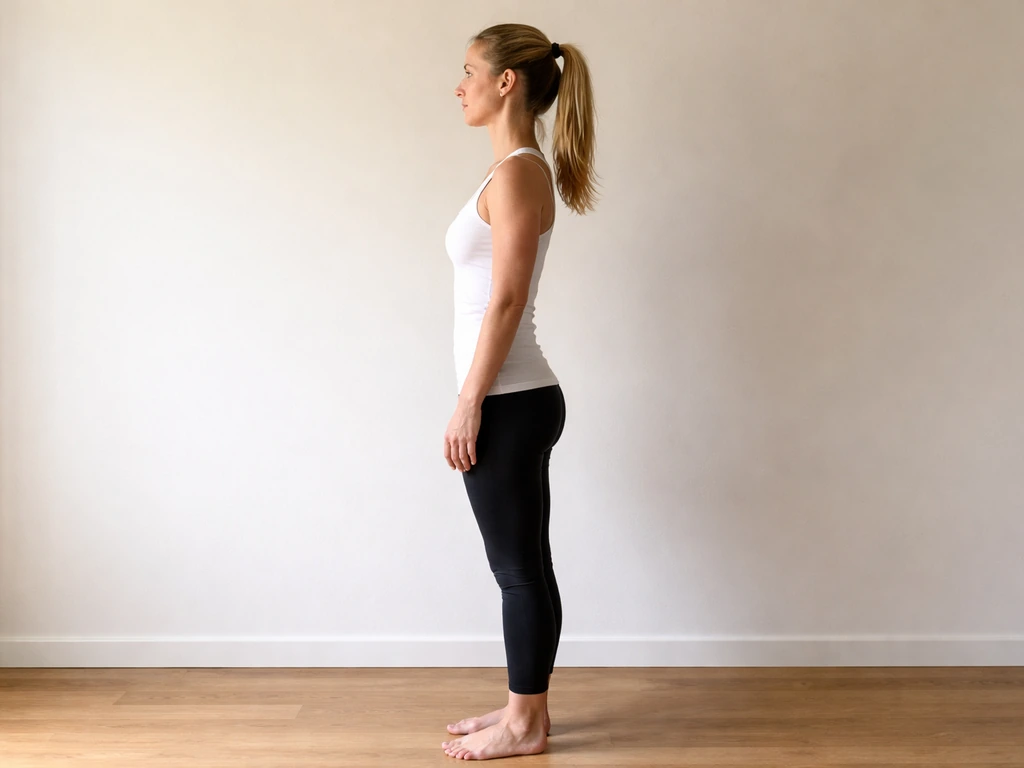
- Practice standing tall with your ears over your shoulders, shoulders over hips, and hips over ankles. Most people walk around 1 to 3 cm shorter than their true skeletal height due to habitual postural collapse.
- Strengthen your deep cervical flexors and thoracic extensors with chin tucks and thoracic extension over a foam roller. These correct forward head posture and rounded upper back, both of which compress your apparent height.
- Practice hip flexor stretching daily if you sit for extended periods. Tight hip flexors create anterior pelvic tilt, which shortens your stance.
- Avoid measuring your height after extended sitting or heavy activity. Measure first thing in the morning after being upright for about 10 to 15 minutes for a consistent baseline.
Impact and Resistance Loading (3 to 5 days per week)
- Jump rope, box jumps, or hopping drills: 2 to 3 sets of 20 to 50 repetitions. Impact loading is a strong mechanosensory stimulus for bone.
- Compound resistance exercises like squats, deadlifts, and loaded carries: 2 to 3 days per week with progressive increases in load over time. These load the axial skeleton and lower limbs where bone density matters most for long-term health.
- Running or stair climbing counts as weight-bearing impact and can be substituted if jumping is not appropriate for you.
- Start conservatively if you are new to impact training: 2 days per week, lower jump heights, bodyweight before added load. Bone adaptation takes weeks to months.
Mobility and Spinal Health (Daily or Most Days)
- Cat-cow and spinal rotation stretches keep intervertebral discs mobile and support hydration over time.
- Dead hang from a bar for 20 to 60 seconds: this decompresses the spine after compression-heavy activities and feels great, though any height gained is temporary disc recovery, not permanent growth.
- Sleep in a neutral spine position. Your discs recover height overnight, and poor sleep posture can impair that recovery.
- Adequate hydration supports disc nucleus pulposus hydration, which is a component of the daily height cycle.
What to Avoid and How to Spot Overhyped Claims
The online landscape for 'grow taller' content is full of products and protocols that misrepresent what Wolff's law and bone mechanics can do. The FTC has taken enforcement action against supplement companies making claims that pills can make children taller, calling those claims false and unsubstantiated. If a product promises permanent height increases through supplements, special stretches, or decompression devices, that promise is not supported by physiology.
The most common Reddit-style claim worth addressing directly: 'Jumping is proven to make you taller because it stimulates bone growth.' This conflates bone mineral content gains (which jumping does support) with longitudinal bone growth (which it does not cause in adults and does not significantly add beyond genetic trajectory even in kids). One option to double-check alongside this is whether does maomao grow taller, since many “grow taller” claims mix posture effects with true skeletal growth. High-impact loading builds denser, stronger bones. It does not build longer bones in anyone with closed growth plates.
Another common misconception: 'I stretched for a month and gained 2 cm, so stretching grows bone.' What almost certainly happened is that postural improvements allowed standing closer to true skeletal height, and the measurement was taken at different times of day or with different posture control. Stretching and mobility work are genuinely valuable for disc health and posture. They do not elongate bone.
Watch out for these specific red flags when evaluating any grow-taller product or protocol:
- Claims that traction, inversion tables, or decompression devices permanently increase height. Research on spinal decompression shows it restores height lost to compression, it does not add new height.
- Supplements marketed to adults as bone-lengthening or growth-plate-stimulating. After growth plates fuse, no supplement reopens them.
- Programs promising rapid height gains (more than 2 to 3 cm) in adults over weeks. The daily disc variation alone accounts for nearly that much, so any claimed gain of that size is almost certainly measurement artifact.
- Extreme stretching protocols that load the spine aggressively. These carry real injury risk, especially for the intervertebral discs, and produce no permanent structural change.
- Testimonials that mix morning measurements with evening measurements or ignore posture standardization.
How to Track Results and Know When to See a Clinician
Measuring Accurately
If you want to track genuine changes, you need to control for the sources of height variation. Measure at the same time of day every time, ideally in the morning after you have been upright for 10 to 15 minutes. Use a wall-mounted stadiometer or a consistent wall-and-book method. Stand with heels together, look straight ahead, and take a deep breath before measurement. Variation of more than 1 cm between measurements taken under the same controlled conditions is unusual and worth investigating. Any apparent gain you see that disappears by evening is disc hydration, not bone.
Track posture separately from height. A physical therapist can assess postural deviations like forward head posture or excessive thoracic kyphosis and measure your progress over time. Postural improvement is a legitimate and meaningful outcome of the training described in this article, and it shows up as standing taller without any bone changes at all.
When to See a Clinician
For children and teenagers, a few situations warrant professional evaluation. Short stature is clinically defined as height more than 2 standard deviations below the mean for age, sex, and population. If a child is tracking well below typical growth curves, or if growth seems to have stopped earlier than expected, a pediatric endocrinologist can evaluate bone age through a wrist X-ray, assess Tanner stage, and determine whether any intervention is appropriate. Do not rely on Wolff's law protocols as a substitute for that evaluation.
For anyone doing impact and resistance training, these symptoms are reasons to pause training and get evaluated by a clinician:
- Joint pain or bone pain that persists beyond 48 to 72 hours after training, especially in growth plate locations (knees, hips, wrists) in adolescents
- Back pain in a child or teenager that wakes them from sleep or is associated with neurological symptoms like numbness, tingling, or weakness
- A visible curvature of the spine or asymmetry of the shoulders or hips that seems to be progressing, which warrants screening for scoliosis
- Significant unexplained height loss in an adult (more than 2 to 3 cm), which may indicate vertebral compression fractures related to bone density issues
- Any concern about growth trajectory in a child that a growth chart comparison with expected mid-parental height does not adequately explain
The bigger picture here connects to everything else that influences height development: genetics set the ceiling, but nutrition (especially calcium, vitamin D, and adequate protein), sleep quality, and overall physical health determine how close to that ceiling you actually get during the growth years. Wolff's law-aligned loading is one real piece of that puzzle, and it's worth doing for bone health at any age. Just be clear-eyed about what it can and cannot deliver.
FAQ
How can I tell if my “extra height” from training is real or just posture and disc hydration?
Track height at the same time daily under consistent conditions (ideally morning after being upright 10 to 15 minutes). If the measurement increases in the morning but returns to baseline by evening, it is very likely disc hydration. If standing tall improves during the day and holds across both morning and evening, it is more likely posture control, not bone lengthening.
If I stop exercising, will I lose the height changes I noticed?
Posture-based changes usually fade if the underlying habits and muscle strength are not maintained. Bone density gains also do not last without continued loading, but they regress more slowly. Disc-related “taller” effects can fluctuate daily even if your training routine stays the same.
Can exercises like spinal decompression, inversion, or hyperextension permanently make me taller?
Most of the immediate height gain from decompression or extension positions is temporary (disc rehydration or reduced compression). Permanent height requires true longitudinal bone growth, which generally does not occur after growth plates fuse. If a device claims permanent centimeters, treat that claim as highly suspect.
Does jumping or running increase bone length in adults?
In adults with closed growth plates, high-impact exercise can improve bone mineral density and bone strength, but it does not lengthen bones. Any perceived height change from these workouts is usually from posture changes, reduced pain, better spinal control, or normal daily height fluctuation.
What’s the safest way to start impact training if I am not very active now?
Begin with lower-impact weight-bearing and progress to jumping or running gradually over weeks, emphasizing good landing mechanics and adequate recovery. If you have back pain, significant joint issues, or recurrent injuries, consider clearance from a clinician or physical therapist before adding high intensity.
How much impact and resistance training is enough to affect bone health?
Bone-focused guidelines commonly recommend weight-bearing impact activity about 30 minutes per day, 5 to 7 days per week, plus muscle strengthening 2 to 3 days per week. Your exact tolerance matters, so a practical approach is to split impact into shorter bouts and progressively increase intensity rather than volume all at once.
Will stretching actually lengthen my spine or bones?
Stretching and mobility work can improve how you stand and how your spine moves, which can change measured height. However, it does not elongate bone. If your height change is mainly tied to when you stretch or what position you are in, it is likely postural or soft tissue related rather than structural bone growth.
At what point should a child with short stature see a specialist rather than trying loading workouts?
If a child is falling more than 2 standard deviations below the height average for age and sex, or if growth appears to slow earlier than expected, an evaluation by a pediatric endocrinologist is appropriate. Bone age assessment and growth-curve review can clarify whether puberty timing, hormones, or other issues are involved.
Does lifting weights stunt growth or close growth plates early?
When resistance training is appropriately supervised, it is not supported by credible evidence as a cause of premature growth plate closure. A safer strategy is to use technique-first coaching, age-appropriate loads, and gradual progression rather than maxing out with poor form.
Can poor posture cause my height to “shrink,” and can training reverse it?
Yes. Forward head posture, thoracic kyphosis, and habitual trunk flexion can reduce how much of your skeletal height you express during measurement. Targeted posture retraining plus strengthening often improves standing height even when bone length does not change.
What symptoms should make me pause training and get evaluated?
Seek medical advice if you have persistent or worsening back pain, new numbness or weakness, pain that changes your gait, fractures or stress injuries, or symptoms like unexplained fatigue plus bone pain. These can indicate issues where pushing intensity would be unsafe.
How should I measure height to avoid misleading results?
Use a consistent method and control variables. Measure at the same time of day, with similar clothing, on a flat surface, and with the same posture cues (heels together, looking straight ahead, deep breath before the reading). If you see more than about a 1 cm difference under the same controlled conditions, re-check technique and timing before concluding you gained anything.
If genetics set the ceiling, what else determines whether loading helps during the growth years?
Adequate calories and key nutrients, especially protein plus calcium and vitamin D, support healthy bone building. Sleep quality and overall health also affect growth. Loading helps most when the body has what it needs to remodel bone effectively.
Do Late Bloomers Grow Taller Than Early Bloomers?
Yes, late bloomers can grow taller because delayed puberty leaves more time to grow, but genetics matter too.