
The nutrients that matter most for growing taller are calcium, vitamin D, protein, zinc, magnesium, iron, vitamin A, phosphorus, and vitamin K. These work together to build bone, fuel the growth plates, and support the hormonal signals that drive linear growth. If you're a child or teenager with open growth plates, getting enough of these consistently can make a real difference. If your growth plates have already closed (typically by the late teens), no nutrient combination will add inches to your height, though good nutrition still protects your bone density and posture.
What Nutrients Help You Grow Taller: Evidence-Based Guide

Marcus Reeves
11 May 2026
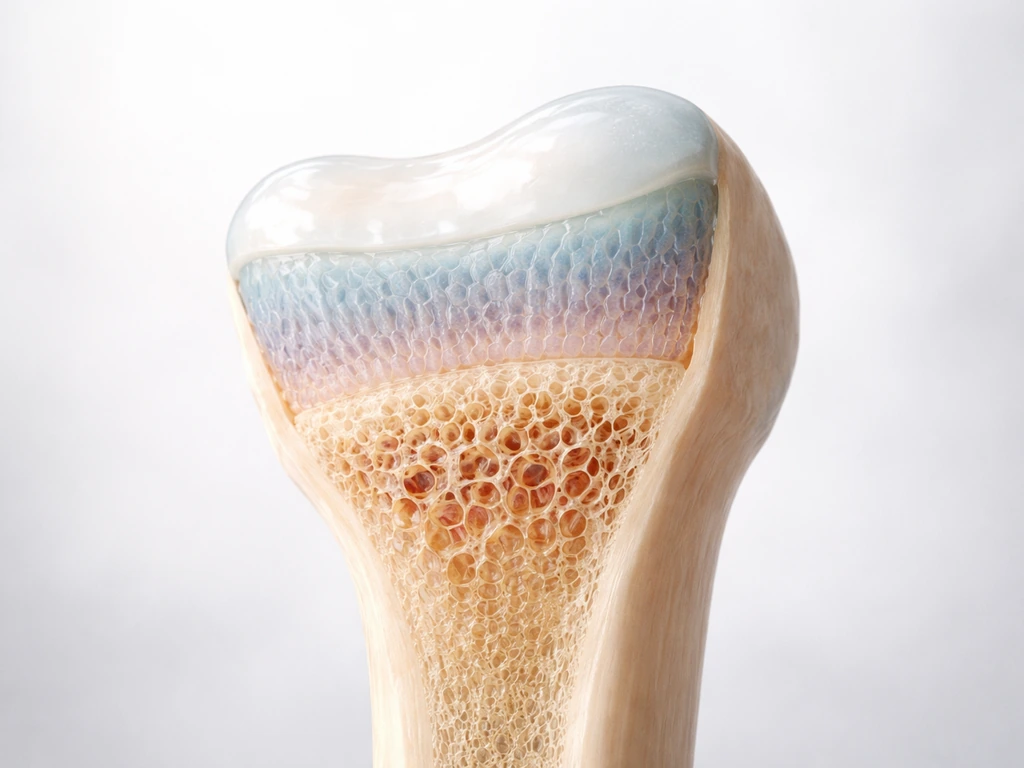
The core nutrients for linear growth

Linear growth, meaning actual height gain, happens almost entirely at the growth plates, the cartilaginous zones near the ends of your long bones. These plates are active from birth through adolescence and close somewhere in the mid-to-late teens for most people. The nutrients below are the ones most directly tied to how well that process runs.
- Calcium: the primary structural mineral in bone
- Vitamin D: controls calcium absorption and bone mineralization
- Protein: provides the amino acid building blocks for bone matrix and IGF-1 (a key growth hormone signal)
- Zinc: essential for cell division at the growth plate and IGF-1 signaling
- Magnesium: regulates bone mineral density and vitamin D metabolism
- Iron: supports oxygen delivery and general tissue growth; deficiency directly stunts growth
- Vitamin A: needed for cartilage and bone cell differentiation
- Phosphorus: works alongside calcium in bone mineralization
- Vitamin K: activates proteins that bind calcium into bone
How each nutrient actually supports your growth plates
Calcium and phosphorus

Bone is essentially a scaffold of collagen protein filled in with calcium phosphate crystals. Children and teens aged 9 to 18 need 1,300 mg of calcium per day, which is the highest requirement across all age groups because the skeleton is growing fastest. Phosphorus works in tandem, and intake from food is rarely a problem in Western diets since it's in nearly every food. Calcium is the one to watch. Nearly half of children aged 4 to 18 (about 49% in NHANES data) don't hit the estimated average requirement for calcium from food and supplements combined. That's a real and common gap.
Vitamin D
Vitamin D's main job in the growth context is getting calcium from your gut into your bloodstream. Without enough of it, your body absorbs far less calcium no matter how much you eat. The target serum 25-hydroxyvitamin D level is at least 50 nmol/L (20 ng/mL) for adequacy. Levels below 12 ng/mL are considered deficient, and 12 to 20 ng/mL is borderline insufficient. Kids and teens aged 9 to 18 need 600 IU (15 mcg) per day. The problem is that food alone typically supplies only around 192 IU per day on average, so sun exposure and sometimes supplementation matter a lot. The Endocrine Society recommends routine vitamin D supplementation for children and teens ages 1 to 18.
Protein
Protein is the raw material for the organic bone matrix (mainly collagen) and for producing IGF-1, the growth factor that directly stimulates the growth plates. The RDA for protein is about 1. 0 g per kilogram of body weight per day for ages 7 to 14, dropping slightly to around 0. 9 g/kg/day for teen boys 15 to 18.
Severe protein deficiency is a well-documented cause of stunted growth in low-income settings. In well-nourished populations, protein is rarely the limiting factor, but inadequate intake over months still matters. One nuance: research on animal protein supplementation shows it reliably improves weight and weight-for-length, while the effect on attained height is more modest, meaning protein quality and adequacy matter, but they work best as part of an overall nutritious diet.
Zinc
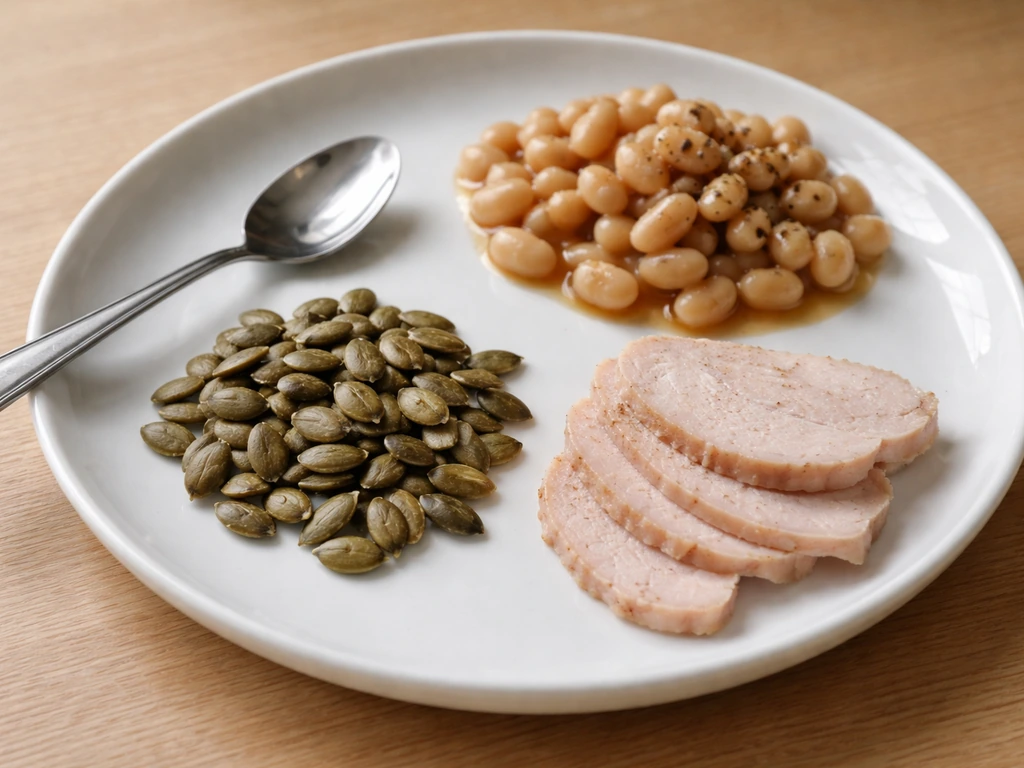
Zinc is involved in cell division and proliferation at the growth plate, and it's also needed for IGF-1 receptor signaling. The RDA for teen males aged 14 to 18 is 11 mg/day, and for teen females the same age it's 9 mg/day. One tricky thing about zinc: absorption varies wildly, from as low as 5% to over 50%, depending heavily on what else you eat. Phytate (found in legumes, whole grains, and seeds) significantly reduces zinc absorption.
This means someone eating a mostly plant-based diet may need notably higher intake than the RDA to achieve the same absorbed amount. Meta-analyses in developing countries have shown zinc supplementation meaningfully improves linear growth in under-5 children, which tells you that zinc deficiency is a real growth limiter where it's common.
Magnesium
Magnesium is needed to activate vitamin D (it's required by the enzyme that converts inactive vitamin D to its active hormonal form) and plays a direct role in bone mineral density. Teen males aged 14 to 18 need 410 mg/day and teen females need 360 mg/day. Many teens fall short because magnesium is concentrated in foods that don't feature heavily in typical adolescent diets: dark leafy greens, nuts, seeds, and whole grains.
Iron
Iron deficiency anemia is one of the most common nutrient deficiencies in children worldwide and is a recognized cause of growth faltering. Iron supports oxygen delivery to growing tissues and is needed for general cellular energy and proliferation. The WHO recommends iron supplementation at 2 mg/kg/day for children aged 6 to 23 months in high-risk settings. For teens (ages 14 to 18), the tolerable upper intake level is 45 mg/day from all sources combined. It's worth noting that routine iron supplementation in well-nourished children without deficiency isn't clearly beneficial for growth and may not help, so this is more about correcting deficiency than megadosing.
Vitamin A and vitamin K
Vitamin A is needed for the proper differentiation of chondrocytes (the cartilage cells in growth plates) and osteoblasts (bone-building cells). Both deficiency and excess are problematic: getting far too much preformed vitamin A (from supplements, not beta-carotene from vegetables) can actually damage bone and is toxic at doses exceeding roughly 100 times the RDA. Stick to food sources and a standard multivitamin if supplementing. Vitamin K activates osteocalcin and other proteins that anchor calcium into bone matrix. Deficiency is uncommon in healthy diets, but if someone has very low vegetable intake, it can be quietly inadequate.
Best food sources and how to actually hit your targets
| Nutrient | Best food sources | Daily target (ages 9–18) |
|---|---|---|
| Calcium | Dairy (milk, yogurt, cheese), fortified plant milks, tofu, sardines with bones, kale | 1,300 mg |
| Vitamin D | Fatty fish (salmon, sardines), egg yolks, fortified milk and OJ, some mushrooms | 600 IU (15 mcg) |
| Protein | Meat, poultry, fish, eggs, dairy, legumes, tofu | ~0.9–1.0 g/kg/day |
| Zinc | Oysters, beef, pumpkin seeds, lentils, cashews, chicken | 9–11 mg (higher if plant-based) |
| Magnesium | Pumpkin seeds, almonds, spinach, black beans, whole grains, dark chocolate | 360–410 mg |
| Iron | Red meat, liver, lentils, spinach, fortified cereals, tofu | 8–15 mg (varies by sex/age) |
| Vitamin A | Liver, eggs, dairy, sweet potato, carrots, dark leafy greens | 700–900 mcg RAE |
| Phosphorus | Meat, fish, dairy, eggs, legumes, nuts | 1,250 mg |
| Vitamin K | Leafy greens (kale, spinach), broccoli, fermented foods | 75–120 mcg |
For calcium specifically, three servings of dairy per day (or equivalents) gets most teens close to 1,300 mg. A cup of milk has about 300 mg, so the math works out if dairy is in the diet consistently. For vitamin D, food alone rarely gets you to 600 IU, which is why fortified foods and some sun exposure are important parts of the picture. Zinc from oysters is extraordinarily high (one oyster can contain more than the entire RDA), but for everyday intake, red meat, poultry, and pumpkin seeds are reliable sources. If the diet is mostly plant-based, eating zinc-rich foods alongside vitamin C sources and soaking/sprouting legumes can improve absorption meaningfully.
Supplements and deficiency testing: when they actually help
Supplements are useful when there's a genuine deficiency or when diet consistently can't cover the gap. They're not a shortcut to extra height if nutrition is already adequate. Here's how to think about it by nutrient.
- Vitamin D: Testing serum 25(OH)D is straightforward and worth doing if a child or teen has low sun exposure, darker skin, or avoids dairy and fortified foods. Levels below 20 ng/mL are deficient. Supplementation at 600–2,000 IU/day depending on baseline is generally safe and recommended by the Endocrine Society for kids 1–18. Note: a Cochrane review found vitamin D supplementation had little to no effect on linear growth in otherwise nourished children under 5, suggesting it helps most when actual deficiency exists.
- Calcium: Supplements make sense if dairy is avoided entirely and fortified alternatives are inconsistent. Calcium carbonate (take with food) or calcium citrate (can take any time) are the standard options. Don't exceed the upper intake level: 2,500 mg/day for ages 9–18.
- Zinc: Test serum zinc if the diet is plant-heavy, there are signs of deficiency (poor wound healing, taste changes, frequent illness), or growth is unexpectedly slow. Keep supplementation under 40 mg/day for adults and age-appropriate lower limits for children. Over-supplementing zinc long-term can deplete copper.
- Iron: Don't supplement iron without a blood test first (ferritin, hemoglobin). Iron overload is genuinely dangerous. If a test confirms deficiency, supplementation under clinical guidance is important. The UL for teens 14–18 is 45 mg/day total.
- Magnesium: Deficiency is common but rarely severe enough to test for in otherwise healthy kids. A standard multivitamin with magnesium and a diet with more nuts, seeds, and whole grains is usually sufficient. Note that excess magnesium from supplements can cause diarrhea; there's no upper limit concern from food.
- Multivitamin: A standard children's or teen's multivitamin covers most micronutrient bases at safe levels and is a reasonable safety net for picky eaters, without the risk of individual megadosing.
What nutrition can change depending on your age
This is where I want to be completely direct with you, because a lot of content online is vague about this. Your growth plates are the biological gating mechanism for height. While they're open and active, nutrition is genuinely one of the levers you can pull. After they close, usually sometime between 16 and 18 for most girls and 18 to 21 for most boys, height is set. No nutrient, supplement, or diet will change that. Fasting is a diet approach, but it does not override those biology limits, and it can even reduce key nutrient intake No nutrient, supplement, or diet will change that..
For children and teens with open growth plates, consistently meeting the targets above reduces the risk of growth being nutritionally limited. Deficiencies in calcium, zinc, vitamin D, or protein in childhood are real causes of stunted growth documented across populations. Getting these right doesn't guarantee maximum height (genetics plays the dominant role), but it removes a preventable barrier.
If you want to know what helps you to grow taller, the most reliable starting point is meeting your growth-plate nutrient targets consistently getting these right doesn't guarantee maximum height. For adults, the value of these same nutrients shifts: they protect bone density, reduce fracture risk, and support posture. You won't grow taller, but you can avoid the gradual height loss that comes with bone density decline as you age. That's a genuinely worthwhile goal, just a different one.
Diet gaps that commonly limit growth and how to fix them fast
There are a few diet patterns that reliably create the most damaging nutrient gaps for growing kids and teens. Knowing which pattern fits helps you fix the right thing.
| Diet pattern | Most likely gaps | Quick fix |
|---|---|---|
| Dairy-free without substitutes | Calcium, vitamin D, phosphorus, some protein | Fortified plant milk (2–3 cups/day), calcium-set tofu, sardines |
| Mostly plant-based | Zinc, iron, vitamin D, vitamin B12, complete protein | Legumes + vitamin C at meals, pumpkin seeds, fortified foods, consider B12 supplement |
| High junk food / ultra-processed diet | Magnesium, zinc, vitamin A, vitamin K, fiber | Add one serving of nuts/seeds daily, one dark leafy green serving, reduce refined snacks |
| Very picky eater (limited variety) | Multiple micronutrients including zinc, vitamin A, iron | Children's multivitamin as safety net plus gradual food expansion |
| Low total calorie intake | Everything, especially protein and fat-soluble vitamins | Address the calorie deficit first; check for underlying causes with a clinician |
One pattern worth flagging: phytate-heavy diets (lots of unleavened whole grain bread, unsoaked legumes, and minimal animal products) can create functional zinc deficiency even when zinc intake looks fine on paper. Soaking legumes, sprouting grains, and eating some leavened bread (yeast breaks down phytates) all help. This is the kind of detail that doesn't show up in basic nutrition advice but genuinely matters for zinc absorption.
On the vegetable front, many parents and teens focus on specific foods like carrots or certain vegetables as growth boosters. Vegetables absolutely contribute valuable nutrients (vitamin A precursors, magnesium, vitamin K), but they're best thought of as part of a complete diet rather than isolated height-boosting foods. If you're trying to grow taller, focus on consistently eating a well-rounded mix of vegetables and other key nutrients rather than expecting a single growth-boosting vegetable isolated height-boosting foods. The whole dietary pattern matters more than any single item.
Next steps: meals, monitoring, and when to call a clinician
Practical meal building for a growing teen

A daily eating pattern that covers most growth-critical nutrients doesn't need to be complicated. Aim for something like this as a template: breakfast with eggs or fortified cereal plus milk or fortified plant milk; lunch with a protein source (chicken, legumes, tuna), whole grain bread, and a piece of fruit; dinner with meat or fish, a cooked vegetable (especially dark leafy greens), and a starchy carb; a snack of yogurt, nuts, or seeds. That structure, repeated consistently, hits calcium, protein, zinc, iron, magnesium, vitamin A, and vitamin K targets for most teens without needing to count milligrams every day.
Monitoring growth
Height should be measured accurately every 6 months using a proper stadiometer (not a doorframe mark), ideally at the same time of day since height fluctuates slightly. For children and teens, plotting measurements on a growth chart and tracking growth velocity (how many centimeters per year) is more informative than a single height reading. A growth velocity that's consistently low for age, or that's dropping across percentile lines, is a signal worth taking seriously regardless of current height.
When to see a clinician
Nutrition can only do so much. If you're concerned about a child's or teen's growth, there's a specific checklist that clinicians use to evaluate it properly. The AAFP recommends that a short stature evaluation include accurate growth measurement, calculation of growth velocity, mid-parental height (to calibrate what's expected genetically), bone age X-ray, and family history review. Depending on findings, tests for celiac disease, thyroid function, or Turner syndrome may follow.
Pubertal staging also matters: a child who is a constitutional late bloomer will have a delayed bone age but eventually catch up, and that pattern looks very different from a nutritional deficiency or a hormonal problem. The Endocrine Society emphasizes that the goal of evaluation is to tell apart normal growth variants from treatable conditions, so don't delay if a child is consistently falling off their growth curve.
In terms of lab tests worth requesting if you suspect a nutrient problem: serum 25(OH)D for vitamin D status, ferritin and hemoglobin for iron, serum zinc, and a basic metabolic panel. These are standard, inexpensive, and give you actual data rather than guesswork. If a deficiency is confirmed, supplementing under clinical guidance is the appropriate response. If labs come back normal and diet is adequate, the growth trajectory is almost certainly determined more by genetics and overall health than by anything a nutrient protocol can shift.
FAQ
How can I tell if poor nutrition is actually affecting growth, not just height at one point in time?
Look at growth velocity, not a single measurement. If height increase over 6 to 12 months is consistently below what’s typical for age and sex, and especially if it drops percentiles, that pattern is more suggestive of a nutritional or medical limiter than being shorter at one snapshot.
What’s the best way to meet calcium needs for height during the growth years if I can’t tolerate dairy?
Use calcium-fortified alternatives (fortified soy milk, calcium-set tofu, fortified plant yogurts) and aim for roughly three calcium servings per day in total. Check the label for elemental calcium per serving, and pair with vitamin D intake because absorption efficiency depends on it.
Do protein supplements help you grow taller if you already eat enough protein?
Usually not. If total protein intake is already adequate, adding extra protein is unlikely to increase attained height. The more practical goal is meeting the daily requirement consistently, then improving overall diet quality so you also cover calcium, zinc, magnesium, and vitamin D.
Is it safe to take high-dose vitamin D or calcium for growth?
Avoid megadoses unless a clinician is monitoring you. Excess vitamin D can cause high calcium levels and other problems, and excess calcium can contribute to kidney stone risk in some people. For most teens, supplementation decisions should follow labs, dietary review, and dosing guidance.
Can I fix a suspected zinc issue just by eating more zinc-rich foods?
Sometimes, but absorption can be the bottleneck. If your diet is high in phytates (lots of unsoaked legumes, whole grains, unleavened bread), combine zinc sources with vitamin C foods, consider soaking or sprouting, and do not rely solely on “more on paper” if absorption is likely impaired.
If my child is a picky eater, should we focus on vitamin or mineral supplements first?
Start with identifying the most likely shortfalls, especially calcium and vitamin D, then iron only if there are signs of deficiency. Many multivitamins do not deliver enough calcium or vitamin D to reach targets. For picky eaters, reviewing typical intake and then using targeted supplements based on likely gaps is usually more effective than broad supplementation.
How do I know whether iron deficiency is the reason for slowed growth?
Ask for labs that reflect iron status, commonly ferritin plus hemoglobin, rather than guessing based on diet alone. Low ferritin with or without anemia supports iron deficiency as a contributor, while normal results suggest you should look elsewhere for the cause of poor growth.
Are “growth booster” vegetables like carrots actually proven to make you taller?
They’re not proven as isolated height boosters. They can contribute useful nutrients (for example, vitamin A precursors), but height outcomes depend on meeting a set of growth-plate nutrient needs across the whole diet, especially calcium, protein, zinc, and vitamin D.
If growth plates are closed, what’s the point of nutrient optimization after the late teens?
The goal shifts from increasing height to protecting bone density and reducing fracture risk. Adequate calcium and vitamin D, plus sufficient magnesium and vitamin K through diet, can help slow age-related bone loss and support better posture and functional mobility.
What labs are most useful if we suspect a nutrient-related growth issue?
Common starting points include serum 25-hydroxyvitamin D, ferritin and hemoglobin for iron status, serum zinc, and a basic metabolic panel. Timing matters too, if tests are done while someone is acutely ill, results can be harder to interpret.
Should we measure height at home or only at clinic visits?
Home measurements are okay for trend tracking if you use a consistent method, but the most reliable tool is a stadiometer in a clinical setting. If possible, measure at the same time of day, track growth velocity over time, and confirm any concerning trend with a clinician.
What should parents do if a child is falling off their growth curve despite “good nutrition”?
If growth velocity is low or declining percentiles are appearing, consider a short stature evaluation rather than continuing supplements blindly. Clinicians often review family height patterns, calculate expected growth genetically, assess bone age, and screen for conditions like celiac disease, thyroid problems, or other endocrine causes.
Next Article
Do Carrots Help You Grow Taller? Science-Based Answer
Learn if carrots increase height, how nutrients like vitamin A support growth, and what to do for taller potential.