Vegetables won't make you taller on their own, but certain ones can meaningfully support your growth potential by delivering the micronutrients your body needs to build bone and tissue during childhood and adolescence. Think of them as part of the infrastructure, not the engine. The real drivers of height are your genetics, growth hormone, and whether your overall diet gives your body enough raw materials to work with. That said, if you're a kid or teen still growing, consistently eating the right vegetables can make a real difference in whether you hit your genetic ceiling or fall short of it.
What Vegetables Help You Grow Taller (Evidence-Based)

Marcus Reeves
4 May 2026

How height actually grows (kids vs adults)
Height increase is a biological process tied to growth plates, the cartilaginous zones near the ends of your long bones. During childhood and puberty, growth hormone triggers the release of IGF-1, which signals cells in those plates (called chondrocytes) to multiply and expand. New bone gradually replaces that cartilage, and that's what adds length to your legs and spine. The puberty growth spurt is when this process is most active, and teens have significantly higher nutritional demands during that window.
The catch is that growth plates eventually close. blank" rel="noopener noreferrer">Near the end of puberty, typically in the mid-to-late teens for girls and late teens to early twenties for boys, those plates become senescent and ossify into solid bone. blank" rel="noopener noreferrer">Once they're fused, no amount of nutrition, stretching, or supplements will add inches. A bone age X-ray of the left hand and wrist can tell a doctor how much growth plate activity remains, which is a standard tool pediatric endocrinologists use to estimate how much growing time is left. If you're a fully grown adult reading this, the honest answer is that vegetables will support your health and posture but will not change your height.
Do vegetables help you grow taller, or is it mainly calories and nutrients?
Both, but in different ways. A large systematic review and meta-analysis covering children aged 2 to 20 found that nutritional interventions containing zinc, vitamin A, multiple micronutrients, or protein had significant positive effects on linear growth (meaning actual height gained). Interestingly, iron and calcium alone did not show a significant effect in that analysis. This tells us something important: it's not one magic nutrient doing the work. It's the combination, and overall dietary adequacy, that moves the needle.
Vegetables slot into this picture as one of the most efficient ways to get micronutrients like zinc, vitamin A (as beta-carotene), folate, and vitamin C into a child's or teen's diet. They also support the absorption and use of protein and calories from other foods. They won't replace protein-rich foods like meat, eggs, dairy, or legumes, which carry the heavy load for actual tissue building. But a diet that's consistently low in vegetables is usually low in several growth-relevant micronutrients at once, and research is clear that multi-deficiency states are a real drag on height potential.
Best vegetables for growth-supportive nutrients
Rather than listing every vegetable imaginable, here are the categories and specific examples that consistently deliver the nutrients most relevant to growth. Variety across these groups matters more than eating any single one every day.
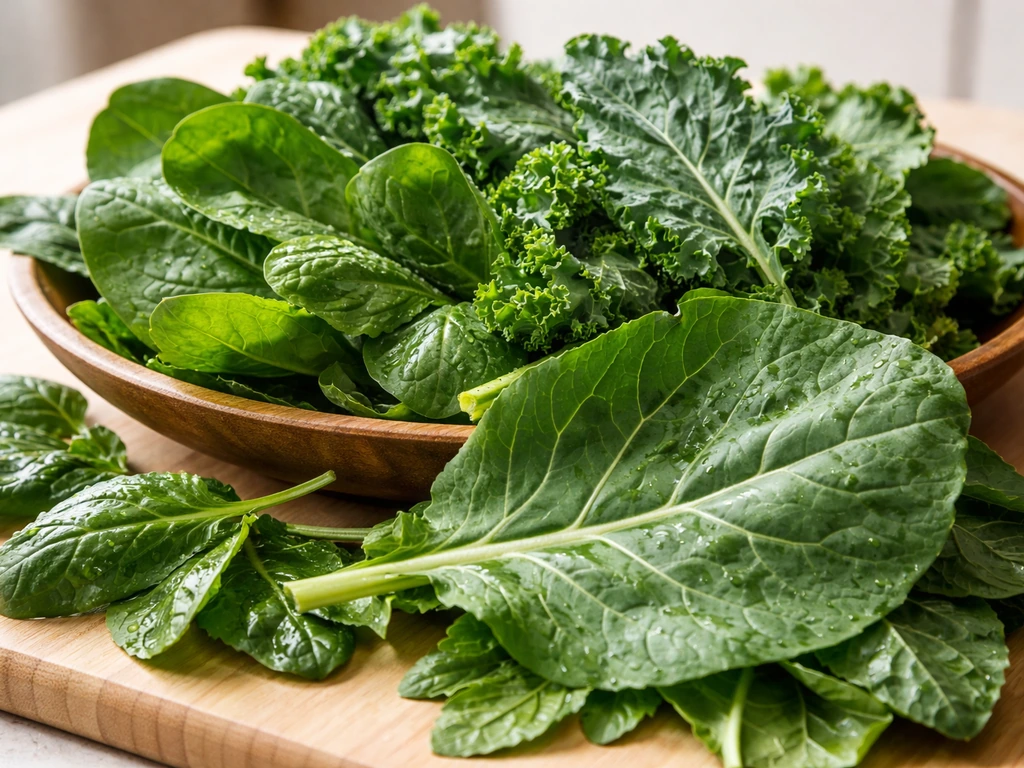
Dark leafy greens: spinach, kale, collard greens
One cup of raw spinach provides vitamin A (from beta-carotene), calcium, iron, and a small but meaningful amount of zinc, all in a very low-calorie package. The vitamin A content is particularly relevant because systematic reviews link vitamin A interventions to improved linear growth in children. Kale and collard greens carry a similar nutritional profile and also bring vitamin K, which supports bone mineralization. These greens won't deliver enough calcium on their own to replace dairy, but they contribute meaningfully when eaten regularly.
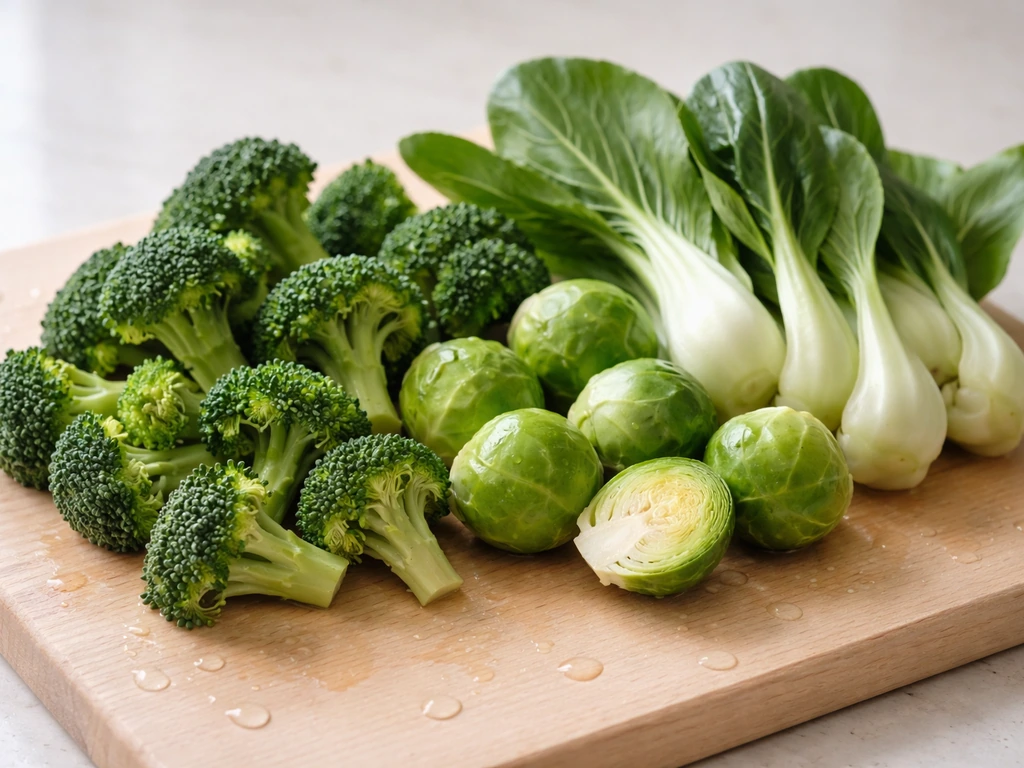
Cruciferous vegetables: broccoli, Brussels sprouts, bok choy
Broccoli is one of the more nutrient-dense vegetables you can eat. One cup raw provides a large dose of vitamin C (which aids iron absorption, an indirect growth support), folate, and some calcium. Brussels sprouts and bok choy hit similar notes. Bok choy in particular is one of the better plant sources of bioavailable calcium, which matters for the bone accretion that happens during the growth spurt. These vegetables pair well with protein sources, and that pairing is where a lot of the practical value comes from.
Orange and yellow vegetables: carrots, sweet potatoes, squash
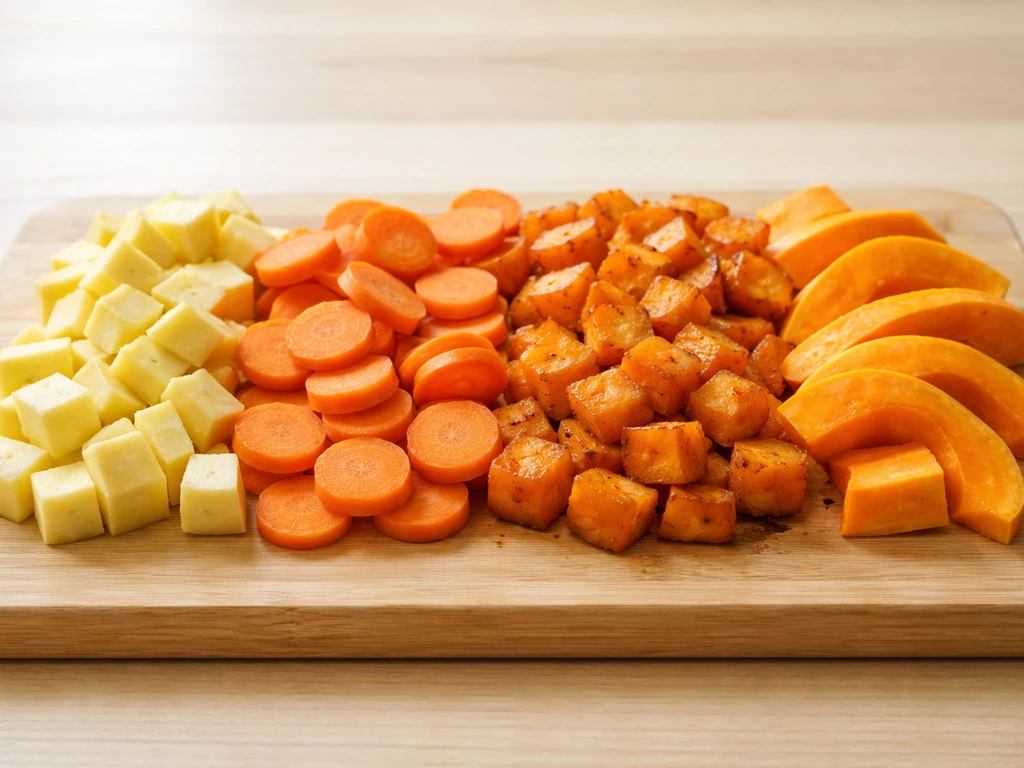
These are your main plant-based sources of beta-carotene, the precursor to vitamin A. A medium carrot or half a cup of cooked sweet potato can cover a significant portion of a child's daily vitamin A needs. Since vitamin A is one of the micronutrients with the clearest evidence for supporting linear growth, making sure it's consistently in the diet is practical advice, not speculation. Carrots are easy to get into reluctant eaters' diets, which is a real-world advantage worth mentioning.
Legumes (a vegetable-adjacent heavy hitter): lentils, edamame, peas
Legumes blur the line between vegetables and protein sources, and that's exactly why they deserve a spot here. Edamame and lentils provide zinc (one of the most consistently growth-linked nutrients in the research), iron, folate, and a meaningful amount of plant protein. If a child isn't eating much meat or dairy, legumes become especially important. Peas are another easy option, delivering zinc and folate in a form most kids will actually eat.
| Vegetable | Key growth-relevant nutrients | Practical note |
|---|---|---|
| Spinach (1 cup raw) | Vitamin A, calcium, iron, zinc, folate | Best cooked to increase absorption |
| Broccoli (1 cup raw) | Vitamin C, folate, calcium, some zinc | Pairs well with lean protein |
| Carrots (1 medium) | Beta-carotene (vitamin A) | Easy snack; light cooking increases bioavailability |
| Sweet potato (½ cup cooked) | Beta-carotene (vitamin A), potassium, folate | Dense in calories too, good for growth spurts |
| Bok choy (1 cup cooked) | Calcium, vitamin C, vitamin A | One of the more bioavailable plant calcium sources |
| Edamame (½ cup) | Zinc, plant protein, iron, folate | Strong zinc source; works as a protein side |
| Lentils (½ cup cooked) | Zinc, iron, folate, plant protein | Best combined with vitamin C foods to boost iron absorption |
| Kale (1 cup raw) | Vitamin A, vitamin K, calcium, vitamin C | Vitamin K supports bone mineralization |
Daily eating plan: portion ideas and what to pair with vegetables
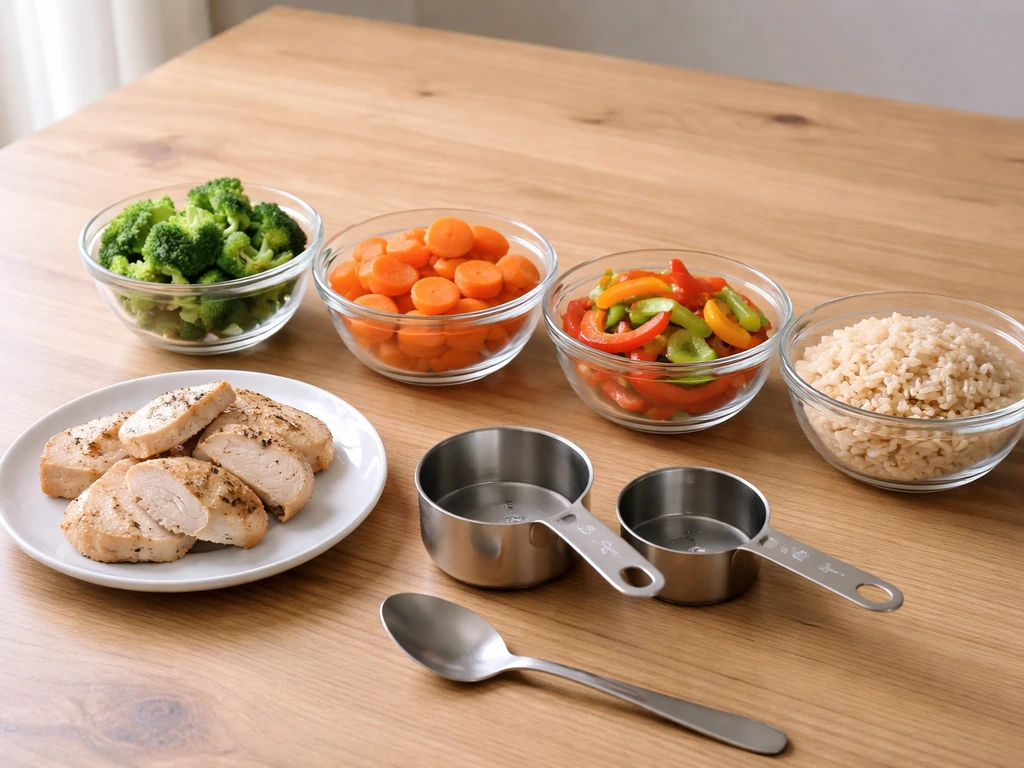
USDA and MyPlate guidelines give concrete vegetable targets by age. Young children aged 2 to 3 need around 1 to 1.5 cups of vegetables per day. Girls aged 9 to 13 need roughly 1.5 to 3 cups, and teens aged 14 to 18 are looking at 2.5 to 4 cups depending on activity and calorie needs. Boys in the same age ranges typically need slightly more. These aren't huge amounts. The challenge is consistency and variety across vegetable subgroups throughout the week.
Here's what a practical day could look like for a growing teenager, structured around the vegetables above and paired with foods that make those nutrients actually work.
- Breakfast: scrambled eggs with a handful of spinach or kale cooked in. Eggs provide protein and vitamin D, which supports calcium use; the greens add vitamin A, iron, and folate. A glass of milk or fortified plant milk alongside boosts calcium significantly.
- Lunch: a grain bowl or wrap with lentils or edamame, roasted broccoli or bok choy, and a lean protein like chicken or tofu. Squeeze lemon or add a tomato-based salsa for vitamin C, which increases iron absorption from the legumes.
- Snack: raw carrots or sliced bell peppers with hummus. This gets beta-carotene (vitamin A) and zinc (from the chickpeas in hummus) in an easy, portable form.
- Dinner: a main protein like fish, meat, or eggs paired with roasted sweet potato or squash and a cooked green vegetable like broccoli or Brussels sprouts. Eating fat alongside beta-carotene-rich vegetables (a small drizzle of olive oil) improves absorption.
- One more vegetable serving can be worked in at any meal or snack, especially during a growth spurt when calorie and nutrient needs spike. Frozen vegetables are nutritionally equivalent to fresh and are easier to keep on hand.
The pairing principle matters more than people realize. Vitamin C from broccoli or peppers helps the body absorb iron from spinach or lentils. Fat helps absorb vitamin A from carrots and sweet potato. Protein from meat or dairy works synergistically with the micronutrients from vegetables to actually build the bone and tissue that contributes to height. Eating vegetables in isolation, without adequate protein and calories overall, limits how useful they can be.
When vegetables won't be enough: growth plates, medical causes, and getting checked
If you're an adult, or if your growth plates have already closed, optimizing vegetable intake will not add height. Full stop. It's worth understanding this clearly rather than spending time and energy on something that can't change. What vegetables can still do for adults is support bone density, overall health, and posture, all of which affect how tall you look and feel functionally.
For children and teens, there are situations where even an excellent diet won't fix a growth problem. Growth hormone deficiency, hypothyroidism, celiac disease (which impairs nutrient absorption), chronic illness, and other conditions can all suppress linear growth in ways that have nothing to do with vegetable intake. A general clinical flag worth knowing: a child growing less than about 2 inches per year after age 2 may warrant evaluation.
Doctors typically review growth charts plotted over time, take a detailed history including parents' heights, and may order a bone age X-ray to estimate growth plate maturity. Additional lab work can include IGF-1 levels, thyroid function, a complete blood count, ferritin, and sometimes a celiac screen, depending on what the history suggests.
If a parent notices their child falling off their expected growth curve, the right next step is a conversation with the child's pediatrician, not just adding more broccoli. Nutrition is one piece of the growth puzzle, but it sits alongside genetics, hormones, sleep, and underlying health status.
Thinking about what nutrients help you grow taller is a reasonable starting point, but it's worth understanding the full picture so you know when diet is the lever to pull and when something else needs attention. A doctor can also help identify which nutrients and underlying factors are most likely to affect your height potential what nutrients help you grow taller.
If you’re wondering what helps you to grow taller, focus on total nutrition adequacy, especially the micronutrients vegetables supply what nutrients help you grow taller.
The bottom line is practical: if you're a growing child or teenager who isn't meeting vegetable targets, adding more of the right ones, especially leafy greens, orange vegetables, cruciferous vegetables, and legumes, is one of the most accessible things you can do to support your height potential. It won't override your genetics or compensate for severe caloric restriction or hormonal issues, but it fills in the micronutrient gaps that can genuinely hold growth back when they're missing. Fasting and extreme calorie restriction can disrupt hormones and reduce the calories your body needs, which may limit growth rather than increase height.
FAQ
If I eat more vegetables, how long would it take to see any height-related change?
If diet is the limiting factor, improvements are more likely to show up as better growth rate over months rather than a quick jump. Doctors judge this with growth velocity on a chart, typically expecting noticeable changes only across longer intervals (for example, over multiple checkups in a year), not within weeks.
Do I need to eat raw vegetables, or are cooked vegetables just as helpful for height-related nutrients?
Cooked vegetables can be just as helpful, and sometimes more usable for kids. Nutrients vary by heat sensitivity, but vitamin C and folate may drop with overcooking, while carotenoids like beta-carotene from carrots and sweet potatoes can become more bioavailable with cooking. Aim for a mix of lightly cooked and raw when tolerated.
What if my child refuses vegetables, is there a workaround that still supports growth?
Yes. Use “repeat exposure” strategies and include vegetables in mixed dishes rather than as standalone sides, such as blending spinach into pasta sauce, adding lentils to soups, or serving sweet potato with a favorite protein. The key is consistency and covering multiple nutrient categories, not perfection at every meal.
Which vegetables matter most if we can only improve a couple of types at first?
Start with categories that bring several growth-relevant micronutrients together: leafy greens (spinach, kale, collards) for vitamin A precursors and minerals, cruciferous vegetables (broccoli, Brussels sprouts) for vitamin C and folate, orange vegetables (carrots, sweet potato) for beta-carotene, and legumes (lentils, edamame, peas) for zinc and iron plus protein support.
Can too much of certain vegetables backfire for growth or overall health?
Eating large amounts of any single food is not usually a height problem, but some extremes can cause issues. For example, very high intakes of vitamin A from supplements can be harmful, and large vegetable-heavy diets that crowd out calories or protein can indirectly slow growth by reducing total energy and building blocks. Balance matters.
Should I take vitamin or mineral supplements instead of focusing on vegetables?
Supplements can help only if a specific deficiency is present or suspected. For most families, the more reliable approach is improving dietary variety of vegetables plus adequate protein and calories. If growth is slow, ask the pediatrician before starting supplements, because unnecessary dosing can be ineffective or risky.
Does iron or calcium from vegetables alone actually increase height?
Vegetables can contribute, but the evidence points more toward overall micronutrient adequacy than single nutrients. Iron and calcium alone did not show a clear linear-growth effect in the referenced research, so relying on only those nutrients without enough zinc, vitamin A, protein, and total nutrition is less likely to change growth outcomes.
How do we make sure vegetables are actually helping, not just increasing fiber?
Pair vegetables with enough total calories and protein. Fiber is healthy, but if veggies displace meals so the child eats too little overall, growth can suffer. A practical check is whether the child is maintaining a reasonable appetite and not dropping percentiles on weight-for-age or height-for-age.
At what point should we stop trying diet changes and get medical evaluation for poor height growth?
If a child is not following their expected growth curve, especially if growth slows to about less than 2 inches per year after age 2, it warrants a pediatric evaluation. The doctor can review growth charts, family heights, and consider tests for issues like thyroid problems, celiac disease, or other conditions that affect nutrient absorption and growth.
Are there any vegetable-related supplements or “detox” diets that could interfere with height?
Yes. Extreme calorie restriction, fasting, and restrictive diets can reduce the calories and hormones needed for normal growth, even if vegetables are included. Also, avoid detox regimens that replace meals or cause nutrient gaps, because the problem is under-fueling, not the vegetables themselves.
Next Article
Does Fasting Help You Grow Taller? Evidence and Guidance
Intermittent fasting and height: evidence-based look at growth plates, hormones, nutrition, and safe guidance for maximi