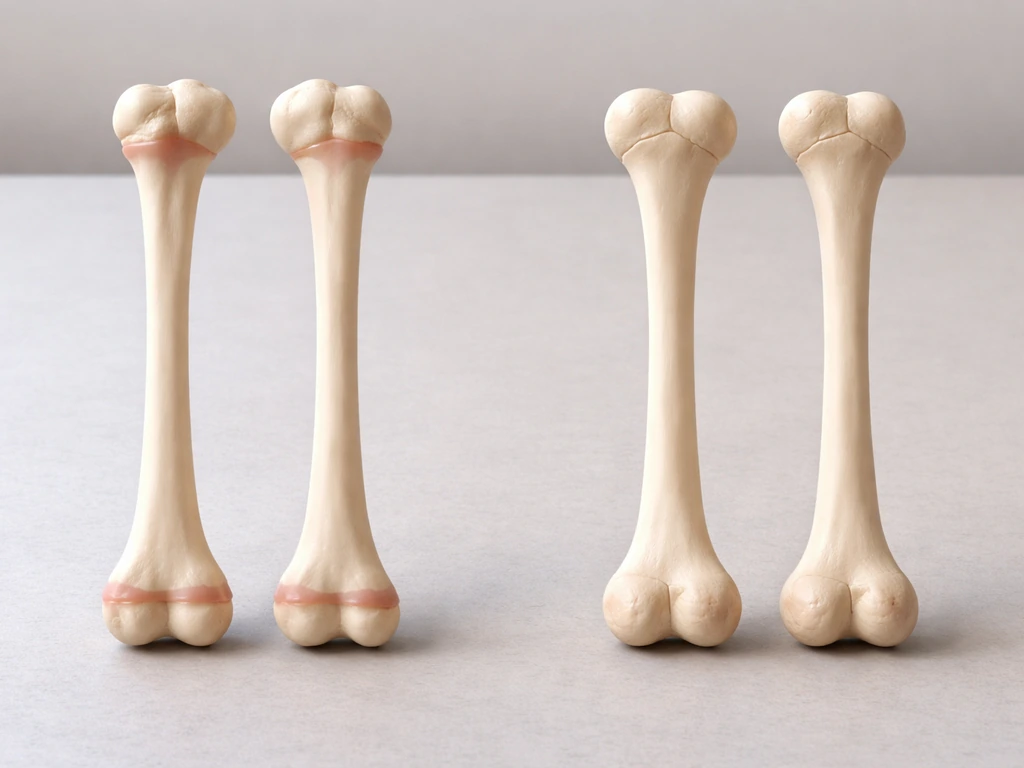
The short answer: <a data-article-id="880B6209-CA84-46DE-B5C2-5CC9998D93BF">no single food makes you grow faster</a>, but eating the right foods consistently gives your body everything it needs to reach its natural height potential. Nutrition is the fuel for growth, not the blueprint. The blueprint is your genetics and your growth plates' biological timeline. What food does is either support that process fully or leave gaps that slow it down. This article focuses on which specific foods and eating patterns do the most work, who benefits most from getting this right, and what's actually realistic to expect.
What Foods Make You Grow Faster: Growth-Supporting Diet

Marcus Reeves
18 Apr 2026

How food actually affects height growth
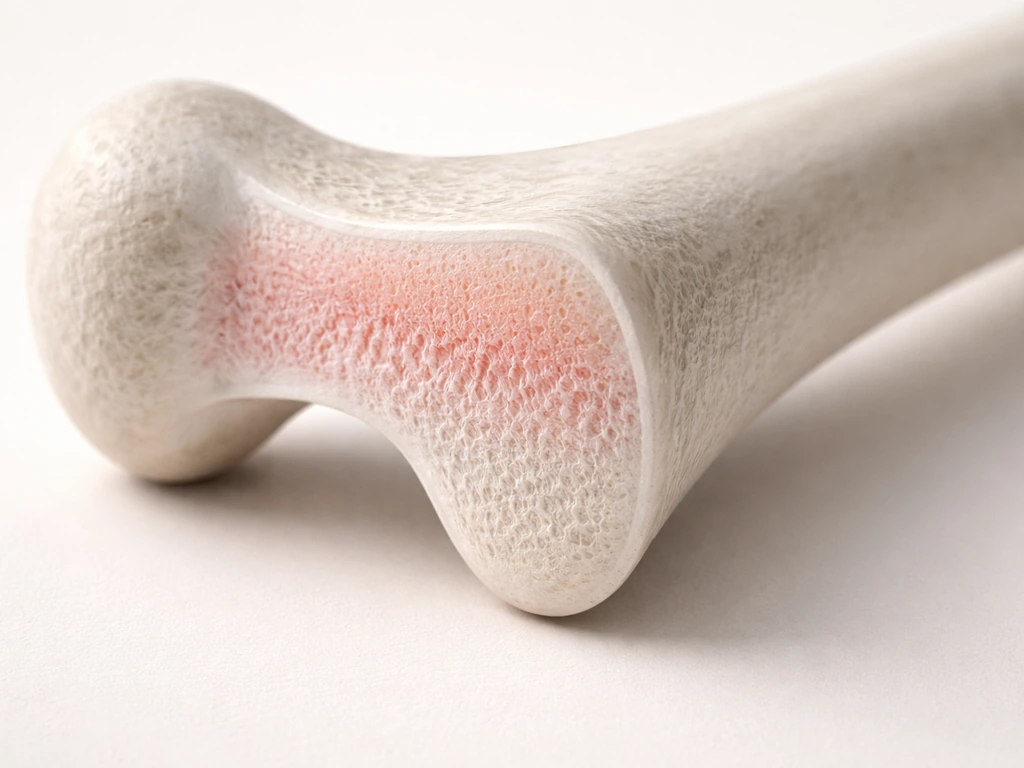
Height growth happens at the growth plates, which are zones of cartilage near the ends of your long bones (femur, tibia, humerus). Cells in these plates divide, expand, and eventually harden into bone, lengthening the skeleton over time. This process is primarily driven by the growth hormone (GH) and IGF-1 (insulin-like growth factor 1) axis, along with thyroid hormone. Your pituitary gland releases growth hormone, which signals the liver to produce IGF-1, and IGF-1 is what actually stimulates those growth plate cells to divide. Thyroid hormone also plays a supporting role in coordinating bone maturation.
Food connects to this system in two main ways. First, adequate calories and protein are essential for IGF-1 production. Chronic undernutrition directly suppresses IGF-1 levels, which slows or stalls linear growth even when growth hormone secretion is normal. Second, specific micronutrients, especially calcium, vitamin D, zinc, and phosphorus, are structurally necessary for bone mineralization and cell division at the growth plates. Deficiencies in any of these can impair growth independently of the GH-IGF-1 axis. Zinc deficiency in particular has been associated with growth failure and linear growth impairment in children, and zinc supplementation studies have shown improvements in height outcomes in deficient populations.
The important caveat here: food supports the process, it doesn't override it. A well-nourished child will grow toward the upper range of their genetic potential. A malnourished child may grow significantly below it. But feeding a genetically average child an exceptional diet won't push them above their genetic ceiling. That distinction matters a lot when separating evidence-based guidance from the hype you'll find on social media.
The nutrients that matter most for growing taller
Protein and total calories
These two are the foundation. Protein provides amino acids used to build new tissue, including bone matrix and muscle, and it directly supports IGF-1 production. Children and adolescents in active growth phases need adequate protein daily, roughly 0.85 to 1.2 grams per kilogram of body weight depending on age, though needs can be higher during puberty. Total calorie intake matters just as much: a child eating enough protein but not enough overall calories will still have suppressed IGF-1 because the body redirects energy away from growth during caloric deficits. This is why chronic undereating (whether from food insecurity or restrictive eating) is one of the most reliable ways to stunt growth.
Calcium and vitamin D
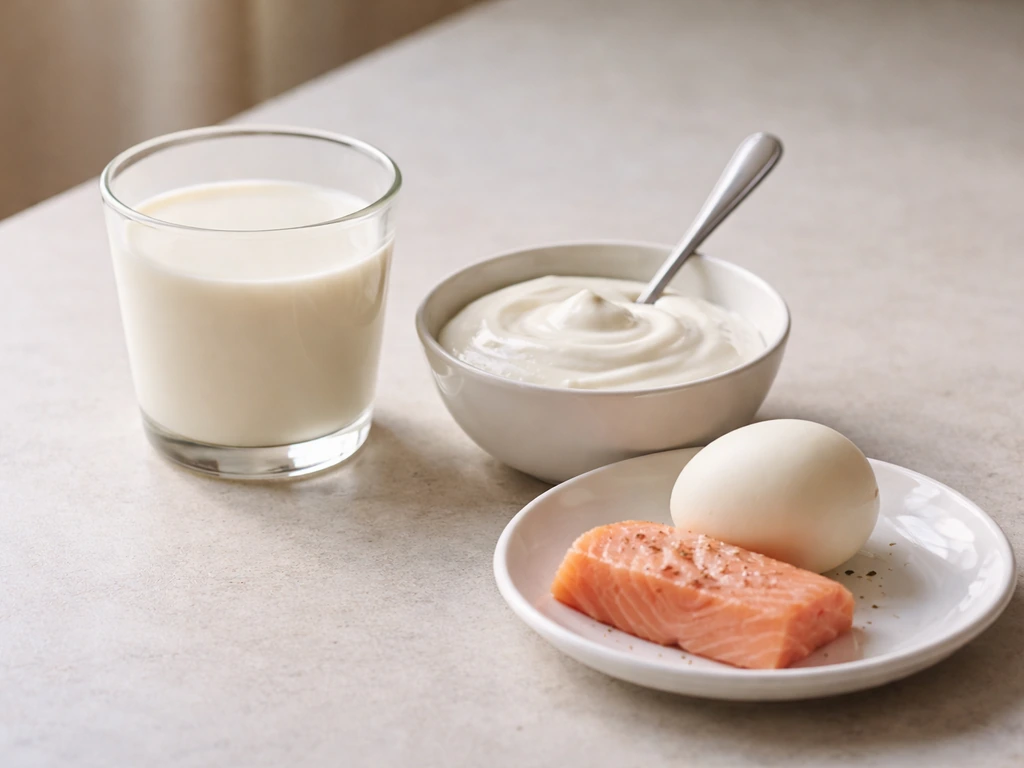
Calcium is the primary mineral in bone tissue, and vitamin D is required for calcium absorption in the gut. Without sufficient vitamin D, you can eat plenty of calcium-rich foods and still end up calcium-deficient at the bone level. Children aged 1 to 3 need around 700 mg of calcium per day, ages 4 to 8 need about 1,000 mg, and ages 9 to 18 need 1,300 mg daily, which is the highest requirement across the lifespan because peak bone mass is being built during these years. Vitamin D recommendations sit at 600 IU per day for most children and teens, though many clinicians recommend higher amounts for kids with limited sun exposure.
Zinc
Zinc is involved in cell division, protein synthesis, and growth hormone receptor signaling, which makes it directly relevant to linear growth. Evidence from nutritional research in developing countries consistently shows that zinc deficiency is one of the key dietary causes of growth failure in children. Even mild, chronic zinc deficiency can impair height gain over time. Foods rich in zinc include meat, shellfish, legumes, seeds, and dairy products.
Other micronutrients worth knowing
- Iron: necessary for oxygen transport and energy metabolism; deficiency causes fatigue and impairs overall growth and development
- Vitamin A: supports bone remodeling and immune function; deficiency is linked to growth impairment
- Vitamin K2: directs calcium into bones rather than soft tissue, supporting bone mineralization
- Magnesium: cofactor for hundreds of enzymatic reactions including those involved in bone metabolism
- Phosphorus: works alongside calcium in bone mineral formation; usually adequate in protein-rich diets
The best foods to support growth
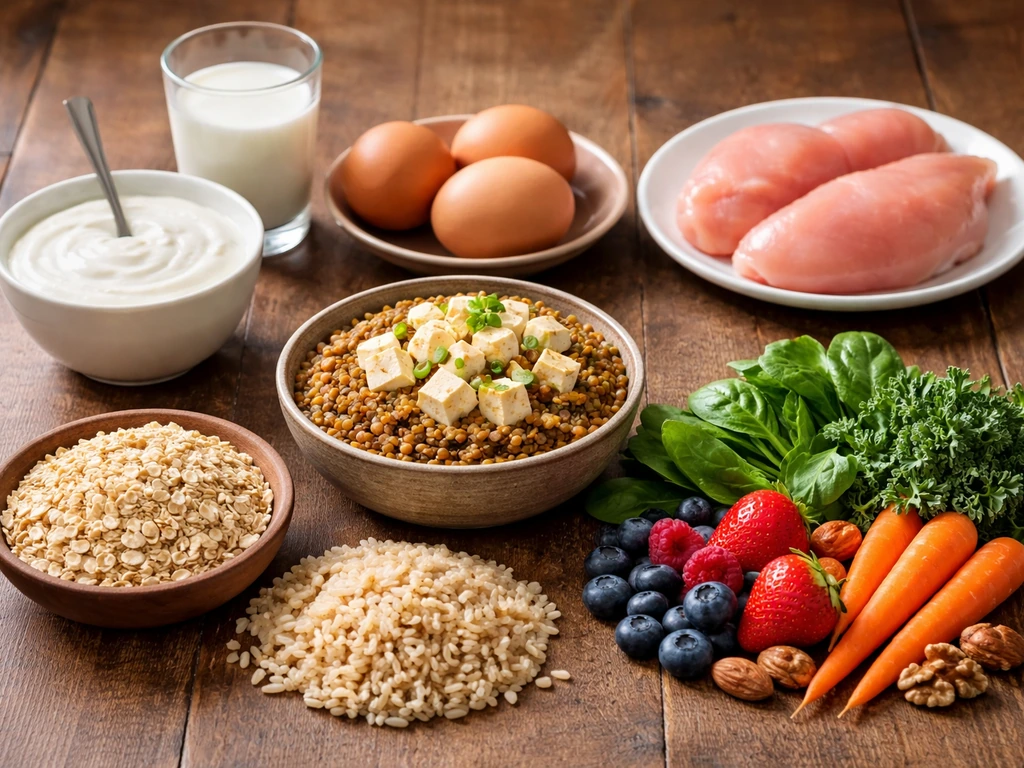
The most growth-supportive diet isn't complicated or exotic. It's one that consistently delivers complete protein, bone minerals, and a broad range of micronutrients from whole food sources. Here are the categories and specific foods that do the most work.
| Food / Food Group | Key Nutrients for Growth | Why It Matters |
|---|---|---|
| Dairy (milk, yogurt, cheese) | Calcium, protein, vitamin D (fortified), phosphorus, zinc | One of the most efficient single sources for bone mineralization and IGF-1 support |
| Eggs | Complete protein, vitamin D, vitamin A, B12, zinc | Highly bioavailable protein and fat-soluble vitamins in one low-cost food |
| Lean meat and poultry | Complete protein, zinc, iron, B12 | Dense protein source with zinc in a highly bioavailable form |
| Fatty fish (salmon, sardines, mackerel) | Protein, vitamin D, calcium (canned with bones), omega-3s | One of few dietary sources of vitamin D; omega-3s support bone density |
| Beans and lentils | Protein, zinc, iron, magnesium, folate | Excellent plant-based protein and mineral source, especially paired with grains |
| Tofu and soy foods | Complete plant protein, calcium (calcium-set tofu), iron, zinc | Good dairy alternative for bone minerals and protein |
| Leafy greens (spinach, kale, bok choy) | Calcium, vitamin K, magnesium, folate, vitamin A | Non-dairy calcium and vitamin K for bone mineralization |
| Nuts and seeds (pumpkin, sesame, chia) | Zinc, magnesium, calcium, healthy fats, protein | Concentrated micronutrient sources; pumpkin seeds are among the best zinc-dense plant foods |
| Whole grains (oats, brown rice, quinoa) | B vitamins, magnesium, iron, complex carbohydrates | Energy substrate to support overall caloric needs and metabolism |
| Sweet potatoes and orange vegetables | Vitamin A (beta-carotene), potassium, carbohydrates | Supports bone remodeling and provides steady energy |
| Fortified foods (cereals, plant milks) | Vitamin D, calcium, B12, iron (varies by product) | Useful gap-fillers for children with limited dairy or sun exposure |
Notice that this list is basically a well-rounded whole-food diet. There's no magic ingredient. The pattern is what drives results: consistent intake across protein, calcium, vitamin D, and zinc, provided in sufficient total calories for the child's age and activity level.
Meal-building tips to put this into practice daily
Knowing which foods matter is step one. Building meals that actually deliver those nutrients on a consistent, daily basis is where most families need practical guidance. The goal is a pattern, not perfection at any single meal.
Hit protein at every meal
Rather than trying to load protein into one meal, spread it across three meals. A breakfast with eggs or Greek yogurt, a lunch with chicken, beans, or tofu, and a dinner with meat, fish, or legumes will hit daily protein targets naturally without requiring any tracking for most kids and teens. Protein at breakfast is especially worth prioritizing because many children skip it or replace it with high-sugar, low-protein options.
Build a calcium anchor into two meals
Reaching 1,300 mg of calcium daily (the teen requirement) means getting a meaningful calcium source twice a day, not once. A glass of milk or fortified plant milk with breakfast plus a dairy-containing lunch or a leafy green side at dinner gets most children close to their target. Calcium-set tofu, sardines with bones, and sesame seeds are high-density non-dairy options worth rotating in.
Don't undereat overall calories
This is the most overlooked piece. A growing teenager can need 2,200 to 3,000 calories per day or more depending on sex, activity level, and growth rate. Restrictive eating, meal skipping, or very low-fat diets can suppress IGF-1 and stall growth even when the child is eating nutritious food. If a child seems to be eating healthily but isn't growing well, total energy intake is the first thing to examine.
A simple daily structure
- Breakfast: protein source (eggs, Greek yogurt, or nut butter) plus a calcium-containing food and complex carbohydrates for energy
- Lunch: lean protein with vegetables and whole grains; include a dairy or high-calcium component
- Dinner: protein (meat, fish, legumes, or tofu) with vegetables rich in vitamins A, K, and magnesium, plus a whole grain or starchy vegetable for calories
- Snacks: nutrient-dense options like nuts, seeds, fruit with cheese, or hummus with vegetables rather than high-sugar low-nutrient snacks
- Drinks: prioritize milk or fortified plant milk and water; minimize sugary drinks which displace nutrient-dense calories
What to avoid or limit if growth is a priority
A few dietary patterns consistently create the kind of nutritional gaps that impair growth. These aren't about eliminating foods entirely but about recognizing what displaces the nutrients that matter.
- Highly processed, low-nutrient foods eaten as staples: chips, fast food, and packaged snacks are calorie-dense but nutrient-poor, meaning a child can be eating plenty of calories while still deficient in protein, calcium, zinc, and vitamins
- Sugary drinks in place of milk: sodas and juice displace calcium and protein intake without providing growth-relevant nutrients; they also spike insulin and can blunt appetite for more nutritious foods
- Skipping meals, especially breakfast: meal skipping reduces total protein and calorie intake, which directly impacts IGF-1 production and growth rate over time
- Very restrictive or elimination diets without nutritional planning: vegan and dairy-free diets can absolutely support healthy growth, but they require deliberate planning to replace calcium, vitamin D, zinc, and B12 sources; an unplanned restrictive diet is a real growth risk
- Excessive fiber without adequate protein and fat: very high-fiber, very low-calorie diets (sometimes pursued for weight management) can suppress growth hormones and slow development in adolescents
- Over-relying on supplements instead of food: most pediatric dietitians recommend food-first approaches because whole foods provide co-factors and absorption synergies that isolated supplements do not fully replicate; supplements can fill genuine gaps, but they're not a substitute for diet quality
Growth stage matters: what's realistic for kids, teens, and adults
This is worth being direct about because a lot of the 'foods to grow taller' content online ignores it entirely. The impact of diet on height is not the same across life stages, and understanding the difference saves a lot of frustration.
Children (roughly ages 2 to 10)
This is a phase of steady, consistent growth, typically around 5 to 6 centimeters per year. Growth during childhood is primarily regulated by the GH-IGF-1 axis and thyroid hormone, and nutrition plays a major supporting role. Chronic undernutrition during these years, whether from food insecurity, poor diet quality, or malabsorption conditions like celiac disease, can cause measurable growth faltering that shows up as downward crossing of height percentiles on CDC growth charts. Getting nutrition right during childhood means a child tracks along their expected percentile curve consistently, which is the clinical benchmark for healthy growth.
Adolescents (puberty through mid-teens)
This is where the biggest nutrition-growth link plays out. The pubertal growth spurt, driven by sex hormones in addition to GH and IGF-1, can add 8 to 12 centimeters per year at peak velocity. Protein and calorie needs spike significantly during this phase. A teenager who is eating insufficiently during their growth spurt is leaving real height potential on the table. Conversely, a teen eating a solid whole-food diet with adequate protein, calcium, and micronutrients is giving themselves the best possible environment to grow toward their genetic ceiling. The growth plates are still open during most of adolescence (typically closing between ages 14 to 16 in girls and 16 to 18 in boys, though timing varies), so nutritional intervention during these years has genuine biological relevance.
Adults (after growth plates close)
Once growth plates fuse, longitudinal bone growth stops. No food, supplement, or exercise will increase skeletal height after this point. That's not a controversial claim, it's just anatomy. What nutrition can do for adults is support bone density, prevent age-related height loss (which is real and caused by vertebral compression and disc dehydration over time), and support overall musculoskeletal health. Calcium, vitamin D, protein, and weight-bearing activity remain important for adults, just for different reasons than during childhood. If you're an adult reading this, the most useful framing is protecting the height and bone density you have, rather than gaining new height.
How to personalize your approach and when to see a clinician
For most children and teenagers, the practical next step is straightforward: audit daily eating patterns against the framework above, prioritize protein and calcium at every meal, make sure total calorie intake is adequate for the child's age and activity level, and reduce processed food displacement of nutrient-dense foods. You don't need a specialized diet, expensive supplements, or any particular superfood. Consistency with a varied whole-food diet covers the vast majority of what's scientifically established to support growth.
That said, there are clear situations where talking to a pediatrician or pediatric dietitian is the right move rather than adjusting diet alone. If a child is consistently tracking below the 3rd height percentile on CDC growth charts, if they've dropped significantly across height percentile lines over 6 to 12 months, or if growth seems to have slowed or stalled unexpectedly, those are clinical red flags that warrant evaluation. A pediatric endocrinologist can assess IGF-1 levels and the GH-IGF-1 axis, screen for conditions like celiac disease or thyroid dysfunction that can impair growth even on a good diet, and determine whether the growth pattern reflects a nutritional issue or something else entirely. Nutrition is one lever in a more complex system, and sometimes the lever that needs adjusting is medical, not dietary.
For parents wondering whether their child is growing appropriately, the most useful immediate step is to plot their child's height on a CDC growth chart and look at the trend over time, not just a single data point. A child consistently at the 20th percentile who tracks steadily along that curve is growing normally. A child who was at the 50th percentile and has dropped to the 15th over two years warrants attention regardless of their absolute height. The trend is the signal.
Finally, if you're exploring broader questions around growth, topics like what helps your body grow, how sleep and exercise interact with nutrition, or what overall lifestyle factors support height potential are all worth understanding alongside diet. If you want to understand what makes you grow faster beyond food alone, also consider sleep and exercise as lifestyle supports alongside smart nutrition. What helps your body grow also includes foundational habits like nutrition, sleep, and consistent activity working together. Some of the most effective growth accelerators include getting enough sleep and maintaining consistent physical activity alongside smart nutrition sleep and exercise. Food is probably the most modifiable variable in the growth equation for most children, but it doesn't operate in isolation.
FAQ
If my child is eating “healthy” foods, why might they still not be growing faster or might even be stalling?
Because growth depends on adequate total calories and specific nutrients, not just food quality. Common culprits are meal skipping, very low-fat diets, frequent dieting behavior, or low overall intake from picky eating, which can suppress IGF-1 even if protein and vegetables are present.
How can I tell whether the problem is diet versus a medical issue?
Use the growth trend first, not assumptions. If height percentile drops across multiple measurements over 6 to 12 months, or if weight is falling too, that is a sign to get pediatric evaluation. Conditions like celiac disease, thyroid problems, or chronic malabsorption can limit nutrient use even with a good diet.
Does plant-based eating help with growth as much as meat and dairy?
It can, if you plan for complete protein and bone-supporting nutrients. Pair legumes, tofu/tempeh, and other protein sources across the day, and make sure calcium and vitamin D are covered (for example, fortified plant milks). The key is consistency with daily targets, not the food type alone.
Is it safe to use protein shakes or supplements to boost growth?
Only in a targeted way. For most kids and teens, whole-food protein spread across meals meets needs. If using supplements, focus on not displacing real meals, avoid megadoses, and check with a pediatric clinician if there are eating issues, kidney disease risk factors, or significant underweight.
Can calcium supplements replace dairy or other calcium-rich foods?
They can help, but they are not a perfect swap. Supplements should be used to close gaps after checking diet, and vitamin D status matters for absorption. If the child is not growing or has GI symptoms, supplementation alone might delay needed medical workup.
My child gets enough calcium and protein, but still doesn’t grow much. What else should I check?
Look for zinc coverage and energy adequacy. Zinc often falls short with limited meat/shellfish and low intake of legumes, seeds, and dairy. Also assess whether the child is actually eating enough for age and activity, since caloric deficits can blunt the growth signal.
Does exercise help kids grow taller, or is it all about food?
Exercise supports growth indirectly by improving appetite, body composition, and bone health, but it cannot reopen fused growth plates. The diet framework still sets the biological materials for growth plate activity, so treat activity as supportive and consistent rather than as a replacement for adequate calories and nutrients.
What sleep amount matters for growth alongside food?
Adequate sleep supports the hormonal environment that makes growth possible, especially in children and teens. If a child chronically sleeps too little, nutrition may not fully express its benefits, so consider daily sleep regularity as part of the same “growth support” plan.
At what point should I worry about growth faltering on the growth chart?
Worry when there is a consistent downward shift in height percentile over time, such as crossing downward percentiles over 6 to 12 months, or when a child remains under a very low percentile and is not tracking. A single short-term measurement is less meaningful than the pattern.
Can “growth” foods or supplements make a child taller than their genetic potential?
No, food can support reaching a natural ceiling, it cannot reliably push a child beyond genetic limits. The practical goal is removing nutrient and calorie gaps that slow growth so the child can track toward their expected range.
Next Article
Does Protein Help You Grow Taller? Evidence and What to Do
Does protein help you grow taller? Evidence says it supports growth in kids, but won’t lengthen bones after growth plate